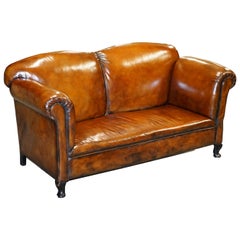
Horse Hair Chaise
Antique 19th Century English Victorian Sofas
Leather

People Also Browsed
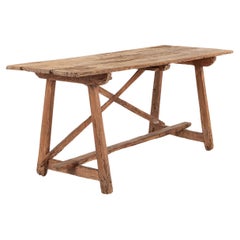
Antique Mid-18th Century Spanish Spanish Colonial Tables
Walnut
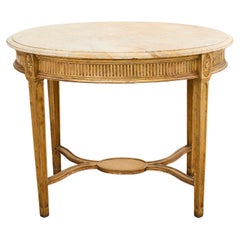
20th Century French Neoclassical Center Tables
Marble
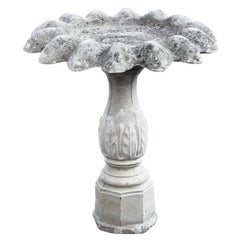
20th Century Unknown Rustic Fountains
Concrete
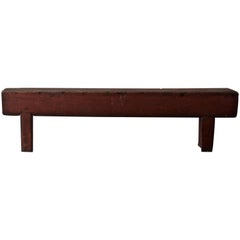
Antique Late 18th Century Swedish Folk Art Benches
Wood
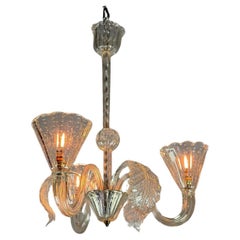
Mid-20th Century Art Nouveau Chandeliers and Pendants
Glass
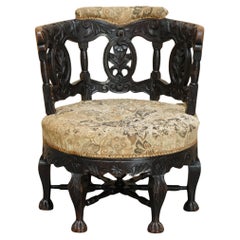
Antique 1870s English High Victorian Chairs
Upholstery, Oak
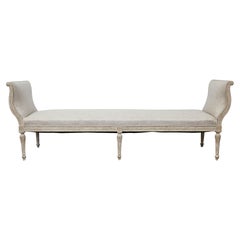
Antique 19th Century French Louis XVI Daybeds
Linen, Upholstery, Wood
Early 20th Century French Art Deco Dry Bars
Brass
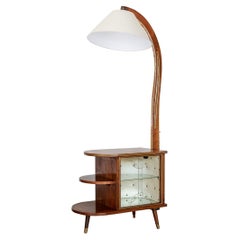
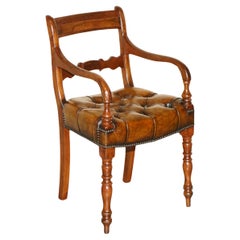
Antique 1810s English Regency Armchairs
Leather, Elm
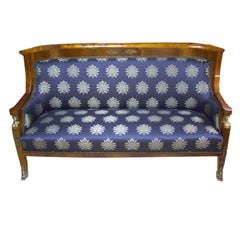
Antique 19th Century Loveseats
Brass
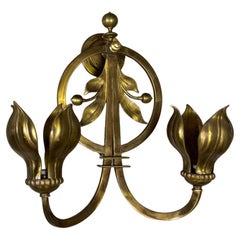
Early 20th Century Italian Art Nouveau Wall Lights and Sconces
Bronze
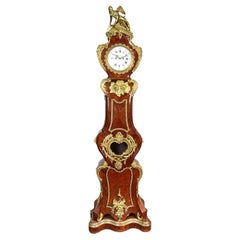
Antique Mid-19th Century French Louis XVI Grandfather Clocks and Longcas...
Ormolu
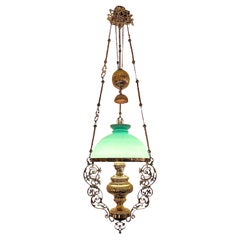
Antique Late 19th Century French Chandeliers and Pendants
Brass
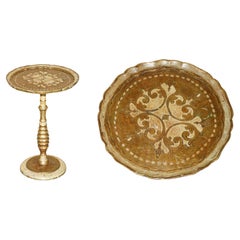
Antique Early 1900s Italian Late Victorian Side Tables
Pine
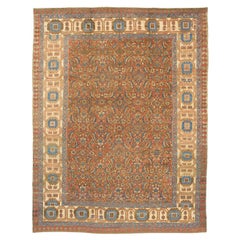
Antique Late 19th Century Persian Bakshaish Persian Rugs
Wool, Cotton
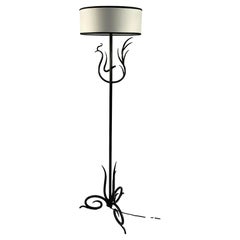
Vintage 1940s French Art Deco Floor Lamps
Wrought Iron
Finding the Right Settees for You
Vintage, new and antique settees are a smart and stylish choice for adding more seating to a room.
Settees first appeared in 17th-century Europe. A very famous settee, known as the Knole settee, was actually used by a monarch in South East England to receive visitors. This seating furniture was often part of a set that included matching chairs. While settees were popular in parlors, you could also find similar seating, such as daybeds and chaises longues (both of which derive from the settee, as does the chesterfield), where you might relax with guests in your home.
Today, a settee is still furniture that invites socializing. They’re common in living rooms and other shared areas because they allow you to cozy up to someone and have a conversation with them.
Settees are typically small seats that can fit two or more people, but they aren’t as wide as couches or sofas. A settee is more intimate and offers more sitting room than an armchair. Settees often have a backrest for optimal support and are frequently upholstered.
Are you looking to add more seating to an entertainment room but working with limited space? We promise that your vintage settee will look great next to your coffee table in your main seating area. You can also add a settee to your mudroom so that guests have a comfortable spot to sit down and take off their shoes. If you have a small space in your home that you’re still figuring out how to use, add a settee to turn it into a comfortable reading nook. They work in bedrooms too; a tufted settee designed by Danish modernist Finn Juhl makes perfect sense at the foot of your bed.
Most settees come with an upholstered seat, but you can find variations that aren’t upholstered. There are antique wood settees and benches that will look right at home in a rustic decor.
The backrest is an important consideration when choosing a settee. You can find pieces with low seat backs that look discreet and don’t provide a lot of support. If you want more support, we recommend choosing a settee with a high back.
A settee with a high back can become a statement piece, especially if you choose an item with a unique upholstery print or decorative frame.<a href=https://abbag.ru/108/furniture/seating/settees/style/victorian/ target="_blank" rel="noopener noreferrer" Victorian settees are ideal for introducing an air of sophistication to your living room. These pieces often feature frames of walnut or mahogany, a seat upholstered in chintz fabric (Victorians appreciated that the glazed finish made it easy to wipe clean) and sculptural hand-carved cabriole legs.
If you want something that feels more contemporary or will work better with your mid-century modern side tables and lounge chair, consider Space Age settees or mid-century modern versions. In your main seating area, tie the elements together with a large rug. (Find more tips on how to arrange furniture here.)
On 1stDibs, find a collection of vintage, new and antique settees from different eras to match any furniture style.
- 1stDibs ExpertFebruary 22, 2021Horsehair isn't still used in upholstery. Though it was once very popular, designers stopped using it in the late early 20th century.
Read More
See How New York City Designers Experiment on Their Own Homes
There are many lessons to be learned from the lofts, apartments and townhouses of architects and decorators in Manhattan and beyond.
Canadian Designer Philip Mitchell Masterfully Balances Tradition and Glamour
Enriching rooms with layers of visual interest is key to the New York– and Toronto-based decorator’s signature style.