Hungarian Art Deco Furniture
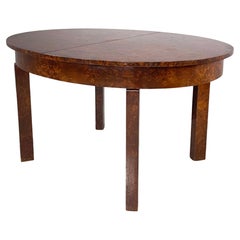
Vintage 1930s Italian Art Deco Dining Room Tables
Wood
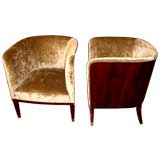
Vintage 1930s Hungarian Club Chairs
Wood
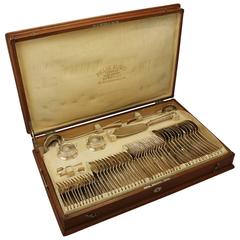
Vintage 1910s Hungarian Art Deco Tableware
Silver
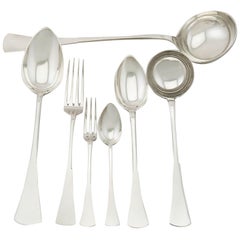
Vintage 1950s Hungarian Tableware
Silver
Vintage 1930s Hungarian Club Chairs
Wood, Cane, Mohair
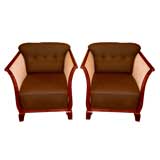
20th Century Hungarian Vitrines
Macassar, Glass, Walnut, Ebony
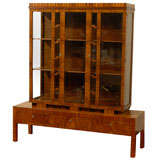
Vintage 1930s Hungarian End Tables
Burl, Walnut
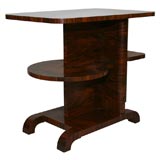
Vintage 1930s Hungarian Armchairs
Walnut, Upholstery
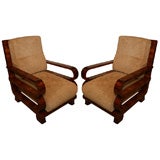
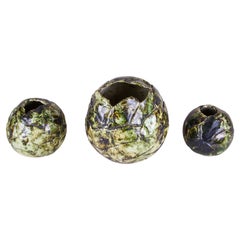
Mid-20th Century Hungarian Art Deco Vases
Majolica
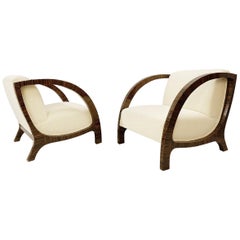
Mid-20th Century Austrian Art Deco Armchairs
Fabric
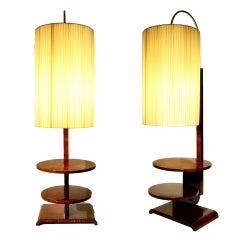
Vintage 1940s Hungarian Art Deco Floor Lamps
Walnut

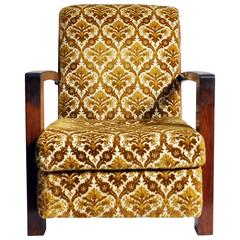
20th Century Hungarian Art Deco Lounge Chairs
Walnut
21st Century and Contemporary Hungarian Art Deco Side Tables
Walnut
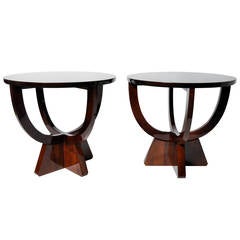
Early 20th Century Hungarian Art Deco Paintings
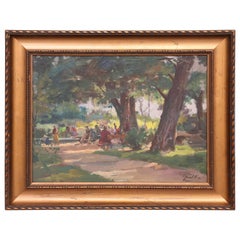
Vintage 1930s Hungarian Art Deco Posters
Paper
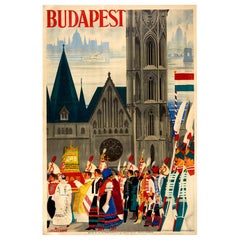
Vintage 1940s Hungarian Art Deco Armchairs
Walnut
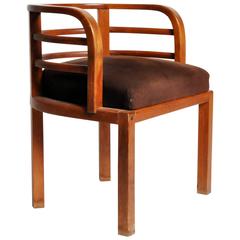
Mid-20th Century Hungarian Art Deco Armchairs
Upholstery, Walnut
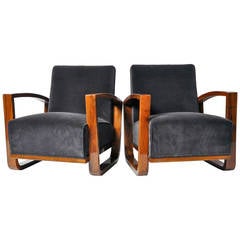
Vintage 1930s Hungarian Art Deco Cabinets
Walnut
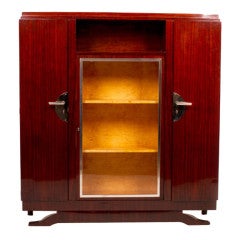
Early 20th Century Hungarian Art Deco Armchairs
Walnut
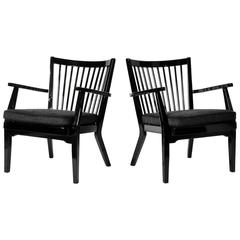
Early 20th Century Hungarian Art Deco Armchairs
Walnut
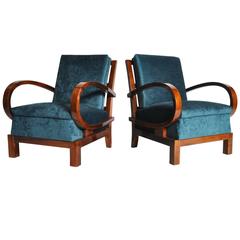
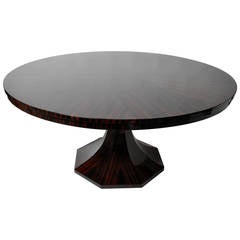
21st Century and Contemporary Hungarian Art Deco Dining Room Tables
Macassar
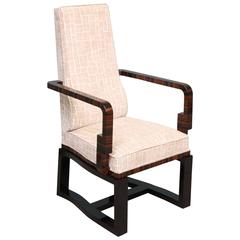
Mid-20th Century Hungarian Art Deco Armchairs
Ebony, Fabric, Walnut
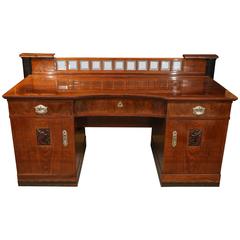
Mid-20th Century Hungarian Art Deco Desks and Writing Tables
Glass, Palisander
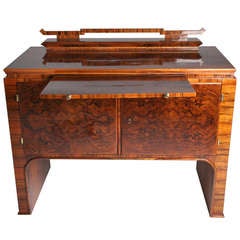
Vintage 1940s Hungarian Art Deco Cabinets
Walnut
21st Century and Contemporary Hungarian Art Deco Floor Lamps
Walnut
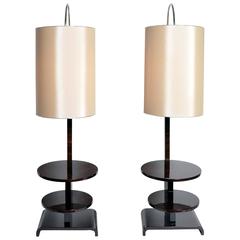
Vintage 1930s Hungarian Art Deco Coffee and Cocktail Tables
Wood
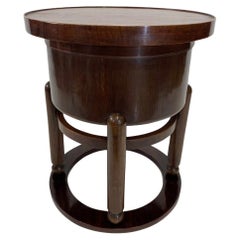
21st Century and Contemporary Hungarian Art Deco Side Tables
Walnut
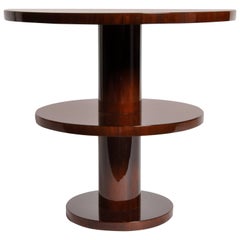
Vintage 1940s Hungarian Art Deco Club Chairs
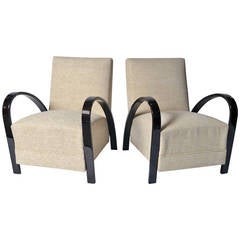
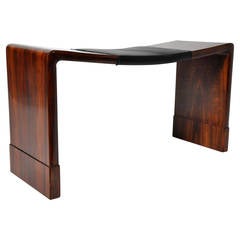
21st Century and Contemporary Hungarian Art Deco Benches
Leather, Rosewood
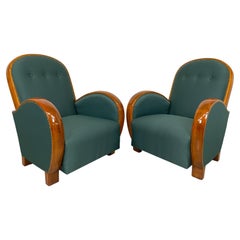
Vintage 1930s Hungarian Art Deco Armchairs
Fabric, Wood
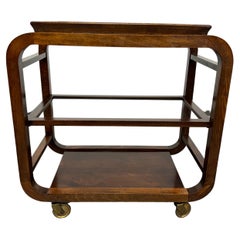
Vintage 1930s Hungarian Art Deco Serving Tables
Glass, Beech
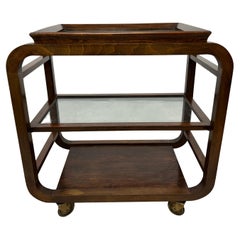
Vintage 1930s Hungarian Art Deco Serving Tables
Glass, Beech
Vintage 1940s Hungarian Art Deco Coffee and Cocktail Tables
Glass, Walnut
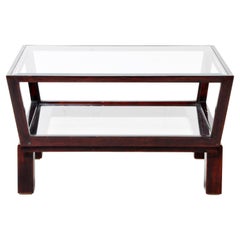
20th Century Hungarian Art Deco Side Tables
Macassar, Walnut
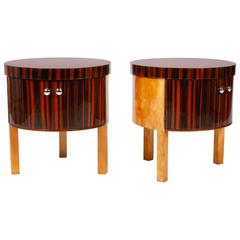
Vintage 1940s Hungarian Art Deco Club Chairs
Walnut
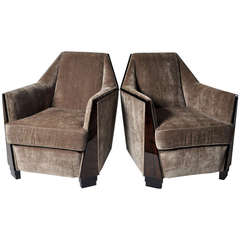
Vintage 1930s Hungarian Art Deco Benches
Fabric, Walnut

21st Century and Contemporary Hungarian Art Deco Side Chairs
Upholstery, Walnut
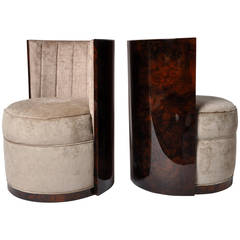
Vintage 1940s Hungarian Art Deco Dining Room Tables
Walnut
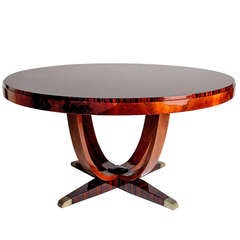
21st Century and Contemporary Hungarian Art Deco Side Tables
Walnut
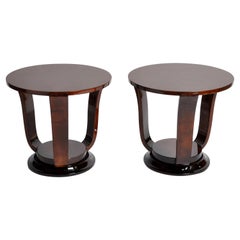
Early 20th Century Hungarian Art Deco Armchairs
Walnut

20th Century Hungarian Art Deco Side Tables
Walnut
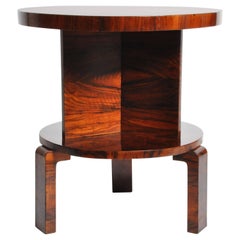
Vintage 1930s Hungarian Art Deco Lounge Chairs
Fabric, Wood
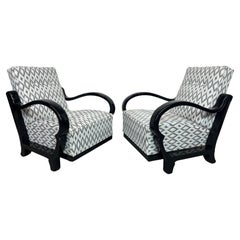
Antique Late 19th Century Hungarian Art Deco Armchairs
Walnut
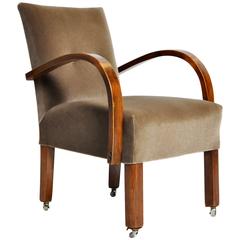
20th Century Vases
Porcelain
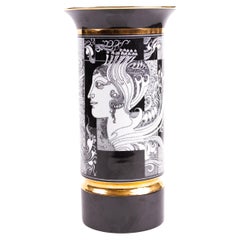
Mid-20th Century Hungarian Art Deco Side Tables
Chrome
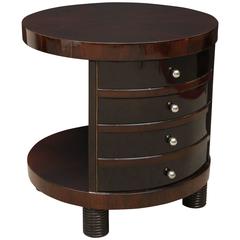
21st Century and Contemporary Hungarian Art Deco Side Tables
Wood
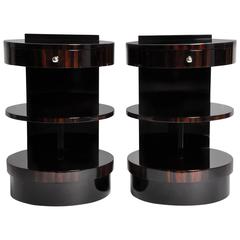
Mid-20th Century Art Deco Club Chairs
Cane, Upholstery, Walnut
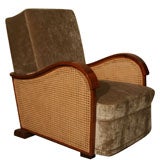
20th Century Hungarian Art Deco Cabinets
Palisander
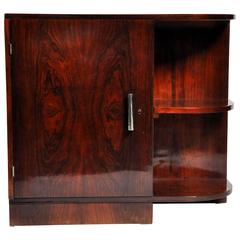
Vintage 1930s Hungarian Art Deco Side Tables
Beech
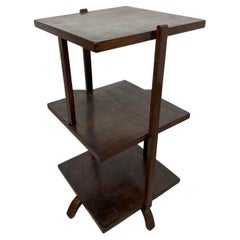
Vintage 1940s Hungarian Art Deco Ceramics
Ceramic
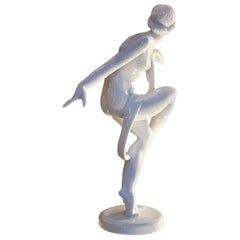
Vintage 1930s Hungarian Art Deco Chairs
Walnut
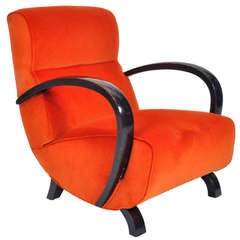
Vintage 1930s Hungarian Art Deco Armchairs
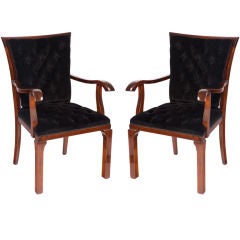
Mid-20th Century Hungarian Art Deco Armchairs
Fabric, Wood
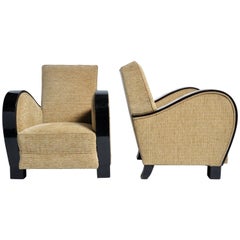
20th Century Hungarian Art Deco Club Chairs
Mohair, Macassar
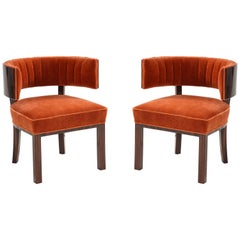
Vintage 1940s Hungarian Art Deco Lounge Chairs
Mohair, Walnut
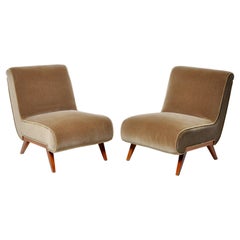
Mid-20th Century Hungarian Art Deco Ottomans and Poufs
Walnut, Fabric
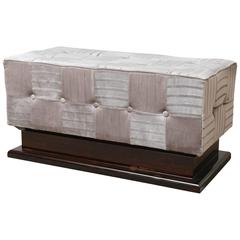
Mid-20th Century Hungarian Art Deco Desks
Brass
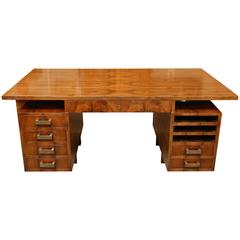
- 1
- ...
Hungarian Art Deco Furniture For Sale on 1stDibs
How Much is a Hungarian Art Deco Furniture?
- 1stDibs ExpertAugust 15, 2019
Art Deco style furniture appeared right before the start of World War I and is defined by sharp lines, vibrant colors and bold patterns. Heavily influenced by geometry, Art Deco furniture was born out of the Cubism movement.
- 1stDibs ExpertFebruary 27, 2024To identify Art Deco furniture, first look for maker's markings in inconspicuous areas. Once you've found them, use trusted online resources to research the manufacturer and determine whether they were active during the Art Deco era, which spanned from the 1920s through the 1930s. You can also look for classic characteristics of Art Deco furniture, such as bold geometric lines and forms, intricate floral motifs, metal accents, mirrored finishes and fine materials such as shagreen, marble, mahogany wood, zebra wood, ebony, exotic animal hides, onyx and mother-of-pearl. A certified appraiser or knowledgeable antiques dealer can also assist you with making identifications. Shop a collection of Art Deco furniture on 1stDibs.
- How was Art Deco furniture made?1 Answer1stDibs ExpertApril 5, 2022Art Deco furniture was largely made by hand. Crafters often employed exotic hardwood like zebra wood, rosewood and Macassar ebony. Many pieces had a polished Japanese lacquer finish, which gave a high-gloss shine to the wood. On 1stDibs, shop a variety of Art Deco furniture.
- 1stDibs ExpertFebruary 27, 2024What Art Deco furniture looks like can vary from piece to piece, but there are some characteristics that help define the style. During the 1920s and ’30s, manufacturers often created furniture with bold geometric lines and forms as well as intricate floral motifs. Materials tended to be luxurious and included shagreen and marble as well as exotic woods such as mahogany, ebony and zebra wood. Many pieces feature luxe details like gleaming metal accents, shimmering mirrored finishes and embellishments made from exotic animal hide and inlays of mother-of-pearl or ivory. Explore a wide range of Art Deco furniture on 1stDibs.
- 1stDibs ExpertApril 5, 2022
The main features of Art Deco furniture are bold geometric lines and forms, and an integration of expensive materials such as shagreen or marble as well as exotic woods such as mahogany, ebony and zebra wood.
The Art Deco era made an indelible mark on all fields of design throughout the 1920s and ’30s, and while the period yielded a range of stylistically diverse furnishings, interiors and objects, collectors will typically find the period’s desks, tables and chairs embellished with metal accents, animal hides, ivory or mother-of-pearl inlays and shimmering mirrored finishes.
Widely known designers associated with the Art Deco style include Émile-Jacques Ruhlmann, Eileen Gray, Maurice Dufrêne, Paul Follot and Jules Leleu. The term Art Deco derives from the name of a large decorative arts exhibition held in Paris in 1925. “Art Deco design” is often used broadly, to describe the work of creators in associated or ancillary styles. This is particularly true of American Art Deco, which is also called Streamline Moderne or Machine Age design. (Streamline Moderne, sometimes known as Art Moderne, was a phenomenon largely of the 1930s, post–Art Nouveau.)
Shop a collection of Art Deco furniture from some of the world’s top sellers on 1stDibs.