Imperial Russian Glass
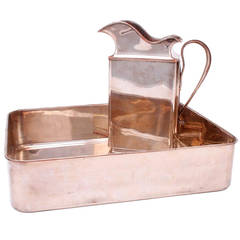
Antique 19th Century Russian Neoclassical Sheffield and Silverplate
Silver Plate

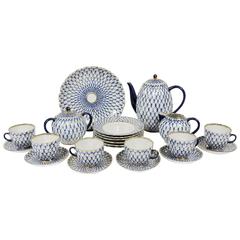
Mid-20th Century Russian Tea Sets
Porcelain
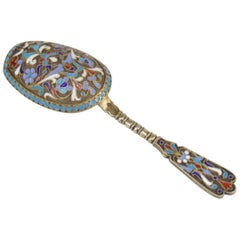
Antique 19th Century Russian Sterling Silver
Silver, Enamel
- 1
Imperial Russian Glass For Sale on 1stDibs
How Much is a Imperial Russian Glass?
Finding the Right Serveware, Ceramics, Silver And Glass for You
Your dining room table is a place where stories are shared and personalities shine — why not treat yourself and your guests to the finest antique and vintage glass, silver, ceramics and serveware for your meals?
Just like the people who sit around your table, your serveware has its own stories and will help you create new memories with your friends and loved ones. From ceramic pottery to glass vases, set your table with serving pieces that add even more personality, color and texture to your dining experience.
Invite serveware from around the world to join your table settings. For special occasions, dress up your plates with a striking Imari charger from 19th-century Japan or incorporate Richard Ginori’s Italian porcelain plates into your dining experience. Celebrate the English ritual of afternoon tea with a Japanese tea set and an antique Victorian kettle. No matter how big or small your dining area is, there is room for the stories of many cultures and varied histories, and there are plenty of ways to add pizzazz to your meals.
Add different textures and colors to your table with dinner plates and pitchers of ceramic and silver or a porcelain lidded tureen, a serving dish with side handles that is often used for soups. Although porcelain and ceramic are both made in a kiln, porcelain is made with more refined clay and is more durable than ceramic because it is denser. The latter is ideal for statement pieces — your tall mid-century modern ceramic vase is a guaranteed conversation starter. And while your earthenware or stoneware is maybe better suited to everyday lunches as opposed to the fine bone china you’ve reserved for a holiday meal, handcrafted studio pottery coffee mugs can still be a rich expression of your personal style.
“My motto is ‘Have fun with it,’” says author and celebrated hostess Stephanie Booth Shafran. “It’s yin and yang, high and low, Crate Barrel with Christofle silver. I like to mix it up — sometimes in the dining room, sometimes on the kitchen banquette, sometimes in the loggia. It transports your guests and makes them feel more comfortable and relaxed.”
Introduce elegance at supper with silver, such as a platter from celebrated Massachusetts silversmith manufacturer Reed and Barton or a regal copper-finish flatware set designed by International Silver Company, another New England company that was incorporated in Meriden, Connecticut, in 1898. By then, Meriden had already earned the nickname “Silver City” for its position as a major hub of silver manufacturing.
At the bar, try a vintage wine cooler to keep bottles cool before serving or an Art Deco decanter and whiskey set for after-dinner drinks — there are many possibilities and no wrong answers for tableware, barware and serveware. Explore an expansive collection of antique and vintage glass, ceramics, silver and serveware today on 1stDibs.
- 1stDibs ExpertNovember 4, 2024To identify Imperial glass, turn it over. Many pieces will display the Imperial name on their bottoms. In addition, glassware produced by the company may also show a mold number or collection name. You can use this information and trusted online resources to learn more about your glassware. If you're unsuccessful at locating maker's marks, consider having a certified appraiser or knowledgeable antique dealer make an identification for you. Shop a variety of Imperial glass on 1stDibs.
- 1stDibs ExpertOctober 24, 2024To tell if something is Imperial glass, first look for a maker's mark. From 1913 onwards, Imperial marked its glassware with the word "Imperial," either positioned in the gaps formed by two arrows arranged in a cross shape or two capital letters Is in a crisscrossed placement. Earlier glassware often bears the word "Nuart" or "Nucut." However, some early-colored glass isn't marked. If you cannot locate a maker's marking but suspect your glass may be Imperial, a certified appraiser or knowledgeable antique dealer can assist you. On 1stDibs, find an assortment of Imperial glassware.
- 1stDibs ExpertApril 5, 2022It’s the tea glass holders — rather than the glasses — that are most interesting in Russia. They’re called podstakannik, which translates to “thing under the glass.” These holders are designed to hold any drinking glass, or stakan. If you’re looking for a Russian tea glass, you might want to research stakan and podstakannik.
Read More
37 Cheerful Home Bars, Where Everybody (Literally) Knows Your Name
Simple or sophisticated, equipped with console, cart or custom cabinetry, these stylish bar areas deserve a toast.
How a Craving for Color Revolutionized Glass
After synthetic dyes changed fashion, home goods and printed matter, it was only a matter of time till glass caught up.
1882 Ltd. Looks to the Future of Ceramics in the U.K. with an Eclectic Exhibition and Auction
Faye Toogood and John Pawson are among the list of plate designers.
20 Inviting Dining Rooms Perfectly Arranged for Entertaining
Top interior designers show — and tell — us how to create delectable spaces for hosting dinner parties.
Paul Revere Crafted This Silver Coffee Pot 250 Years Ago
Perhaps best known as a Revolutionary War hero, Revere was also an accomplished silversmith, and this pot is now available on 1stDibs.
From Arne Jacobsen to Zaha Hadid, Top Designers Tackle Tableware
Clever objects like these make feasting even more festive.
How the Chunky, Funky Ceramics of 5 Mid-Century American Artists Balanced Out Slick Modernism
Get to know the innovators behind the pottery countercultural revolution.
Ready for a Cinderella Moment? This Glass Handbag Is a Perfect Fit
Glass slippers might be the stuff of fairytales, but glass handbags? Artist Joshua Raiffe has made them a reality, and they're far less delicate than you might imagine, but just as dreamy.