Japanese Antique Shrines
Early 20th Century Japanese Japanese Antique Shrines
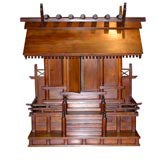

19th Century Japanese Japanese Antique Shrines
Metal
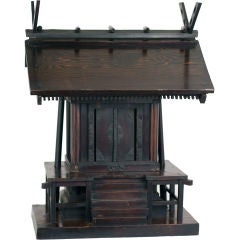
19th Century Japanese Japanese Antique Shrines
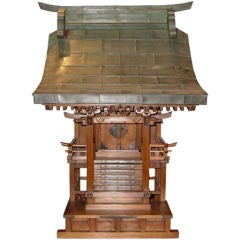
18th Century and Earlier Japanese Japanese Antique Shrines
Metal
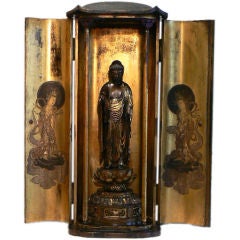
Mid-19th Century Japanese Japanese Antique Shrines
Lacquer, Wood
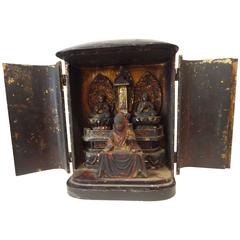
Mid-19th Century Japanese Japanese Antique Shrines
Giltwood, Lacquer, Wood
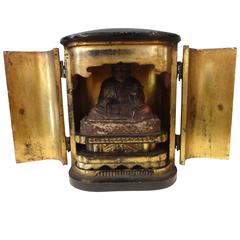
1880s Japanese Japanese Antique Shrines
Paper
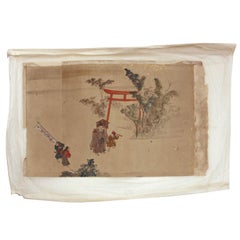
19th Century Japanese Japanese Antique Shrines
Wood
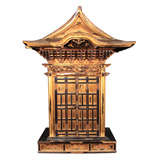
19th Century Japanese Meiji Japanese Antique Shrines
Wood
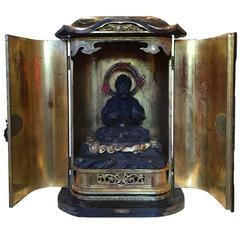
19th Century Japanese Meiji Japanese Antique Shrines
Wood
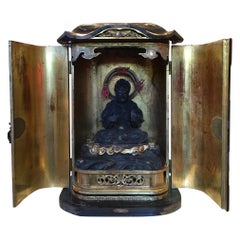
1870s Chinese Chinese Export Japanese Antique Shrines
Wood
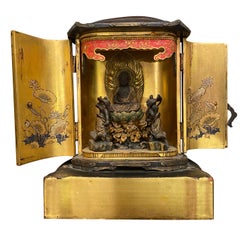
19th Century Chinese Japanese Antique Shrines
Rosewood
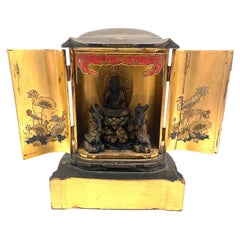
1890s Japanese Japanese Antique Shrines
Wood
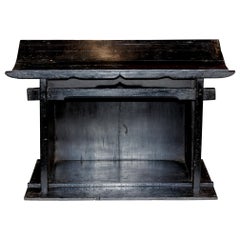
Early 20th Century Japanese Japanese Antique Shrines

Mid-19th Century Japanese Edo Japanese Antique Shrines
Washi Paper
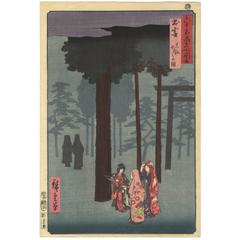
Early 20th Century Japanese Showa Japanese Antique Shrines
Mulberry Paper, Washi Paper
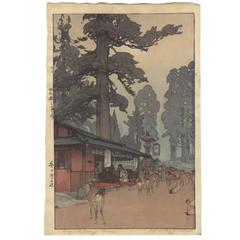
Early 20th Century Japanese Japanese Antique Shrines
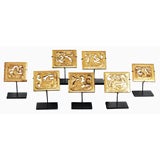
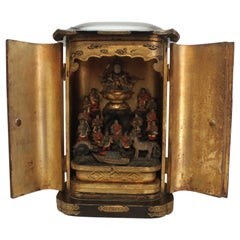
Late 19th Century Asian Meiji Japanese Antique Shrines
Lacquer
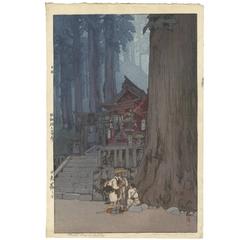
Early 20th Century Japanese Showa Japanese Antique Shrines
Mulberry Paper, Washi Paper
18th Century and Earlier Japanese Japonisme Japanese Antique Shrines
Metal
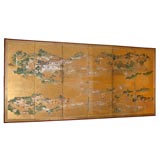
Mid-19th Century Edo Japanese Antique Shrines
Handmade Paper, Mulberry Paper, Washi Paper, Pigment, Woodcut
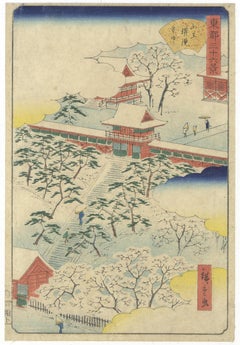
1880s Japanese Japanese Antique Shrines
Paper
- 1
Japanese Antique Shrines For Sale on 1stDibs
How Much are Japanese Antique Shrines?
- 1stDibs ExpertApril 5, 2022A Japanese shrine is called a jinja. In the Shinto faith, a shrine is thought to serve as the home of spirits known as kami. Find a collection of Japanese art, furniture and decorative objects from some of the world’s top makers and sellers on 1stDibs.
- 1stDibs ExpertApril 5, 2022A Japanese shrine, or Shinto shrine, will include three main areas: the main hall (honden), a worship hall (haiden) and an offering hall (heiden). Most people do not enter the shrine itself. Instead, they pray at the entrance to the hall. Find a variety of Shinto shrine pieces on 1stDibs.
- 1stDibs ExpertAugust 8, 2024To tell if your Japanese pottery is antique, look for markings, which usually appear on the bottoms of pieces. If you see the word "Nippon," your piece was likely produced between 1891 and 1921, making it an antique. Pieces marked with the words "made in occupied Japan" originated between 1945 and 1952 and are vintage, based on their age. A "made in Japan" marking may indicate a vintage or contemporary piece. If you don't see any of these markings, consult trusted online resources to get a rough idea of when your pottery was produced. Any piece that dates back 100 years or more is antique. Should you encounter difficulty with the dating process, a certified appraiser or knowledgeable antique dealer can assist you. On 1stDibs, shop a variety of Japanese pottery.
Read More
Symbols of Happiness and Rebirth Adorn This Japanese Satsuma Bowl
Decorated with white cranes and the sought-after thousand-butterflies motif, the Meiji-period vessel offers both a celebration of traditional aesthetics and a clear reflection of the era’s appetite for exquisite export pieces.
Chicago’s Pagoda Red Has a Spirited Mix of Asian Antiques and Bold New Art
For 25 years, gallerist Betsy Nathan has leveraged her keen eye and key connections to bring a unique selection of rare finds to the market.
In L.A., Gallerist JF Chen Has Long Championed Eclectic Blue-Chip Design
Now working alongside his daughter Bianca, dealer Joel Chen has presented a most covetable array of antiques, art and contemporary creations for more than 40 years.
12 Calming Spaces Inspired by Japanese Design
From cherry-blossom-adorned walls paired with glamorous lighting to wood-paneled ceilings above checkerboard-patterned chairs, these 12 spaces seamlessly blend Eastern and Western aesthetics.
Rodrigo Rivero Lake’s Mexico City Showroom Is a Museum-Worthy Trove of Spanish Colonial and Asian Antiques
The dealer and curator has spent the past 50 years amassing a collection of exceptional art, furniture and architectural elements that trace the cultural influence of the Spanish empire from Europe to the Americas and beyond.
16 Refined Asian-Inspired Interiors
These spaces exemplify how Eastern elements elevate a home's decor.