Japanese Arita

to
301
528
164
578
330
215
198
184
141
87
64
37
36
30
25
23
19
19
15
15
13
11
11
9
6
5
5
5
4
4
3
3
3
3
3
3
2
2
2
2
1
1
1
1
1
1
1
1
61
21
20
20
19
Sort By
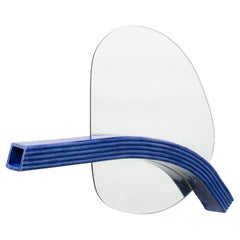
Sunset II Mirror Floris Wubben
By Floris Wubben
Located in Paddington, NSW
innovative approach. Notably, Ceramic Current was developed during a residency in Arita, Japan, where Wubben
Category

2010s Dutch Modern Wall Mirrors

Materials

Stoneware, Glass

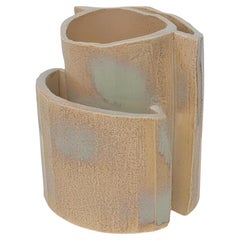
Small Facet Three Vase Mint By Floris Wubben
By Floris Wubben
Located in Paddington, NSW
innovative approach. Notably, Ceramic Current was developed during a residency in Arita, Japan, where Wubben
Category

2010s Dutch Modern Vases

Materials

Ceramic

Bowl with Vintage Chair (Made-to-order, Mid-Century, Modern, Vibrant)
By Melanie Sherman
Located in Kansas City, MO
in China, as well as the Japanese porcelain export center in Arita. Additionally, my journey brought
Category

2010s American Modern More Art

Materials

Earthenware, Luster, Paint, Glaze, Underglaze

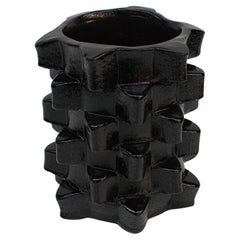
Small Seventy Vase Black Gloss By Floris Wubben
By Floris Wubben
Located in Paddington, NSW
innovative approach. Notably, Ceramic Current was developed during a residency in Arita, Japan, where Wubben
Category

2010s Dutch Modern Vases

Materials

Ceramic

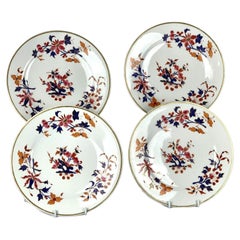
Set of Six Antique Worcester Dishes English Imari Pink Blue 1792–1803
By Flight Barr Worcester
Located in Katonah, NY
17th century, Japanese potters in Arita began producing export porcelains featuring iron-red, cobalt
Category

Antique Late 18th Century English Regency Dinner Plates

Materials

Porcelain

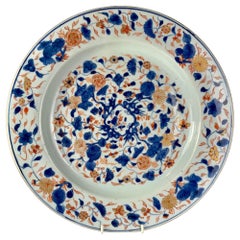
Large Antique Chinese Export Porcelain Charger Imari Style Qianlong Era Ca. 1760
Located in Katonah, NY
17th century, Japanese potters in Arita first made export porcelains with elaborate gilt designs to
Category

Antique Late 18th Century Chinese Qing Porcelain

Materials

Porcelain

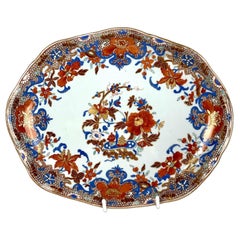
Antique Chamberlains Worcester Porcelain Dish in Kakiemon Style England Ca. 1810
By Chamberlains Worcester
Located in Katonah, NY
. Kakiemon originated from the Arita kilns in Japan during the 17th century and was named after the renowned
Category

Antique Early 19th Century English Regency Decorative Dishes and Vide-Poche

Materials

Porcelain

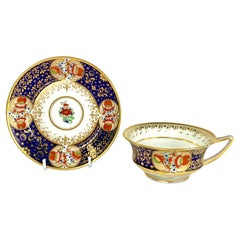
Very Large Antique Worcester Porcelain Cup Saucer Hand Painted England C. 1820
By Flight, Barr Barr Worcester
Located in Katonah, NY
porcelain body (Worcester replaced the yellow with gilt). The style emerged from the Arita kilns in Japan
Category

Antique Early 19th Century English Regency Tea Sets

Materials

Porcelain

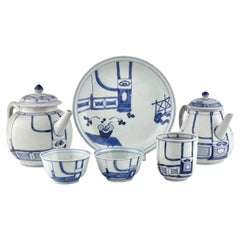
Rare Imari Pavilion Blue And White Tea Set C 1725, Qing Dynasty, Yongzheng Era
Located in seoul, KR
Qing Dynasty, influenced by Japanese Imari ware, which was produced in the Arita region of Japan. This
Category

Antique 18th Century Vietnamese Qing Antiquities

Materials

Ceramic

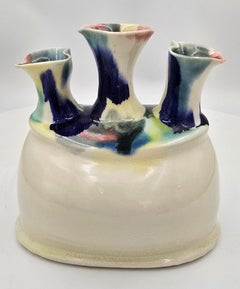
Vase with 3 Openings (Handmade, Pastel, Warm Tones, Smooth, Curvy)
By Melanie Sherman
Located in Kansas City, MO
led me to the renowned porcelain hub of Jingdezhen in China, as well as the Japanese porcelain export
Category

2010s Modern Sculptures

Materials

Porcelain, Glaze

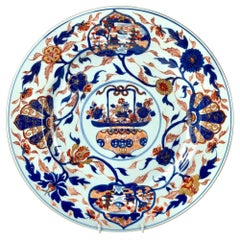
Large Imari Chinese Porcelain Charger 18th Century circa 1760
Located in Katonah, NY
late 17th century, Japanese potters in Arita first made export porcelains with elaborate gilt designs
Category

Antique Mid-18th Century Chinese Qing Ceramics

Materials

Porcelain

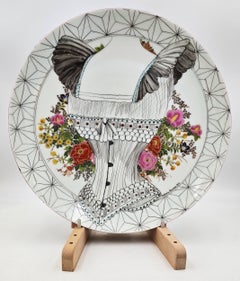
Large Corset Platter (Hand-painted, Baroque, Rococo, Feminine, Warm, ~30% OFF)
By Melanie Sherman
Located in Kansas City, MO
led me to the renowned porcelain hub of Jingdezhen in China, as well as the Japanese porcelain export
Category

2010s Baroque Sculptures

Materials

Porcelain, Glaze

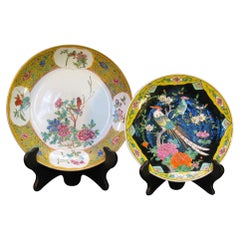
Chinese Famille Rose Porcelain Charger, 20th Century
Located in Ottawa, Ontario
Porcelain Plate Arita, Japan, 20th Century. Center painted with two phoenixes sitting on a flowering
Category

20th Century Chinese Chinese Export Porcelain

Materials

Porcelain

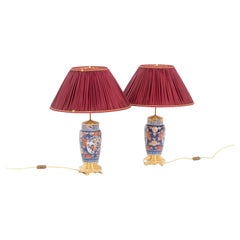
Pair of Imari porcelain and gilded bronze lamps. Circa 1880.
Located in Saint-Ouen, FR
)! Imari is a place of production of Japanese ceramics, otherwise known as “Arita porcelain”. This is the
Category

Antique 1880s Table Lamps

Materials

Porcelain

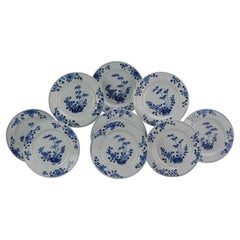
Antique Chinese Porcelain Qianlong Period Blue White Dinner Plate, 18th Century
Located in Amsterdam, Noord Holland
& Pottery Region of Origin: China Japanese Style: Arita, Imari Period: 18th century Qing (1661 - 1912) Age
Category

Antique 18th Century Chinese Dinner Plates

Materials

Porcelain

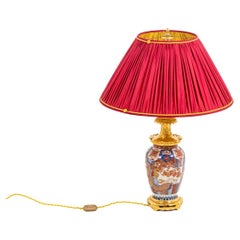
Lamp in Imari Porcelain and Gilt Bronze, circa 1880
Located in Saint-Ouen, FR
realize it with your size and color choices ! Imari is a place of production of Japanese ceramics
Category

Antique 1880s Table Lamps

Materials

Bronze

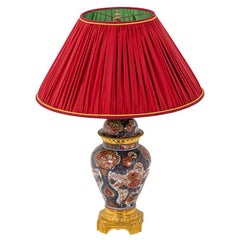
Lamp in Imari Porcelain and Gilt Bronze, circa 1880
Located in Saint-Ouen, FR
is a place of production of Japanese ceramics, otherwise known as “Arita porcelain”. It is the port
Category

Antique 19th Century Japonisme Table Lamps

Materials

Bronze

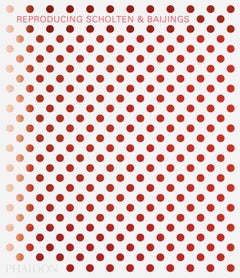
Reproducing Scholten and Baijings
Located in New York, NY
manufacturers and includes the stories behind collaborations with Maharam, MINI, Georg Jensen, 1616?/ Arita
Category

21st Century and Contemporary Chinese Books

Materials

Paper

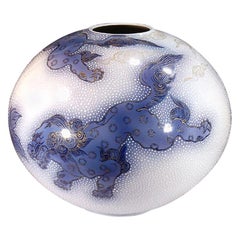
Contemporary Japanese Blue White Porcelain Vase by Master Artist, 3
Located in Takarazuka, JP
added a work by this artist to its collection of contemporary Japanese porcelain in the Imari-Arita
Category

21st Century and Contemporary Japanese Meiji Ceramics

Materials

Gold

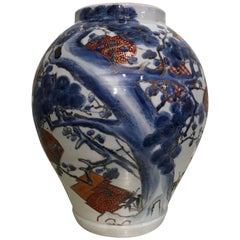
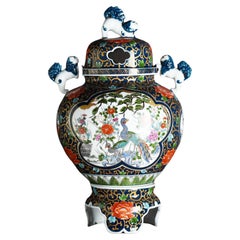
Large Japanese Arita Jar
Located in New York, NY
A large early 20th century Japanese Arita jar with beautifully detailed design of pine tree, cranes
Category

Early 20th Century Japanese Ceramics

Materials

Porcelain

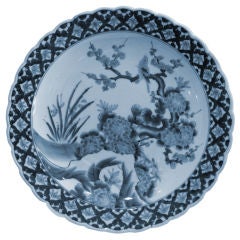
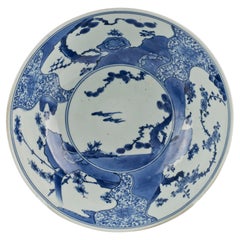
Japanese Arita Ware Charger
Located in Palm Desert, CA
A Japanese arita ware charger in blue and white with beautiful hand painted decoration of a prune
Category

Antique 19th Century Japanese Platters and Serveware

Materials

Ceramic

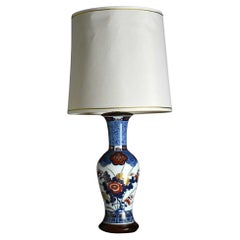
Japanese Arita "Sarasa" lamp
By Arita
Located in Shibuya City, JP
Hand-drawn. Originally, Sarasa referred to cloth with floral and bird motifs painted on it. Choosing the right lighting is an important point in effectively enhancing the atmosphere ...
Category

Mid-20th Century Japanese Japonisme Antiquities

Materials

Ceramic, Porcelain

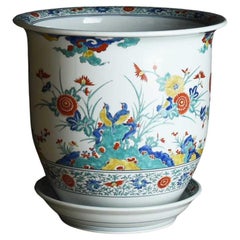
Japanese Arita Planter cover
By Arita
Located in Shibuya City, JP
The technique, reminiscent of Song dynasty red ceramics, used by Kakiemon is called "nigoshi-de" or "muddy brushstroke," which enhances the warm and childish charm of the piece by ap...
Category

Mid-20th Century Japanese Japonisme Ceramics

Materials

Ceramic, Porcelain

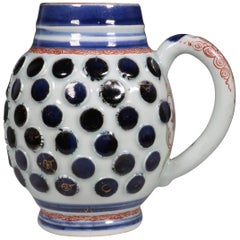
Rare Japanese Arita Imari Porcelain Westerwald Tankard, 17th-18th Century
Located in Frome, Somerset
A rare Japanese Arita Tankard. After a German stoneware, probably Westerwald late 17th century
Category

Antique Late 17th Century Japanese Ceramics

Materials

Porcelain

Japanese Arita "Koimari Botan" lamp
By Arita
Located in Shibuya City, JP
), with Arita (in Saga prefecture) as its center.
Category

Mid-20th Century Japanese Japonisme Antiquities

Materials

Ceramic, Porcelain

Japanese Arita "Yamakage" Handmade vase
By Arita
Located in Shibuya City, JP
Hand-drawn. Using gradations of sometsuke (Japanese underglaze blue) to create a sense of depth and
Category

Mid-20th Century Japanese Japonisme Ceramics

Materials

Ceramic, Porcelain

Japanese Arita "Koakae Kachouzu" vase
By Arita
Located in Shibuya City, JP
Hand-drawn. The crane is also considered a lucky motif as a long-lived creature. Ko-akae refers to the ancient style of wucai porcelain produced before the Wanli period (1573-1620) i...
Category

Mid-20th Century Japanese Japonisme Porcelain

Materials

Ceramic, Porcelain

Japanese Arita "Suichuuka" Handmade vase
By Arita
Located in Shibuya City, JP
Hand-drawn. Imagine a flower blooming in a vessel filled with water.
Category

Mid-20th Century Japanese Japonisme Ceramics

Materials

Ceramic, Porcelain

Japanese Arita "Koimari" planter cover small
By Arita
Located in Shibuya City, JP
during the Edo period. They have a mismatched feeling with both Western and Japanese styles, and make for
Category

Mid-20th Century Japanese Japonisme Ceramics

Materials

Ceramic, Porcelain

Japanese Arita "Koimari Kinkai" Ornamental vase
By Arita
Located in Shibuya City, JP
produced in the Hizen province centered around Arita (Arita-cho, Saga prefecture) which includes current
Category

Mid-20th Century Japanese Japonisme Porcelain

Materials

Ceramic, Porcelain

Japanese Arita "Sometsuke Shouchiiubai" Handmade vase
By Arita
Located in Shibuya City, JP
Hand-drawn. Japanese pine, bamboo, and plum are considered auspicious because they withstand the
Category

Mid-20th Century Japanese Japonisme Porcelain

Materials

Ceramic, Porcelain

Japanese Arita "Akadami MadoriKujaku" planter cover
By Arita
Located in Shibuya City, JP
brush containing ink. This technique is used to create a sense of mismatch in both Western and Japanese
Category

Mid-20th Century Japanese Japonisme Ceramics

Materials

Ceramic, Porcelain

Japanese Arita "Kinsai Shichihou" kamon vase
By Arita
Located in Shibuya City, JP
auspicious design often used in Buddhist art and Japanese craftwork.
Category

Mid-20th Century Japanese Japonisme Porcelain

Materials

Ceramic, Porcelain

Japanese Arita "Somenishiki Madorikachou" incence holder
By Arita
Located in Shibuya City, JP
"mantori" in Japanese. The term "mantori" literally means "inside the frame," referring to the painting
Category

Mid-20th Century Japanese Japonisme Porcelain

Materials

Ceramic, Porcelain

Large 17th Century Japanese Arita Bowl
By Arita
Located in Christchurch, GB
, at the wood fired kilns in Arita. The interior of the bowl very simply painted with Japanese scenes
Category

Antique 17th Century Japanese Edo Ceramics

Materials

Ceramic

Japanese Arita "Botan Jishi" Handmade vase
By Arita
Located in Shibuya City, JP
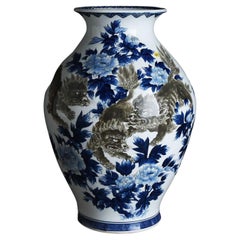
Hand-drawn. The lion represents a talismanic symbol for warding off evil. The peony, also known as the king of flowers, is a symbol of nobility and luxury among the hundred flowers.
Category

Mid-20th Century Japanese Japonisme Porcelain

Materials

Ceramic, Porcelain

Japanese Arita/Imari "Iwakikyou" soup pot
By Arita
Located in Shibuya City, JP
Hand-drawn. The kikyo pattern has long been popular in porcelain painting and decoration.
Category

Mid-20th Century Japanese Japonisme Ceramics

Materials

Ceramic, Porcelain

Japanese Arita "Koie" Handmade large plate
By Arita
Located in Shibuya City, JP
Hand-drawn. Decorative plates incorporate traditional designs that reflect the changing seasons. While staying true to tradition, new expressions suitable for the times are sought, a...
Category

Mid-20th Century Japanese Japonisme Ceramics

Materials

Ceramic, Porcelain

Japanese Arita "Kinran Temadori Kujaku" vase
By Arita
Located in Shibuya City, JP
Hand-painted. Kinrande is a type of porcelain featuring overglaze enamel and gold decoration, which gets its name from the resemblance of its lavish color scheme to gold brocade fabr...
Category

Mid-20th Century Japanese Japonisme Porcelain

Materials

Ceramic, Porcelain

Japanese Arita "Sometsuke Karakusabana" Handmade vase
By Arita
Located in Shibuya City, JP
Hand-drawn. Karakusa is a pattern of twining vines and has the meaning of "prosperity and longevity" as the vines grow vigorously without interruption. It is a very auspicious patter...
Category

Mid-20th Century Japanese Japonisme Porcelain

Materials

Ceramic, Porcelain

Japanese Arita "Gokujou Nishikihanakago Kikyoubuchi" vase
By Arita
Located in Shibuya City, JP
This is a hand-painted piece using the techniques of sometsuke (underglaze blue) and uwa-e (overglaze painting), resulting in a luxurious somenishiki (dyed brocade) piece. The design...
Category

Mid-20th Century Japanese Japonisme Porcelain

Materials

Ceramic, Porcelain

Japanese Arita "Sometsuke Damigiku" Handmade vase
By Arita
Located in Shibuya City, JP
Hand-drawn. "Dami" is a technique where an outline is drawn on the base and then thick brushes with ink are used to fill in the space.
Category

Mid-20th Century Japanese Japonisme Porcelain

Materials

Ceramic, Porcelain

Japanese Arita "Kinsai Kikubotan" ornamental vase
By Arita
Located in Shibuya City, JP
Hand-drawn. Peonies are known as the "king of flowers" and symbolize nobility and luxury. In China, they are also called "wealthy herb", "family deity", and "flower king", and have b...
Category

Mid-20th Century Japanese Japonisme Porcelain

Materials

Ceramic, Porcelain

Japanese Arita "Somenishiki Madori" houou vase
By Arita
Located in Shibuya City, JP
The phoenix is a symbol of peace and happiness and is considered to be auspicious. "Sometsuke" or blue and white porcelain is created by applying colored glaze directly onto an ungl...
Category

Mid-20th Century Japanese Japonisme Porcelain

Materials

Ceramic, Porcelain

Japanese Arita "Koakae Botan Kujaku" vase
By Arita
Located in Shibuya City, JP
Hand-drawn design featuring a combination of peonies and peacocks is a celebratory pattern. It elegantly expresses the joy of celebrating and is an ideal piece for celebratory events...
Category

Mid-20th Century Japanese Japonisme Porcelain

Materials

Ceramic, Porcelain

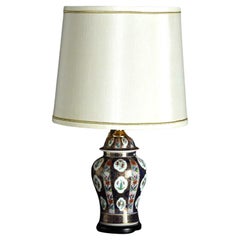
Pair of Lamped Japanese Arita Baluster Vases with Ormolu Mounts, circa 1910
Located in Salt Lake City, UT
Pair of lamped Japanese Arita baluster vases with ormolu mounts, (circa 1910) Japan Measures
Category

Early 20th Century Japanese Table Lamps

Materials

Ormolu

Japanese Arita "Iroe Shoubumon" ornamental vase L
By Arita
Located in Shibuya City, JP
(especially in martial arts), and the meaning of victory, as it is pronounced "Shoubu" in Japanese. This work
Category

Mid-20th Century Japanese Japonisme Porcelain

Materials

Ceramic, Porcelain

Japanese Arita "Kinrante Houou" Handmade ornamental vase
By Arita
Located in Shibuya City, JP
-de is a technique that originated during the prosperous Genroku period of the Edo era in Japan. Its
Category

Mid-20th Century Japanese Japonisme Porcelain

Materials

Ceramic, Porcelain

Japanese Arita/Imari "Shichihougiku Kachou" Handmade vase
By Arita
Located in Shibuya City, JP
Hand-drawn. "Shippo" is a technique in which circles are endlessly connected, and it symbolizes completeness, harmony, and fate. The technique used in this "Akae" style reminiscent o...
Category

Mid-20th Century Japanese Japonisme Porcelain

Materials

Ceramic, Porcelain

Japanese Arita "Gokujou Nishiki Hosokubi" Handmade vase
By Arita
Located in Shibuya City, JP
This is a luxurious piece of pottery made by hand and painted by hand using both sometsuke (blue and white) and ue-e (overglaze) techniques. The intricate design resembles layers of ...
Category

Mid-20th Century Japanese Japonisme Porcelain

Materials

Ceramic, Porcelain

Japanese Arita "Sometsuke shouchikubai" Handmade large vase
By Arita
Located in Shibuya City, JP
Hand-drawn. Pine, bamboo, and plum are considered auspicious because they endure the cold of winter and grow strong.
Category

Mid-20th Century Japanese Japonisme Porcelain

Materials

Ceramic, Porcelain

Japanese Arita "Somenishiki Madori Houou2 ornamental vase
By Arita
Located in Shibuya City, JP
Hand-painted. The phoenix is considered a symbol of peace, happiness, and good luck. Somenishiki refers to the process of painting directly onto the unglazed clay body, and then appl...
Category

Mid-20th Century Japanese Japonisme Porcelain

Materials

Ceramic, Porcelain

Japanese Arita "Somenishiki Madori Houou" ornamental vase
By Arita
Located in Shibuya City, JP
Hand-drawn. The lion on the lid has the meaning of warding off evil and bringing happiness. "Sometsuke" refers to a type of pottery where designs are painted directly onto unglazed p...
Category

Early 20th Century Japanese Japonisme Porcelain

Materials

Ceramic, Porcelain

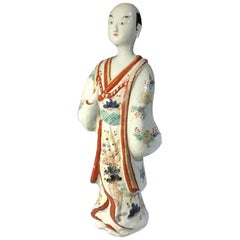
Japanese Arita Porcelain Figure of a Man, circa 1700
Located in Geelong, Victoria
Large Rare Japanese Arita porcelain figure of an actor, modelled standing in an alert manner with a
Category

Antique Early 18th Century Japanese Ceramics
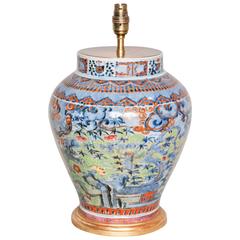
Early 18th Century Japanese Arita lamped Vase, circa 1680
Located in London, GB
A colourful Japanese Arita vase dating from ca. 1680 which has been clobbered in Europe, possibly
Category

Antique 1720s Japanese Table Lamps

Japanese Arita "Nishiki Kikubotan 15 Gou Katamaru" vase
By Arita
Located in Shibuya City, JP
Hand-drawn. The peony is known as the king of flowers, symbolizing nobility and luxury. In China, it is also called "Plant of wealth," "House god," and "King of flowers," and its bea...
Category

Mid-20th Century Japanese Japonisme Porcelain

Materials

Ceramic, Porcelain

Japanese Arita "Akadamiume 15 Gou" Handmade ornamental plate
By Arita
Located in Shibuya City, JP
Hand-drawn. The plum blossom is a motif that symbolizes patience, vitality, and the celebration of the New Year.
Category

Antique Mid-19th Century Japanese Japonisme Ceramics

Materials

Ceramic, Porcelain

  • 1
  • ...
Get Updated with New Arrivals
Save "Japanese Arita", and we’ll notify you when there are new listings in this category.

Japanese Arita For Sale on 1stDibs

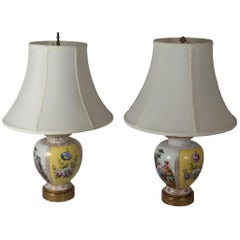
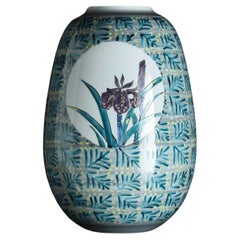
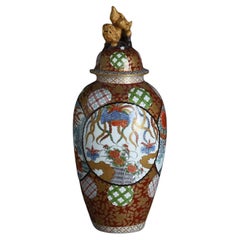
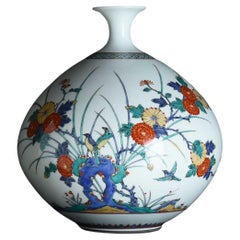
Find many varieties of an authentic Japanese arita available at 1stDibs. A Japanese arita — often made from ceramic, porcelain and earthenware — can elevate any home. There are 116 variations of the antique or vintage Japanese arita you’re looking for, while we also have 16 modern editions of this piece to choose from as well. Whether you’re looking for an older or newer Japanese arita, there are earlier versions available from the 18th Century and newer variations made as recently as the 21st Century. A Japanese arita, designed in the Modern style, is generally a popular piece of furniture. A well-made Japanese arita has long been a part of the offerings for many furniture designers and manufacturers, but those produced by Arita, 1616 / Arita Japan and Scholten Baijings are consistently popular.

How Much is a Japanese Arita?

A Japanese arita can differ in price owing to various characteristics — the average selling price 1stDibs is $1,484, while the lowest priced sells for $33 and the highest can go for as much as $29,374.
Questions About Japanese Arita
  • 1stDibs ExpertApril 5, 2022
    Japanese arita is a type of porcelain pottery made in the area surrounding the village Arita-cho in the Saga Prefecture of Japan. Pieces tend to feature ornate patterns in blue and white colors. However, some examples also incorporate red and green hues. On 1stDibs, shop a selection of Japanese arita porcelain ware.