Japanese Botanical Prints
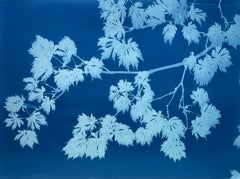
2010s Contemporary Still-life Photography
Paper, Archival Paper, Rag Paper, Monotype, Photogram

Recent Sales
1890s Edo Still-life Prints
Paper, Printer s Ink, Watercolor
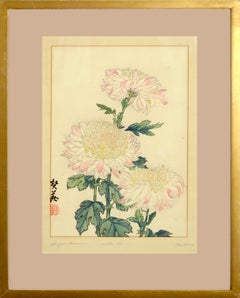
Keika HasegawaChrysanthemum, Plate 8 - Late 19th Century Botanical Japanese Woodblock Print, c.1890s
Late 19th Century Realist Still-life Prints
Woodcut, Paper
People Also Browsed
21st Century and Contemporary American Stools
Steel, Gold Leaf
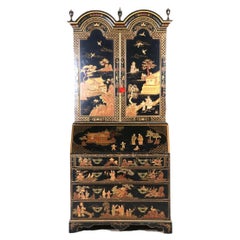
Mid-20th Century Chinoiserie Secretaires
Lacquer
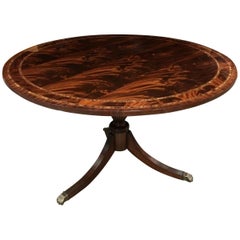
2010s American Georgian Center Tables
Mahogany
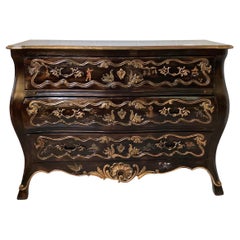
20th Century European Chinoiserie Commodes and Chests of Drawers
Hardwood
Vintage 1980s Italian Mid-Century Modern Wall Lights and Sconces
Brass
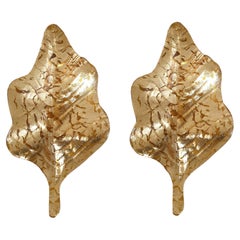
2010s Italian Modern Wall Lights and Sconces
Murano Glass
21st Century and Contemporary Italian Mid-Century Modern Wall Lights and...
Brass
Antique Early 1900s Dutch Delft and Faience
Delft, Paint
21st Century and Contemporary Belgian Modern Pillows and Throws
Cotton, Linen, Velvet, Polyester
20th Century American Louis XV Lounge Chairs
Upholstery, Wood
Vintage 1970s Italian Mid-Century Modern Wall Mirrors
Chrome
Vintage 1970s American Mid-Century Modern Credenzas
Chrome
21st Century and Contemporary Portuguese Modern Beds and Bed Frames
Linen, Bouclé, Mohair, Alpaca, Leather, Wood, Velvet, Fabric

20th Century Victorian Bookcases
Oak
Vintage 1950s Italian Mid-Century Modern Slipper Chairs
Brass
Vintage 1970s Italian Stools
Leather, Wood
Japanese Botanical Prints For Sale on 1stDibs
How Much are Japanese Botanical Prints?
Finding the Right Still-life-prints-works-on-paper for You
As part of the wall decor in your living room, dining room or elsewhere, original still-life prints and other still-life wall art can look sophisticated alongside your well-curated decorative objects and can help set the mood in a space.
Still-life art, which includes work produced in media such as painting, photography, video and more, is a popular genre in Western art. However, the depiction of still life in color goes back to Ancient Egypt, where paintings on the interior walls of tombs portrayed the objects — such as food — that a person would take into the afterlife. Ancient Greek and Roman mosaics and pottery also often depicted food. Indeed, popular still-life prints often feature food, flowers or man-made objects. By definition, still-life art represents anything that is considered inanimate.
During the Middle Ages, the still life genre was adapted by artists who illustrated religious manuscripts. A common theme of these still-life paintings is the reminder that life is fleeting. This is especially true of vanitas, a kind of still life with roots in the Netherlands during the 17th century, which was built on themes such as death and decay and featured skulls and objects such as rotten fruit. In northern Europe during the 1600s, painters consulted botanical texts to accurately depict the flowers that were the subject of their work.
While early examples were primarily figurative, you can find still lifes that belong to different schools and styles of painting and printmaking, such as Cubism, Impressionism and contemporary art.
Leonardo da Vinci’s penchant for observing phenomena in nature and filling notebooks with drawings and notes helped him improve as an artist of still-life paintings. Vincent van Gogh, an artist who made a couple of the most expensive paintings ever sold, carried out rich experiments with color over the course of painting hundreds of still lifes, and we can argue that Campbell’s Soup Cans (1961–62) by Andy Warhol counts as still-life art.
Still-life art enthusiasts and collectors of Warhol prints have lots of reasons to love the cultural icon — when Warhol brought the image of a Campbell’s soup can out of the supermarket and into the studio, in 1961, he secured his legacy as a radical contemporary artist. After Warhol painted the soup cans, he realized that he could more readily achieve the mass-produced aesthetic he was seeking with silkscreens, also called screen-prints, and he began experimenting with silkscreening on canvas. He used the technique to print paintings of Coke bottles and dollar bills (both in 1962), as well as his treasured Brillo box sculptures (1964).
When shopping for a still-life print, think about how it makes you feel and how the artist chose to represent its subject. When buying any art for your home, choose pieces that you connect with. If you’re shopping online, read the description of the work to learn about the artist and check the price and shipping information. Make sure that the works you choose complement or relate to your overall theme and furniture style. Artwork can either fit into your room’s color scheme or serve as an accent piece. Introduce new textures to a space by choosing an oil still-life painting.
On 1stDibs, the collection of still-life prints and other still-life wall art includes works by Jonas Wood, Alex Katz, Nina Tsoriti and many more.
- 1stDibs ExpertApril 5, 2022Japanese woodblock prints, which date back to the 8th century and are also known as ukiyo-e, are a traditional art form originally produced only in Buddhist monasteries to produce religious texts and images. In the 17th century, private studios began opening as woodblock prints became popular. To make a woodblock print, the artist creates a design on paper, and a wood carver places it on the block and carves the design. Each color requires its own woodblock, which are then covered with watercolors and printed on rice paper. On 1stDibs, find a variety of Japanese woodblock prints from top sellers around the world.
- 1stDibs ExpertMarch 13, 2024Yes, some Japanese woodblock prints are valuable. Prices vary greatly, with some selling for hundreds of dollars and others fetching selling prices of over a million at auction. Makers have a big influence on the price, with prints from masters like Hiroshige, Hokusai and Kitagawa Utamaro often having the greatest value. Other things that determine how much woodblock prints are worth include the quality of the image, the condition of the print, its age, its rarity and the demand among collectors. An expert appraiser or dealer can give you an estimate of the value of a particular print. Explore a selection of Japanese woodblock prints on 1stDibs.
- 1stDibs ExpertMay 30, 2024To identify Japanese woodblock prints, try using the website Ukiyo-e Search. Simply snap a photo of your print and upload it to the site, which will then compare the image to its database of thousands of prints and quickly display the results. If you have difficulty identifying your print, use the services of a certified appraiser or knowledgeable art dealer who has experience with Japanese art. Shop a large selection of Japanese woodblock prints on 1stDibs.
Read More
Revisiting Robert Rauschenberg’s Creative Rebellion on His 100th Birthday
A planet-wide celebration feels fitting for an artist who saw connections everywhere: between paint and photography, art and life, self and surroundings.
Red Grooms’s 3D Tugboat Is a Chaotic, Comic Take on New York Life
The sculptural lithograph is part of the inimitable artist’s “Ruckus” series, now on view at the Brooklyn Museum.
Joan Mitchell’s Rare, Late-Career Diptych Buzzes with Life
Beneath the inky blackness, the painter’s irrepressible energy electrifies this pair of intaglio prints.
The 1stDibs Guide to Types of Abstract Art
Get to know the key movements and artists who have influenced visual culture for more than a century.
Romare Bearden’s Humanity Infuses His Bright, Bold Art
Through collage, painting and printmaking, the artist foregrounded Black life in America in revolutionary new ways.
Andy Warhol and Suzie Frankfurt’s ‘Wild Raspberries’ Cookbook Is an Artful, Fanciful Delight
This set of recipes and original prints might not make you a better chef. But it will make you smile.
Art Brings the Drama in These Intriguing 1stDibs 50 Spaces
The world’s top designers explain how they display art to elicit the natural (and supernatural) energy of home interiors.
Welcome (Back) to the Wild, Wonderful World of Walasse Ting
Americans are rediscovering the globe-trotting painter and poet, who was connected to all sorts of art movements across a long and varied career.