Japanese Cloisonne Box
Antique Late 19th Century Japanese Meiji Decorative Boxes
Enamel, Silver
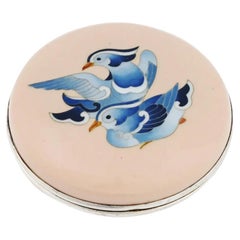

Late 20th Century Japanese Boxes
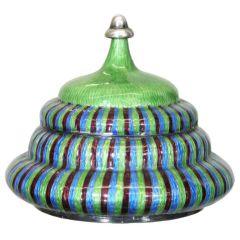
Early 20th Century Japanese Meiji Decorative Boxes
Copper, Enamel
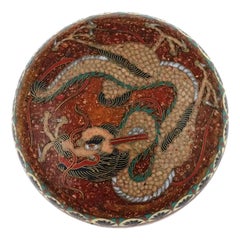
Antique 19th Century Japanese Meiji Decorative Boxes
Ceramic
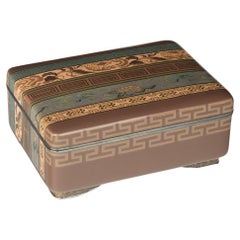
20th Century Japanese Meiji Metalwork
Metal
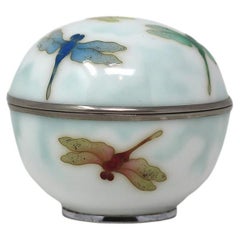
Antique Early 1900s Japanese Meiji Metalwork
Brass, Copper, Enamel, Foil
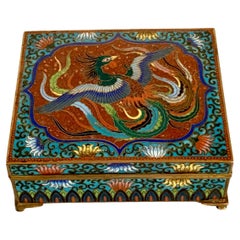
Antique 19th Century Japanese Meiji Metalwork
Enamel
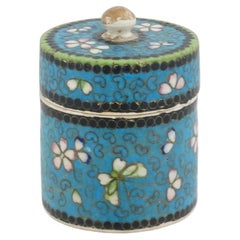
Antique Late 19th Century Japanese Meiji Metalwork
Copper, Enamel
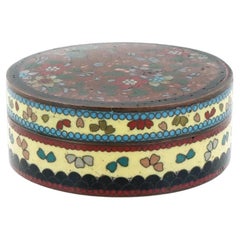
Antique Late 19th Century Japanese Meiji Metalwork
Enamel
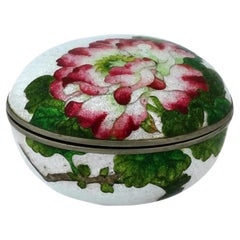
Antique Late 19th Century Japanese Japonisme Metalwork
Enamel
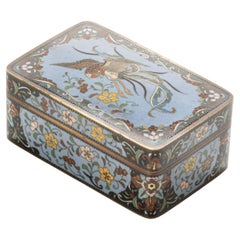
Antique 19th Century Japanese Meiji Metalwork
Enamel
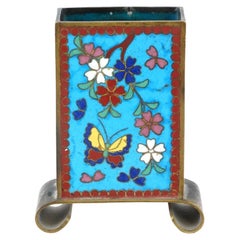
Antique 19th Century Japanese Metalwork
Enamel
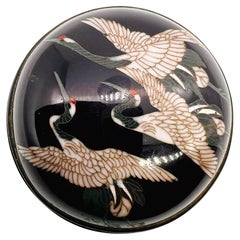
Antique 19th Century Japanese Metalwork
Enamel, Copper
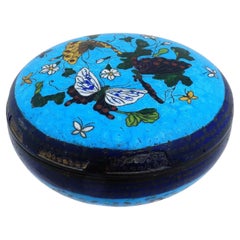
Antique 19th Century Japanese Metalwork
Copper, Enamel
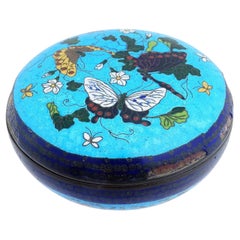
Early 20th Century Japanese Meiji Antiquities
Brass, Enamel
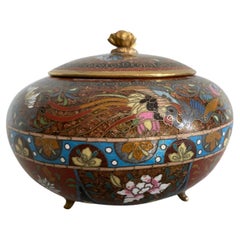
Antique Late 19th Century Metalwork
Enamel
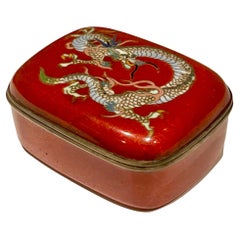
Antique Late 19th Century Japanese Metalwork
Enamel
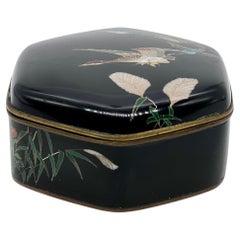
Antique Late 19th Century Japanese Meiji Metalwork
Enamel, Gold, Silver
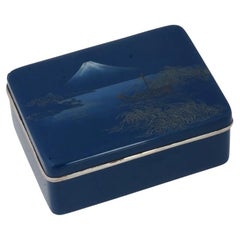
Early 20th Century Asian Ceramics
Metal
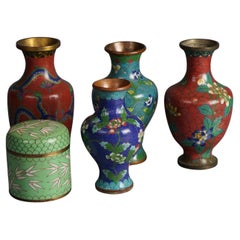
Early 20th Century Chinese Chinese Export Ceramics
Brass, Bronze
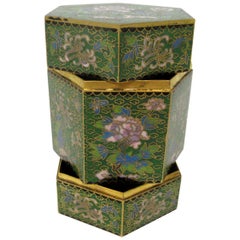
Antique Late 19th Century Japanese Japonisme Decorative Boxes
Metal
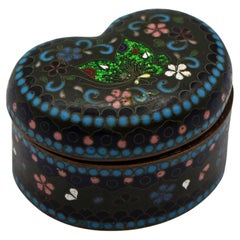
Mid-20th Century Asian Decorative Boxes
Metal, Enamel
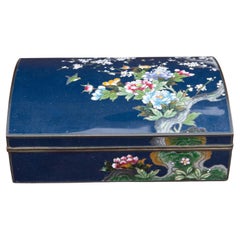
Early 20th Century Japanese Meiji Decorative Boxes
Metal, Brass, Enamel
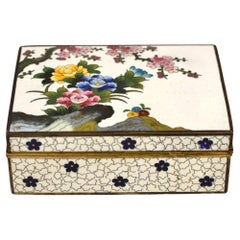
Antique Late 19th Century Japanese Decorative Boxes
Copper, Enamel
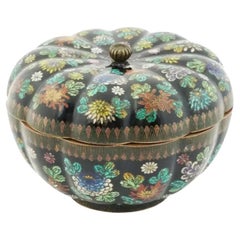
20th Century Japanese Anglo-Japanese Jewelry Boxes
Bronze
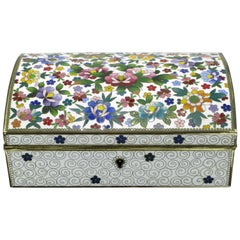
20th Century Japanese Decorative Boxes
Enamel
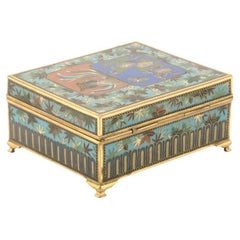
20th Century Japanese Decorative Boxes
Enamel, Copper
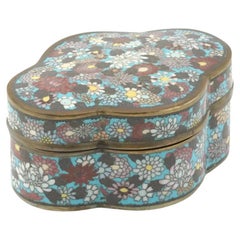
Early 20th Century Japanese Meiji Decorative Boxes
Brass, Copper, Enamel
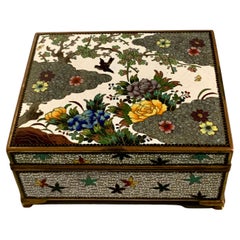
Antique Late 19th Century Japanese Meiji Decorative Boxes
Enamel, Copper
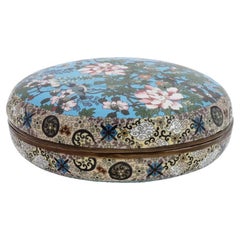
Antique Late 19th Century Japanese Meiji Decorative Boxes
Enamel, Copper
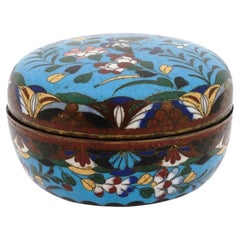
Antique Late 19th Century Japanese Meiji Decorative Boxes
Copper, Enamel
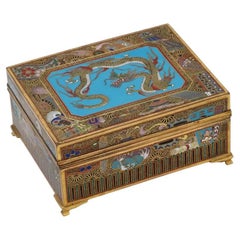
Vintage 1930s Japanese Showa Decorative Boxes
Copper, Enamel
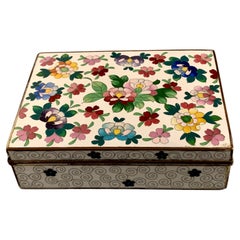
Antique Late 19th Century Japanese Other Decorative Boxes
Enamel
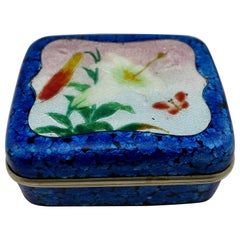
Early 20th Century Japanese Decorative Boxes
Brass, Enamel
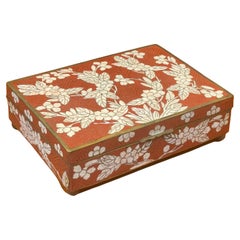
Vintage 1960s Japanese Mid-Century Modern Decorative Boxes
Bronze, Enamel
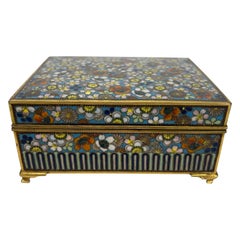
Antique Early 1900s Japanese Meiji Decorative Boxes
Brass, Copper, Enamel
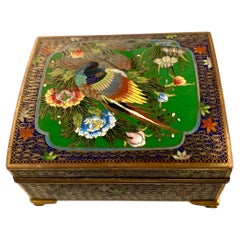
Antique Early 1900s Japanese Meiji Decorative Boxes
Brass, Copper, Enamel
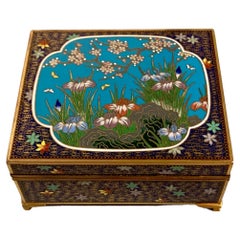
Vintage 1910s Japanese Meiji Decorative Boxes
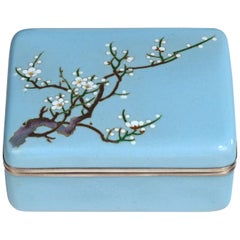
Antique 1890s Japanese Meiji Decorative Boxes
Bronze, Enamel
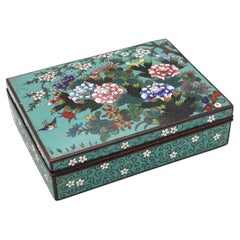
Antique Late 19th Century Japanese Meiji Jewelry Boxes
Brass
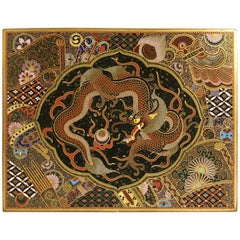
Vintage 1920s Japanese Taisho Metalwork
Brass, Copper, Enamel
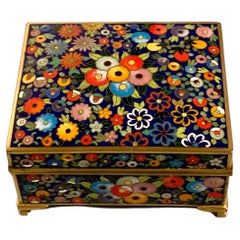
Mid-20th Century Japanese Chinoiserie Jewelry Boxes
Brass, Enamel
20th Century Japanese Showa Decorative Boxes
Ceramic
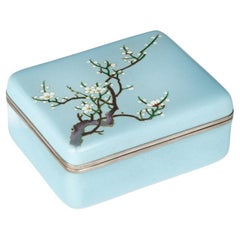
Vintage 1930s Japanese Art Deco Decorative Boxes
Brass
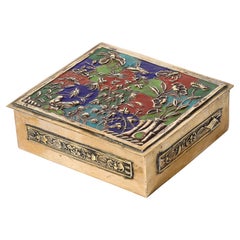
Antique 19th Century Japanese Snuff Boxes and Tobacco Boxes
Enamel, Brass
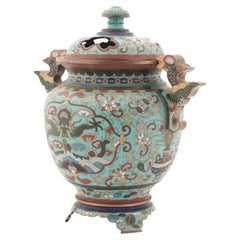
Antique 19th Century Japanese Meiji Metalwork
Enamel
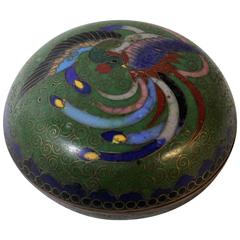
Antique Late 19th Century Japanese Meiji Metalwork
Enamel, Copper
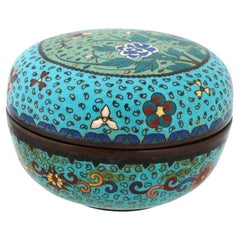
Antique 19th Century Japanese Metalwork
Copper, Bronze
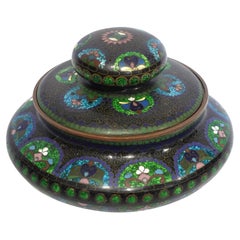
Vintage 1910s Asian Edwardian Decorative Boxes
Enamel
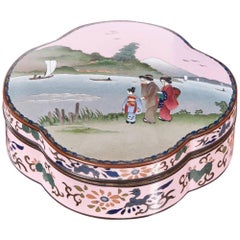
Antique 19th Century Japanese Meiji Metalwork
Enamel
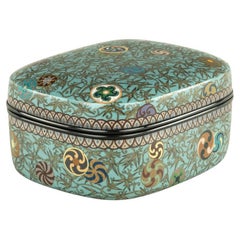
Antique 19th Century Japanese Meiji Metalwork
Silver, Enamel
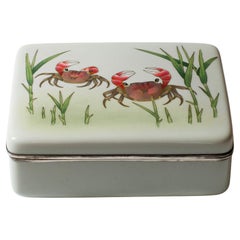
1990s Japanese Japonisme Decorative Boxes
Metal, Enamel
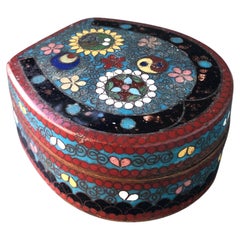
21st Century and Contemporary Japanese Bohemian Decorative Boxes
Enamel, Brass
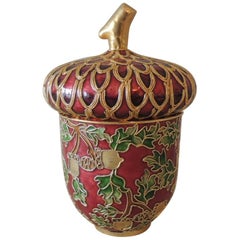
Antique 19th Century Japanese Meiji Metalwork
Metal, Enamel
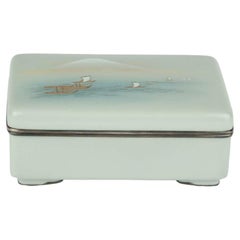
- 1
Japanese Cloisonne Box For Sale on 1stDibs
How Much is a Japanese Cloisonne Box?
- What is cloisonné worth?1 Answer1stDibs ExpertApril 8, 2024What a cloisonné piece is worth will depend on what type of piece it is, its condition, rarity and more.
Cloisonné (“cell” in French) is a technique in which thin wires of fine silver or gold are used to outline a design, which is then filled with enamel. The piece is subsequently placed in a kiln where the enamel is melted. Cloisonné is distinct because the individual wires remain visible, forming an outline of the motif. When it comes to jewelry design and other disciplines, cloisonné enamel was popular during the Byzantine Empire.
Collectors of authentic antique Chinese furniture and decorative objects know that Ming dynasty-era cloisonné objects are particularly coveted. Although ornamentation was minimal at the time, Ming dynasty furniture often featured carved or painted details of flowers, insects, dragons, fruits and other motifs.
As overseas trade expanded, techniques from the West, like cloisonné enamel painting, adorned table screens and other pieces. With respect to Ming-era cloisonné objects and furnishings, an elaborately decorated item featuring lots of vibrant colors and details is likely to be more valuable at auction than its minimally adorned counterpart (the same goes for Victorian cloisonné objects). Chinese cloisonné vases created during the Ming and Qing eras represent a golden age of Chinese furniture design.
Chinese cloisonné objects were frequently imported to Japan, where the technique wasn’t adopted until the 1800s. Although it was a time of societal and cultural shifts, a bolstered interest in art and design elevated Japanese craft traditions during the Meiji era, and today, Meiji-era cloisonné vases or incense burners in good condition are of great interest to collectors.
Find antique and vintage cloisonné objects on 1stDibs. - What is a Cloisonné box?1 Answer1stDibs ExpertApril 5, 2022Cloisonné is an ancient metalworking technique that creates a decorative design with enamels by the use of wire and metal strips. A Cloisonné box would be decorated in this process and used to store items like jewelry or other trinkets. Shop a collection of Cloisonné boxes from some of the world’s top sellers on 1stDibs.
- What is a Japanese puzzle box?1 Answer1stDibs ExpertFebruary 22, 2021A Japanese puzzle box, called himitsu-bako, are wooden boxes which keep items safe from theft through an intricate mechanical pattern. These boxes require specific steps moving the mechanism to release the obscured lid, opening to reveal the cavity within.
- 1stDibs ExpertApril 5, 2022To clean a Japanese lacquer box, start by moistening a soft lint-free cloth with warm water. Ring it out and then gently rub every surface. Do not use soap as it may damage the lacquer. Dry the box promptly with a second soft, dry lint-free cloth. On 1stDibs, find a variety of Japanese lacquer boxes.
- 1stDibs ExpertApril 5, 2022The inkstone was the most precious and permanent object in a Japanese writing set. It is a mortar used for mixing dry ink with water for the purposes of writing. You'll find a selection of Japanese writing boxes on 1stDibs.
Read More
How a Craving for Color Revolutionized Glass
After synthetic dyes changed fashion, home goods and printed matter, it was only a matter of time till glass caught up.
Kazuyo Sejima’s Flowering Tree Blooms Year-Round
The brilliantly simple design turns a modest bouquet into a major statement.
He Wrote ‘Oedipus Rex,’ but Do You Know What He Looked Like?
The Greek tragedian is said to have been handsome in his day.
Cigar Culture Was Once the Peak of Masculinity. Now, It’s a Compelling Curiosity
Even for those who don’t indulge, elegant smoking accessories and audacious art portraying cigar enthusiasts hold a nostalgic allure.
African Travel Plans on Hold? This Ardmore Leopard Vase Brings the Beauty of the Savanna to You
It’s an excellent example of the sought-after ceramics coming out of South Africa’s KwaZulu-Natal province.
With a High-Tech Flagship and Cool Collabs, Lladró Is Breaking the Mold for Porcelain Production
Thanks to its new leadership, the Spanish maker of figurines, busts and lighting is on a mission to update the art of porcelain for the 21st century.
Zoë Powell’s Magnolia 05 Vessel Is Handmade from Clay She Unearthed Herself
The free-form stoneware piece is inspired by the magnolia tree and its associations with home.
8 Ways to Breathe New Life into a Space with Plants
The pair behind the Instagram account @houseplantclub share their tips for making any room of the house gloriously green.