Japanese Edo Buddha
Antique 19th Century Japanese Edo Figurative Sculptures
Cypress
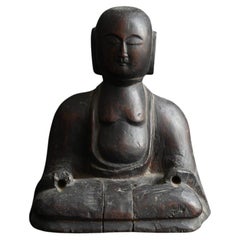
Antique Early 17th Century Japanese Edo Sculptures and Carvings
Stone
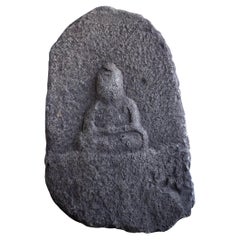
Antique 19th Century Japanese Edo Sculptures and Carvings
Cypress
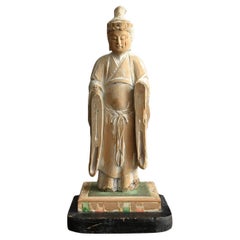
Antique 18th Century Japanese Edo Sculptures and Carvings
Rock Crystal
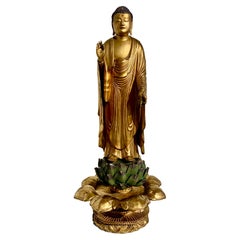
Antique Early 19th Century Japanese Edo Sculptures and Carvings
Bronze
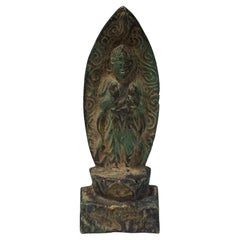
Antique 17th Century Japanese Edo Sculptures and Carvings
Cypress
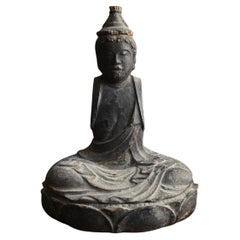
Antique Mid-18th Century Japanese Edo Statues
Stone
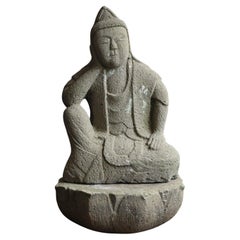
Antique Late 18th Century Japanese Edo Statues
Granite
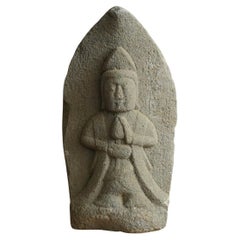
Antique 18th Century Japanese Edo Garden Ornaments
Stone, Granite
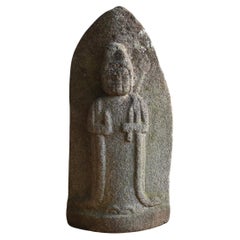
Antique 19th Century Japanese Edo Figurative Sculptures
Stone
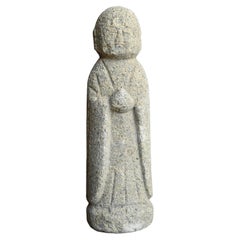
Antique 19th Century Japanese Edo Sculptures and Carvings
Wood
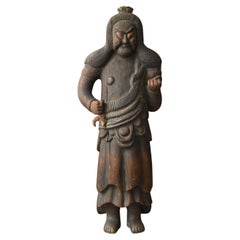
Antique Late 19th Century Japanese Edo Sculptures and Carvings
Lacquer, Wood
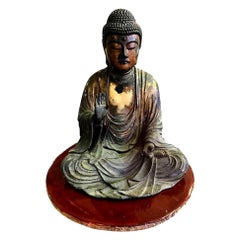
Antique 18th Century Japanese Edo Sculptures and Carvings
Stone
![Japanese antique stone god/[Daikokuten]/Stone Buddhas from the Edo period](https://a.1stdibscdn.com/japanese-antique-stone-god-daikokuten-stone-buddhas-from-the-edo-period-for-sale/f_54872/f_406808721721288384637/f_40680872_1721288385010_bg_processed.jpg?width=240 "Japanese antique stone god/[Daikokuten]/Stone Buddhas from the Edo period")
Antique 18th Century Japanese Edo Sculptures and Carvings
Cypress
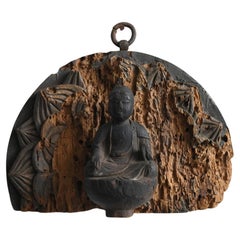
Antique 1820s Japanese Edo Sculptures and Carvings
Gold
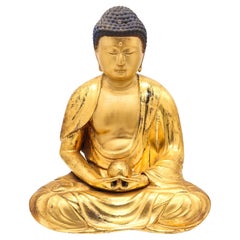

Antique 19th Century Japanese Edo Sculptures and Carvings
Wood, Giltwood, Lacquer
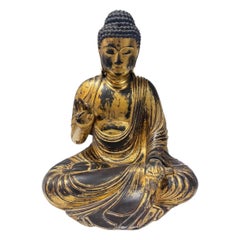
Antique 19th Century Japanese Edo Figurative Sculptures
Stone
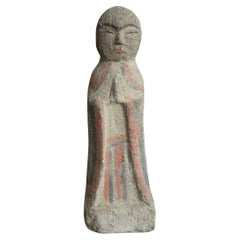
Antique Mid-19th Century Japanese Edo Sculptures and Carvings
Gold, Bronze, Gold Leaf
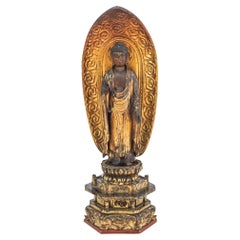
Antique Early 1800s Japanese Edo Sculptures and Carvings
Gold, Berlin Iron
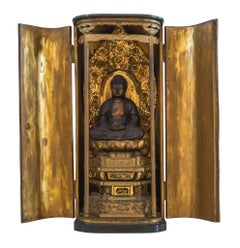
Antique 18th Century Japanese Edo Figurative Sculptures
Cypress
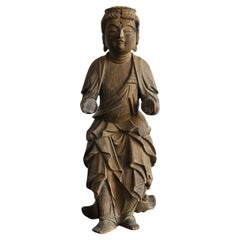
Antique Late 18th Century Japanese Japonisme Figurative Sculptures
Wood
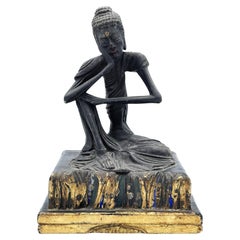
Antique 1750s Japanese Japonisme Figurative Sculptures
Stone
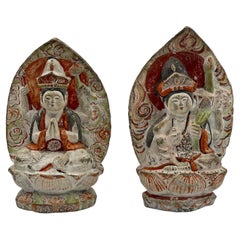
Antique 19th Century Japanese Edo Sculptures and Carvings
Cypress
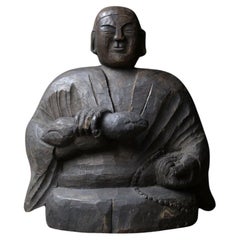
Antique 18th Century Japanese Edo Sculptures and Carvings
Wood
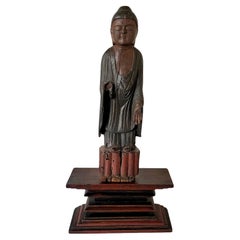
Antique 19th Century Japanese Edo Sculptures and Carvings
Granite
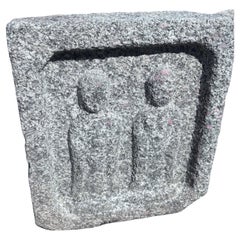
Early 20th Century Japanese Edo Sculptures and Carvings
Stone
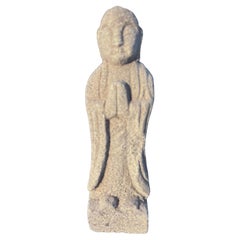
Antique 19th Century Japanese Edo Sculptures and Carvings
Cedar
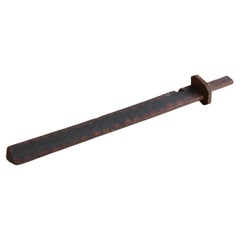
Antique 19th Century Japanese Edo Lacquer
Wood
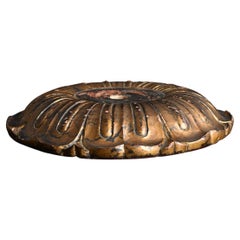
Antique 19th Century Japanese Edo Sculptures and Carvings
Gold Leaf
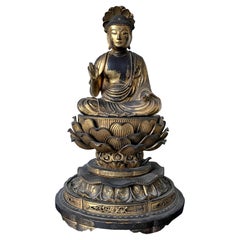
Antique 16th Century Japanese Edo Sculptures and Carvings
Rock Crystal
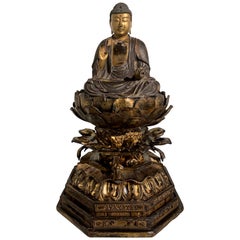
Antique Late 19th Century Japanese Edo Figurative Sculptures
Stone
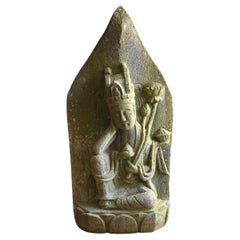
Antique 19th Century Japanese Edo Paintings and Screens
Metallic Thread
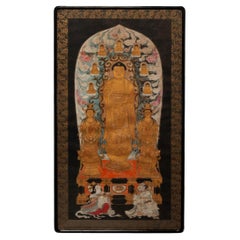
Antique 18th Century and Earlier Japanese Edo Lacquer
Lacquer
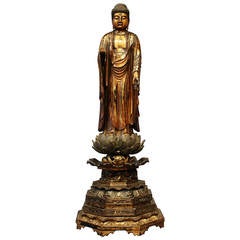
Antique Early 19th Century Japanese Edo Antiquities
Iron
Mid-19th Century Edo Landscape Prints
Handmade Paper, Washi Paper, Pigment, Woodcut
Antique Mid-18th Century Japanese Japonisme Antiquities
Lacquer
Antique 18th Century Japanese Edo Antiquities
Gold
Antique 18th Century Japanese Edo Antiquities
Wood
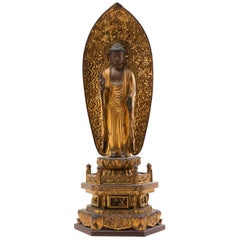
Antique 18th Century Japanese Edo Abstract Sculptures
Cypress
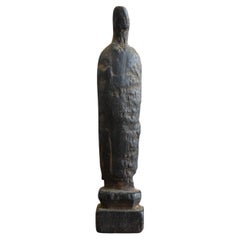
Antique 17th Century Japanese Edo Figurative Sculptures
Granite
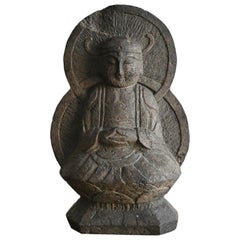
Antique 1790s Japanese Edo Sculptures and Carvings
Granite
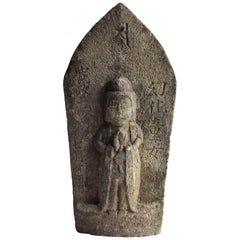
Antique 18th Century Japanese Edo Sculptures and Carvings
Stone
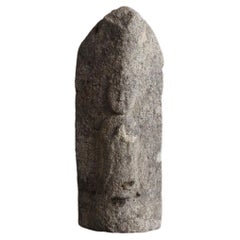
Antique Early 19th Century Japanese Edo Sculptures and Carvings
Wood
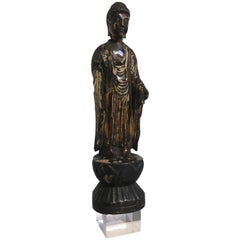
Antique Late 18th Century Japanese Edo Sculptures and Carvings
Stone
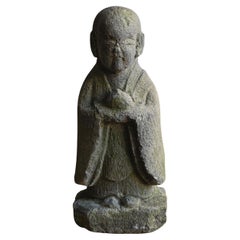
Antique Late 18th Century Japanese Edo Sculptures and Carvings
Granite
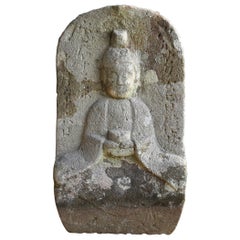
Antique Mid-18th Century Japanese Edo Abstract Sculptures
Granite
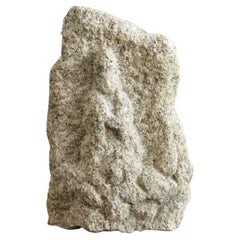
Antique Mid-18th Century Japanese Edo Sculptures and Carvings
Cypress
![Japanese Edo period wooden Buddha statue / [Benzaiten] / Wabi-sabi ornament](https://a.1stdibscdn.com/japanese-edo-period-wooden-buddha-statue-benzaiten-wabi-sabi-ornament-for-sale/f_54872/f_405393321720510002413/f_40539332_1720510002728_bg_processed.jpg?width=240 "Japanese Edo period wooden Buddha statue / [Benzaiten] / Wabi-sabi ornament")
Antique 18th Century Japanese Edo Sculptures and Carvings
Granite
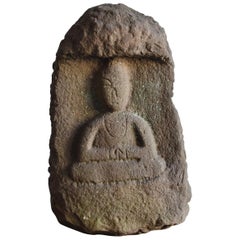
Antique 18th Century and Earlier Japanese Religious Items
Giltwood
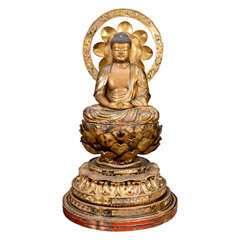
Antique Mid-19th Century Japanese Edo Sculptures
Giltwood
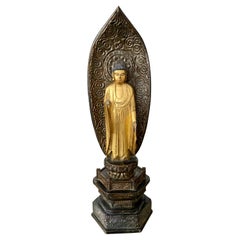
Antique Late 18th Century Japanese Edo Sculptures and Carvings
Other
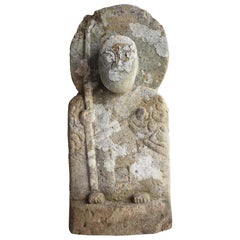
Antique Mid-18th Century Japanese Edo Sculptures and Carvings
Cypress
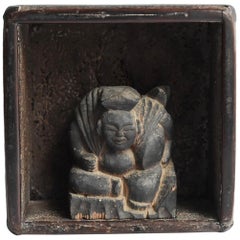
Early 20th Century Japanese Edo Figurative Sculptures
Cedar
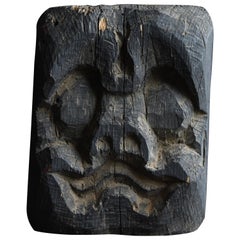
Antique Late 18th Century Japanese Edo Sculptures and Carvings
Other
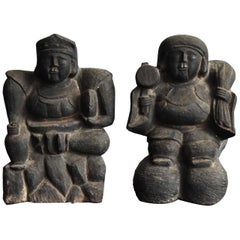
Antique 18th Century Japanese Edo Sculptures and Carvings
Wood, Lacquer
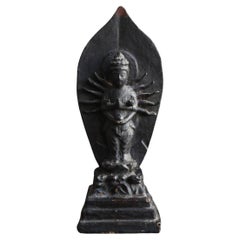
Antique 18th Century Japanese Edo Sculptures and Carvings
Other
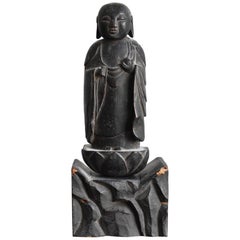
Antique 19th Century Japanese Edo Sculptures and Carvings
Stone
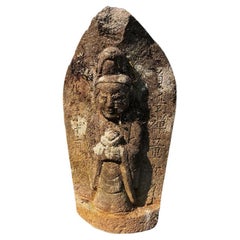
- 1
Japanese Edo Buddha For Sale on 1stDibs
How Much is a Japanese Edo Buddha?
A Close Look at Edo Furniture
Edo furniture was created during a flourishing time for the decorative arts owing to the stability of the Tokugawa shogunate rule in Japan. Spanning from 1603 to 1867, this era of peace and economic growth supported artistic advancements in lacquer, woodblock printing, porcelain and other artisanal trades. Because the country was largely isolated, there was little outside influence, leading to centuries of exceptional attention to the design of its furnishings and the quality of its traditional arts.
Unlike during the Meiji period that followed, with an increase in domestic and international markets, furniture during the Edo period was predominately commissioned by the ruling class, although people from across social groups benefited from the burgeoning metropolitan hubs for artisanal trades. For instance, Kyoto became a major center for lacquer art. Most furniture pieces were made from wood such as cedar or ash, including the era’s sashimono cabinets, which involved fine joinery and were rooted in the Heian period.
Sashimono cabinets, which were built by master craftsmen in a range of different wood types owing to the various trees that populate Japan, occasionally featured a stack of slender drawers as well as sliding doors. They were popular with everyone from samurai to kabuki actors. Tansu storage chests crafted from wood with metal fittings were also common in Edo-period homes. Some were designed to be easily portable while others were made to double as staircases.
Painted folding screens, called byōbu, were also fashionable, with Japanese artists inspired by nature, literature and scenes of history and daily life to create vivid works. In Buddhist temples and the palatial homes of the aristocratic class, fusuma, or large sliding panels, would sometimes be adorned with gold or silver leaf. These dividers allowed interiors to change throughout the day, closing in small spaces for personal use or reflecting candlelight to illuminate communal spaces after dark.
Find a collection of Edo tables, lighting, decorative objects, wall decorations and more furniture on 1stDibs.
- Is Buddha Chinese or Japanese?2 Answers1stDibs ExpertFebruary 22, 2021The Buddha's origins are Chinese, but Buddhism has since made its way to Japan and, later, Korea.
 Lotus GalleryMarch 17, 2021Gautama Buddha was an Indian prince born in modern day Nepal. The first images of the Buddha were created almost simultaneously in Mathura, India, and the Greco-Buddhist kingdom of Gandhara (modern day Pakistan and Afghanistan). From there, images fo the Buddha spread out along trade routes into East and Southeast Asia.