Japanese Edo Period Screens

to
29
106
41
186
67
115
4
2
1
1
1
134
96
92
84
81
183
182
180
2
186
186
186
2
1
1
1
1
Sort By
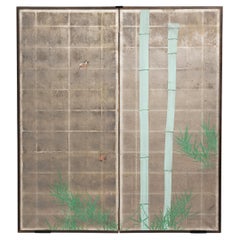
Japanese Silver Leaf Byobu Screen with Bamboo and Finches, c. 1800
Located in Chicago, IL
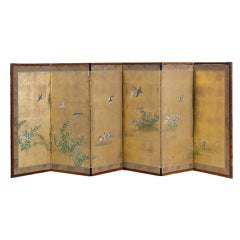
Paper folding screens known as byobu, or "wind walls," were used in Japanese homes to block drafts
Category

Antique Early 19th Century Japanese Edo Paintings and Screens

Materials

Silver

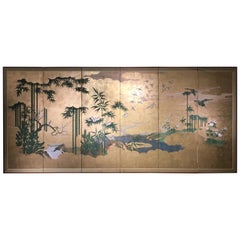
Japanese Six-Panel Screen, Sparrows and the Three Friends of Winter, circa 1800
Located in Austin, TX
A beautiful and elegant Japanese Edo period six-panel painted screen, byobu, 18th-19th century. The
Category

Antique Early 19th Century Japanese Edo Paintings and Screens

Materials

Gold Leaf

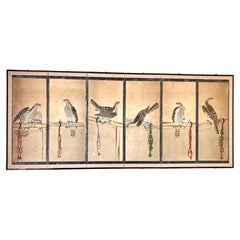
Antique Japanese Screen Painting in Ink and Colors Depicting Goshawks
Located in San Francisco, CA
A striking Japanese antique Edo period screen painting in ink and colors on paper, each of the 6
Category

Antique Early 1800s Japanese Edo Screens and Room Dividers

Materials

Paper

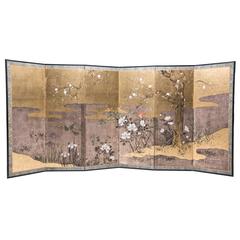
"Autumn Riverbank" Six-Panel Byobu Screen
Located in Chicago, IL
ephemeral beauty and the inevitability of change. Made around 1850 during Japan’s expressive Edo period, the
Category

Antique Mid-19th Century Japanese Paintings and Screens

Materials

Gold Leaf

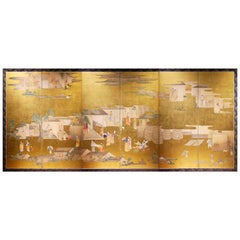
Edo Period Japanese Six-Fold Screen
Located in Paris, FR
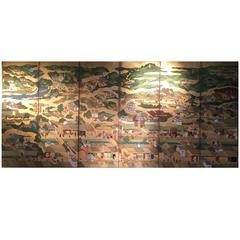
Edo period Japanese six-fold screen "Rakuchu Rakugai" depicting views in and around Kyoto with
Category

Antique 1830s Japanese Paintings and Screens

Materials

Gold Leaf

Edo Period Six Fold Japanese Screen
Located in New York, NY
An unusual and boldly painted 17th Century Japanese screen. Beautiful green, white and blue
Category

Antique 18th Century and Earlier Japanese Paintings and Screens

Materials

Wood

17th Century Japanese Paper Screen, Early Edo Period
Located in London, GB
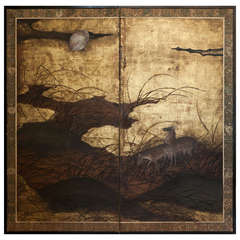
A two-fold paper screen painted in ink and colour on a gold ground, with later 19th century woven
Category

Antique 18th Century and Earlier Japanese Edo Paintings and Screens

Materials

Gold

Edo Period Lacquered Screen
Located in San Francisco, CA
A well painted Japanese mid size six panel screen featuring birds and flowers on a gilded ground
Category

Antique 19th Century Japanese Paintings and Screens

Materials

Wood, Paper, Paint, Ink

1800s Six Panel Japanese Screen From Edo Period
Located in Pasadena, CA
Signed Japanese screen from Edo period. 1800's. Hand painted on paper ground Apply gold Leaf. Frame
Category

Antique 19th Century Paintings and Screens
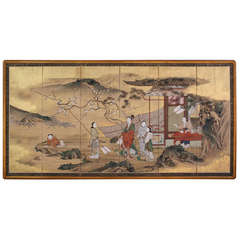
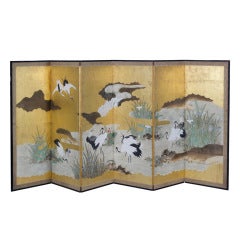
Fine Large Japanese Edo Period Painted Crane Screen, circa 1820
Located in San Francisco, CA
A large Japanese Edo period painted six-panel screen featuring cranes flying in gold clouds and
Category

Antique 19th Century Japanese Japonisme Paintings and Screens

Materials

Fabric, Wood, Paint, Paper

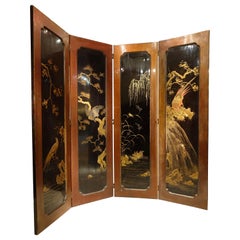
Four Leaf Screen in Lacquer Japan, circa 1900, Meiji Period
Located in Paris, FR
Four leaf screen in lacquer from Japan, circa 1900, Meiji period. Screen with four leaves in
Category

Antique Early 1900s Japanese Edo Paintings and Screens

Materials

Wood, Lacquer

Six-Fold Screen , Edo Period 18th Century
Located in New York, NY
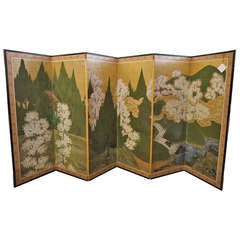
Japanese Edo period six-fold screen decorated with white spider chrysanthemums growing beside a
Category

Antique 18th Century and Earlier Screens and Room Dividers
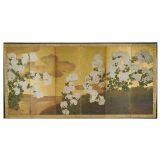
Important Pair Edo Period Six-Fold Screens, circa 1776
By Yoshimura Shuzan and Hokkyo Sotatsu Zu
Located in New York, NY
# T541 PAIR important Edo Period six-fold screens after Sotatsu, Rimpa School (front) and Yoshimura
Category

Antique 18th Century and Earlier Japanese Screens and Room Dividers

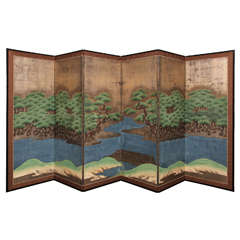
Edo Period (1603-1868) Hammamatsu Japanese Six-Fold Standing Screen
Located in New York, NY
'Hammamatsu' (Pines by a Beach) Japanese six-fold screen in ink, colors, gold and gofun on paper
Category

Antique 19th Century Japanese Edo Paintings and Screens

Materials

Lacquer, Paper

Late 18th Century, Japanese Folding Screen, Picture of Sericulture, Edo Period
Located in Central Hong-Kong, HK
the family undertook the weaving responsibility. The screen depicts the activities of women
Category

Antique Late 18th Century Japanese Edo Antiquities

Materials

Wood, Paper

  • 1
Get Updated with New Arrivals
Save "Japanese Edo Period Screens", and we’ll notify you when there are new listings in this category.

Japanese Edo Period Screens For Sale on 1stDibs

Find a variety of Japanese edo period screens available on 1stDibs. Frequently made of paper, fabric and silk, all Japanese edo period screens available were constructed with great care. There are all kinds of Japanese edo period screens available, from those produced as long ago as the 18th Century to those made as recently as the 20th Century. Japanese edo period screens have been a part of the life’s work for many furniture makers, but those produced by Ishida Yutei and Rimpa School are consistently popular.

How Much are Japanese Edo Period Screens?

Japanese edo period screens can differ in price owing to various characteristics — the average selling price at 1stDibs is $6,500, while the lowest priced sells for $750 and the highest can go for as much as $155,000.

Finding the Right Paintings-screens for You

Traditional Asian paintings were often created on scrolls and folding screens. Artisans made screens that could be folded up or spread out by connecting several panels using hinges. Today, antique Asian folding screens and paintings are sophisticated decorative accents that can serve as makeshift partitions to ensure privacy.

The original folding screens were created by Chinese artists. The earliest record of screens comes from the 2nd century B.C., and surviving examples date back to the Ming dynasty. Chinese painting utilizes many of the same tools as calligraphy — these screens were crafted from wood with painted panels featuring striking art or calligraphy that told cultural stories or represented nature and life in the area.

The practice was introduced to Japan, where paintings for screens were made on paper and silk, in the 8th century. These paintings frequently feature subjects such as landscapes, animals, flowers and Buddhist religious themes. Along with screens for tea ceremonies and dance backgrounds, there were screens for use in Shinto and Buddhist temples.

In the 17th century, screens began to be imported to Europe where their popularity grew. Coco Chanel famously collected Coromandel folding screens.

Traditional Asian paintings can make a tasteful addition to any wall, and screens can be used as decoration or, in the case of larger iterations, as an aesthetic way to divide a large room. Browse the selection of antique Asian paintings and screens from a variety of styles and eras on 1stDibs.