Japanese Folding Screens

to
30
273
192
580
61
6
8
5
3
2
2
1
66
191
323
67
72
100
20
6
10
6
6
4
4
6
2
1
359
307
281
231
214
609
589
552
36
8
647
641
643
22
2
2
1
1
Sort By
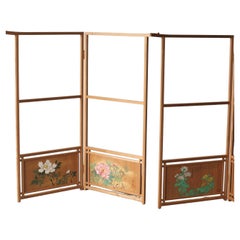
F8 Old Japanese Art Tea ceremony utensils Furosaki folding screen Wajima lacquer
Located in Niiza, JP
representative of Japan. It is a small folding screen, a type of tea ceremony utensil used to block the wind. It
Category

20th Century Japanese Lacquer

Materials

Wood, Lacquer

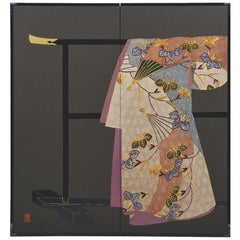
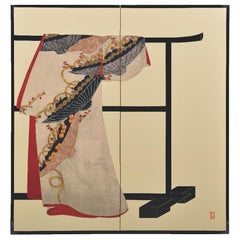
Japanese Contemporary Silk Brown Black Cream Two-Panel Folding Screen, 3
Located in Takarazuka, JP
Extraordinary contemporary Japanese two-panel "byobu" or folding screen showcasing genryoku style
Category

21st Century and Contemporary Japanese Meiji Decorative Art

Materials

Gold

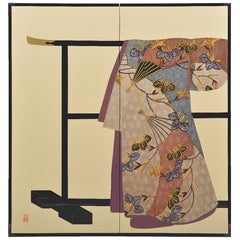
Japanese Contemporary Orange Black Cream Silk Two-Panel Folding Screen, 4
Located in Takarazuka, JP
Extraordinary Japanese contemporary two panel "byobu" or folding screen featuring genryoku style
Category

21st Century and Contemporary Japanese Meiji Decorative Art

Materials

Gold

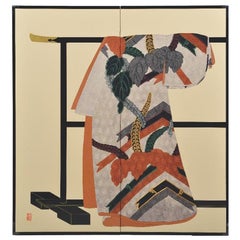
Japanese Contemporary Orange Black Silk Brocade Two-Panel Folding Screen, 3
Located in Takarazuka, JP
Extraordinary Japanese contemporary two panel "byobu" or folding screen featuring genryoku style
Category

21st Century and Contemporary Japanese Meiji Decorative Art

Materials

Gold

Japanese Antiques Clothes rack folding screen set of 2 by Ishimaru Senshu
Located in Niiza, JP
folded in half. Comes with a cloth to wrap it in. Folded Size: 740 (W) x 1410 (H) x 55 (D) [mm] Packing
Category

Antique 19th Century Japanese Furniture

Materials

Wood

Japanese Contemporary Silk Red Black Cream Hand-Crafted Two Panel Folding Screen
Located in Takarazuka, JP
Exceptional Japanese contemporary two panel "byobu" or folding screen featuring genryoku style
Category

21st Century and Contemporary Japanese Meiji Decorative Art

Materials

Gold

Kyonoshiki Hand Embroidered Folding Desktop Screen
Located in Pasadena, TX
This Kyonoshiki Folding screen is hand woven. It's done in the traditional style of the famous
Category

20th Century Japanese Chinese Export Tribal Art

Materials

Silk

B83 Kumiko folding screen Tea ceremony utensils
Located in Niiza, JP
Material: wood One piece: W880×H580mm×D17mm, Unfolded size: W1760mm Folded size: W880×H580×D35mm
Category

20th Century Japanese Furniture

Materials

Wood

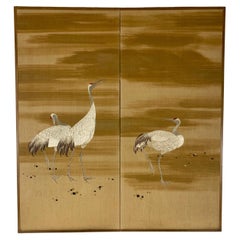
Asian Folding Hand Woven Screen of Cranes
Located in Denton, TX
Asian Folding Hand Woven 2 Panel Screen of Cranes.
Category

Mid-20th Century Japanese Anglo-Japanese Tapestries

Materials

Thread

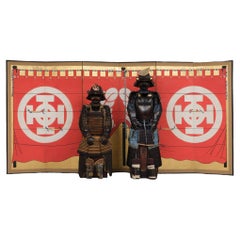
Rare set of 2 Japanese suits-of-armour, complete with 2 matching folding screens
Located in Amsterdam, NL
folding screens. The kurusu and kashiwa crests adorning the yoroi are elegantly replicated on the screens
Category

Antique 18th Century Japanese Antiquities

Materials

Gold Leaf, Iron, Metal

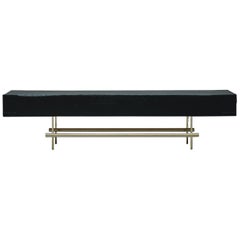
Console Light Table Ryosuke Harashima Contemporary Zen Japanese Craft Mingei
By Ryosuke Harashima
Located in Shibuya-ku, Tokyo
A low table by morphing a wooden box lid that stores two Japanese gold folding screens. The lights
Category

2010s Japanese Minimalist Console Tables

Materials

Brass

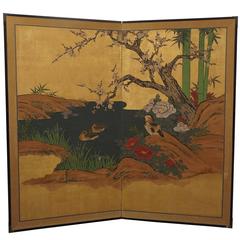
Japanese Folding Screen
Located in Hudson, NY
Japanese folding screen. Showa period. Two panels depicting a pair of ducks wading in a pond along
Category

20th Century Japanese Showa Paintings and Screens

Materials

Paper

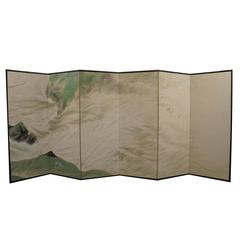
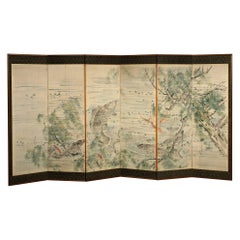
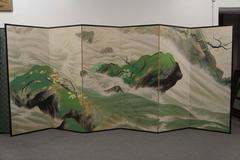
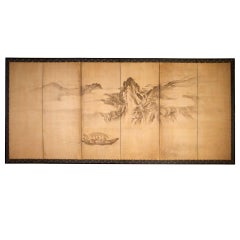
Six Panel Japanese Folding Screen
Located in Hudson, NY
Six panel Japanese folding screen. Ink and color on paper depicting raging river over rocks. One of
Category

20th Century Japanese Showa Paintings and Screens

Materials

Paper

Edo Period Japanese Folding Screen with Six Leafs
Located in Lisbon, PT
Edo period Japanese folding screen with six leafs.
Category

Antique 18th Century and Earlier Japanese Edo Screens and Room Dividers
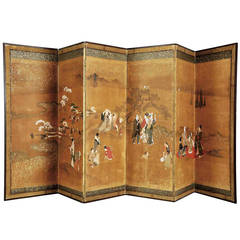
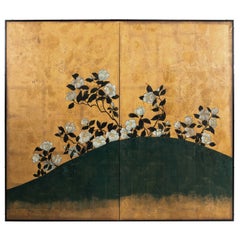
Hand Painted Japanese Folding Screen Byobu of Camellias
Located in 10 Chater Road, HK
) Traditional folding screens from Japan, known as Byobu - literally “protection from wind”, were originally
Category

21st Century and Contemporary Chinese Paintings and Screens

Materials

Gold Leaf

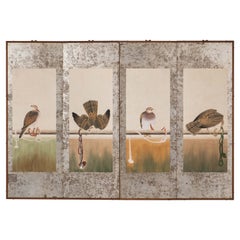
Hand Painted Japanese Folding Screen Byobu of Hawks
Located in 10 Chater Road, HK
) Traditional folding screens from Japan, known as Byobu - literally “protection from wind”, were originally
Category

21st Century and Contemporary Chinese Paintings and Screens

Materials

Silver Leaf

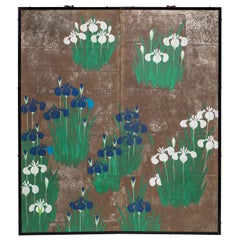
Hand Painted Japanese Folding Screen Byobu of Irises
Located in 10 Chater Road, HK
) Traditional folding screens from Japan, known as Byobu - literally “protection from wind”, were originally
Category

21st Century and Contemporary Chinese Paintings and Screens

Materials

Silver Leaf

Hand Painted Japanese Folding Screen Byobu of Chrysanthemum and Willows
Located in 10 Chater Road, HK
W x 140cm H) Traditional folding screens from Japan, known as Byobu - literally “protection from
Category

21st Century and Contemporary Chinese Paintings and Screens

Materials

Gold Leaf

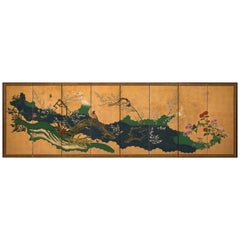
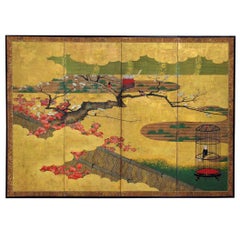
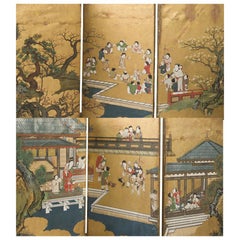
Japanese Folding Screen with a Spring Landscape, Kano School, 19th Century
Located in Milano, IT
. The screen is crossed by a luxuriant creek, a typical feature of the springtime.  
Category

Antique 19th Century Japanese Paintings and Screens
Materials

Paper

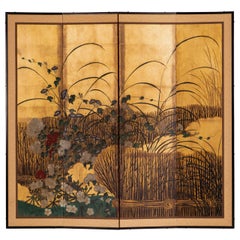
Hand Painted Japanese Folding Screen Byobu of Flowering Grasses and Bamboo
Located in 10 Chater Road, HK
" H (145cm W x 170cm H). Traditional folding screens from Japan, known as Byobu - literally
Category

21st Century and Contemporary Chinese Paintings and Screens

Materials

Gold Leaf

Pair of Japanese 18th Century Folding Screens
Located in Lisbon, IT
Pair of Japanese folding screens (3 leafs each).
Category

Antique 18th Century Japanese Paintings and Screens

Late 18th Century, Japanese Folding Screen with Carps, Edo Period
Located in Central Hong-Kong, HK
realistic quality. In this folding screen, the artist depicted every scales and intricate detail around the
Category

Antique Late 18th Century Japanese Edo Antiquities

Materials

Wood, Paper

Japanese Screen
Located in Stamford, CT
Charming two-panel Japanese folding screen.
Category

Early 20th Century Japanese Screens and Room Dividers
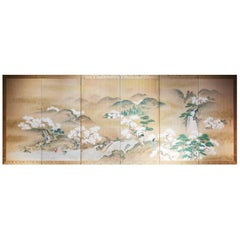
Late 19th Century, Japanese Folding Screen, Cherry Blossom Design, Edo Period
Located in Central Hong-Kong, HK
cherry tree blooming in the mountains, this six-panel folding screen painting depicts the arrival of the
Category

Antique Late 19th Century Japanese Edo Antiquities

Materials

Wood, Paper

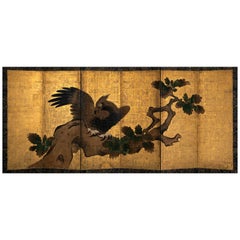
Late 16th Century, Japanese Folding Screen, Hawk on Oak tree, Momoyama Period
Located in Central Hong-Kong, HK
During Momoyama period, folding screen was the most developed painting format. At that time, the
Category

Antique 16th Century Japanese Other Antiquities

Materials

Wood, Paper

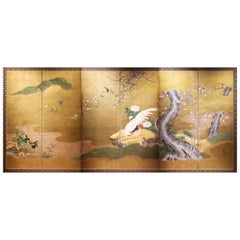
Early 19th, Japanese Folding Screen with Birds and Plum Trees, Edo period
Located in Central Hong-Kong, HK
Kare-e (Chinese style painting) has a profound influence on Japanese screen painting. Here in this
Category

Antique Early 19th Century Japanese Edo Antiquities

Materials

Wood, Paper

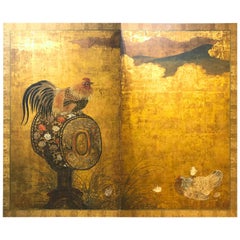
Early 18th Century, Japanese Folding Screen with Cock on Drum, Edo Period
Located in Central Hong-Kong, HK
. Mosses then began to grow on the unused drum and even a fowl rested on it. In Japan, the cock on a drum
Category

Antique Early 18th Century Japanese Edo Antiquities

Materials

Wood, Paper

Japanese Six Fold Screen
Located in Gravenmoer, NL
Japanese six fold screen with beautifully hand-painted image of chicken and other birds.
Category

20th Century Japanese Paintings and Screens
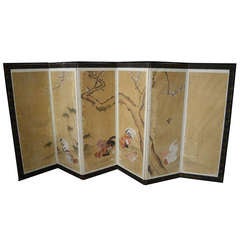
Japanese Six Panel Folding Screen
Located in Hudson, NY
Japanese Six Panel Folding Screen. Ink and color on paper depicting raging river over rocks. This
Category

20th Century Japanese Showa Paintings and Screens

Materials

Paper

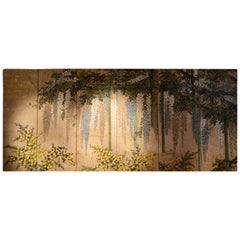
19th Century Japanese Six-Fold Screen
Located in Paris, FR
Japanese six-fold paper screen painted in ink and color with fuji (wisteria) in full bloom on a
Category

Antique Late 19th Century Japanese Paintings and Screens
Materials

Paper

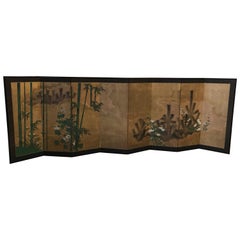
Japanese Eight Fold Screen with Bamboo
Located in New York, NY
A 19th century eight panel Japanese screen with bamboo, pines, and gold leaf clouds.
Category

Antique Mid-19th Century Japanese Paintings and Screens

Materials

Gold Leaf

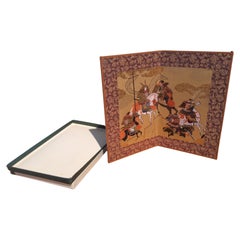
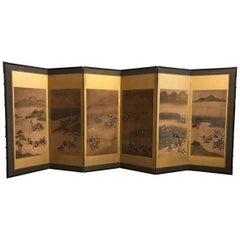
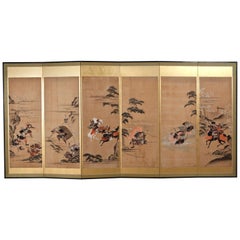
Six-Fold Japanese Screen with Samurai
Located in New York, NY
A six panel Japanese screen with separate finely painted and very detailed scenes of samurai in
Category

Antique Late 19th Century Japanese Paintings and Screens

Materials

Gold Leaf

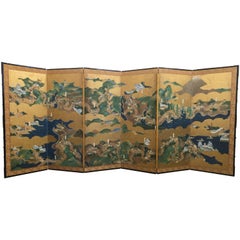
18th Century Six-Fold Japanese Screen "Tokaido"
Located in New York, NY
beautiful antique six-fold Japanese screen. The subject is "Tokaido", which features famous
Category

Antique Mid-18th Century Japanese Paintings and Screens

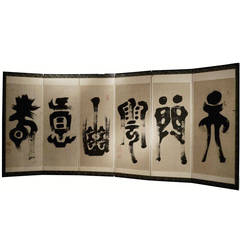
Japanese Six-Panel Folding Screen, 20th Century
Located in Paris, FR
Very contemporary ink on plain paper ground calligraphy screen. Several unknown seals. Japan
Category

Mid-20th Century Japanese Paintings and Screens

Materials

Paper

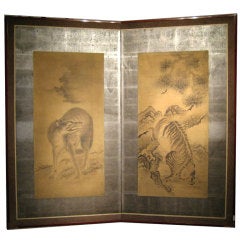
Wolf and Tiger folding screen from Japan.
Located in New York, NY
Wonderful old two panel screen depicting a wolf and moon with tiger and pine in ink with silver
Category

Antique 19th Century Japanese Paintings and Screens

Materials

Ink

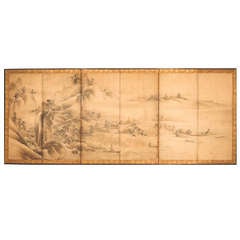
Japanese Six-Fold Screen
Located in London, GB
JAPANESE SIX-FOLD SCREEN painted in ink with soft red and green wash. Late Muromachi (1392-1573) or
Category

Antique 18th Century and Earlier Japanese Screens and Room Dividers

Materials

Ink, Paper

Byobu four-panel folding screen, Japan Showa era
Located in Saverne, Grand Est
are also two tears at the back. It is nevertheless in very good condition. Screen with artist's
Category

Mid-20th Century Japanese Showa Paintings and Screens

Materials

Silk

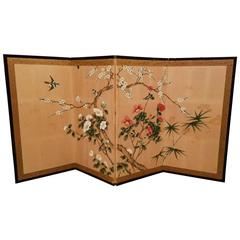
Antique Japanese Hand-Painted Four-Panel Folding Table Screen
Located in Miami, FL
Antique Japanese hand-painted four-panel folding table screen depicting birds, bamboo and flowering
Category

Antique Late 19th Century Japanese Meiji Paintings and Screens

Materials

Paper, Silk, Wood

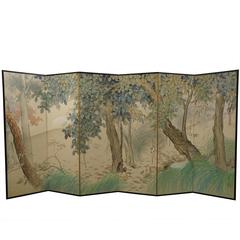
Japanese Folding Bayou
Located in Hudson, NY
Japanese folding bayou. Ink and color on paper depicting a series of oak trees with grasses in a
Category

20th Century Japanese Showa Paintings and Screens

Materials

Paper

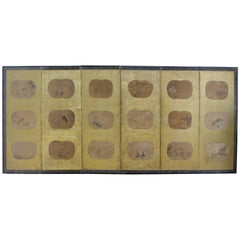
Antique Japanese Screen
Located in Gloucestershire, GB
Good 18th century six fold antique Japanese screen with many sections each containing different
Category

Antique 18th Century and Earlier Japanese Paintings and Screens

Materials

Wood, Paper, Lacquer, Paint

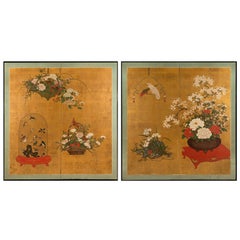
Pair of Japanese Two-Fold Screens with Flower Arrangements and Rare Birds
Located in Milano, IT
folding screens Ink, colors, gofun and gold leaf on paper Each 170 by 165 cm The term karamono
Category

Antique 18th Century Japanese Paintings and Screens

Materials

Paper

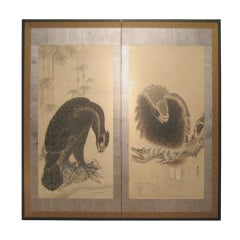
Japanese Screen with Hawks
Located in New York, NY
Japanese folding paper screen (byobu) with painting of Hawks at the waters edge.
Category

Antique 19th Century Japanese Paintings and Screens

Materials

Silver Leaf

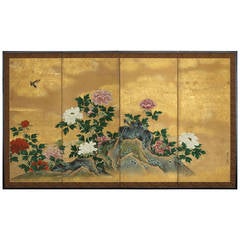
Birds and Peonies Four-Panel Folding Screen
Located in New York, NY
Four-panel folding screen with painting in ink and mineral colors on paper with gold leaf of a bird
Category

Antique Early 19th Century Japanese Edo Paintings and Screens

Materials

Paper

Japanese Golden 6-Leaf Folding Screen Painted
Located in Lisbon, IT
Folding with 6 leafs painted on paper with ink, watercolor and guache, depicting landscape scenes
Category

Antique 19th Century Screens and Room Dividers

Materials

Paper

20th Century Tomita Keisen Two-Fold Paper Screen
Located in TORINO, IT
Two-fold paper screen for tea cerimony (furosaki byobu), ink on paper and paulonia wood frame
Category

Early 20th Century Japanese Taisho Paintings and Screens

Materials

Paper

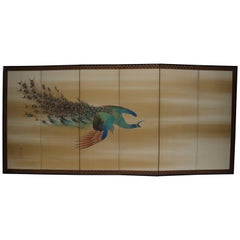
Six-Panel Peacock Folding Screen by Hirai Chokusui
By Hirai Chokusui
Located in Culver City, CA
This six-panel folding screen by Hirai Chokusui, which includes the artist's seal, depicts one of
Category

Early 20th Century Japanese Taisho Paintings and Screens

Materials

Wood, Paper

Japanese Nanga School Ink on Paper Six-Panel Folding Screen
Located in New York, NY
Japanese Nanga school six-panel screen, inks on paper in the idealized Chinese literati mode
Category

Antique 19th Century Japanese Screens and Room Dividers

Materials

Paper

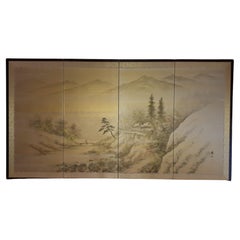
Mid 20th Century Japanese Four-Panel Folding Screen - Mountain Village on Lake
Located in Charlotte, NC
An Asian Japanese four-panel folding screen. Untitled, (Mountain Village on Lake). Unsigned, artist
Category

Mid-20th Century Japanese Anglo-Japanese Screens and Room Dividers

Materials

Metal

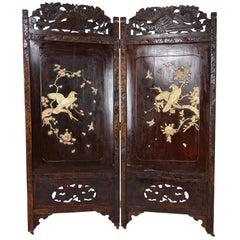
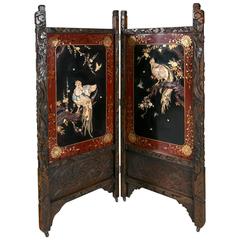
Shibayama Inlaid Carved Folding Screen, "Eagles", Japan, Meiji Era, circa 1890
Located in L Etang, FR
Folding screen / room divider. In carved, inlaid and lacquered wood. Carved with birds and
Category

Antique 1890s Japanese Meiji Screens and Room Dividers

Materials

Bone, Wood

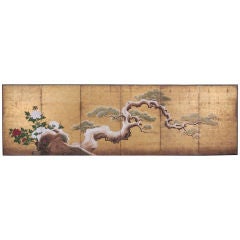
Exceptionally Large Japanese Screen with Pine Tree Peonies
Located in Seattle, WA
An exceptionally large and finely painted Japanese six-panel folding screen (byobu) depicting an
Category

Antique 18th Century and Earlier Japanese Paintings and Screens

Materials

Gold Leaf

18th Century Japanese Painted and Gold Leaf Four-Panel Folding Screen
Located in New York, NY
Edo Period Japanese four-panel screen, mineral pigments painted on gold leaf of an abstract
Category

Antique Mid-18th Century Japanese Edo Screens and Room Dividers

Materials

Gold Leaf

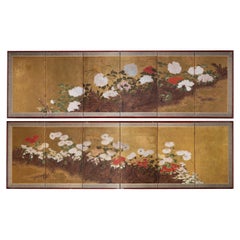
Pair of Six-Panel Folding Screens with Peonies and Other Flowers
Located in Milano, IT
A pair of six-panel folding screens with peonies and other flowers 19th century Each 72.5 by
Category

Antique 19th Century Japanese Paintings and Screens

Materials

Paper

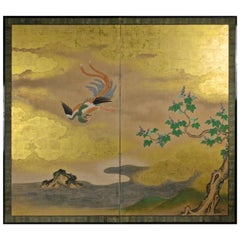
18th Century Kano School Golden Painted Folding Screen with Phoenix
By Kano School
Located in Berlin, Berlin
Wonderful two-panel folding screen with painting of a phoenix descending between gold clouds to a
Category

Antique Early 19th Century Japanese Edo Paintings and Screens

Materials

Gold Leaf

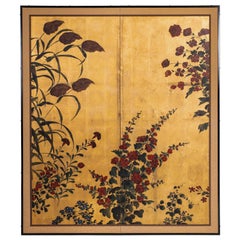
Japanese Two-Panel Silver Leaf Screen with Autumn Grasses
Located in Seattle, WA
Japanese two-panel folding screen, or byobu, depicting hagi (bush clover) and obana (flowering
Category

Early 20th Century Japanese Paintings and Screens

Materials

Silver Leaf

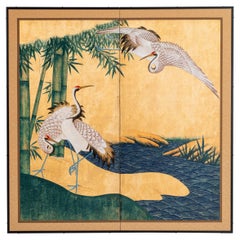
Contemporary Hand-Painted Japanese Screen of Cranes by the River
Located in 10 Chater Road, HK
support. Traditional folding screens from Japan, known as Byobu. Literally “protection from wind”, were
Category

2010s Chinese Paintings and Screens

Materials

Gold Leaf

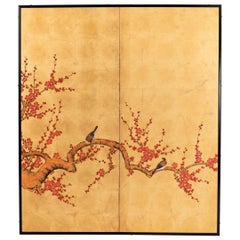
Contemporary Hand-Painted Japanese Screen of Red Plum Blossom and Birds
Located in 10 Chater Road, HK
provide support. Traditional folding screens from Japan, known as Byobu. Literally “protection from wind
Category

2010s Chinese Paintings and Screens

Materials

Gold Leaf

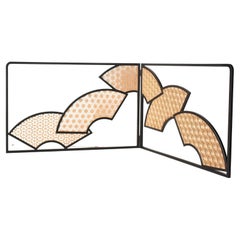
Phenomena, Colors, Keiji Takeuchi, 1st Edition, 2020
Located in Milan, IT
of aluminum beyond its functional use. My research led me to traditional Japanese folding screens
Category

21st Century and Contemporary Italian Minimalist Decorative Art

Materials

Aluminum

  • 1
  • ...
Get Updated with New Arrivals
Save "Japanese Folding Screens", and we’ll notify you when there are new listings in this category.

Japanese Folding Screens For Sale on 1stDibs

Find a variety of Japanese folding screens available on 1stDibs. Frequently made of paper, metal and wood, all Japanese folding screens available were constructed with great care. Find 148 antique and vintage Japanese folding screens at 1stDibs now, or shop our selection of 43 modern versions for a more contemporary example of this long-cherished furniture. Japanese folding screens have been made for many years, and versions that date back to the 18th Century alongside those produced as recently as the 21st Century. Japanese folding screens made by Art Deco designers — as well as those associated with Arts and Crafts — are very popular at 1stDibs. Japanese School, Ryosuke Harashima and Kano Tanshin each produced beautiful Japanese folding screens that are worth considering.

How Much are Japanese Folding Screens?

Japanese folding screens can differ in price owing to various characteristics — the average selling price at 1stDibs is $7,850, while the lowest priced sells for $248 and the highest can go for as much as $198,390.

Finding the Right Paintings-screens for You

Traditional Asian paintings were often created on scrolls and folding screens. Artisans made screens that could be folded up or spread out by connecting several panels using hinges. Today, antique Asian folding screens and paintings are sophisticated decorative accents that can serve as makeshift partitions to ensure privacy.

The original folding screens were created by Chinese artists. The earliest record of screens comes from the 2nd century B.C., and surviving examples date back to the Ming dynasty. Chinese painting utilizes many of the same tools as calligraphy — these screens were crafted from wood with painted panels featuring striking art or calligraphy that told cultural stories or represented nature and life in the area.

The practice was introduced to Japan, where paintings for screens were made on paper and silk, in the 8th century. These paintings frequently feature subjects such as landscapes, animals, flowers and Buddhist religious themes. Along with screens for tea ceremonies and dance backgrounds, there were screens for use in Shinto and Buddhist temples.

In the 17th century, screens began to be imported to Europe where their popularity grew. Coco Chanel famously collected Coromandel folding screens.

Traditional Asian paintings can make a tasteful addition to any wall, and screens can be used as decoration or, in the case of larger iterations, as an aesthetic way to divide a large room. Browse the selection of antique Asian paintings and screens from a variety of styles and eras on 1stDibs.

Questions About Japanese Folding Screens
  • 1stDibs ExpertAugust 17, 2021
    Japanese screens are called Byōbu and are made from many panels with beautiful calligraphy and paintings. These folding screens can be a decorative and interesting way to separate rooms in a living space. Find a collection of Japanese screens for sale on 1stDibs.
  • 1stDibs ExpertApril 5, 2022
    Japanese screen painting is the art of creating byōbu, or Japanese screens. Byōbu vary in subject matter and style. The screens are free-standing, portable and decorated with symbolic images or calligraphy. It is common to find byōbu in pairs with at least two panels. Shop a selection of byōbu on 1stDibs.

  • Lotus Gallery
    Lotus GalleryMarch 17, 2021
    A Japanese low screen was traditionally used while seated upon the floor. The low screen would block wind and drafts, provide limited privacy, and are often decorated with seasonal themes.