Japanese Glazed Pottery
Early 20th Century Japanese Showa Ceramics
Porcelain, Pottery, Paint
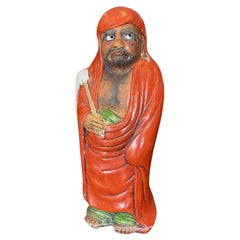
Mid-20th Century Japanese Showa Ceramics
Earthenware, Pottery
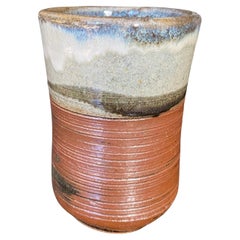
Mid-20th Century Japanese Showa Ceramics
Pottery, Stoneware
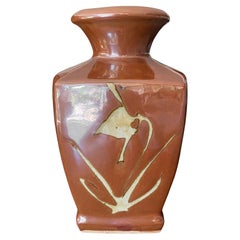
Mid-20th Century Japanese Showa Ceramics
Pottery, Stoneware
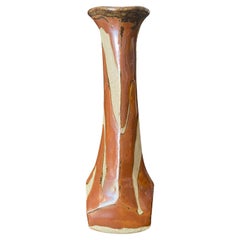
Mid-20th Century Japanese Showa Ceramics
Pottery, Stoneware
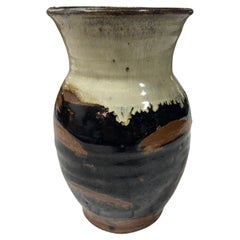
Mid-20th Century Japanese Japonisme Porcelain
Ceramic, Porcelain, Pottery
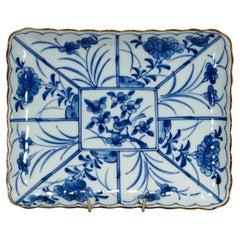
20th Century Japanese Ceramics
Stoneware
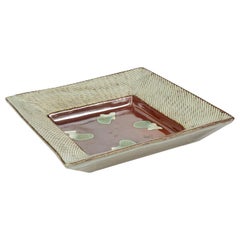
Antique 1890s Japanese Meiji Tableware
Pottery
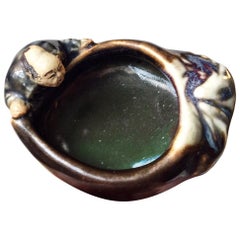
Mid-20th Century Japanese Vases
Pottery, Earthenware
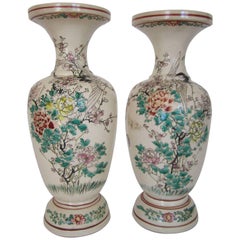

Early 20th Century Japanese Showa Ceramics
Pottery
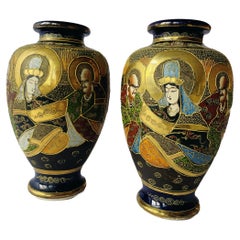
Antique 18th Century Japanese Edo Ceramics
Ceramic
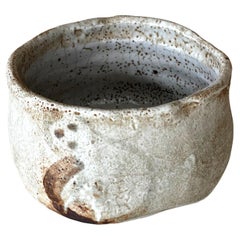
Vintage 1980s Japanese Modern Ceramics
Ceramic
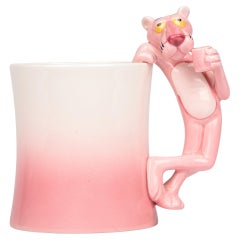
Vintage 1980s Japanese Modern Ceramics
Ceramic
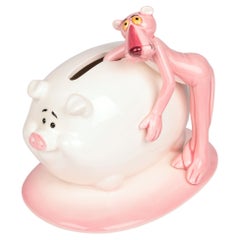
Early 20th Century Japanese Ceramics
Ceramic
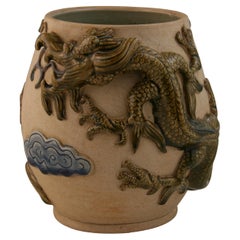
Vintage 1980s Japanese Modern Ceramics
Ceramic

20th Century Japanese Edo Ceramics
Ceramic
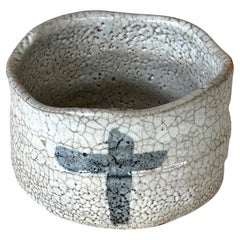
Vintage 1980s Japanese Post-Modern Ceramics
Ceramic, Porcelain, Pottery
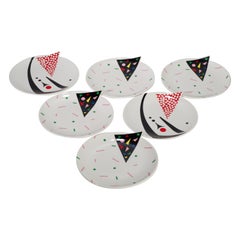
Vintage 1980s Japanese Post-Modern Serving Pieces
Ceramic, Porcelain, Pottery
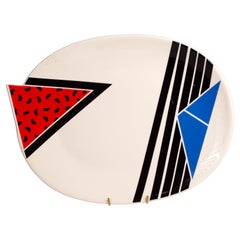
Vintage 1980s Japanese Modern Decorative Boxes
Ceramic
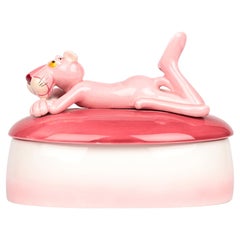
Vintage 1970s Japanese Ceramics
Ceramic
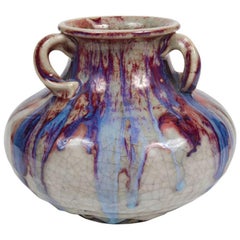
20th Century Japanese Chinoiserie Table Lamps
Brass
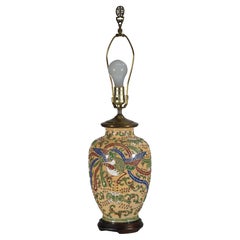
Antique 19th Century Japanese Edo Vases
Pottery
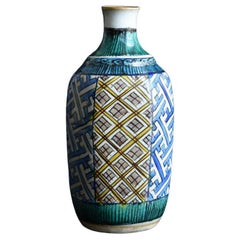
Vintage 1980s Japanese Post-Modern Vases
Ceramic
Vintage 1980s Japanese Post-Modern Vases
Ceramic
20th Century Japanese Modern Vases
Stoneware
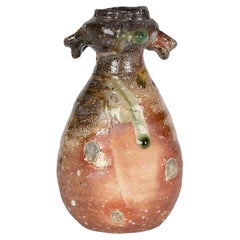
Late 20th Century Anglo-Japanese Vases
Ceramic
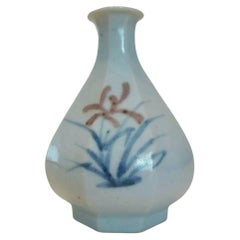
Vintage 1960s Dutch Vases
Pottery
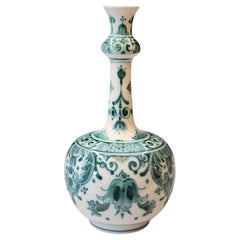
Antique Late 19th Century Japanese Meiji Ceramics
Pottery
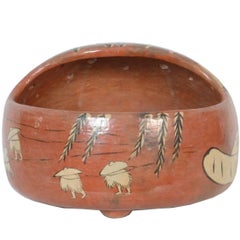
Mid-20th Century Japanese Showa Ceramics
Ceramic, Pottery
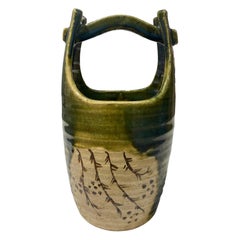
Mid-20th Century Japanese Showa Ceramics
Ceramic, Pottery
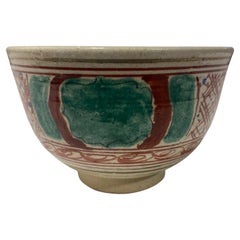
20th Century Japanese Scandinavian Modern Barware
Ceramic, Pottery
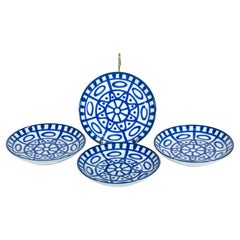
Vintage 1980s Japanese Mid-Century Modern Platters and Serveware
Pottery
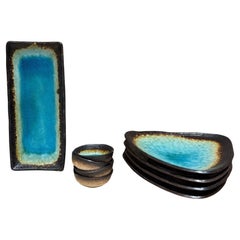
Vintage 1980s Japanese Chinoiserie Barware
Ceramic, Porcelain, Pottery
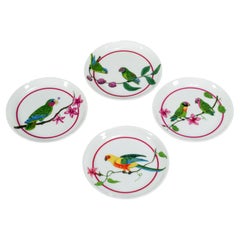
20th Century Japanese Chinoiserie Table Lamps
Brass
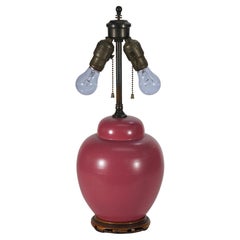
Mid-20th Century Japanese Mid-Century Modern Vases
Ceramic, Pottery
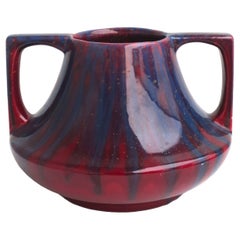
Antique Late 19th Century French Art Nouveau Vases
Stoneware
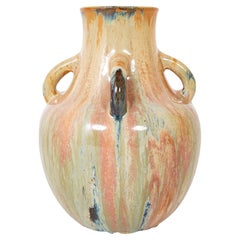
2010s Contemporary Still-life Prints
Paper, Archival Paper, Rag Paper, Monotype, Photogram
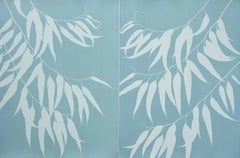
2010s Contemporary Still-life Prints
Paper, Archival Paper, Rag Paper, Monotype, Photogram
2010s Contemporary Still-life Photography
Paper, Archival Paper, Rag Paper, Monotype, Photogram
2010s Contemporary Still-life Prints
Paper, Archival Paper, Rag Paper, Monotype, Photogram
2010s Contemporary Still-life Prints
Paper, Archival Paper, Rag Paper, Monotype, Photogram

2010s Contemporary Still-life Prints
Paper, Archival Paper, Rag Paper, Monotype, Photogram
Antique 19th Century Japanese Ceramics
Earthenware
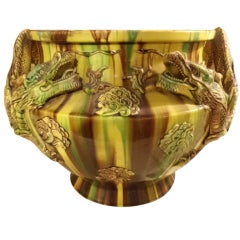
Antique Mid-19th Century Japanese Meiji Ceramics
Pottery
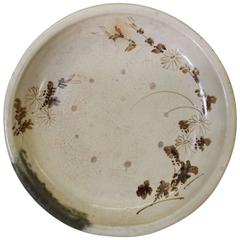
Vintage 1930s Japanese Art Nouveau Ceramics
Ceramic, Stoneware
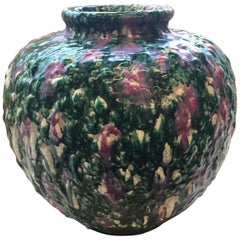
Antique Late 19th Century Japanese Ceramics
Earthenware
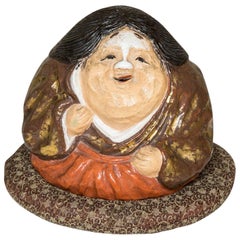
Mid-20th Century Japanese Mid-Century Modern Decorative Bowls
Earthenware
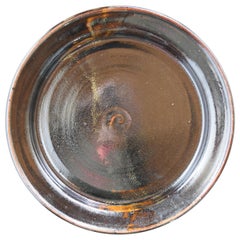
Antique 17th Century Japanese Edo Animal Sculptures
Pottery
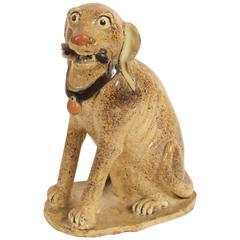
Antique Late 19th Century Japanese Ceramics
Pottery
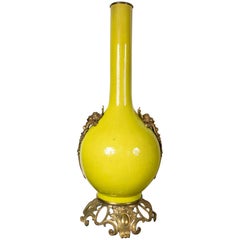
Antique 19th Century Japanese Vases
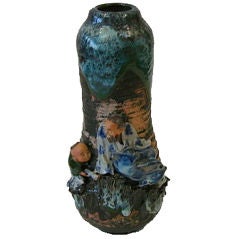
Antique 19th Century Japanese Tea Sets
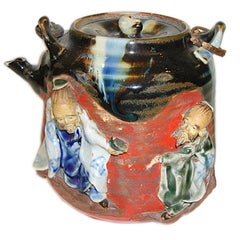
Antique 19th Century Japanese Tea Sets
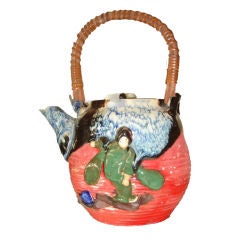
Antique 19th Century Japanese Centerpieces

Antique 19th Century Japanese Vases
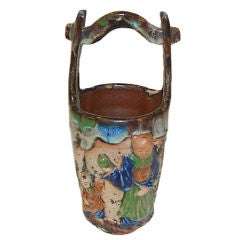
Antique 19th Century Japanese Vases
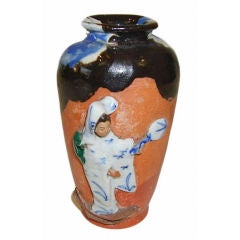
Antique 19th Century Japanese Vases
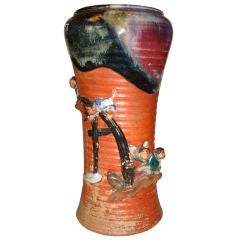
Antique 19th Century Japanese Vases
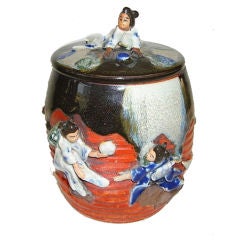
- 1
- ...
Japanese Glazed Pottery For Sale on 1stDibs
How Much is a Japanese Glazed Pottery?
- What is Oribe glaze pottery?1 Answer1stDibs ExpertApril 5, 2022Oribe glaze pottery is a type of Japanese pottery that emerged during the 16th century. The term describes pieces that feature colorful, whimsical glaze finishes. Many pieces also have irregular or unusual shapes. On 1stDibs, shop a wide variety of pottery.
- What is Japanese pottery called?1 Answer1stDibs ExpertApril 5, 2022Japanese pottery is called tojiki or yakimono. Various types have names of their own. For example, porcelain made during the Edo period is arita-yaki, while blue and white porcelain is seto-mono. On 1stDibs, shop a selection of Japanese pottery on 1stDibs.
- 1stDibs ExpertMay 3, 2024Opinions vary as to what is the most famous type of Japanese pottery. A few kinds of pottery that originated in Japan have gained fame and are popular with collectors. Among them are Arita or Imari ware, Seto ware, Mino ware, Tokoname ware, Shigaraki ware, Kutani ware and Onta ware. Shop a wide variety of Japanese pottery on 1stDibs.
- 1stDibs ExpertApril 5, 2022There are 47 different prefectures in Japan and each one produces ceramic ware and pottery unique to that region. Japanese Pottery, known as Tojiki or Yakimono, combines art and tradition and reflects the culture of the region. Shop a collection of Japanese pottery from some of the world’s top sellers on 1stDibs.
- Is Japanese pottery valuable?1 Answer1stDibs ExpertApril 26, 2024Yes, some Japanese pottery is valuable. Generally, the type, style, age, maker and condition affect how much a particular piece is worth. Some varieties of Japanese pottery that often sell for high prices due to demand among collectors include Imari ware, Mino ware and Seto ware. A certified appraiser or knowledgeable antique dealer can give you specific information about whether a particular piece is valuable. On 1stDibs, shop a diverse assortment of Japanese pottery.
- 1stDibs ExpertAugust 8, 2024To tell if your Japanese pottery is antique, look for markings, which usually appear on the bottoms of pieces. If you see the word "Nippon," your piece was likely produced between 1891 and 1921, making it an antique. Pieces marked with the words "made in occupied Japan" originated between 1945 and 1952 and are vintage, based on their age. A "made in Japan" marking may indicate a vintage or contemporary piece. If you don't see any of these markings, consult trusted online resources to get a rough idea of when your pottery was produced. Any piece that dates back 100 years or more is antique. Should you encounter difficulty with the dating process, a certified appraiser or knowledgeable antique dealer can assist you. On 1stDibs, shop a variety of Japanese pottery.
- 1stDibs ExpertSeptember 23, 2024Japanese blue pottery is called sometsuke. When translated literally from Japanese, the word means "with dye." It refers to the fact that sometsuke pottery gets its beautiful color from applying a cobalt dye underglaze on white bisque ceramic. Find a wide variety of Japanese pottery from some of the world's top sellers on 1stDibs.