Japanese Ink Art
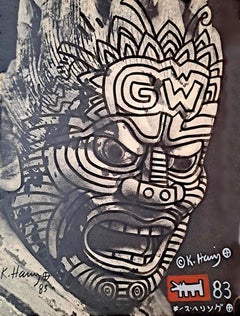
1980s Contemporary Figurative Drawings and Watercolors
Paper, Ink
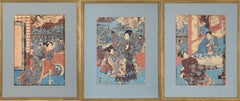
Early 19th Century Edo Figurative Prints
Paper, Ink, Woodcut
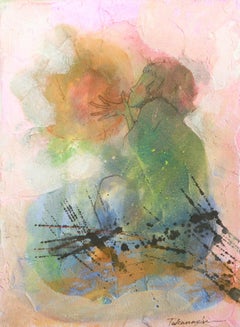
2010s Contemporary Figurative Paintings
Canvas, Emulsion, Ink, Tempera
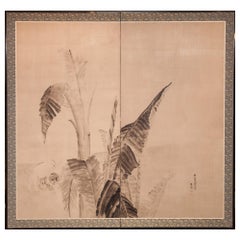
Antique Late 18th Century Japanese Edo Paintings and Screens
Paper
2010s Contemporary Landscape Paintings
Paper, India Ink
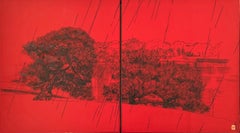
2010s Contemporary Figurative Paintings
Canvas, Emulsion, Ink, Tempera
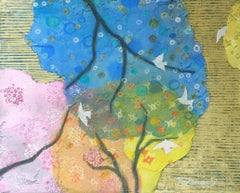
Early 20th Century Japanese Meiji Paintings and Screens
Silk
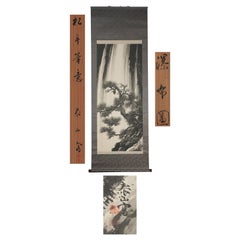

Antique Early 18th Century Japanese Edo Paintings and Screens
Silk, Teak
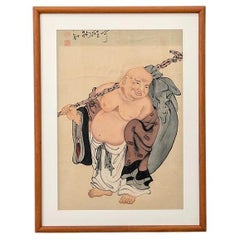
2010s Modern Figurative Drawings and Watercolors
Paper, Ink, Pen
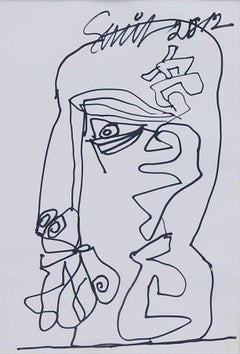
21st Century and Contemporary Contemporary Animal Drawings and Watercolors
Sumi Ink, Watercolor, Mulberry Paper
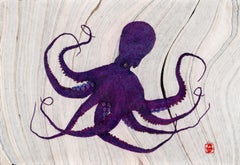
2010s Contemporary Figurative Paintings
Canvas, Emulsion, Ink, Tempera
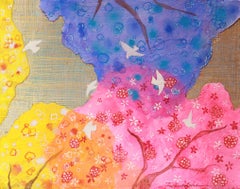
1950s Impressionist Figurative Paintings
Ink
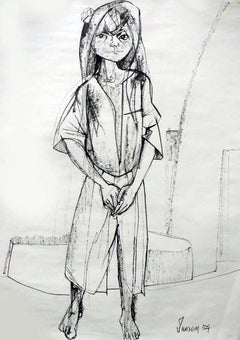
2010s Contemporary Landscape Paintings
Gold Leaf
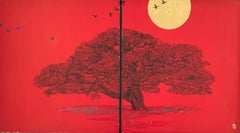
21st Century and Contemporary Contemporary Figurative Paintings
Paper, Sumi Ink, Mixed Media, Wood Panel, Pigment
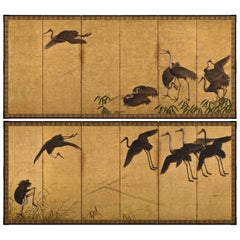
Antique 17th Century Japanese Edo Paintings and Screens
Gold Leaf
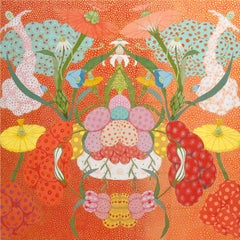
2010s Contemporary Figurative Paintings
Canvas, Tempera, Ink
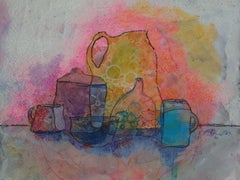
1980s Pop Art Figurative Photography
Archival Ink, Laid Paper
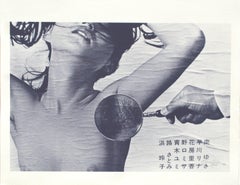
1920s Edo Landscape Paintings
Paper, Ink, Woodcut
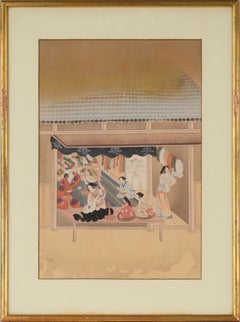
Antique Mid-19th Century Japanese Edo Paintings and Screens
Gold Leaf
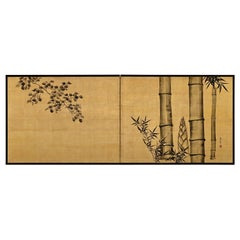
Antique Late 19th Century Japanese Meiji Paintings and Screens
Gold Leaf
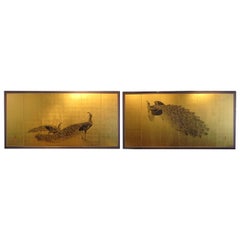
1940s Landscape Paintings
Ink
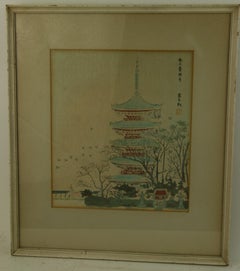
1970s Pop Art Portrait Prints
Lithograph, Ink
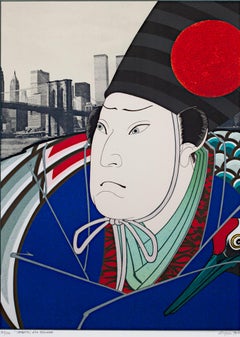
Early 2000s Contemporary Color Photography
Archival Ink, Archival Paper, Rag Paper, Digital, Archival Pigment, Digi...
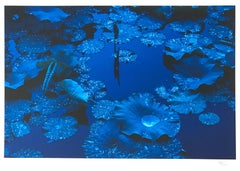
Vintage 1960s American Mid-Century Modern Contemporary Art
Paper
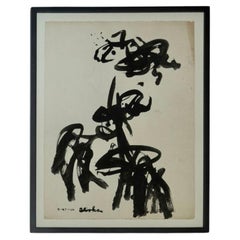
1990s Contemporary Color Photography
Archival Ink, Archival Paper, Rag Paper, Digital, Archival Pigment, Digi...
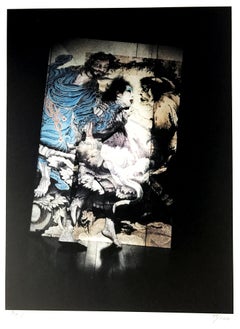
Antique 19th Century Paintings and Screens
Fabric, Silk
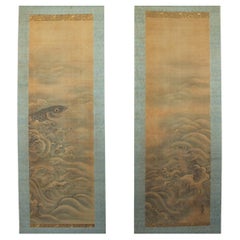
Early 2000s Contemporary Figurative Photography
Photographic Film, Archival Ink, Archival Paper, Rag Paper, Digital, Arc...
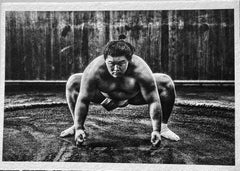
19th Century Edo Animal Paintings
Silk, Paper, Ink
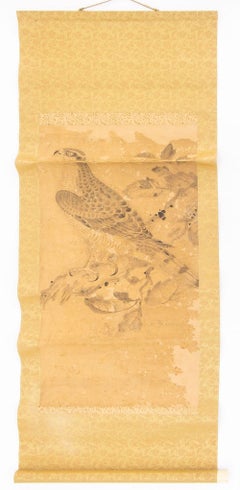
21st Century and Contemporary Contemporary Color Photography
Archival Ink, Archival Paper, Photographic Paper, Archival Pigment, Giclée
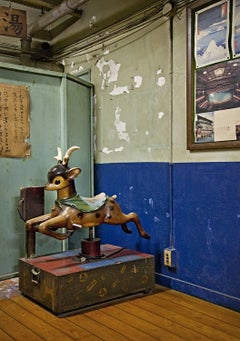
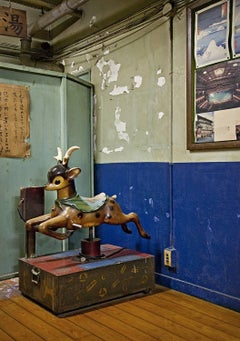
21st Century and Contemporary Contemporary Color Photography
Archival Ink, Archival Paper, Photographic Paper, Archival Pigment, Giclée
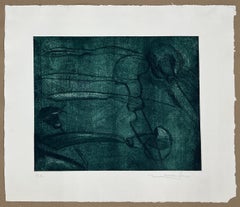
1990s Contemporary Abstract Prints
Ink, Etching
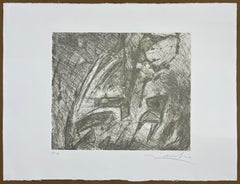
1990s Contemporary Abstract Prints
Ink, Etching
1990s Contemporary Abstract Prints
Ink, Etching
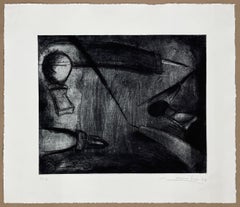
1990s Contemporary Abstract Prints
Ink, Etching
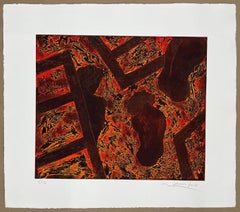
1990s Contemporary Abstract Prints
Ink, Etching
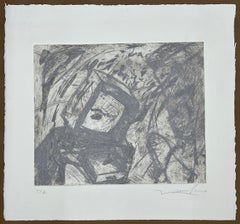
1990s Contemporary Abstract Prints
Ink, Etching
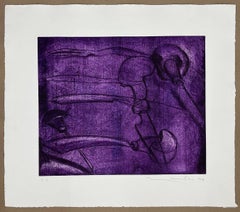
1990s Contemporary Abstract Prints
Ink, Engraving
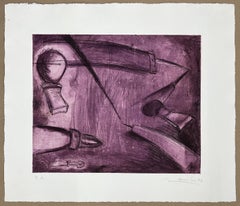
1990s Contemporary Abstract Prints
Ink, Etching
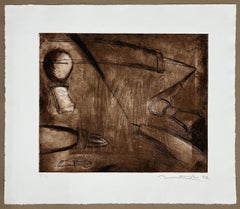
1990s Contemporary Abstract Prints
Ink, Etching
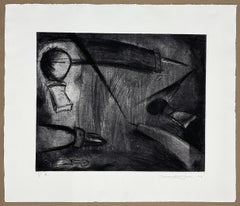
1990s Contemporary Abstract Prints
Ink, Etching
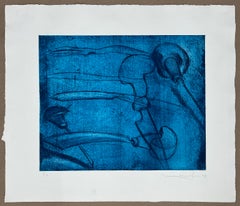
1990s Contemporary Abstract Prints
Ink, Etching
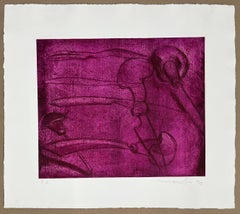
1990s Contemporary Abstract Prints
Ink, Etching, Engraving
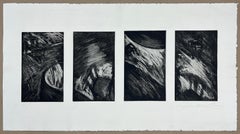
1990s Contemporary Abstract Prints
Ink, Etching, Engraving
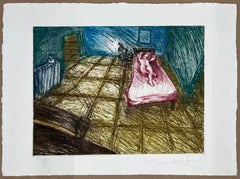
Early 2000s Contemporary Black and White Photography
Archival Ink, Archival Paper, Rag Paper, Digital, Archival Pigment, Digi...
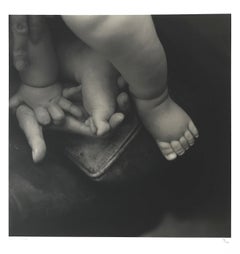
2010s Contemporary Abstract Drawings and Watercolors
Paper, Mixed Media, Charcoal, Oil Pastel, Pastel
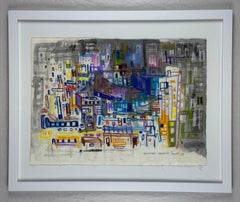
2010s Abstract Abstract Paintings
Paper, Ink, Acrylic
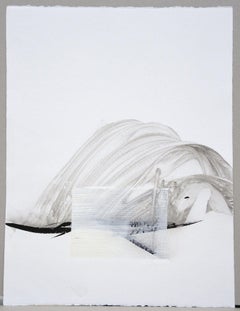
19th Century Edo Figurative Paintings
Paper, Ink, Pigment

2010s Abstract Abstract Paintings
Paper, Ink, Acrylic
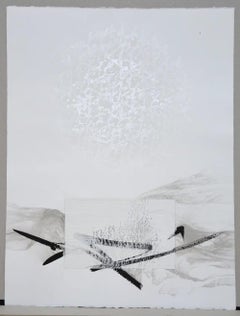
2010s Contemporary Landscape Paintings
Ink, Cardboard, Pigment
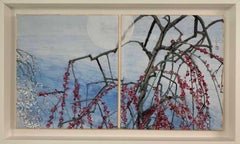
2010s Contemporary Landscape Paintings
Copper
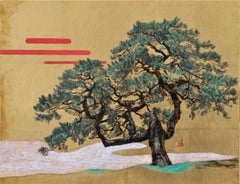
21st Century and Contemporary Contemporary Abstract Paintings
Glue, Sumi Ink, Wood Panel, Washi Paper, Pigment

21st Century and Contemporary Contemporary Abstract Paintings
Glue, Sumi Ink, Wood Panel, Washi Paper, Pigment
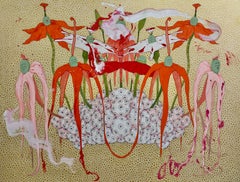
2010s Contemporary Abstract Paintings
Canvas, Ink, Acrylic
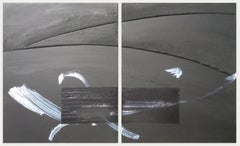
18th Century Edo Figurative Prints
Ink, Rice Paper, Woodcut
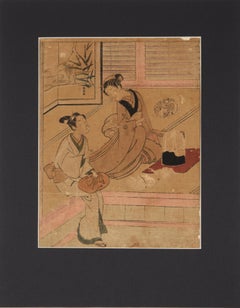
2010s Contemporary Landscape Paintings
Copper
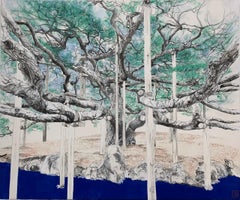
2010s Contemporary Abstract Paintings
Gesso, Canvas, Glass, Sumi Ink, Acrylic
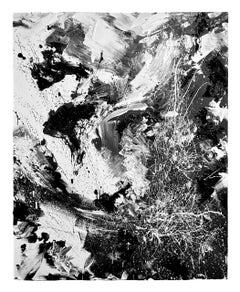
2010s Contemporary Landscape Paintings
Gold Leaf
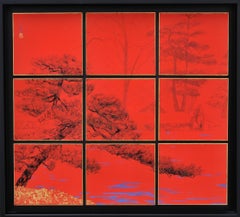
- 1
Japanese Ink Art For Sale on 1stDibs
How Much is a Japanese Ink Art?
- 1stDibs ExpertApril 5, 2022The writing on Japanese art is calligraphy art called shodo. It uses Japanese kanji and kana characters. There are a variety of different shodo styles of art, including Kaisho, which is the basic, foundational form of the art. On 1stDibs, find a range of Japanese calligraphy art from top sellers..
- 1stDibs ExpertApril 16, 2024The focus of Japanese art varies. Many traditional Japanese artists sought to capture the beauty of nature in their works. However, other Japanese artists have produced work with Buddhist themes, and contemporary artists working in the country have been inspired by a range of subjects, from socioeconomic and political issues to pop culture. On 1stDibs, explore a large selection of Japanese art.
- 1stDibs ExpertApril 5, 2022There are a variety of different types of Japanese art. One of the oldest and most admired forms of Japanese art is the art of calligraphy, which originated in the sixth or seventh century. Another type of art, ukiyo-e, is the art of the woodblock print, which depicts scenes of female beauties; kabuki actors, sumo wrestlers and more. You’ll find a variety of Japanese artwork from some of the world’s top art dealers on 1stDibs.
- 1stDibs ExpertApril 5, 2022Many art styles originated in Japan and grew in popularity over the years. Some of the most popular styles include shodo (calligraphy), ikebana, kanou and yamato-e. You’ll find a wide variety of authentic Japanese art from some of the world’s top dealers on 1stDibs.
- 1stDibs ExpertApril 5, 2022What Japanese wall art is called depends on its type. There are numerous kinds of Japanese paintings and prints, including nihonga and ukiyo-e. A Japanese wall scroll is known as a kakejiku or kakemono. On 1stDibs, find a variety of Japanese wall art.
- 1stDibs ExpertSeptember 23, 2024What the Japanese sea art is called depends on its type. Many examples of sea art from Japan are called ukiyo-e. This term refers to woodblock prints made during the 17th, 18th and 19th centuries. The Great Wave off Kanagawa by Katsushika Hokusai is arguably the most famous ukiyo-e print depicting the sea. On 1stDibs, find a wide variety of Japanese woodblock prints.
- 1stDibs ExpertOctober 15, 2024To tell if art is Japanese or Chinese, study the piece's characteristics. With paintings, Chinese artists often use more color and tend to fill their entire canvases, while Japanese artists often include more negative space and choose subtler colors. There are also differences between the brushstrokes typical of traditional Chinese and Japanese art. In Japanese paintings, brushstrokes are often short and sharp. On the other hand, Chinese paintings often display longer, more fluid brushstrokes. Learning about the defining features of various art forms and periods and looking at examples of pieces made by Japanese and Chinese artists can help you learn to spot subtle differences. Explore a diverse assortment of Japanese and Chinese art on 1stDibs.