Japanese Lacquered Art
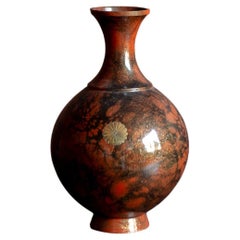
Early 20th Century Japanese Vases
Metal
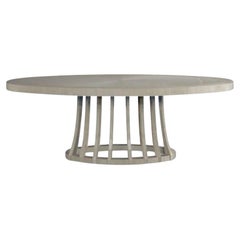
2010s Japanese Furniture
Wood

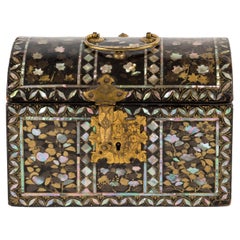
Antique 17th Century Japanese Antiquities
Lacquer
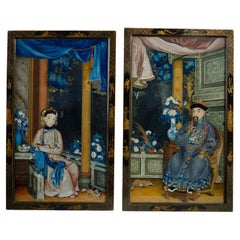
Antique 18th Century Paintings and Screens
Mirror, Lacquer
Antique Mid-19th Century Japanese Edo Textiles
Iron
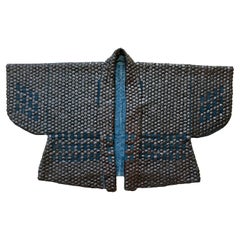
Antique Late 19th Century Japanese Meiji Sculptures and Carvings
Fruitwood
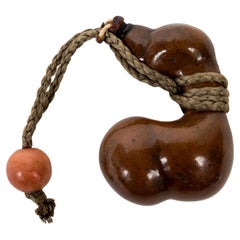
Early 20th Century Japanese Folk Art Decorative Boxes
Wood
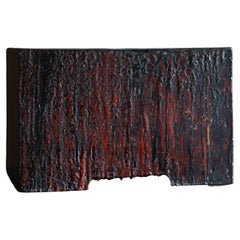
20th Century Japanese Antiquities
Iron
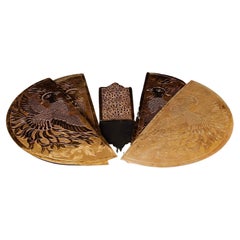
Antique Early 17th Century Japanese Edo Antiquities
Iron
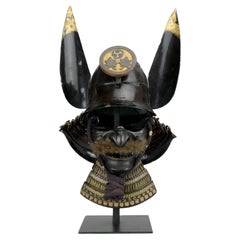
20th Century Japanese Folk Art Decorative Boxes
Wood
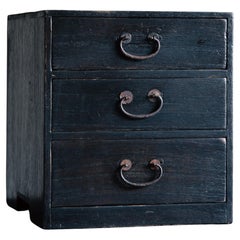
20th Century Japanese Decorative Art
Mother-of-Pearl, Wood
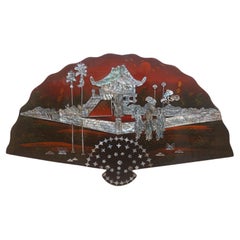
Antique 19th Century Japanese Mid-Century Modern Paintings and Screens
Silk, Wood
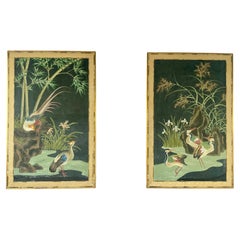
Antique Late 19th Century Japanese Edo Paintings and Screens
Gold Leaf, Brass
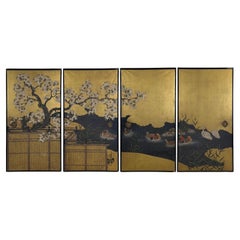
20th Century Japanese Showa Paintings and Screens
Wood, Lacquer, Paper
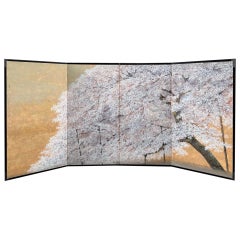
Vintage 1970s French Art Deco Screens and Room Dividers
Lacquer
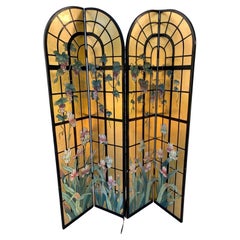
Antique 1880s Japanese Meiji Scholar s Objects
Wrought Iron, Sterling Silver
20th Century Japanese Showa Sculptures and Carvings
Wood, Lacquer, Paper
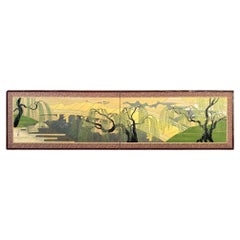
Antique Late 18th Century Japanese Edo Paintings and Screens
Gold Leaf
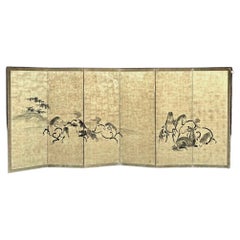
Antique 18th Century Japanese Edo Paintings and Screens
Gold Leaf
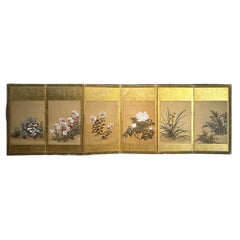
Vintage 1910s Japanese Art Nouveau Vases
Pottery
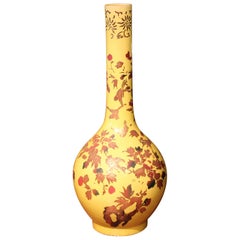
21st Century and Contemporary Japanese Decorative Boxes
Porcelain
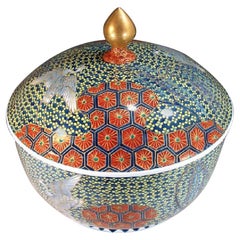
Antique 1830s Japanese Edo Lacquer
Lacquer
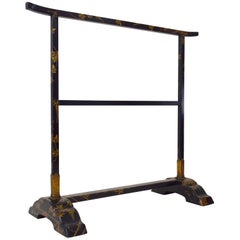
Antique Early 18th Century Japanese Edo Lacquer
Brass
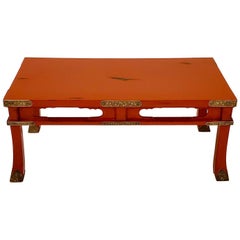
Antique 1880s Japanese Lacquer
Wood
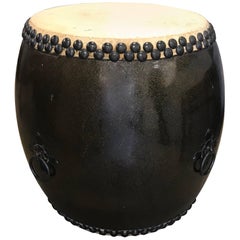
Antique Late 19th Century Japanese Lacquer
Lacquer
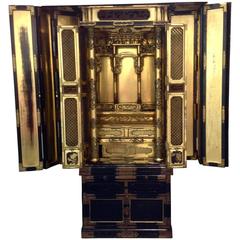
Early 20th Century Japanese Lacquer
Lacquer
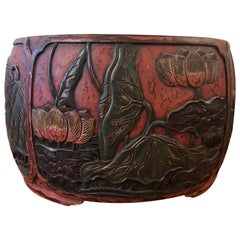
Antique 19th Century Japanese Lacquer
Lacquer
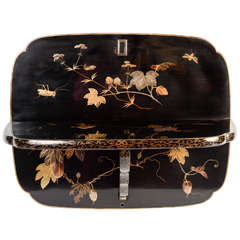
2010s Japanese Other Lacquer
Lacquer
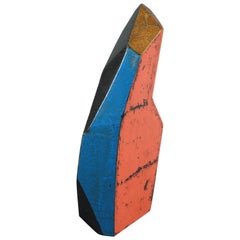
2010s Japanese Other Lacquer
Lacquer
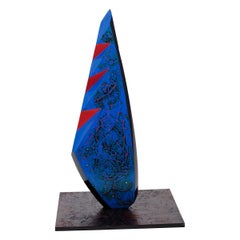
Vintage 1930s Japanese Lacquer
Wood
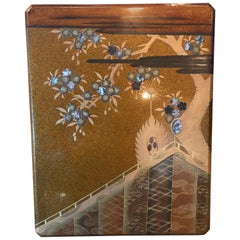
Early 20th Century Japanese Lacquer
Wood
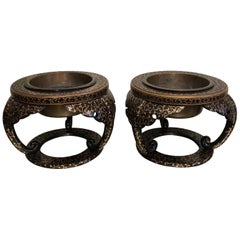
Early 20th Century Japanese Lacquer
Wood
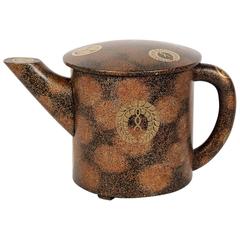
2010s Japanese Other Lacquer
Lacquer, Hemp, Paper
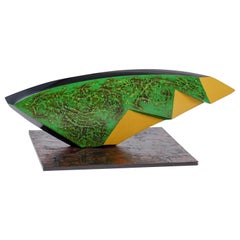
2010s Japanese Other Lacquer
Lacquer, Foam, Paper
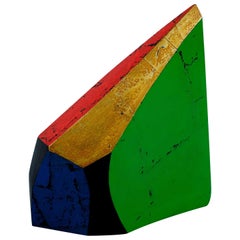
2010s Japanese Other Lacquer
Foam, Lacquer, Paper
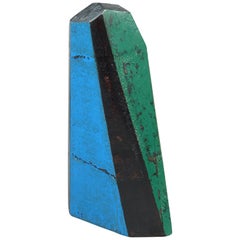
2010s Japanese Other Lacquer
Foam, Lacquer, Paper
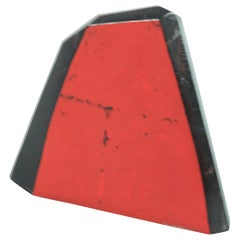
2010s Japanese Other Lacquer
Hemp, Lacquer, Paper
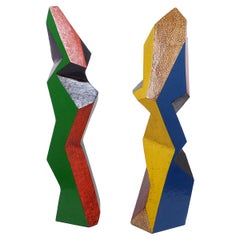
Antique Late 19th Century Japanese Meiji Lacquer
Wood
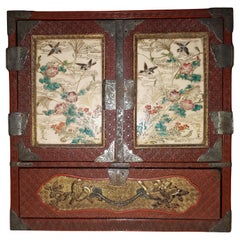
Antique Mid-17th Century Japanese Edo Lacquer
Copper
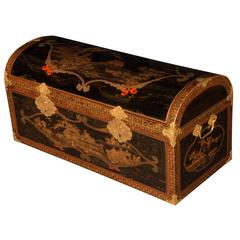
2010s Japanese Minimalist Lacquer
Mother-of-Pearl, Hemp, Bamboo, Lacquer
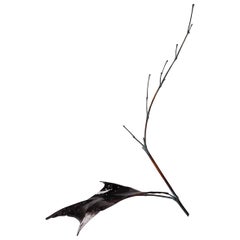
Antique 18th Century Japanese Edo Lacquer
Wood
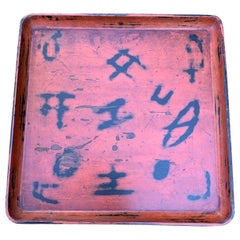
Antique 1890s Japanese Meiji Lacquer
Lacquer
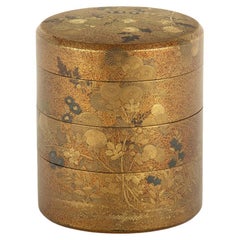
Antique 1870s Japanese Lacquer
Lacquer, Wood
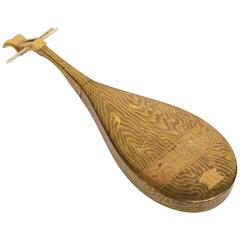
Antique 16th Century Japanese Lacquer
Wood
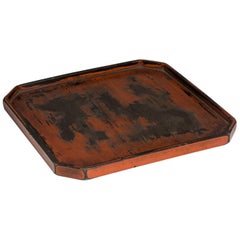
Vintage 1950s Japanese Lacquer
Wood
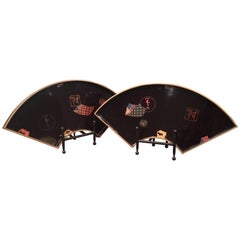
Antique Late 19th Century Japanese Meiji Lacquer
Wood
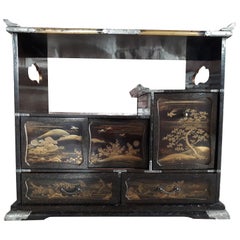
Antique 1830s Japanese Anglo-Japanese Lacquer
Lacquer
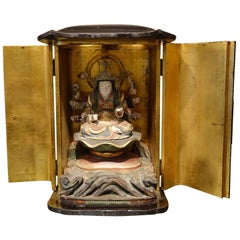
Antique Late 18th Century Japanese Lacquer
Lacquer, Wood
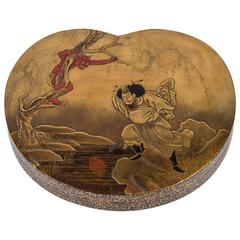
Antique 1810s Japanese Lacquer
Lacquer
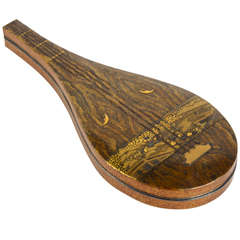
Antique 19th Century Japanese Lacquer
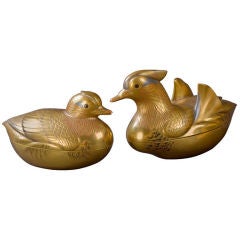
Antique 19th Century Japanese Lacquer
Wood
Antique Late 19th Century Japanese Meiji Lacquer
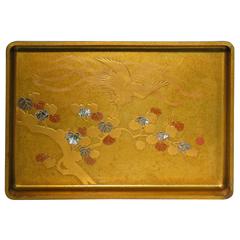
Early 20th Century Japanese Japonisme Lacquer
Lacquer
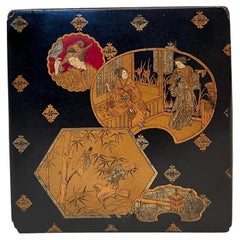
Antique Late 19th Century Japanese Meiji Lacquer
Bronze
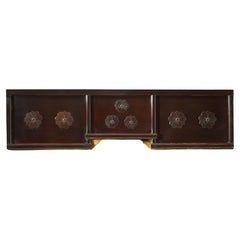
Mid-20th Century Japanese Lacquer
Wood
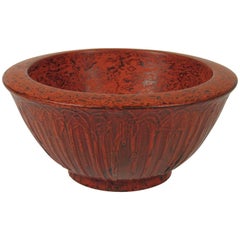
Antique 1870s Japanese Lacquer
Lacquer, Wood
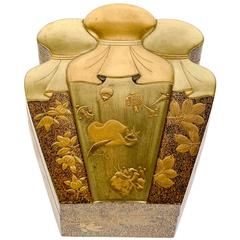
Mid-20th Century Japanese Mid-Century Modern Lacquer
Lacquer
- 1
- ...
Japanese Lacquered Art For Sale on 1stDibs
How Much is a Japanese Lacquered Art?
Finding the Right Asian Art And Furniture for You
From Japanese handmade earthenware pottery, originating circa 14,500 B.C. and adorned with elaborate corded patterns known as jōmon, to natural elm case pieces and storage cabinets built in Qing dynasty–era China to mid-century Thai rice-paper charcoal rubbings, antique and vintage Asian art and furniture make for wonderful additions to all kinds of contemporary interiors.
Eastern elements elevate any home’s decor. Introduce zen sensibility to your living room, dining room and bedroom with the neutral color palettes and the natural materials such as rattan, bamboo and elm that we typically associate with traditional Asian furniture. Decorative handwoven embroideries and textiles originating from India and elsewhere on the continent, which can be draped over a bed or sofa or used as a wall hanging, can be as practical as they are functional, just as you wouldn’t seek out Japanese room-divider screens — often decorated with paintings but constructed to be lightweight and mobile — merely for privacy.
With everything from blanket chests to lighting fixtures to sculptures and carvings, it’s easy to tastefully bring serenity to your living space by looking to the treasures for which the East has long been known.
For British-born furniture designer Andrianna Shamaris, the Japanese concept of beauty in imperfection isn’t limited to her Wabi Sabi collection. She embraces it in her New York City apartment as well. In the living area, for instance, she retained the fireplace’s original black marble while swathing its frame and the rest of the room in bright white.
“We left the fireplace very clean and wabi-sabi, so that it blended into the wall,” says Shamaris, who further appointed the space with a hand-carved antique daybed whose plush pillows are upholstered in antique textiles from the Indonesian island of Sumba.
In the growing antique and vintage Asian art and furniture collection on 1stDibs, find ceramics from China, antiquities from Cambodia and a vast range of tables, seating, dining chairs and other items from Japan, India and other countries.
- 1stDibs ExpertApril 5, 2022You can restore Japanese lacquer that has been damaged by exposure to light by gently buffing it with carnauba wax. Use a soft cloth to gently rub the wax into the piece, removing any excess and avoiding undamaged lacquer. Take a look on 1stDibs for a variety of pieces featuring Japanese lacquer.
- 1stDibs ExpertApril 5, 2022Japanese lacquer is made of resin produced from the sap of the Urushi tree. Artisans craft bowls, vases, boxes and other items out of the material. Find a collection of Japanese lacquer furniture and decorative objects and art on 1stDibs.
- 1stDibs ExpertApril 5, 2022To fix Japanese black lacquer, take it to a furniture repair shop that has previously worked with the material. Lacquer is very delicate. Attempting to fix a piece on your own could cause further damage. On 1stDibs, find a selection of Japanese black lacquer.
- 1stDibs ExpertApril 5, 2022Japanese lacquerware items are finished with a sap that comes from the lacquer tree. This finish is prone to degradation, especially if exposed to sun and water, and age will take its toll as well. To clean lacquerware items, wet a lint-free cloth and wring as much water out as you can, then wipe the item. Finish by drying it with a soft lint-free cloth. Shop a range of antique and vintage Japanese lacquerware on 1stDibs.
- 1stDibs ExpertApril 5, 2022Yes, there is a type of varnish called Japanese lacquer. It is made from the sap of an urushi tree, which grows in Japan, China and Southeast Asia. On 1stDibs, you can find vintage and modern Japanese lacquered pieces from some of the top sellers around the world.
- 1stDibs ExpertApril 5, 2022To clean a Japanese lacquer box, start by moistening a soft lint-free cloth with warm water. Ring it out and then gently rub every surface. Do not use soap as it may damage the lacquer. Dry the box promptly with a second soft, dry lint-free cloth. On 1stDibs, find a variety of Japanese lacquer boxes.
- 1stDibs ExpertApril 5, 2022The writing on Japanese art is calligraphy art called shodo. It uses Japanese kanji and kana characters. There are a variety of different shodo styles of art, including Kaisho, which is the basic, foundational form of the art. On 1stDibs, find a range of Japanese calligraphy art from top sellers..
- 1stDibs ExpertApril 16, 2024The focus of Japanese art varies. Many traditional Japanese artists sought to capture the beauty of nature in their works. However, other Japanese artists have produced work with Buddhist themes, and contemporary artists working in the country have been inspired by a range of subjects, from socioeconomic and political issues to pop culture. On 1stDibs, explore a large selection of Japanese art.
- 1stDibs ExpertApril 5, 2022There are a variety of different types of Japanese art. One of the oldest and most admired forms of Japanese art is the art of calligraphy, which originated in the sixth or seventh century. Another type of art, ukiyo-e, is the art of the woodblock print, which depicts scenes of female beauties; kabuki actors, sumo wrestlers and more. You’ll find a variety of Japanese artwork from some of the world’s top art dealers on 1stDibs.
- 1stDibs ExpertApril 5, 2022Many art styles originated in Japan and grew in popularity over the years. Some of the most popular styles include shodo (calligraphy), ikebana, kanou and yamato-e. You’ll find a wide variety of authentic Japanese art from some of the world’s top dealers on 1stDibs.
- 1stDibs ExpertApril 5, 2022What Japanese wall art is called depends on its type. There are numerous kinds of Japanese paintings and prints, including nihonga and ukiyo-e. A Japanese wall scroll is known as a kakejiku or kakemono. On 1stDibs, find a variety of Japanese wall art.
- 1stDibs ExpertSeptember 23, 2024What the Japanese sea art is called depends on its type. Many examples of sea art from Japan are called ukiyo-e. This term refers to woodblock prints made during the 17th, 18th and 19th centuries. The Great Wave off Kanagawa by Katsushika Hokusai is arguably the most famous ukiyo-e print depicting the sea. On 1stDibs, find a wide variety of Japanese woodblock prints.
- 1stDibs ExpertOctober 15, 2024To tell if art is Japanese or Chinese, study the piece's characteristics. With paintings, Chinese artists often use more color and tend to fill their entire canvases, while Japanese artists often include more negative space and choose subtler colors. There are also differences between the brushstrokes typical of traditional Chinese and Japanese art. In Japanese paintings, brushstrokes are often short and sharp. On the other hand, Chinese paintings often display longer, more fluid brushstrokes. Learning about the defining features of various art forms and periods and looking at examples of pieces made by Japanese and Chinese artists can help you learn to spot subtle differences. Explore a diverse assortment of Japanese and Chinese art on 1stDibs.
Read More
Symbols of Happiness and Rebirth Adorn This Japanese Satsuma Bowl
Decorated with white cranes and the sought-after thousand-butterflies motif, the Meiji-period vessel offers both a celebration of traditional aesthetics and a clear reflection of the era’s appetite for exquisite export pieces.
Chicago’s Pagoda Red Has a Spirited Mix of Asian Antiques and Bold New Art
For 25 years, gallerist Betsy Nathan has leveraged her keen eye and key connections to bring a unique selection of rare finds to the market.
In L.A., Gallerist JF Chen Has Long Championed Eclectic Blue-Chip Design
Now working alongside his daughter Bianca, dealer Joel Chen has presented a most covetable array of antiques, art and contemporary creations for more than 40 years.
12 Calming Spaces Inspired by Japanese Design
From cherry-blossom-adorned walls paired with glamorous lighting to wood-paneled ceilings above checkerboard-patterned chairs, these 12 spaces seamlessly blend Eastern and Western aesthetics.
Rodrigo Rivero Lake’s Mexico City Showroom Is a Museum-Worthy Trove of Spanish Colonial and Asian Antiques
The dealer and curator has spent the past 50 years amassing a collection of exceptional art, furniture and architectural elements that trace the cultural influence of the Spanish empire from Europe to the Americas and beyond.
16 Refined Asian-Inspired Interiors
These spaces exemplify how Eastern elements elevate a home's decor.