Japanese Lacquered Art

to
164
1,300
488
2,015
23
10
36
18
7
5
5
3
2
2
1
1
230
919
861
33
394
197
42
45
11
25
31
8
19
15
6
8
10
1,226
1,179
660
276
263
1,958
1,944
1,904
33
20
2,044
2,042
2,043
4
4
3
2
2
Sort By
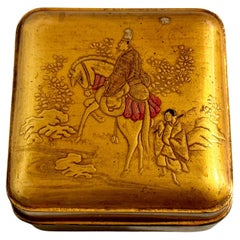
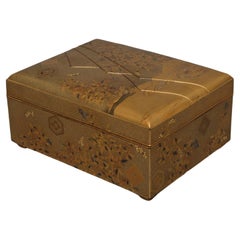
Japanese Lacquer Writing Box, Suzuribako, Edo Period, 18th Century, Japan
Located in Austin, TX
An exceptionally fine and unusual Japanese lacquer writing implements box, suzuribako, in the form
Category

Antique 18th Century Japanese Edo Lacquer

Materials

Gold, Silver, Copper

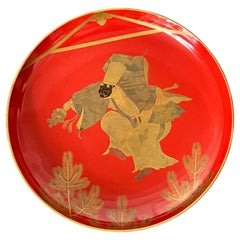
Japanese Lacquer Maki-e Plate of Masked Dancer
Located in Atlanta, GA
dish also features a fine rendition of a pine branch. A beautiful example of late Meiji lacquer art
Category

Antique 19th Century Japanese Meiji Lacquer

Materials

Lacquer

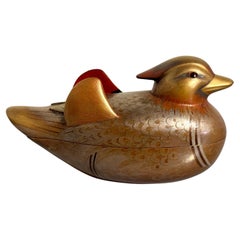
Vintage Japanese Lacquer Duck Box by Zohiko, Showa Era, Mid 20th Century, Japan
By Zōhiko Studio
Located in Austin, TX
A finely decorated vintage Japanese box for precious incense, kogo, in the shape of a male mandarin
Category

Vintage 1960s Japanese Showa Lacquer

Materials

Wood, Lacquer

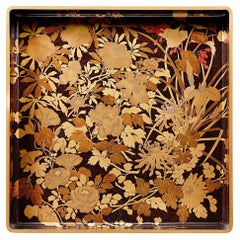
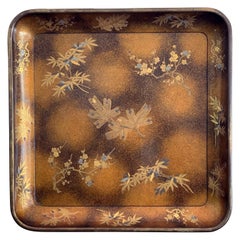
Japanese Lacquer and Gold Tray
Located in New Orleans, LA
This Meiji-period lacquer tray represents the mastery of Japanese craftsmen in the art of lacquer
Category

Antique Late 19th Century Asian Meiji Lacquer

Materials

Gold

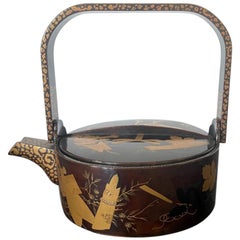
Japanese Lacquer Maki-e Sake Ewer Meiji Period
Located in Atlanta, GA
A Japanese lacquered wood sake ewer with maki-e design, circa late 19th century, Meiji period. The
Category

Antique 1890s Japanese Japonisme Lacquer

Materials

Lacquer

Japanese Lacquer Sake Cups, Set of 3, Meiji Period, Early 20th Century, Japan
Located in Austin, TX
period, circa 1900, Japan. The lacquer sake cups, called sakazuki, of traditional pedestal bowl form
Category

Antique Early 1900s Japanese Meiji Lacquer

Materials

Lacquer

Rare Japanese Lacquer Writing Box Suzuribako Meiji Period
Located in Atlanta, GA
A Japanese Lacquer writing box Suzuribako Meiji Period (1868-1912), likely circa late 19th century
Category

Antique 19th Century Japanese Japonisme Lacquer

Materials

Lacquer

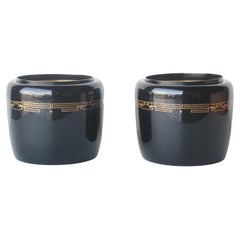
F9 Old Japanese Art Unused Dragon Maki-e lacquer Brazier, wine coolers, set of 2
Located in Niiza, JP
primarily black lacquered, but feature a dragon pattern in maki-e around the edges. The box is inscribed
Category

20th Century Japanese Lacquer

Materials

Copper

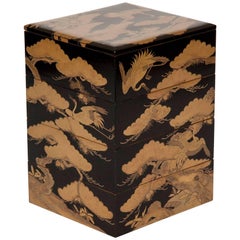
Japanese Black Lacquer Jubako Box with Stork Motif
Located in Stamford, CT
A four-tier Japanese Meiji period black lacquer Jubako box with stork and fir tree decoration. Box
Category

Antique Late 19th Century Japanese Edo Lacquer

Materials

Lacquer

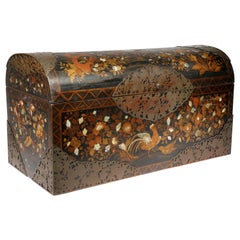
Japanese Namban Lacquer and Inlay Coffer Momoyama Period
Located in Atlanta, GA
A rare Japanese Namban Lacquer domed coffer circa 1570-1610s of Azuchi-Momoyama to early Edo period
Category

Antique 16th Century Japanese Japonisme Lacquer

Materials

Wood, Lacquer

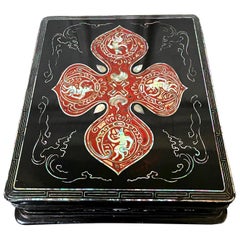
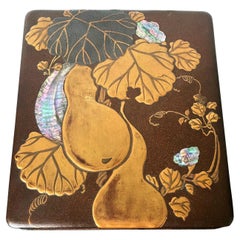
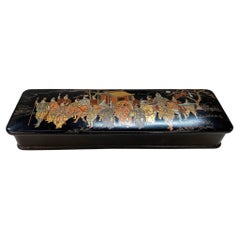
Unusual Japanese Lacquer Inkstone Box with MOP Inlays
Located in Atlanta, GA
Japanese decorative art, from painting, prints to lacquer ware (while it is less common to see them in
Category

Early 20th Century Japanese Japonisme Lacquer

Materials

Wood, Lacquer

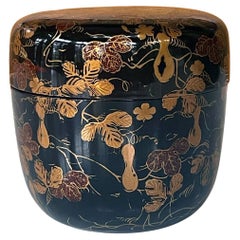
Japanese Lacquered Maki-E Natsume in Kodaiji Style
Located in Atlanta, GA
A Japanese lacquered tea caddy (known as Natsume) with fine Maki-e decoration circa 18-19th century
Category

Antique 19th Century Japanese Meiji Lacquer

Materials

Wood, Lacquer

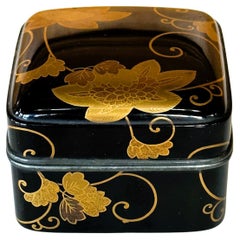
Japanese Lacquer Box, Kogo, Tale of Genji, Edo Period, early 19th century, Japan
Located in Austin, TX
A fine Japanese small lacquer box for precious incense, kogo, Edo period, mid 19th century, Japan
Category

Antique Early 19th Century Japanese Edo Lacquer

Materials

Pewter

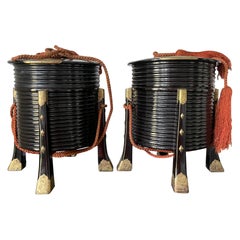
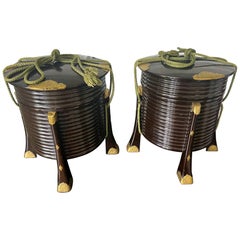
Pair of Large Antique Japanese Hokai Lacquer Boxes
Located in Atlanta, GA
A pair of Japanese lacquered lidded Hokai boxes with chased brass hardware and original ropes
Category

Early 20th Century Japanese Japonisme Lacquer

Materials

Wood, Lacquer

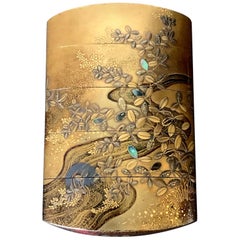
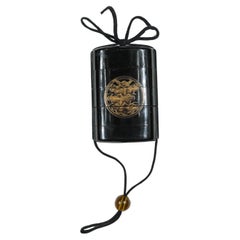
Fine Japanese Lacquered Inro with Inlays by Kajikawa
Located in Atlanta, GA
A Japanese four-case lacquer inro by a member of Kajikawa family circa 19th century (late Edo to
Category

Antique 19th Century Japanese Japonisme Lacquer

Materials

Shell, Wood, Lacquer

Antique Japanese Lacquered Incense Box Kobako Ex-Christie s
Located in Atlanta, GA
An old Japanese lacquered small box likely used to contain incense powder called Kobako, circa
Category

Antique 17th Century Japanese Japonisme Lacquer

Materials

Lead

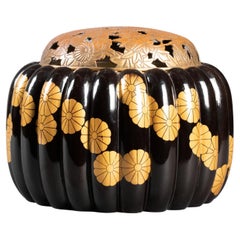
Japanese, Black Lacquer, Chrysanthemum Shaped Incense Burner Koro
Located in Hudson, NY
With chrysanthemum motif and a gilded bronze lid. Includes unsigned collector's box. Interior measurements: 7 1/2" opening, 5 1/4" deep.
Category

Antique Late 18th Century Japanese Lacquer

Materials

Lacquer

Pair of Large Antique Japanese Hokai Lacquer Boxes
Located in Atlanta, GA
A pair of Japanese lacquer lidded Hokai boxes with chased brass hardware and original ropes. Hokai
Category

Early 20th Century Japanese Japonisme Lacquer

Materials

Wood, Lacquer

Japanese Rinpa Style Lacquer Ink Stone Box Suzuribako
Located in Atlanta, GA
A Japanese writing box with ink stone (known as Suzuribako) with exquisite maki-e decoration circa
Category

Early 20th Century Japanese Japonisme Lacquer

Materials

Wood, Lacquer

Large Vintage Japanese Maki-e Lacquer Kimono Tray
Located in Atlanta, GA
A large square lacquer presentation tray (likely for kimono) predated 1950 of the Showa period
Category

Vintage 1940s Japanese Japonisme Lacquer

Materials

Wood, Lacquer

Japanese Lacquered Maki-E Fubako in Kodaiji Style
Located in Atlanta, GA
A rare Japanese lacquered wood fubako decorated in Kodaiji maki-e style circa early 17th century
Category

Antique Early 17th Century Japanese Edo Lacquer

Materials

Wood, Lacquer

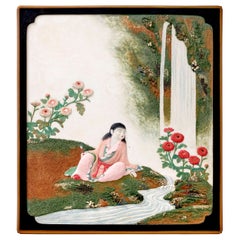
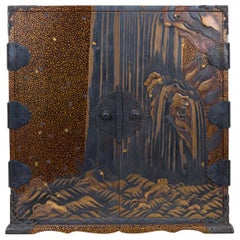
Japanese 19th Century Miniature Lacquer Chest with Waterfall
Located in Hudson, NY
Japanese 19th century miniature lacquer chest with waterfall. Late Edo to early Meiji period
Category

Antique Late 19th Century Japanese Lacquer

Materials

Gold, Silver, Bronze

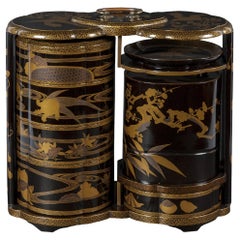
Japanese Lacquer Maki-E Tiered Suzuribako and Ryoshibako
Located in Atlanta, GA
A Japanese roiro lacquer scholar combo box with an upper tier of inkstone box (Suzuribako) and a
Category

Vintage 1920s Japanese Meiji Lacquer

Materials

Stone, Metal

Large Japanese five part lacquer Inro, late 19th c.
Located in Stockholm, SE
A large five part lacquer inro. A family crest in gold on black background.
Category

Antique Late 19th Century Japanese Lacquer

Materials

Lacquer

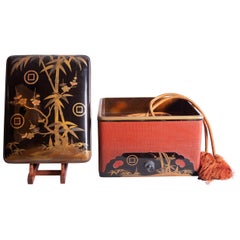
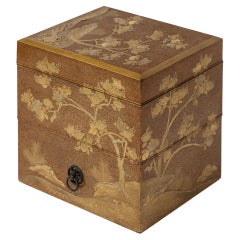
Japanese Lacquer Box with Bamboo, Plum, and Family Crest
Located in Hudson, NY
Made with heavy gold flakes and lacquered fabric on wood, with cutout heart designs. Has an
Category

Antique 19th Century Japanese Lacquer

Materials

Lacquer

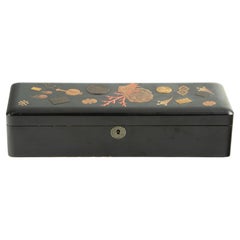
Late 19th Century Japanese Lacquer Box with Coral Design
Located in New York, NY
Late Meiji to early Taishō period Japanese lacquer box (circa 1890–1920), decorated in the
Category

Antique Late 19th Century Japanese Meiji Lacquer

Materials

Metal

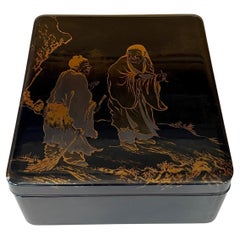
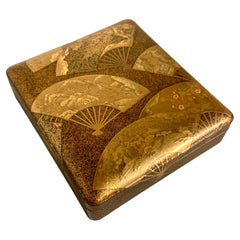
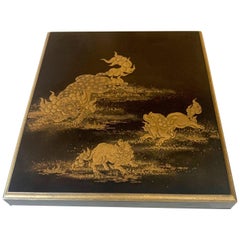
Japanese Maki-e Lacquer Document Box, Edo Period, early 19th Century, Japan
Located in Austin, TX
A spectacular Japanese maki-e lacquer lidded box, possibly a writing box, suzuribako, decorated
Category

Antique Early 19th Century Japanese Edo Lacquer

Materials

Coral

Antique Japanese Lacquered Incense Box Kobako in Kodaiji Style
Located in Atlanta, GA
lead rim. A small but lovely piece that exemplifies the excellent Japanese lacquer workmanship.  
Category

Antique 19th Century Japanese Edo Lacquer

Materials

Wood, Lacquer

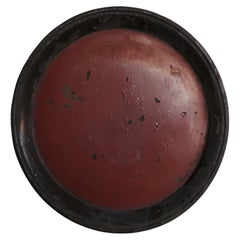
Old Round Plate with Japanese Lacquer / Meiji-Taisho / Urushi
Located in Sammu-shi, Chiba
hollowing out. It's very cool, isn't it? It is a lacquered tall foot round tray made of one piece of wood
Category

Mid-20th Century Japanese Taisho Lacquer

Materials

Beech, Lacquer

Japanese Tebako in Nashiji lacquer adorned with golden Persimon flowers
Located in PARIS, FR
Tebako box with two compartments in golden and nashi-ji lacquer, decorated with golden, red, and
Category

Antique Early 19th Century Japanese Meiji Lacquer

Materials

Gold

Fine Japanese Black and Gold Lacquer Sageju-Bako - Picnic Box
Located in PARIS, FR
Black and gold lacquer sageju-bako (picnic box) decorated with floral motifs in hiramaki-e. It
Category

Antique Early 19th Century Japanese Lacquer

Materials

Lacquer

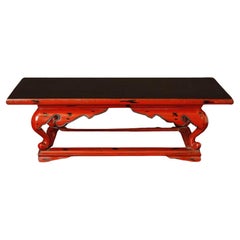
Japanese Negoro Style Lacquered Worship Stand, 17th-18th Century
Located in Fukuoka, JP
"Discover a piece of Japanese religious heritage with this exceptional Negoro lacquered stand
Category

Antique Late 17th Century Japanese Edo Lacquer

Materials

Wood, Lacquer

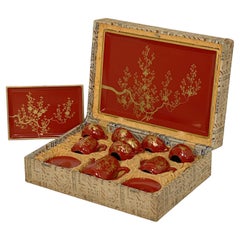
Japanese Lacquer Tea Set and Serving Trays in Original Box
Located in Austin, TX
A handsome lacquered tea set from Japan, circa 1920s, featuring a traditional Japanese lacquerware
Category

Vintage 1920s Japanese Lacquer

Materials

Wood, Lacquer, Paper

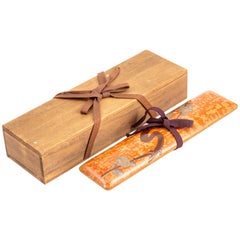
Vintage Japanese Wakasa Lacquer Folder for Poems and Paintings
Located in Prahran, Victoria
A Japanese Wakasa lacquer folder to carry poems and paintings. It has a silver raised Togidashi
Category

Vintage 1960s Japanese Lacquer

Materials

Silk, Wood

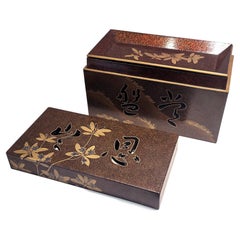
Japanese Maki-e Lacquer Tray Box with Cutout Design
Located in Atlanta, GA
A Japanese lacquer box with lid and an inner tray decorated with Maki-e on a dense nashiji
Category

Vintage 1920s Japanese Taisho Lacquer

Materials

Wood, Lacquer

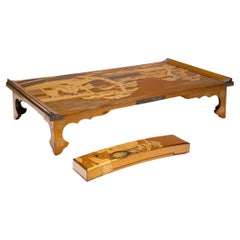
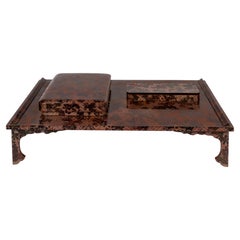
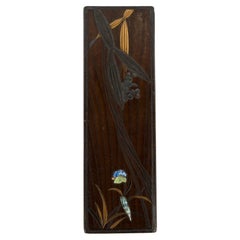
Japanese Meiji Gilt Lacquer Writing Desk Poem Box
Located in Chicago, IL
masterpiece of Japanese lacquerware. The matching set includes a writing table (bundai) and poem box (tanzaku
Category

Early 20th Century Japanese Meiji Lacquer

Materials

Mother-of-Pearl, Wood

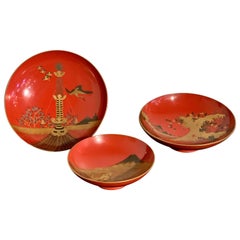
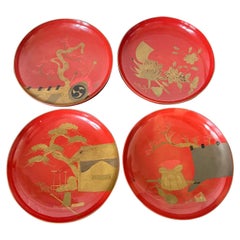
Set of Four Japanese Maki-e Lacquered Pedestal Dishes
Located in Atlanta, GA
A set of four Japanese shallow footed bowls or dishes in red lacquer with predominantly gold Makie
Category

Vintage 1920s Japanese Japonisme Lacquer

Materials

Wood, Lacquer

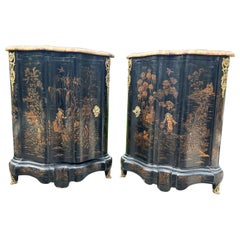
Japanese Lacquered Corner Cupboard
Located in Southall, GB
A pair of Serpentine front, early 18th Century, black lacquered corner cupboards. With thick
Category

Antique Early 1700s Lacquer

Materials

Walnut

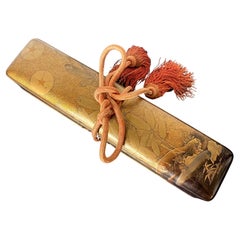
Japanese Lacquered Gold Maki-E Naga Fubako Meiji Period
Located in Atlanta, GA
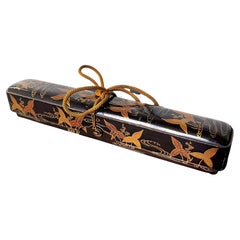
A Japanese lacquered wood Naga Fubako (a long box used to store document or large scroll painting
Category

Antique 19th Century Japanese Meiji Lacquer

Materials

Wood, Lacquer

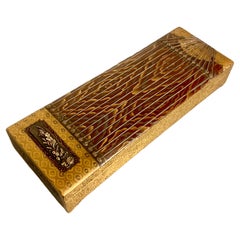
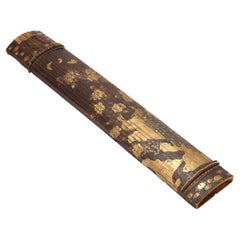
Japanese Meiji Han Koto with Maki-e Lacquer Decoration
Located in Atlanta, GA
A rare Japanese Koto made from carved Paulownia wood and lavishly decorated with lacquer Maki-e
Category

Antique Late 19th Century Japanese Japonisme Lacquer

Materials

Wood

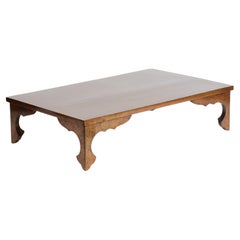
Early 20th Century, Showa, Japanese Wooden Lacquered Lower Table / Stand
Located in Sampantawong, TH
Japanese wooden lacquered lower table / stand. Age: Japan, Showa Period, Early 20th Century Size
Category

Early 20th Century Japanese Lacquer

Materials

Wood

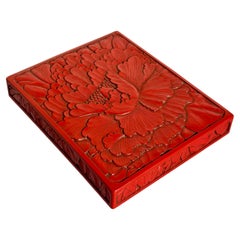
Japanese Kamakura Bori Lacquer Presentation Box, Showa Era, mid 20th century
Located in Austin, TX
An attractive Japanese red lacquered Kamakura-bori inscribed presentation box, featuring peony
Category

Vintage 1960s Japanese Showa Lacquer

Materials

Softwood, Lacquer

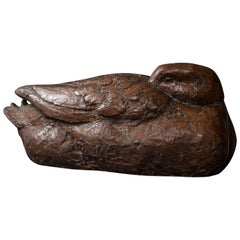
Japanese Showa Period Dry Lacquer Sculpture of a Duck
Located in Hudson, NY
lacquer, or kanshitsu, is a process of layering and manipulating lacquer soaked cloth over a form. Signed
Category

Early 20th Century Japanese Showa Lacquer

Materials

Lacquer

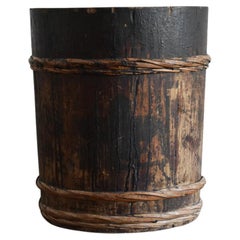
Antique wooden bucket of Japanese lacquer craftsman/20th century/planter
Located in Sammu-shi, Chiba
This is a wooden bucket used by Japanese lacquerware craftsmen to store lacquer. It is believed to
Category

Antique Late 19th Century Japanese Meiji Lacquer

Materials

Cedar, Lacquer

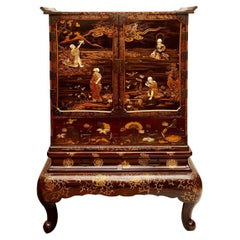
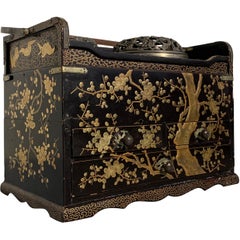
Japanese Lacquer Meiji Period Cabinet on Stand, circa 1890
Located in Brighton, Sussex
A exquisite, fine quality Meiji period (1868-1912) Japanese black lacquer cabinet on stand with
Category

Antique Late 19th Century Japanese Japonisme Lacquer

Materials

Lacquer

Japanese writting set in waqasa lacquer including bundai ryoshibako and fudebako
Located in PARIS, FR
superimposed layers of lacquer of different colors. This technique was not known in the West before Japan
Category

Early 20th Century Japanese Taisho Lacquer

Materials

Lacquer

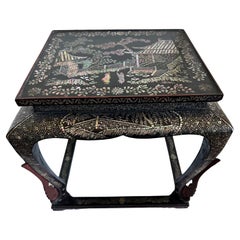
Antique Japanese Lacquer and Inlay Table from Ryukyu Islands
Located in Atlanta, GA
figure 130 in the Japanese version book "The Art of Ryukyuan Lacquerware" as shown in the last photo.
Category

Antique 18th Century Japanese Edo Lacquer

Materials

Mother-of-Pearl, Lacquer

Vintage Japanese Black, Gold and Red Lacquer Document Fubako Box
Located in Sheridan, CO
Black, Gold and Red Lacquer Japanese Document Fubako Box, Meiji period, late 19th C/Early 20th C. A
Category

Vintage 1920s Japanese Meiji Lacquer

Materials

Lacquer

Exceptional Japanese Gold Lacquer Tebako 手箱 Box for Personal Accessories
Located in Amsterdam, NL
Exceptional Japanese rectangular gold lacquer tebako (box for personal accessories) with a slightly
Category

Antique 19th Century Japanese Lacquer

Materials

Giltwood, Lacquer

Japanese Antique Ewer Lacquer with Bronze Edo to Meiji Period
Located in Atlanta, GA
A Japanese lacquer water ewer without handle (known as hazo in Japanese) that was used to carry
Category

Antique 19th Century Japanese Japonisme Lacquer

Materials

Bronze

Japanese Lacquer Smoking Box, Tabako Bon, Edo Period, 19th Century
Located in Austin, TX
A very fine Japanese maki-e lacquer decorated tabako bon, or smoking box, late Edo Period, mid-19th
Category

Antique Mid-19th Century Japanese Edo Lacquer

Materials

Lacquer

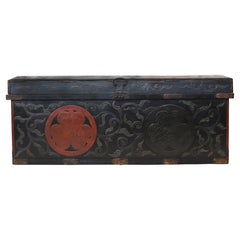
Japanese Edo Period 19th century Nagamochi - Wedding Trunk with Lacquer Crests
Located in New York, NY
A Japanese Nagamochi trunk is a traditional storage chest used for centuries to store clothing
Category

Antique Mid-19th Century Japanese Lacquer

Materials

Wood, Lacquer

Antique Japanese Lacquer and Inlay Box from Ryukyu Island
Located in Atlanta, GA
A lacquer presentation box with mother-of-pearl inlays from Japanese Ryukyu Islands circa 17-18th
Category

Antique 18th Century Japanese Japonisme Lacquer

Materials

Mother-of-Pearl, Lacquer

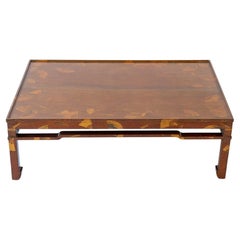
19th century Japanese Lacquer Zataku (low table) with Scattered fan Motif
Located in New York, NY
artistic Japanese craft that involves applying layers of lacquer to a base material, in this case, wood
Category

Antique Late 19th Century Japanese Lacquer

Materials

Gold Leaf

Japanese fudebako or brush box in lacquered hardwood and ceramic inlay
Located in PARIS, FR
lacquer. Japan - Taisho Era (1912-1926) Height: 1.4 in / 3.5 cm - width: 2.8 in / 7.2 cm - depth: 9.4 in
Category

Early 20th Century Japanese Taisho Lacquer

Materials

Gold

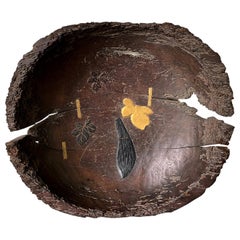
Antique Japanese Lacquered Wood Wabi-Sabi Bowl
Located in Atlanta, GA
What can we say about this bowl? Perhaps we can start by describing the unique Japanese aesthetic
Category

Antique 19th Century Japanese Japonisme Lacquer

Materials

Wood

Japanese Lacquer Box with Fine Maki-e Decoration Meiji Period
Located in Atlanta, GA
A lacquered wood box with lid from Japan circa 19th century Meiji Period. The finely decorated box
Category

Antique Late 19th Century Japanese Japonisme Lacquer

Materials

Wood, Lacquer

  • 1
  • ...
Get Updated with New Arrivals
Save "Japanese Lacquered Art", and we’ll notify you when there are new listings in this category.

Japanese Lacquered Art For Sale on 1stDibs

Choose from an assortment of styles, material and more in our collection of Japanese lacquered art on 1stDibs. Frequently made of wood, lacquer and metal, every piece of Japanese lacquered art was constructed with great care. If you’re shopping for an item from our selection of Japanese lacquered art, we have 1968 options in-stock, while there are 23 modern editions to choose from as well. You’ve searched high and low for the perfect choice in our collection of Japanese lacquered art — we have versions that date back to the 18th Century alongside those produced as recently as the 21st Century are available. When you’re browsing for the right object in our assortment of Japanese lacquered art, those designed in Art Deco, mid-century modern and folk art styles are of considerable interest. Many designers have produced at least one well-made option in this array of Japanese lacquered art over the years, but those crafted by Eizo Ippyosai VII, Zōhiko Studio and Japanese Studio are often thought to be among the most beautiful.

How Much is a Japanese Lacquered Art?

Prices for a piece of Japanese lacquered art start at $0 and top out at $1,492,810 with the average selling for $2,914.

Finding the Right Asian Art And Furniture for You

From Japanese handmade earthenware pottery, originating circa 14,500 B.C. and adorned with elaborate corded patterns known as jōmon, to natural elm case pieces and storage cabinets built in Qing dynasty–era China to mid-century Thai rice-paper charcoal rubbings, antique and vintage Asian art and furniture make for wonderful additions to all kinds of contemporary interiors.

Eastern elements elevate any home’s decor. Introduce zen sensibility to your living room, dining room and bedroom with the neutral color palettes and the natural materials such as rattan, bamboo and elm that we typically associate with traditional Asian furniture. Decorative handwoven embroideries and textiles originating from India and elsewhere on the continent, which can be draped over a bed or sofa or used as a wall hanging, can be as practical as they are functional, just as you wouldn’t seek out Japanese room-divider screens — often decorated with paintings but constructed to be lightweight and mobile — merely for privacy.

With everything from blanket chests to lighting fixtures to sculptures and carvings, it’s easy to tastefully bring serenity to your living space by looking to the treasures for which the East has long been known.

For British-born furniture designer Andrianna Shamaris, the Japanese concept of beauty in imperfection isn’t limited to her Wabi Sabi collection. She embraces it in her New York City apartment as well. In the living area, for instance, she retained the fireplace’s original black marble while swathing its frame and the rest of the room in bright white.

“We left the fireplace very clean and wabi-sabi, so that it blended into the wall,” says Shamaris, who further appointed the space with a hand-carved antique daybed whose plush pillows are upholstered in antique textiles from the Indonesian island of Sumba.

In the growing antique and vintage Asian art and furniture collection on 1stDibs, find ceramics from China, antiquities from Cambodia and a vast range of tables, seating, dining chairs and other items from Japan, India and other countries.

Questions About Japanese Lacquered Art
  • 1stDibs ExpertApril 5, 2022
    Japanese lacquer is made of resin produced from the sap of the Urushi tree. Artisans craft bowls, vases, boxes and other items out of the material. Find a collection of Japanese lacquer furniture and decorative objects and art on 1stDibs.
  • 1stDibs ExpertApril 5, 2022
    You can restore Japanese lacquer that has been damaged by exposure to light by gently buffing it with carnauba wax. Use a soft cloth to gently rub the wax into the piece, removing any excess and avoiding undamaged lacquer. Take a look on 1stDibs for a variety of pieces featuring Japanese lacquer.
  • 1stDibs ExpertApril 5, 2022
    To clean a Japanese lacquer box, start by moistening a soft lint-free cloth with warm water. Ring it out and then gently rub every surface. Do not use soap as it may damage the lacquer. Dry the box promptly with a second soft, dry lint-free cloth. On 1stDibs, find a variety of Japanese lacquer boxes.
  • 1stDibs ExpertApril 5, 2022
    To fix Japanese black lacquer, take it to a furniture repair shop that has previously worked with the material. Lacquer is very delicate. Attempting to fix a piece on your own could cause further damage. On 1stDibs, find a selection of Japanese black lacquer.
  • 1stDibs ExpertApril 5, 2022
    Japanese lacquerware items are finished with a sap that comes from the lacquer tree. This finish is prone to degradation, especially if exposed to sun and water, and age will take its toll as well. To clean lacquerware items, wet a lint-free cloth and wring as much water out as you can, then wipe the item. Finish by drying it with a soft lint-free cloth. Shop a range of antique and vintage Japanese lacquerware on 1stDibs.
  • 1stDibs ExpertApril 5, 2022
    Yes, there is a type of varnish called Japanese lacquer. It is made from the sap of an urushi tree, which grows in Japan, China and Southeast Asia. On 1stDibs, you can find vintage and modern Japanese lacquered pieces from some of the top sellers around the world.
  • 1stDibs ExpertApril 5, 2022
    There are a variety of different types of Japanese art. One of the oldest and most admired forms of Japanese art is the art of calligraphy, which originated in the sixth or seventh century. Another type of art, ukiyo-e, is the art of the woodblock print, which depicts scenes of female beauties; kabuki actors, sumo wrestlers and more. You’ll find a variety of Japanese artwork from some of the world’s top art dealers on 1stDibs.
  • 1stDibs ExpertApril 5, 2022
    The writing on Japanese art is calligraphy art called shodo. It uses Japanese kanji and kana characters. There are a variety of different shodo styles of art, including Kaisho, which is the basic, foundational form of the art. On 1stDibs, find a range of Japanese calligraphy art from top sellers..
  • 1stDibs ExpertApril 16, 2024
    The focus of Japanese art varies. Many traditional Japanese artists sought to capture the beauty of nature in their works. However, other Japanese artists have produced work with Buddhist themes, and contemporary artists working in the country have been inspired by a range of subjects, from socioeconomic and political issues to pop culture. On 1stDibs, explore a large selection of Japanese art.
  • 1stDibs ExpertSeptember 23, 2024
    What the Japanese sea art is called depends on its type. Many examples of sea art from Japan are called ukiyo-e. This term refers to woodblock prints made during the 17th, 18th and 19th centuries. The Great Wave off Kanagawa by Katsushika Hokusai is arguably the most famous ukiyo-e print depicting the sea. On 1stDibs, find a wide variety of Japanese woodblock prints.
  • 1stDibs ExpertOctober 15, 2024
    To tell if art is Japanese or Chinese, study the piece's characteristics. With paintings, Chinese artists often use more color and tend to fill their entire canvases, while Japanese artists often include more negative space and choose subtler colors. There are also differences between the brushstrokes typical of traditional Chinese and Japanese art. In Japanese paintings, brushstrokes are often short and sharp. On the other hand, Chinese paintings often display longer, more fluid brushstrokes. Learning about the defining features of various art forms and periods and looking at examples of pieces made by Japanese and Chinese artists can help you learn to spot subtle differences. Explore a diverse assortment of Japanese and Chinese art on 1stDibs.
  • 1stDibs ExpertApril 5, 2022
    Many art styles originated in Japan and grew in popularity over the years. Some of the most popular styles include shodo (calligraphy), ikebana, kanou and yamato-e. You’ll find a wide variety of authentic Japanese art from some of the world’s top dealers on 1stDibs.
  • 1stDibs ExpertApril 5, 2022
    What Japanese wall art is called depends on its type. There are numerous kinds of Japanese paintings and prints, including nihonga and ukiyo-e. A Japanese wall scroll is known as a kakejiku or kakemono. On 1stDibs, find a variety of Japanese wall art.