Japanese Meiji Art

to
741
2,346
1,375
4,496
163
12
5
4
2
1
24
3,076
1,396
163
1,167
40
10
250
28
10
5
1
2
1
1
1
1,888
1,272
1,234
799
718
4,531
4,502
4,461
40
4
4,657
4,647
4,648
44
36
30
22
19
Sort By
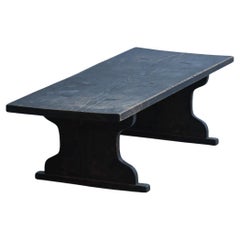
Japanese Antique Low Table, Wabi Sabi
Located in Katori-Shi, 12
This is an antique wooden low table from the Meiji period (1986-1912). The curved legs are
Category

Early 20th Century Japanese Meiji Antiquities

Materials

Wood

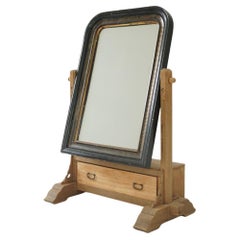
Japanese Antique Zelkova Stand Mirror, 1890s - Japandi Wabi-Sabi
Located in Chiba, Chiba
A Japanese antique stand mirror crafted from zelkova and dating to the 1890s. The piece features a
Category

Antique 1890s Japanese Meiji Furniture

Materials

Wood

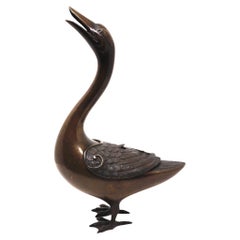
Antique Japanese Bronze Goose Incense Burner
Located in Point Richmond, CA
Antique Japanese bronze incense burner in the charming cast form of a goose, standing on both
Category

Early 20th Century Japanese Meiji Metalwork
Materials

Bronze

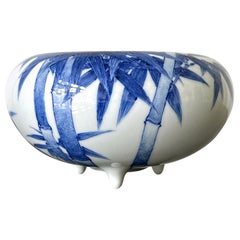
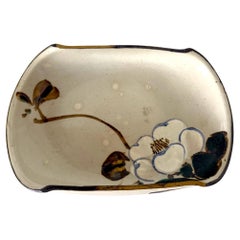
Japanese Glazed Ceramic Bowl by Makuzu Kozan
By Makuzu Kozan
Located in Atlanta, GA
Japanese Imperial household. His work was exhibited in many international fairs that the Meiji government
Category

Antique 1880s Japanese Meiji Ceramics

Materials

Ceramic

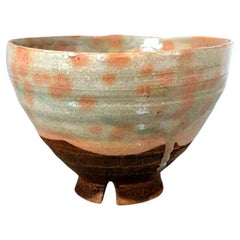
Japanese Glazed Ceramic Gohon Chawan Tea Bowl
Located in Atlanta, GA
A bespoken Japanese ceramic glazed tea bowl with fabric insert, pouch and original padded wood
Category

Antique 19th Century Japanese Meiji Ceramics

Materials

Ceramic

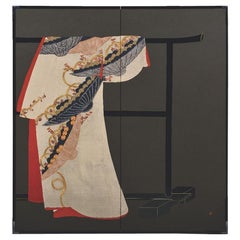
Japanese Contemporary Red Black Cream Folding Screen Silk Brocade Kimono Art, 3
Located in Takarazuka, JP
handcrafted silk raised kimono Japanese decorative art in crimson red, black and gold on beautiful aged off
Category

21st Century and Contemporary Japanese Meiji Paintings and Screens

Materials

Gold

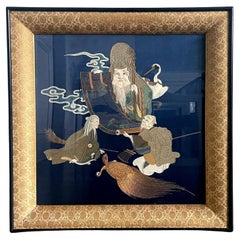
Framed Antique Japanese Embroidery Fukusa Panel
Located in Atlanta, GA
. Circa late 19th century of Meiji Period, Fukusa is a traditional Japanese textile art used to wrap and
Category

Antique Late 19th Century Japanese Meiji Textiles

Materials

Silk, Wood

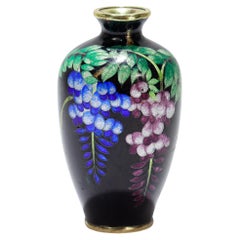
Antique Japanese Cloisonne Enamel Cabinet Vase with Wisteria
Located in Philadelphia, PA
A fine antique Japanese cloisonne enamel cabinet vase. With polychrome enamel on a brass base
Category

Antique 19th Century Japanese Meiji Metalwork

Materials

Enamel

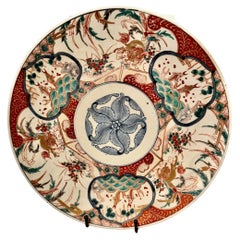
Large 19th Century Imari Charger, Meiji Period I
Located in Pasadena, CA
This is an impressive large Meiji period Imari charger. The charger features a central "stylized
Category

Antique Late 19th Century Japanese Anglo-Japanese Ceramics

Materials

Porcelain, Paint

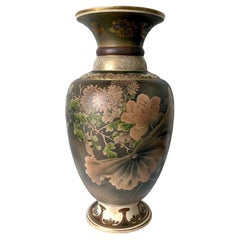
Large Japanese Satsuma Ceramic Vase Kinkozan
By Kinkozan
Located in Atlanta, GA
A large Japanese ceramic vase from the end of Meiji period circa 1890-1910s by Kinkozan (1645-1927
Category

Early 20th Century Japanese Meiji Ceramics

Materials

Ceramic

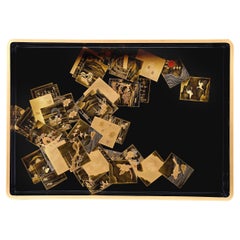
Japanese Lacquer Tray With Cards
Located in New Orleans, LA
This Meiji-period lacquer tray represents the mastery of Japanese craftsmen in the art of lacquer
Category

Antique Late 19th Century Japanese Meiji Lacquer

Materials

Gold

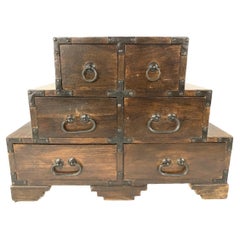
Diminutive Japanese Tansu Style Six Drawer Chest
Located in Bridgeport, CT
Heavy and solid wooden Tansu or apothecary style merchant box. The chest with riveted brackets, iron drop pull hardware and resting on bracket feet. Dimensions: 17 1/4" L x 7" D and...
Category

20th Century Japanese Meiji Furniture

Materials

Metal, Brass

Japanese Antique Cedar Storage Cabinet, 1880s–1900s - Japandi Wabi-Sabi
Located in Chiba, Chiba
A Japanese antique storage cabinet crafted from solid cedar, dating from the 1880s–1900s, in the
Category

Antique Late 19th Century Japanese Meiji Furniture

Materials

Wood

Japanese Ceramic Bowl Makuzu Kozan with Original Inscribed Box
By Makuzu Kozan
Located in Atlanta, GA
A glazed ceramic shallow bowl with surface paint decoration by Japanese imperial potter Makuzu
Category

Antique Early 1900s Japanese Meiji Ceramics

Materials

Ceramic

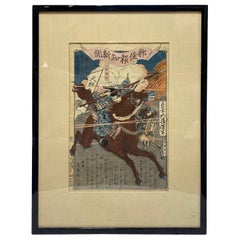
Yoshitoshi Tsukioka Signed Japanese Woodblock Print Samurai Warrors on Horseback
By Tsukioka Yoshitoshi
Located in Studio City, CA
A wonderful, powerful, and visually striking Meiji Period woodblock print by revered Japanese
Category

Antique 19th Century Japanese Meiji Prints

Materials

Paper

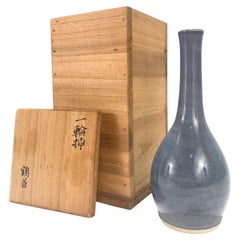
Signed Japanese Porcelain Periwinkle Blue Glaze Mallet Vase
Located in Philadelphia, PA
A fine signed, vintage Japanese porcelain vase. Of a mallet form. With a periwinkle blue glaze
Category

20th Century Japanese Meiji Ceramics

Materials

Porcelain

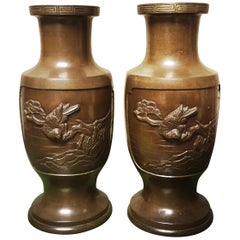
Pair of 19th Century Japanese Bronze Vases
Located in Dallas, TX
A pair of Japanese bronze vases depicting scenes with different birds. These would make a
Category

Early 20th Century Japanese Meiji Metalwork

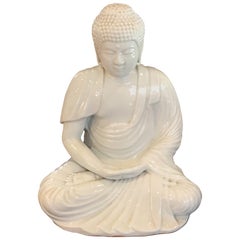
Antique Japanese Blanc de Chine Buddha
Located in Lambertville, NJ
A blanc de chine porcelain figure of the Buddha, Japanese, Kutani, circa 1900.
Category

Antique Early 1900s Japanese Meiji Sculptures and Carvings

Materials

Porcelain

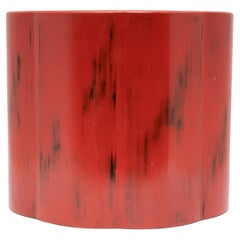
Japanese Red Lacquer Hibachi, c. 1900
Located in Chicago, IL
Japanese homes. Placed under a low wood kotatsu table with an open slat top, the hibachi functioned as a
Category

Early 20th Century Japanese Meiji Lacquer

Materials

Copper

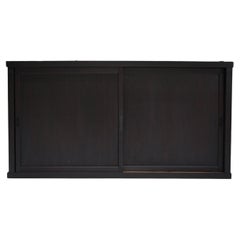
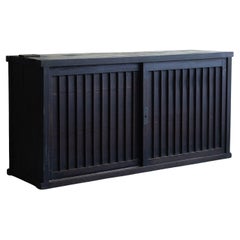
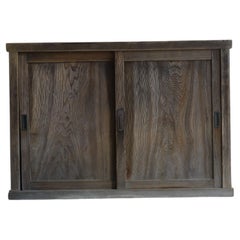
Japanese Antique Cabinets, Wabi Sabi, Japandi
Located in Katori-Shi, 12
This is an antique Japanese-style cabinet made in the Meiji period. The texture of the black
Category

Early 20th Century Japanese Meiji Antiquities

Materials

Wood

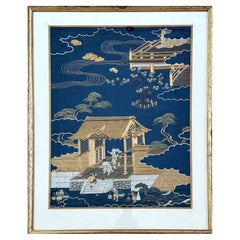
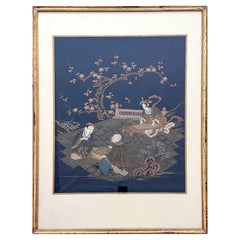
Framed Antique Japanese Embroidery Fukusa Textile Panel
Located in Atlanta, GA
A Japanese silk Fukusa Panel housed in a gilt frame circa late 19th century of Meiji Period. Fukusa
Category

Antique Late 19th Century Japanese Meiji Textiles

Materials

Silk, Wood

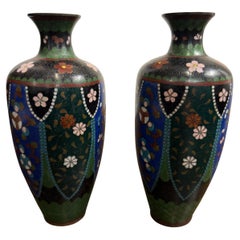
A Pair of Japanese Cloisonné Vases, 19th Century
Located in ARMADALE, VIC
A Pair of Japanese Cloisonné Vases, 19th Century With enameled flowers. Provenance: Private
Category

Antique 19th Century Japanese Meiji Metalwork

Materials

Metal

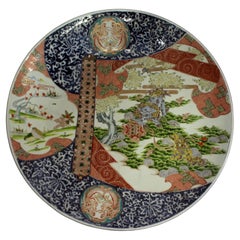
Circa 1860-80 Japanese Imari Grand Scale Charger
Located in Chapel Hill, NC
Circa 1860-80 Japanese Imari Grand Scale Charger. Meiji period. Superbly decorated with
Category

Antique Late 19th Century Japanese Meiji Ceramics

Materials

Ceramic

Framed Antique Japanese Embroidery Fukusa Textile Panel
Located in Atlanta, GA
A Japanese silk Fukusa Panel housed in a gilt frame circa late 19th century of Meiji Period. Fukusa
Category

Antique Late 19th Century Japanese Meiji Textiles

Materials

Silk, Wood

Japanese Antique Cabinets, Wabi Sabi, Japandi
Located in Katori-Shi, 12
This is a Japanese antique cabinet made in the Meiji period. This is a masterpiece that highlights
Category

Early 20th Century Japanese Meiji Antiquities

Materials

Wood

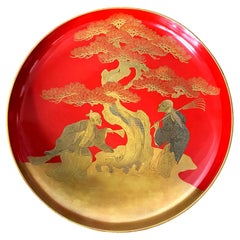
Japanese Lacquer Maki-e Plate of Takasago Story
Located in Atlanta, GA
branch. A beautiful example of late Meiji lacquer art.
Category

Antique 19th Century Japanese Meiji Lacquer

Materials

Lacquer

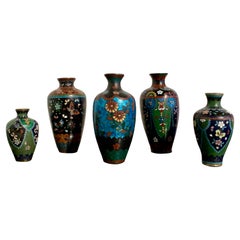
Group of 5 Small Japanese Cloisonne and Ginbari Vases, Early 20th Century, Japan
Located in Austin, TX
A charming group of five Japanese cloisonné and ginbari foiled vases, Meiji period, early 20th
Category

Early 20th Century Japanese Meiji Metalwork

Materials

Copper, Enamel, Foil, Wire

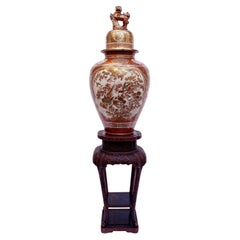
Large Red and Gold Vase In Porcelain Kutani Meiji Period with Small Table
Located in Milano, MI
Monumentale Vaso con Coperchio giapponese In Porcellana Kutani Periodo Meiji Fine 1800 a fondo
Category

Antique Late 19th Century Japanese Meiji Ceramics

Materials

Porcelain, Harewood

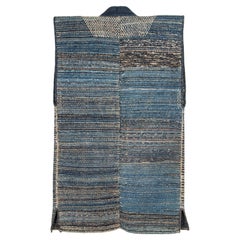
Antique Japanese Recycled Saki-Ori Farmer’s Vest
Located in Point Richmond, CA
Antique Japanese Recycled Saki-Ori Farmer’s Vest This late 19th C recycled farmer’s vest from
Category

Antique Late 19th Century Japanese Meiji Tribal Art

Materials

Cotton

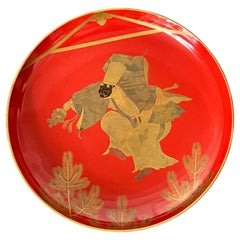
Japanese Lacquer Maki-e Plate of Masked Dancer
Located in Atlanta, GA
dish also features a fine rendition of a pine branch. A beautiful example of late Meiji lacquer art
Category

Antique 19th Century Japanese Meiji Lacquer

Materials

Lacquer

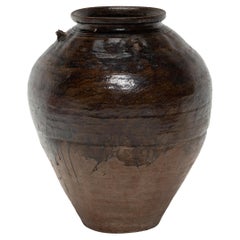
Japanese Glazed Tsubo Wine Jar, c. 1875
Located in Chicago, IL
This large, glazed stoneware vessel is a Meiji-era Japanese storage jar (tsubo) used for storing
Category

Antique Late 19th Century Japanese Meiji Ceramics

Materials

Stoneware

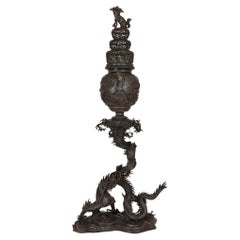
Large Patinated Bronze Japanese Koro Incense Burner
Located in London, GB
time of great industrial competition between the East and West. In the Meiji period, Japan applied
Category

Antique Late 19th Century Japanese Meiji Metalwork

Materials

Bronze

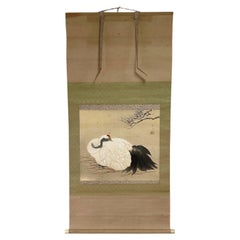
Early 20th century (Meiji period) crane scroll. Original storing box
Located in Fukuoka, JP
This Meji -Taisho period painting captures a serene moment in nature, depicting graceful bird resting. Painted on silk . Signed. Includes original storage box Size: Overall 138/...
Category

Early 20th Century Japanese Meiji Paintings and Screens

Materials

Silk, Paper

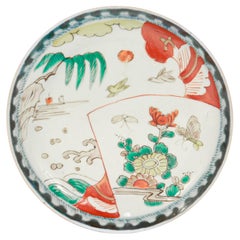
Antique Japanese Imari Porcelain Plate or Dish
Located in Philadelphia, PA
A fine antique Japanese (or Chinese) porcelain plate. With a white ground decorated with an ocean
Category

Early 20th Century Japanese Meiji Ceramics

Materials

Porcelain

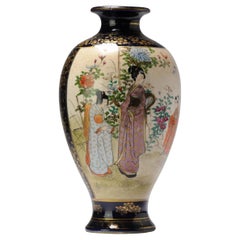
Antique ca 1900 Japanese Satsuma vase Richly Decorated Marked
Located in Amsterdam, Noord Holland
Description A Japanese Satsuma vase and cover marked base Condition Overall Condition: 1
Category

Antique 19th Century Japanese Meiji Ceramics

Materials

Porcelain

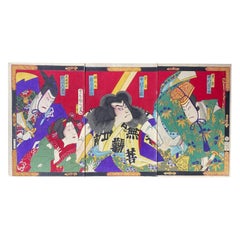
Toyohara Kunichika Japanese Triptych Woodblock Print of Kabuki Theater Actors
By Toyohara Kunichika
Located in Studio City, CA
addition to any Japanese art or print collection or an eye-catching stand-alone accent piece once framed
Category

Early 20th Century Japanese Meiji Prints

Materials

Paper

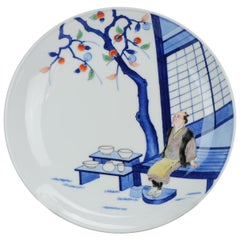
Large 13th Generation Kakiemon Beautiful Japanese Porcelain Plate
Located in Amsterdam, Noord Holland
somwhere in the 20th century Box and stand Included. 1906 Meiji -1982 Showa Condition
Category

20th Century Japanese Meiji Ceramics

Materials

Earthenware

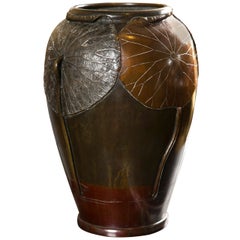
A Japanese Bronze Vase With Applied Lotus Leaf Design
Located in Stamford, CT
A Japanese patinated bronze vase with alternating lotus leaf design. Meiji Period
Category

Antique 19th Century Japanese Meiji Metalwork

Materials

Bronze

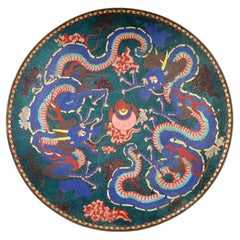
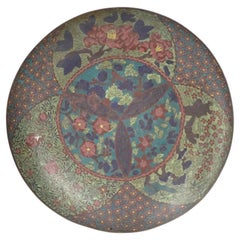
Large Japanese Dragon Design Cloisonne Enamel Plate
Located in Long Island City, NY
A large Japanese enamel plate charger. The plate is enameled with a polychrome design representing
Category

Early 20th Century Japanese Meiji Metalwork

Materials

Enamel

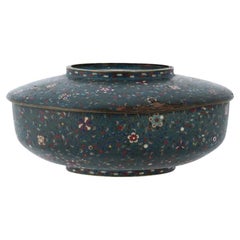
Antique Edo Japanese Cloisonne Geometric Design Box
Located in Long Island City, NY
An antique Japanese flat brass enamel ceremonial food container with a cover. Characterized by
Category

Antique 19th Century Japanese Meiji Metalwork

Materials

Brass, Enamel

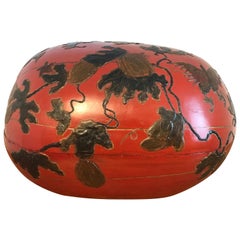
Huge Japanese Red Lacquerware Gourd Motif Box
Located in West Palm Beach, FL
Huge Japanese red lacquerware gourd motif box, decorated in relief with Japanese gourds suspended
Category

Early 20th Century Japanese Meiji Lacquer

Materials

Lacquer

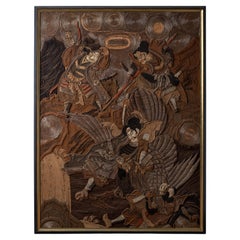
Japanese Samurai Battling Tengu Embroidered Tapestry, 19th Century
Located in Savannah, GA
A Meiji tapestry of silk, wool and gold thread depicting samurai battling tengu, 19th century
Category

Antique 19th Century Japanese Meiji Textiles

Materials

Wool, Silk, Wood

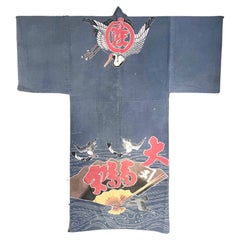
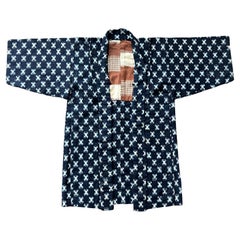
Japanese Fisherman Festival Kimono with Tsutsugaki Design
Located in Atlanta, GA
A Japanese festival Kimono robe circa late 19th to early 20th century (end of Meiji Period) for
Category

Early 20th Century Japanese Meiji Textiles

Materials

Cotton, Linen

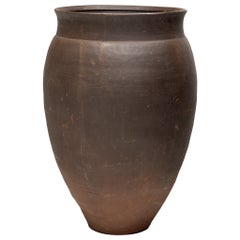
Monumental Japanese Sake Vessel, c. 1850
Located in Chicago, IL
This elegant, large-scale vessel is a Japanese widemouth stoneware jar (kame) traditionally used
Category

Antique Mid-19th Century Japanese Meiji Ceramics

Materials

Porcelain, Stoneware

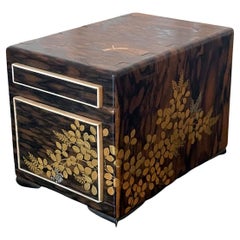
Fine Miniature Japanese Kodansu with Lacquer Inlays
Located in Atlanta, GA
A fine Japanese miniature kodansu constructed from Kaki wood (Persimmon) circa 19th century, late
Category

Antique Late 19th Century Japanese Meiji Lacquer

Materials

Wood

Fine Japanese Ceramic Satsuma Vase by Kinkozan
By Kinkozan
Located in Atlanta, GA
A miniature Japanese ceramic vase from the end of Meiji period circa 1880s- 1910s by Kinkozan (1645
Category

Early 20th Century Japanese Meiji Ceramics

Materials

Ceramic

Japanese Lacquer Box
Located in New Orleans, LA
This exquisite Meiji-period lacquer document box known as a ryoshibako showcases the meticulous
Category

Antique 19th Century Asian Meiji Lacquer

Materials

Gold

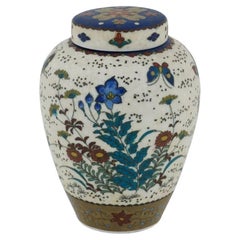
Japanese Totai Covered Cloisonne Enamel Porcelain Jar
Located in Long Island City, NY
A large Japanese covered Totai enamel on porcelain ginger jar. The ware is enameled with polychrome
Category

Antique 19th Century Japanese Meiji Metalwork

Materials

Enamel

Japanese Totai Cloisonne Enamel On Porcelain Bottles
Located in Long Island City, NY
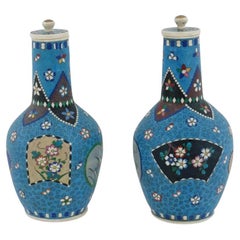
A pair of Japanese covered Totai enamel on porcelain bottles. The wares are enameled with
Category

Antique 19th Century Japanese Meiji Metalwork

Materials

Enamel

Antique Japanese Satsuma Pottery Bud Vase
By Makuzu Kozan
Located in Philadelphia, PA
A fine antique Japanese Satsuma pottery vase. In the form of a bud vase with a round base and
Category

Early 20th Century Japanese Meiji Ceramics

Materials

Pottery

Rare Japanese Porcelain Painted Footed Dish Makuzu Kozan
By Makuzu Kozan
Located in Atlanta, GA
of Japanese Potter Makuzu Kozan. Also known as Miyagawa Kozan (1842–1916), Makuzu was one of the most
Category

Antique Early 1900s Japanese Meiji Ceramics

Materials

Porcelain

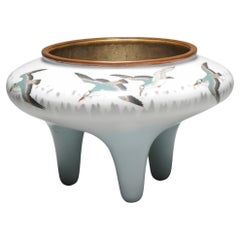
Lovely 19c Antique Japanese Bronze Cloisonne Censer Birds Flying
Located in Amsterdam, Noord Holland
Catherina collection of Japanese bronzes and cloisonne that was partly auctioned in Amsterdam in 2006 at
Category

Antique 19th Century Japanese Meiji Ceramics

Materials

Bronze

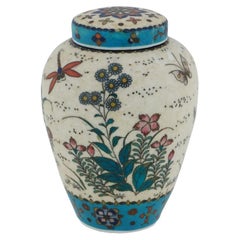
Japanese Totai Covered Cloisonne Enamel Porcelain Jar
Located in Long Island City, NY
A Japanese covered Totai enamel on porcelain ginger jar. The ware is enameled with polychrome
Category

Antique 19th Century Japanese Meiji Metalwork

Materials

Enamel

Japanese Totai Covered Cloisonne Enamel Porcelain Jar
Located in Long Island City, NY
A Japanese covered Totai enamel on porcelain ginger jar. The ware is enameled with polychrome
Category

Antique 19th Century Japanese Meiji Metalwork

Materials

Enamel

Rare Japanese Woven Ikat Child Kimono Nemaki
Located in Atlanta, GA
A rare and well preserved Japanese woven child's kimono circa early 20th century (end of Meiji
Category

Early 20th Century Japanese Meiji Textiles

Materials

Cotton

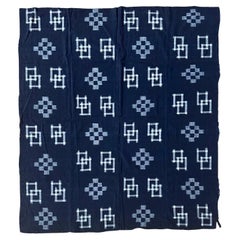
Japanese Textile Panel Double Ikat Kasuri Futon Cover
Located in Atlanta, GA
A Japanese woven cotton textile panel with white pattern on indigo background circa 1900-20s (end
Category

Early 20th Century Japanese Meiji Textiles

Materials

Cotton

Large Rare Antique Japanese Cloisonne Enamel Plate
Located in Long Island City, NY
A large rare antique, Meiji era, Japanese enamel over copper plate or charger. The interior of the
Category

Antique Late 18th Century Japanese Meiji Metalwork

Materials

Copper, Enamel

  • 1
  • ...
Get Updated with New Arrivals
Save "Japanese Meiji Art", and we’ll notify you when there are new listings in this category.

Japanese Meiji Art For Sale on 1stDibs

At 1stDibs, there are many versions of the ideal piece of Japanese meiji art for your home. Was constructed with extraordinary care, often using metal, wood and ceramic. If you’re shopping for an item from our selection of Japanese meiji art, we have 4376 options in-stock, while there are 157 modern editions to choose from as well. Your living room may not be complete without a choice in our collection of Japanese meiji art — find older editions for sale from the 18th Century and newer versions made as recently as the 21st Century. An object in our assortment of Japanese meiji art made by Art Nouveau designers — as well as those associated with folk art — is very popular. Kinkozan, Satsuma and Makuzu Kozan each produced at least one beautiful option in this array of Japanese meiji art that is worth considering.

How Much is a Japanese Meiji Art?

Prices for a piece of Japanese meiji art can differ depending upon size, time period and other attributes — at 1stDibs, they begin at $50 and can go as high as $1,000,000, while the average can fetch as much as $1,813.

A Close Look at Meiji Furniture

From 1868 to 1912, Emperor Mutsuhito oversaw an era of transformation in Japan. Formerly a country of feudalism and isolation, Japan entered an age of modernization influenced by newly established trade and exchange with the West. The Meiji period, or period of “enlightened rule,” also saw the global impact of the East Asian country’s culture. Japanese Meiji furniture was exhibited at expositions from Paris to San Francisco and created for export.

Prior to the Meiji era, furniture was mostly made by commission for the ruling class; now there were new domestic and international markets. European styles like Japonisme appropriated Japanese design while craftsmen in places like Wales and England employed japanning, a varnishing technique that approximated the appearance of lacquer for the surfaces of furnishings.

Meiji furniture made for Japanese homes and buildings constructed in Western styles resulted in taller tables, chairs, cabinets with large drawers and other features. The government invested in areas such as transportation and communication, and because people could freely choose occupations after the restrictions of feudalism, industries of various types were energized by expressive new ideas during those years. Art schools were formed and, for the first time, design was an area of study in the country, leading to the evolution of professional design as a career by the 1890s.

The work of Japanese designers was transmitted widely through lavishly illustrated pattern books that included designs for screens and lacquerware for the home. While screens today may be of use as decorative accents or partitions to ensure privacy in one’s space, Japanese screens were adorned with paintings and were featured in performing arts such as concerts, tea ceremonies and more. The color illustrations that characterize Meiji woodblock prints, a genre of Japanese art that grew out of 17th-century developments in printing and book publishing, depicted the sweeping changes that the era brought to East Asia.

Although it was a time of societal and cultural shifts, a bolstered interest in art and design elevated Japanese craft traditions. From colorful porcelain table lamps with silk shades and hardwood tables decorated with dark lacquer to cabinets featuring iron hardware and inlaid with mother-of-pearl, Meiji furniture showcased Japan’s artistic heritage to the world.

Find a collection of antique Japanese Meiji period case pieces and storage cabinets, decorative objects, wall decorations and more furniture on 1stDibs.

Finding the Right Asian Art And Furniture for You

From Japanese handmade earthenware pottery, originating circa 14,500 B.C. and adorned with elaborate corded patterns known as jōmon, to natural elm case pieces and storage cabinets built in Qing dynasty–era China to mid-century Thai rice-paper charcoal rubbings, antique and vintage Asian art and furniture make for wonderful additions to all kinds of contemporary interiors.

Eastern elements elevate any home’s decor. Introduce zen sensibility to your living room, dining room and bedroom with the neutral color palettes and the natural materials such as rattan, bamboo and elm that we typically associate with traditional Asian furniture. Decorative handwoven embroideries and textiles originating from India and elsewhere on the continent, which can be draped over a bed or sofa or used as a wall hanging, can be as practical as they are functional, just as you wouldn’t seek out Japanese room-divider screens — often decorated with paintings but constructed to be lightweight and mobile — merely for privacy.

With everything from blanket chests to lighting fixtures to sculptures and carvings, it’s easy to tastefully bring serenity to your living space by looking to the treasures for which the East has long been known.

For British-born furniture designer Andrianna Shamaris, the Japanese concept of beauty in imperfection isn’t limited to her Wabi Sabi collection. She embraces it in her New York City apartment as well. In the living area, for instance, she retained the fireplace’s original black marble while swathing its frame and the rest of the room in bright white.

“We left the fireplace very clean and wabi-sabi, so that it blended into the wall,” says Shamaris, who further appointed the space with a hand-carved antique daybed whose plush pillows are upholstered in antique textiles from the Indonesian island of Sumba.

In the growing antique and vintage Asian art and furniture collection on 1stDibs, find ceramics from China, antiquities from Cambodia and a vast range of tables, seating, dining chairs and other items from Japan, India and other countries.

Questions About Japanese Meiji Art
  • 1stDibs ExpertApril 16, 2024
    The focus of Japanese art varies. Many traditional Japanese artists sought to capture the beauty of nature in their works. However, other Japanese artists have produced work with Buddhist themes, and contemporary artists working in the country have been inspired by a range of subjects, from socioeconomic and political issues to pop culture. On 1stDibs, explore a large selection of Japanese art.
  • 1stDibs ExpertApril 5, 2022
    The writing on Japanese art is calligraphy art called shodo. It uses Japanese kanji and kana characters. There are a variety of different shodo styles of art, including Kaisho, which is the basic, foundational form of the art. On 1stDibs, find a range of Japanese calligraphy art from top sellers..
  • 1stDibs ExpertApril 5, 2022
    There are a variety of different types of Japanese art. One of the oldest and most admired forms of Japanese art is the art of calligraphy, which originated in the sixth or seventh century. Another type of art, ukiyo-e, is the art of the woodblock print, which depicts scenes of female beauties; kabuki actors, sumo wrestlers and more. You’ll find a variety of Japanese artwork from some of the world’s top art dealers on 1stDibs.
  • 1stDibs ExpertApril 5, 2022
    Many art styles originated in Japan and grew in popularity over the years. Some of the most popular styles include shodo (calligraphy), ikebana, kanou and yamato-e. You’ll find a wide variety of authentic Japanese art from some of the world’s top dealers on 1stDibs.
  • 1stDibs ExpertApril 5, 2022
    What Japanese wall art is called depends on its type. There are numerous kinds of Japanese paintings and prints, including nihonga and ukiyo-e. A Japanese wall scroll is known as a kakejiku or kakemono. On 1stDibs, find a variety of Japanese wall art.
  • 1stDibs ExpertSeptember 23, 2024
    What the Japanese sea art is called depends on its type. Many examples of sea art from Japan are called ukiyo-e. This term refers to woodblock prints made during the 17th, 18th and 19th centuries. The Great Wave off Kanagawa by Katsushika Hokusai is arguably the most famous ukiyo-e print depicting the sea. On 1stDibs, find a wide variety of Japanese woodblock prints.
  • 1stDibs ExpertOctober 15, 2024
    To tell if art is Japanese or Chinese, study the piece's characteristics. With paintings, Chinese artists often use more color and tend to fill their entire canvases, while Japanese artists often include more negative space and choose subtler colors. There are also differences between the brushstrokes typical of traditional Chinese and Japanese art. In Japanese paintings, brushstrokes are often short and sharp. On the other hand, Chinese paintings often display longer, more fluid brushstrokes. Learning about the defining features of various art forms and periods and looking at examples of pieces made by Japanese and Chinese artists can help you learn to spot subtle differences. Explore a diverse assortment of Japanese and Chinese art on 1stDibs.