Japanese Meiji Art

to
734
2,343
1,376
4,494
163
12
5
4
2
1
24
3,073
1,397
163
1,168
40
10
250
29
10
5
1
2
1
1
1
1,888
1,272
1,233
799
718
4,529
4,500
4,459
40
4
4,655
4,645
4,646
44
36
30
22
19
Sort By
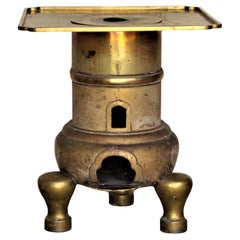
Antique 19th Century Japanese Bronze Kiln
Located in Rochester, NY
Antique Japanese large pagoda form bronze kiln or furnace for melting shaping metal w/ the original
Category

Antique 19th Century Japanese Meiji Metalwork

Materials

Bronze, Iron, Metal

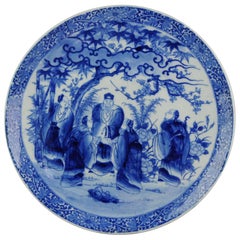
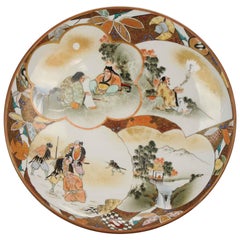
Japanese Porcelain Serving Dish Wise Men in Garden, circa 1900
Located in Amsterdam, Noord Holland
Here we have a very nice large Japanese porcelain serving dish with very nice scene of wise men in
Category

Antique 19th Century Japanese Meiji Ceramics

Materials

Earthenware

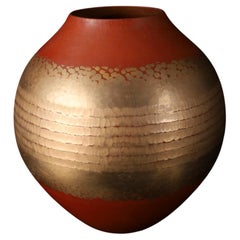
Japanese Hand-Hammered Copper Vase by Gyokusendō — Signed, with Original Tomobak
Located in Fukuoka, JP
Dimensions: Height 16 cm Origin: Tsubame, Niigata, Japan Material: Pure copper (dōsei) A finely
Category

Early 20th Century Japanese Meiji Metalwork

Materials

Copper

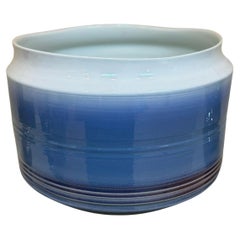
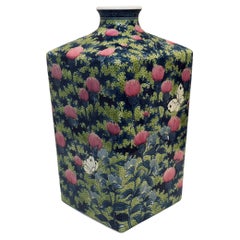
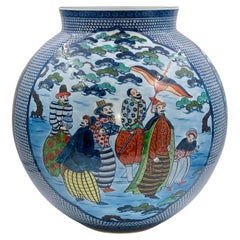
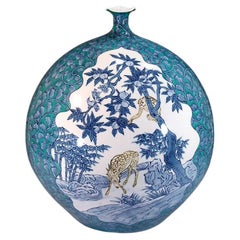
Japanese Contemporary Blue Red White Porcelain Vase by Master Artist
Located in Takarazuka, JP
Extraordinary museum-quality Japanese contemporary hand-glazed decorative porcelain vase in a
Category

21st Century and Contemporary Japanese Meiji Ceramics

Materials

Porcelain

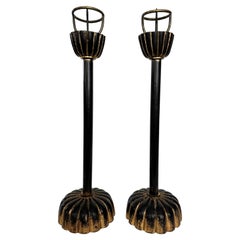
Pair Of Japanese Wood Shokudai with Chrysanthemum Base And Brass Prickets
Located in Point Richmond, CA
Pair of Japanese wood Shokudai with chrysanthemum shaped base, brass prickets and gold leaf
Category

Early 20th Century Japanese Meiji Furniture

Materials

Brass

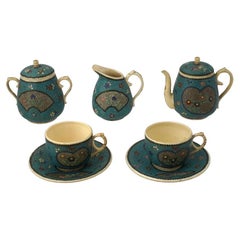
Japanese Cloisonne Enamel Ceramic Tea Set Of 7 Pcs
Located in Long Island City, NY
A Japanese enamel on ceramic tea set. A total of 7 items. The set comprises a pair of cups and
Category

Antique 19th Century Japanese Meiji Metalwork

Materials

Enamel

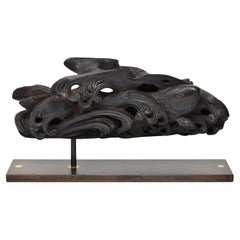
Jizai Koi and Water Motif, Japan, Miji Period
Located in Point Richmond, CA
a reminder to live an ideal life. A classic Japanese art object. Mounted on a custom steel
Category

Antique Late 19th Century Japanese Meiji Sculptures and Carvings

Materials

Wood

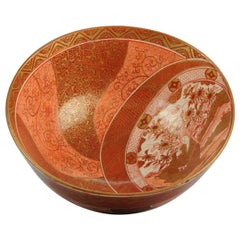
Antique 19th Century Japanese Kutani Bowl Marked on Base Figures Garden
Located in Amsterdam, Noord Holland
x 100mm Period Meiji Periode (1867-1912).
Category

Antique 19th Century Japanese Meiji Ceramics

Materials

Earthenware

Japanese Contemporary Green Pink Porcelain vase by Master Artist
Located in Takarazuka, JP
This extraordinary Japanese contemporary museum-quality decorative porcelain vase features a patch
Category

21st Century and Contemporary Japanese Meiji Ceramics

Materials

Porcelain

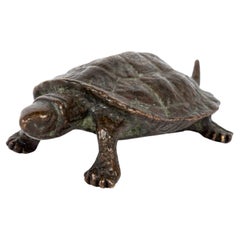
Japanese bronze sculpture or Okimono of a small yet realistic walking turtle
Located in PARIS, FR
. To thank him, the mother of the little survivor invites him to her underwater kingdom. Japan, Meiji
Category

Antique Late 19th Century Japanese Meiji Metalwork

Materials

Bronze

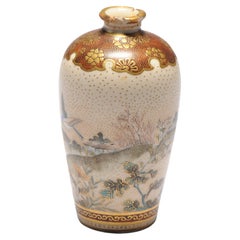
Antique ca 1900 Japanese Satsuma Top Quality Mini Vase Richly Decorated
Located in Amsterdam, Noord Holland
63mm high Period Meiji Periode (1867-1912).
Category

Antique 19th Century Japanese Meiji Ceramics

Materials

Porcelain

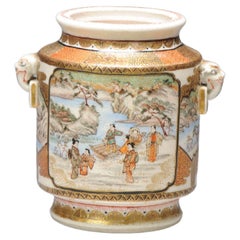
Antique ca 1900 Japanese Satsuma Top Quality Jar Richly Decorated Unmarked
Located in Amsterdam, Noord Holland
. Size 75mm high Period Meiji Periode (1867-1912).
Category

Antique 19th Century Japanese Meiji Ceramics

Materials

Porcelain

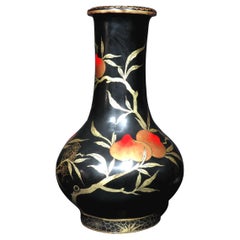
A Monumental 19th C. Ryukyu Hariko (Papier Mâché) Vase, Meiji Period (1868-1912)
Located in Ottawa, Ontario
A stunningly attractive exceptionally large baluster shaped ‘Ryukyu Hariko’ (papier mâché) vase, masterfully decorated overall with hand painted images of a fruiting peach tree...
Category

Antique Early 1900s Japanese Meiji Lacquer

Materials

Lacquer, Paper

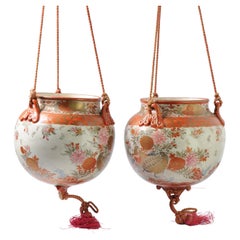
Pair Antique 19th/20C Japanese Kutani Hanging Vases Landscape Two Quails
Located in Amsterdam, Noord Holland
Period 19th century 20th century Meiji Periode (1867-1912).
Category

20th Century Japanese Meiji Ceramics

Materials

Porcelain

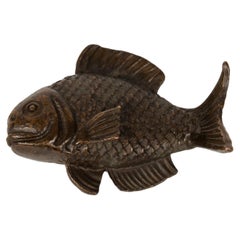
Japanese Bronze Bunchin or papper holder in the form of a fish
Located in PARIS, FR
fishing boat or just pulled from a net. Foundry mark underneath. Japan – Meiji era (1868-1912) Height : 2
Category

Antique Late 19th Century Japanese Meiji Metalwork

Materials

Bronze

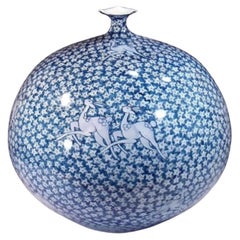
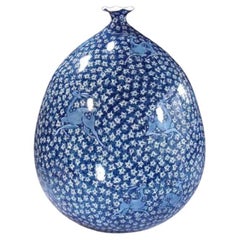
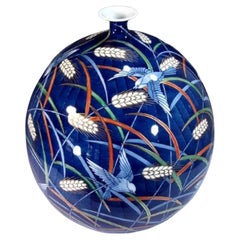
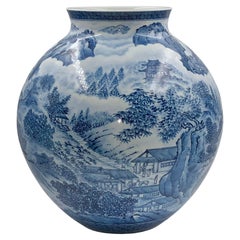
Japanese Blue White Porcelain Vase by Master Artist, 2
Located in Takarazuka, JP
Exquisite contemporary Japanese decorative porcelain vase, intricately hand-painted in blue on a
Category

21st Century and Contemporary Japanese Meiji Ceramics

Materials

Porcelain

Japanese Kutani Sei Ceramic Dishes, Set of Six, Late 19th Century
By Kutani Studio
Located in Bochum, NRW
Japanese Kutani Sei ceramic dishes, set of six, late 19th century. Rectangular quadrilobe shape
Category

Antique 1880s Japanese Meiji Ceramics

Materials

Ceramic

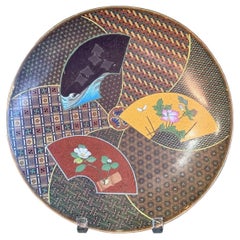
Fine Japanese Cloisonne Enamel Fan Design Plate with Tokugawa Mon by Goto
Located in Long Island City, NY
important example for collectors of high level Meiji period Japanese cloisonne enamel. Diameter twelve
Category

Antique Late 19th Century Japanese Meiji Metalwork

Materials

Enamel

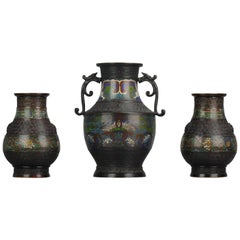
Garniture Antique circa 1900 Japanese Bronze Vase Flowers Home Decoration
Located in Amsterdam, Noord Holland
A very nice garniture of bronze Vases with enamels. Good for home decoration. Condition / / Overall condition close to Perfect, minimal age signs like small spots of missing e...
Category

Antique 19th Century Japanese Meiji Ceramics

Materials

Bronze

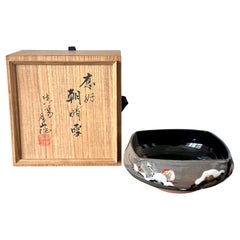
Rare Published Japanese Ceramic Bowl Makuzu Kozan with Original Inscribed Box
By Makuzu Kozan
Located in Atlanta, GA
A rare published glazed ceramic bowl with surface paint decoration by Japanese imperial potter
Category

Antique Early 1900s Japanese Meiji Ceramics

Materials

Ceramic

Antique 19th Century Japanese Kutani Vase Marked on Base Figures Garden
Located in Amsterdam, Noord Holland
Period Meiji Periode (1867-1912).
Category

20th Century Japanese Meiji Ceramics

Materials

Earthenware

Japanese Hand-Hammered Copper Vase by Gyokusendō — Signed, with Original Tomobak
Located in Fukuoka, JP
Dimensions: Height 18.7 cm Origin: Tsubame, Niigata, Japan Material: Pure copper (dōsei) A finely
Category

Early 20th Century Japanese Meiji Metalwork

Materials

Copper

Antique Early 20th Century Japanese Satsuma Tea Caddy Figures Decorated Marked
Located in Amsterdam, Noord Holland
gilding. Size: 170 mm Period: Meiji Periode (1867-1912).
Category

Antique 19th Century Japanese Meiji Ceramics

Materials

Earthenware

Antique 19th or Early 20C Japanese Kutani Hanging Vase Landscape Birds
Located in Amsterdam, Noord Holland
. Condition Upper rim is over fired and has some repainting. Size: 150 x 150 mm D x H Period Meiji Periode
Category

20th Century Japanese Meiji Ceramics

Materials

Porcelain

Pair of Japanese Large Bronze Vases with Turtles and Cranes
Located in Hudson, NY
Early Meiji period (1868-1912) bronze vases, incised, detailed designs on each vase. One vase is
Category

Antique Late 19th Century Japanese Meiji Metalwork

Materials

Bronze

Japanese Contemporary Blue Porcelain Vase by Master Artist, 2
Located in Takarazuka, JP
Contemporary Japanese decorative porcelain vase, intricately hand painted in blue on a stunningly
Category

21st Century and Contemporary Japanese Meiji Ceramics

Materials

Porcelain

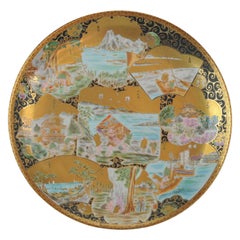
Antique 19th-20th Century Japanese Satsuma Charger Figures Wise Men Mountains
Located in Amsterdam, Noord Holland
Period: Meiji Periode (1867-1912) Showa Periode (1926-1989) Taisho Periode (1912-1926).
Category

Antique 19th Century Japanese Meiji Ceramics

Materials

Porcelain

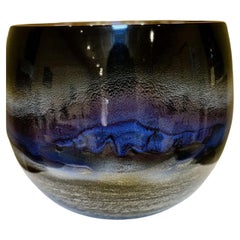
Japanese Contemporary Blue Brown Porcelain Vase by Master Artist, 2
Located in Takarazuka, JP
Exquisite museum quality Japanese contemporary hand-glazed decorative porcelain vase in a striking
Category

21st Century and Contemporary Japanese Meiji Ceramics

Materials

Porcelain

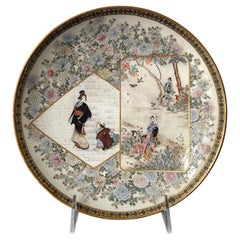
Japanese Satsuma Ceramic Dish with Fine Decoration by Kinkozan
By Kinkozan
Located in Atlanta, GA
A satsuma ceramic dish made by Kinkozan studio circa 1980-1900s in the late Meiji Period. The dish
Category

Antique Late 19th Century Japanese Meiji Ceramics

Materials

Ceramic

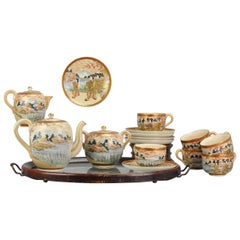
Antique Japanese Satsuma Coffee or Tea Set Richly Decorated Marked Base
Located in Amsterdam, Noord Holland
380mm without handles. Size Satsuma 100-135mm high pots. Diameter sa Period Meiji Periode (1867-1912).
Category

Antique 19th Century Japanese Meiji Ceramics

Materials

Earthenware

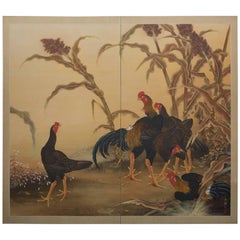
Japanese Two Panel Screen: Chickens in a Millet Grove
Located in Hudson, NY
Japanese Two Panel Screen: Chickens in a Millet Grove, Meiji period (1868 - 1912) painting of a
Category

Early 20th Century Japanese Meiji Paintings and Screens

Materials

Silk

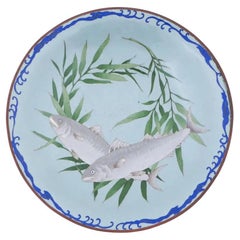
19th Century Japanese cloisonné Bowl with Fish Attributed to Hattori Tadasaburo
Located in Long Island City, NY
An antique Japanese copper plate with cloisonne enamel design. Late Meiji era, ca. 1910s. The piece
Category

Antique 19th Century Japanese Meiji Metalwork

Materials

Enamel, Copper

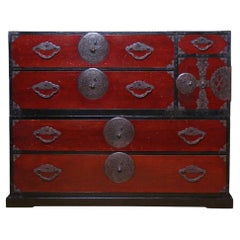
Japanese Tansu, chest-on-chest (isho kasane-dansu), Yonezawa
Located in Point Richmond, CA
Japanese chest-on-chest for clothing storage (isho kasane-dansu) from Yonezawa, constructed of
Category

Antique Late 19th Century Japanese Meiji Furniture

Materials

Wood

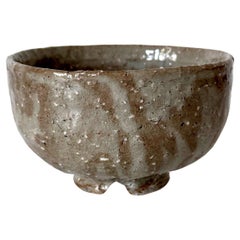
Japanese Glazed Mino Tea Bowl Chawan Showa Period Ex-Musuem
Located in Atlanta, GA
A Japanese glazed ceramic tea bowl (chawan) in Gohon style likely made in Showa period of 20th
Category

Early 20th Century Japanese Meiji Ceramics

Materials

Ceramic

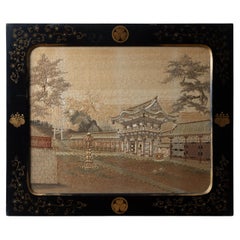
Japanese Silk Embroidery in Lacquer Frame, c.1890
Located in Savannah, GA
A Japanese export silk embroidery of a Shinto shrine in original parcel gilt ebonized lacquer frame
Category

Antique Late 19th Century Japanese Meiji Textiles

Materials

Silk, Glass, Wood, Lacquer

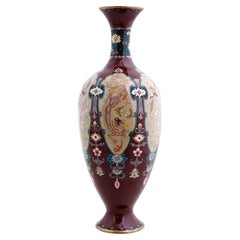
Antique Japanese Cloisonne Enamel Vase Dragon Phoenix Birds Pink And Red
Located in Long Island City, NY
An antique Japanese cloisonne enamel vase of baluster form, featuring a tiny neck and flared mouth
Category

Antique 19th Century Japanese Meiji Metalwork

Materials

Enamel

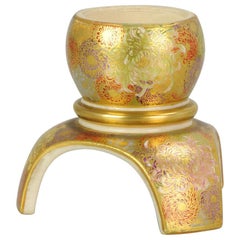
Antique 19th Century Japanese Satsuma High Quality Millefiori Stand/Brush Pot Ry
Located in Amsterdam, Noord Holland
Fabulous and highly detailed Japanese Satsuma stand for bowl, Lantarn holder or brushpot (still
Category

Antique 19th Century Japanese Meiji Ceramics

Materials

Earthenware

17th century Japanese Porcelain Figural Jug Blue White Dish Antique
Located in Amsterdam, Noord Holland
Description Sharing with you a very nice example of the Edo period. Made in Arita late 17th c. With sublime cobalt blue colours and painting. With figural garden landscape scene. ...
Category

Antique 17th Century Japanese Meiji Ceramics

Materials

Porcelain

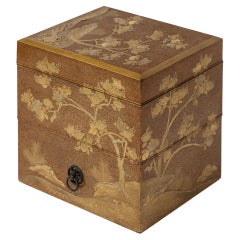
Japanese Tebako in Nashiji lacquer adorned with golden Persimon flowers
Located in PARIS, FR
the objects necessary for washing and make-up, especially blush and mirror boxes. Japan, Meiji
Category

Antique Early 19th Century Japanese Meiji Lacquer

Materials

Gold

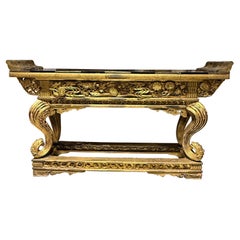
A Japanese Black Lacquer and Water-Gilt Altar Table, Late 19th Century
Located in ARMADALE, VIC
A Japanese Black Lacquer and Water-Gilt Altar Table, Late 19th Century Description: The altar
Category

Antique Late 19th Century Japanese Meiji Furniture

Materials

Wood

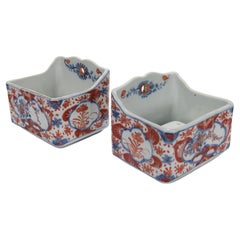
Pair of Old or Antique Japanese Imari Porcelain Soap Dishes
By Imari Porcelain
Located in Philadelphia, PA
A pair of fine antique Japanese Imari porcelain soap dishes Decorated throughout with floral
Category

Early 20th Century Japanese Meiji Ceramics

Materials

Porcelain

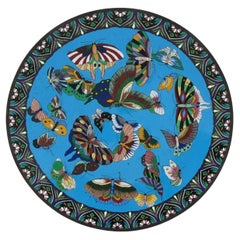
Antique Japanese Cloisonne Enamel Turquois Rainbow Color Butterfly Plate
Located in Long Island City, NY
An antique Japanese enamel over copper plate. The plate is enameled with a polychrome butterfly
Category

Antique Late 19th Century Japanese Meiji Metalwork

Materials

Copper, Enamel

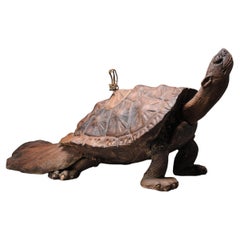
Antique Iwayaki Earthenware Edo Incense Burner of a Turtle 19th Century Japan
Located in Amsterdam, Noord Holland
removed. Okimono (置物, oki-mono) is a Japanese term meaning "ornament for display; objet d'art; decorative
Category

Antique 19th Century Japanese Meiji Ceramics

Materials

Earthenware

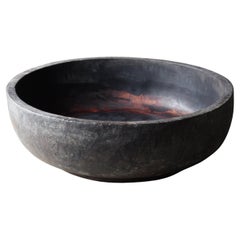
Japanese Antique Huge Wooden Bowl 1906s / Primitive Object Wabisabi Mingei
Located in Chōsei District Nagara, JP
This is a huge old Japanese lacquer wood bowl. It was manufactured in 1906 (Meiji period), and its
Category

Antique Early 1900s Japanese Meiji Antiquities

Materials

Cedar, Lacquer

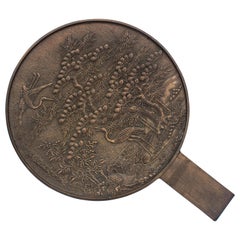
19th Century Oriental Bronze Japanese Kagami Handled Mirror
Located in Moreno Valley, CA
Antique traditional Oriental bronze Japanese Kagami handled Mirror. An exceptional and stunning
Category

Antique Late 19th Century Japanese Meiji Metalwork

Materials

Bronze

Japanese Blue Green Red Porcelain Vase by Master Artist, 3
Located in Takarazuka, JP
Exquisite Japanese museum-quality decorative porcelain vase, extremely intricately hand-painted in
Category

21st Century and Contemporary Japanese Meiji Ceramics

Materials

Porcelain

Japanese Blue Red White Porcelain Vase by Master Artist, 3
Located in Takarazuka, JP
Exquisite Japanese Contemporary porcelain decorative vase, extremely intricately hand painted in
Category

21st Century and Contemporary Japanese Meiji Ceramics

Materials

Porcelain

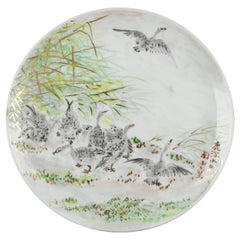
Perfect 20th-21st Century Japanese Porcelain Charger Birds Gooses in Landscape
Located in Amsterdam, Noord Holland
A very nicely decorated Japanese Porcelain plate, stunning colors. Marked at base. 17-12-19-1-16
Category

20th Century Japanese Meiji Ceramics

Materials

Earthenware

Fantastic Japanese Kutani Charger Figures and Scenes of Daily Life
Located in Amsterdam, Noord Holland
Large and very detailed piece. Condition Overall condition perfect in wooden box. Size: 315 mm Period Meji Period: circa 1900
Category

Antique Early 1900s Japanese Meiji Ceramics

Materials

Porcelain

Japanese Contemporary Blue White Porcelain Vase by Master Artist, 3
Located in Takarazuka, JP
Extraordinary Japanese contemporary museum-quality decorative porcelain vase, painstakingly
Category

21st Century and Contemporary Japanese Meiji Ceramics

Materials

Porcelain

Japanese Porcelain Vase Blue Green by Master Artist, 5
Located in Takarazuka, JP
Exquisite Japanese contemporary decorative porcelain vase, intricately hand painted in green and
Category

21st Century and Contemporary Japanese Meiji Ceramics

Materials

Porcelain

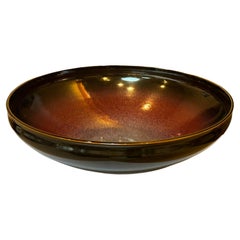
Japanese Contemporary Red Black Cream Porcelain Bowl by Master Artist, 2
Located in Takarazuka, JP
Mesmerizing Japanese contemporary signed exhibition porcelain bowl/centerpiece in stunning red
Category

21st Century and Contemporary Japanese Meiji Ceramics

Materials

Porcelain

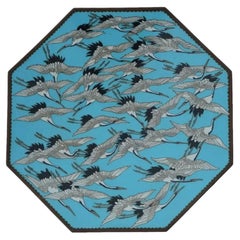
Japanese Cloisonne Turquoise Ground Crane Frenzy Plate Attributed to Hayashi
Located in Long Island City, NY
An antique Japanese, Meiji era, enamel over copper plate or charger attributed to Hayashi Kodenji
Category

Antique Late 19th Century Japanese Meiji Metalwork

Materials

Copper, Enamel

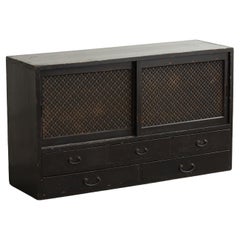
Japanese antique cabinet with wooden lattice doors, Wabi Sabi, Japandi
Located in Katori-Shi, 12
This is a tasteful Japanese-style storage shelf made in the Meiji period. Made of durable cedar
Category

Early 20th Century Japanese Meiji Antiquities

Materials

Wood

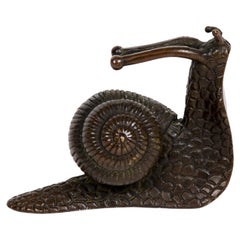
Japanese bronze of a Snail in a Naturalist Pose
Located in PARIS, FR
burner. Foundry stamp at the base of the tail Japan – Meiji era (1868-1912) Length: 7.5 – Width: 3.5
Category

Antique Late 19th Century Japanese Meiji Sculptures and Carvings

Materials

Bronze

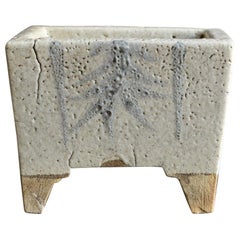
Japanese antique pottery small incense burner/bonsai pot/1868-1920
Located in Sammu-shi, Chiba
This is believed to be a small incense burner made in Japan during the Meiji and early Taisho
Category

Antique Late 19th Century Japanese Meiji Ceramics

Materials

Pottery

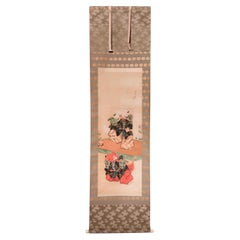
Japanese Noh/Kabuki Shakkyo painting, Torii Kiyotada
Located in Point Richmond, CA
Japanese colors, gofun and metallics on silk painting of Noh/Kabuki Dancers, depicting two figures
Category

Early 20th Century Japanese Meiji Paintings and Screens

Materials

Silk

  • 1
  • ...
Get Updated with New Arrivals
Save "Japanese Meiji Art", and we’ll notify you when there are new listings in this category.

Japanese Meiji Art For Sale on 1stDibs

At 1stDibs, there are many versions of the ideal piece of Japanese meiji art for your home. Was constructed with extraordinary care, often using metal, wood and ceramic. If you’re shopping for an item from our selection of Japanese meiji art, we have 4376 options in-stock, while there are 157 modern editions to choose from as well. Your living room may not be complete without a choice in our collection of Japanese meiji art — find older editions for sale from the 18th Century and newer versions made as recently as the 21st Century. An object in our assortment of Japanese meiji art made by Art Nouveau designers — as well as those associated with folk art — is very popular. Kinkozan, Satsuma and Makuzu Kozan each produced at least one beautiful option in this array of Japanese meiji art that is worth considering.

How Much is a Japanese Meiji Art?

Prices for a piece of Japanese meiji art can differ depending upon size, time period and other attributes — at 1stDibs, they begin at $50 and can go as high as $1,000,000, while the average can fetch as much as $1,813.

A Close Look at Meiji Furniture

From 1868 to 1912, Emperor Mutsuhito oversaw an era of transformation in Japan. Formerly a country of feudalism and isolation, Japan entered an age of modernization influenced by newly established trade and exchange with the West. The Meiji period, or period of “enlightened rule,” also saw the global impact of the East Asian country’s culture. Japanese Meiji furniture was exhibited at expositions from Paris to San Francisco and created for export.

Prior to the Meiji era, furniture was mostly made by commission for the ruling class; now there were new domestic and international markets. European styles like Japonisme appropriated Japanese design while craftsmen in places like Wales and England employed japanning, a varnishing technique that approximated the appearance of lacquer for the surfaces of furnishings.

Meiji furniture made for Japanese homes and buildings constructed in Western styles resulted in taller tables, chairs, cabinets with large drawers and other features. The government invested in areas such as transportation and communication, and because people could freely choose occupations after the restrictions of feudalism, industries of various types were energized by expressive new ideas during those years. Art schools were formed and, for the first time, design was an area of study in the country, leading to the evolution of professional design as a career by the 1890s.

The work of Japanese designers was transmitted widely through lavishly illustrated pattern books that included designs for screens and lacquerware for the home. While screens today may be of use as decorative accents or partitions to ensure privacy in one’s space, Japanese screens were adorned with paintings and were featured in performing arts such as concerts, tea ceremonies and more. The color illustrations that characterize Meiji woodblock prints, a genre of Japanese art that grew out of 17th-century developments in printing and book publishing, depicted the sweeping changes that the era brought to East Asia.

Although it was a time of societal and cultural shifts, a bolstered interest in art and design elevated Japanese craft traditions. From colorful porcelain table lamps with silk shades and hardwood tables decorated with dark lacquer to cabinets featuring iron hardware and inlaid with mother-of-pearl, Meiji furniture showcased Japan’s artistic heritage to the world.

Find a collection of antique Japanese Meiji period case pieces and storage cabinets, decorative objects, wall decorations and more furniture on 1stDibs.

Finding the Right Asian Art And Furniture for You

From Japanese handmade earthenware pottery, originating circa 14,500 B.C. and adorned with elaborate corded patterns known as jōmon, to natural elm case pieces and storage cabinets built in Qing dynasty–era China to mid-century Thai rice-paper charcoal rubbings, antique and vintage Asian art and furniture make for wonderful additions to all kinds of contemporary interiors.

Eastern elements elevate any home’s decor. Introduce zen sensibility to your living room, dining room and bedroom with the neutral color palettes and the natural materials such as rattan, bamboo and elm that we typically associate with traditional Asian furniture. Decorative handwoven embroideries and textiles originating from India and elsewhere on the continent, which can be draped over a bed or sofa or used as a wall hanging, can be as practical as they are functional, just as you wouldn’t seek out Japanese room-divider screens — often decorated with paintings but constructed to be lightweight and mobile — merely for privacy.

With everything from blanket chests to lighting fixtures to sculptures and carvings, it’s easy to tastefully bring serenity to your living space by looking to the treasures for which the East has long been known.

For British-born furniture designer Andrianna Shamaris, the Japanese concept of beauty in imperfection isn’t limited to her Wabi Sabi collection. She embraces it in her New York City apartment as well. In the living area, for instance, she retained the fireplace’s original black marble while swathing its frame and the rest of the room in bright white.

“We left the fireplace very clean and wabi-sabi, so that it blended into the wall,” says Shamaris, who further appointed the space with a hand-carved antique daybed whose plush pillows are upholstered in antique textiles from the Indonesian island of Sumba.

In the growing antique and vintage Asian art and furniture collection on 1stDibs, find ceramics from China, antiquities from Cambodia and a vast range of tables, seating, dining chairs and other items from Japan, India and other countries.

Questions About Japanese Meiji Art
  • 1stDibs ExpertApril 5, 2022
    There are a variety of different types of Japanese art. One of the oldest and most admired forms of Japanese art is the art of calligraphy, which originated in the sixth or seventh century. Another type of art, ukiyo-e, is the art of the woodblock print, which depicts scenes of female beauties; kabuki actors, sumo wrestlers and more. You’ll find a variety of Japanese artwork from some of the world’s top art dealers on 1stDibs.
  • 1stDibs ExpertApril 5, 2022
    The writing on Japanese art is calligraphy art called shodo. It uses Japanese kanji and kana characters. There are a variety of different shodo styles of art, including Kaisho, which is the basic, foundational form of the art. On 1stDibs, find a range of Japanese calligraphy art from top sellers..
  • 1stDibs ExpertApril 16, 2024
    The focus of Japanese art varies. Many traditional Japanese artists sought to capture the beauty of nature in their works. However, other Japanese artists have produced work with Buddhist themes, and contemporary artists working in the country have been inspired by a range of subjects, from socioeconomic and political issues to pop culture. On 1stDibs, explore a large selection of Japanese art.
  • 1stDibs ExpertOctober 15, 2024
    To tell if art is Japanese or Chinese, study the piece's characteristics. With paintings, Chinese artists often use more color and tend to fill their entire canvases, while Japanese artists often include more negative space and choose subtler colors. There are also differences between the brushstrokes typical of traditional Chinese and Japanese art. In Japanese paintings, brushstrokes are often short and sharp. On the other hand, Chinese paintings often display longer, more fluid brushstrokes. Learning about the defining features of various art forms and periods and looking at examples of pieces made by Japanese and Chinese artists can help you learn to spot subtle differences. Explore a diverse assortment of Japanese and Chinese art on 1stDibs.
  • 1stDibs ExpertSeptember 23, 2024
    What the Japanese sea art is called depends on its type. Many examples of sea art from Japan are called ukiyo-e. This term refers to woodblock prints made during the 17th, 18th and 19th centuries. The Great Wave off Kanagawa by Katsushika Hokusai is arguably the most famous ukiyo-e print depicting the sea. On 1stDibs, find a wide variety of Japanese woodblock prints.
  • 1stDibs ExpertApril 5, 2022
    Many art styles originated in Japan and grew in popularity over the years. Some of the most popular styles include shodo (calligraphy), ikebana, kanou and yamato-e. You’ll find a wide variety of authentic Japanese art from some of the world’s top dealers on 1stDibs.
  • 1stDibs ExpertApril 5, 2022
    What Japanese wall art is called depends on its type. There are numerous kinds of Japanese paintings and prints, including nihonga and ukiyo-e. A Japanese wall scroll is known as a kakejiku or kakemono. On 1stDibs, find a variety of Japanese wall art.