Japanese Screens And Doors

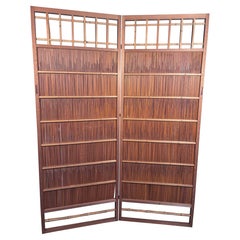
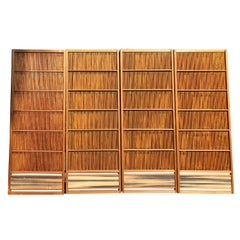
Japanese Fine Pair Arts And Crafts Shoji Door Screens
Located in South Burlington, VT
Japan, a fine pair of two simple shoji bamboo doors or screens creating an arts and crafts look
Category

Early 20th Century Japanese Showa Paintings and Screens

Materials

Bamboo, Wood

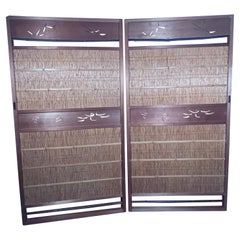
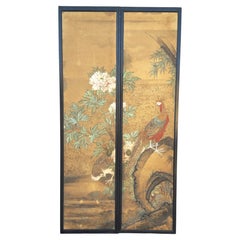
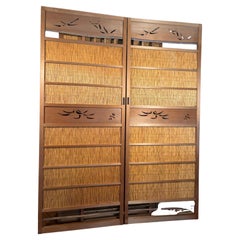
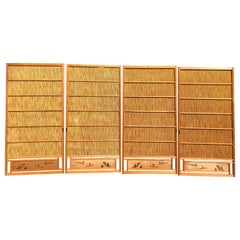
Japanese Set of Two Excellent Birds And Dragonfly Shoji Doors Screens
Located in South Burlington, VT
Japan, an excellent pair/set of two (2) shoji "Birds and Dragonfly" bamboo doors or screens
Category

Early 20th Century Japanese Taisho Paintings and Screens

Materials

Bamboo, Wood

Japanese Set of Two Excellent Birds And Dragonfly Shoji Doors Screens
$796 Sale Price / set
20% Off
H 71.5 in W 36.5 in D 1.12 in
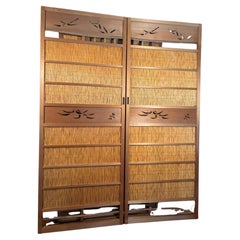
Japanese Matching Set of Two Fine Birds And Dragonfly Shoji Doors Screens
Located in South Burlington, VT
Japan, a fine set of two shoji "Birds and Dragonfly" bamboo doors or screens recently acquired
Category

Early 20th Century Japanese Taisho Paintings and Screens

Materials

Bamboo, Wood

Japanese Matching Set of Two Fine Birds And Dragonfly Shoji Doors Screens
$760 Sale Price / set
20% Off
H 71 in W 27.25 in D 1.12 in
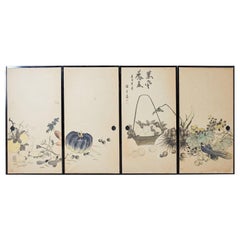
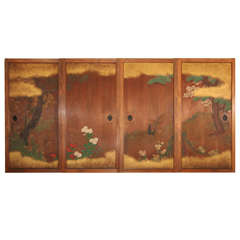
Set of Four Japanese Fusuma Painted Door Panels
Located in Rio Vista, CA
Rare set of four Japanese Showa period door panels known as Fusuma in Japanese architecture
Category

20th Century Japanese Showa Paintings and Screens

Materials

Brass

Set of Four Japanese Fusuma Painted Door Panels
$2,400 Sale Price / set
20% Off
H 69.5 in W 36 in D 1 in
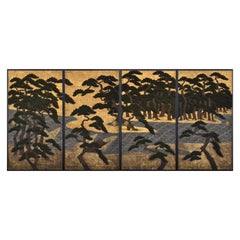
Circa 1700 Japanese Sliding Door (Fusuma) Set. Pine Trees on the Seashore.
Located in Kyoto, JP
”) Japanese screens and sliding doors adorned with windswept pine trees scattered across sandy beaches
Category

Antique Late 17th Century Japanese Edo Paintings and Screens

Materials

Gold Leaf

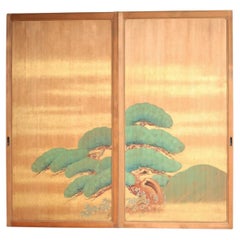
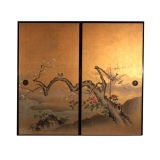
Japanese Antiques Pine Trees, Panel Painting/Sliding Door Painting, 2 Pieces set
Located in Niiza, JP
preserved in such good condition. This is a sliding door with a traditional Japanese structure, but it also
Category

20th Century Japanese Paintings and Screens
Materials

Wood

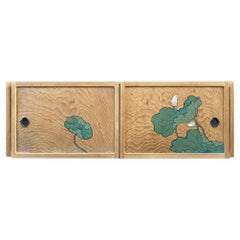
Meiji-Taisho Period Buddhist Temple Cabinet Doors
Located in Fukuoka, JP
Meiji-Taisho Period Buddhist Temple Cabinet Doors Period: Meiji-Taisho Size: 158 x 56 cm (62.2 x
Category

Antique Late 19th Century Japanese Meiji Paintings and Screens

Materials

Wood

Meiji-Taisho Period Buddhist Temple Cabinet Doors
$1,220
H 22.05 in W 62.21 in D 1.19 in
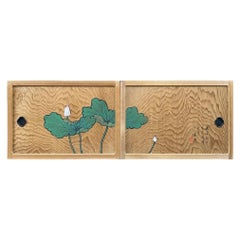
Meiji-Taisho Period Buddhist Temple Cabinet Doors
Located in Fukuoka, JP
Meiji-Taisho Period Buddhist Temple Cabinet Doors Period: Meiji-Taisho Size: 158 x 56 cm (62.2 x
Category

Antique Late 19th Century Japanese Meiji Paintings and Screens

Materials

Wood

Meiji-Taisho Period Buddhist Temple Cabinet Doors
$1,220
H 22.05 in W 62.21 in D 1.19 in
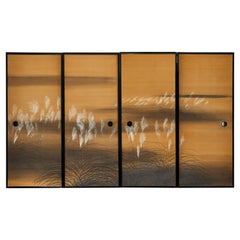
Set of Four Sliding Doors (Fusuma): Wild Grasses
Located in Hudson, NY
Meiji period (1868 - 1912) four separate sliding doors (fusuma) with Shijo School paintings of wild
Category

20th Century Japanese Paintings and Screens

Materials

Bronze

Set of Four Sliding Doors (Fusuma): Wild Grasses
$20,700
H 68.5 in W 117 in D 0.75 in
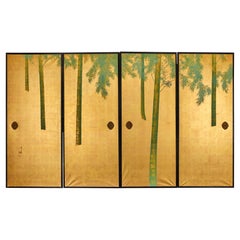
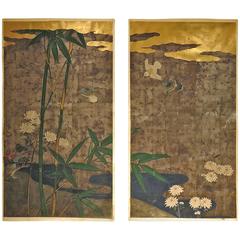
Set of Four Sliding Doors (Fusuma): Bamboo on Gold
Located in Hudson, NY
Meiji period (1868 - 1912) four separate fusuma doors (sliding doors) with paintings of bamboo
Category

Antique Late 19th Century Japanese Paintings and Screens

Materials

Gold, Bronze, Gold Leaf

Set of Four Sliding Doors (Fusuma): Bamboo on Gold
$20,700
H 68.5 in W 116 in D 0.75 in
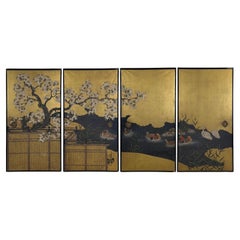
Stunning Set of Four 19th Century Edo Period Fusuma Door Decorative Panels
Located in Los Angeles, CA
A set of four fusuma (sliding door) panels from the 19th century, painted in ink and colors on gold
Category

Antique Late 19th Century Japanese Edo Paintings and Screens

Materials

Gold Leaf, Brass

Recent Sales

Japanese Painted Wood Doors
Located in Seattle, WA
A set of four Japanese painted {sugi} (cryptomeria) wood doors depicting a {kacho}, or bird and
Category

Antique 19th Century Japanese Paintings and Screens

Materials

Wood

Japanese Painted Wood Doors
H 69.75 in W 138 in D 1 in
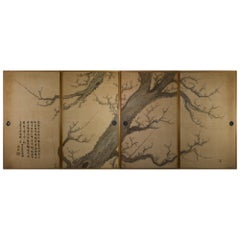
Japanese Four-Panel Screen Four Fusuma Sliding Doors with Venerable Plum
Located in Hudson, NY
Japanese four-panel screen: Four Fusuma (Sliding doors) with venerable plum. Four individual fusuma
Category

Antique Early 1800s Japanese Edo Paintings and Screens

Materials

Bronze

Japanese Antique Set Four Fine Natural Shoji Bamboo Doors Screens, Moon Horizon
Located in South Burlington, VT
Japan, a fine set of four antique shoji natural bamboo lacquered doors or screens recently acquired
Category

Early 20th Century Japanese Taisho Paintings and Screens

Materials

Bamboo, Wood

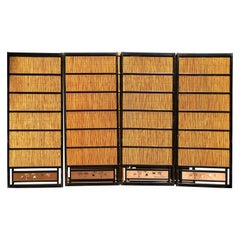
Japanese Set of Four Fine Black Lacquer Shoji Doors Screens Birds Bamboo
Located in South Burlington, VT
Japan, a fine set of four (4) antique shoji black lacquer bamboo doors or screens recently
Category

Early 20th Century Japanese Taisho Paintings and Screens

Materials

Bamboo, Wood

Japanese Watercolor Fusuma Door Panels, Two Panels
Located in Bradenton, FL
19th century Japanese watercolor on paper Fusuma door panels, from the Kona School of Painting
Category

Antique 19th Century Japanese Anglo-Japanese Screens and Room Dividers

Materials

Paper

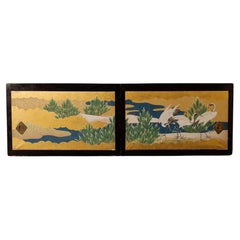
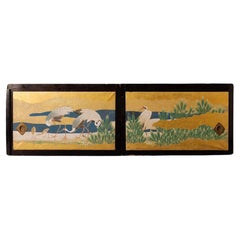
Rinpa-Inspired Crane Sliding Doors, Late Edo Period
By Rimpa School
Located in Fukuoka, JP
Discover the artistry of traditional Japanese aesthetics with this pair of exquisite sliding doors
Category

Antique Early 19th Century Japanese Edo Paintings and Screens

Materials

Gold Leaf

Rinpa-Inspired Crane Sliding Doors, Late Edo Period
By Rimpa School
Located in Fukuoka, JP
Discover the artistry of traditional Japanese aesthetics with this pair of exquisite sliding doors
Category

Antique Early 19th Century Japanese Edo Paintings and Screens

Materials

Gold Leaf

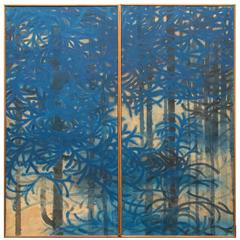
Pair of Fusuma ‘Sliding Door’ Panels, Blue Spruce
Located in Hudson, NY
Probably hinoki trees with exaggerated color mineral pigments on mulberry paper signature on reverse side, by Susumu Tsushima (1923-2012) Each panel measures 33 inches high x 16 1...
Category

20th Century Japanese Paintings and Screens

Materials

Mulberry Paper

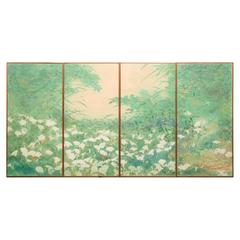
Set of Four Fusuma, Sliding Door Panels: Wild Lily Patch
Located in Hudson, NY
Remounted as single panels and displayed accordingly. Mineral pigments on mulberry paper. Seal on front (unreadable) and signature on reverse, by Susumu Tsushima (1923-2012.) Each...
Category

Vintage 1960s Japanese Paintings and Screens

Materials

Mulberry Paper

Japanese Set of Two Fine Birds And Dragonfly Shoji Doors Screens
Located in South Burlington, VT
Japan, a fine set of two shoji "Birds and Dragonfly" bamboo doors or screens recently acquired
Category

Early 20th Century Japanese Taisho Paintings and Screens

Materials

Bamboo, Wood

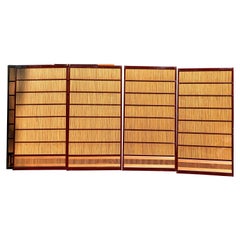
Japanese Set Four Fine Red Lacquer Shoji Doors Screens
Located in South Burlington, VT
Japan, a fine set of four shoji red lacquer bamboo doors or screens recently acquired from a
Category

20th Century Japanese Showa Paintings and Screens

Materials

Bamboo, Wood

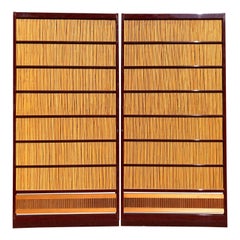
Japanese Set of Two Fine Red Lacquer Shoji Doors Screens
Located in South Burlington, VT
Japan, a fine set of two shoji red lacquer bamboo doors or screens recently acquired from a
Category

Early 20th Century Japanese Taisho Paintings and Screens

Materials

Bamboo, Wood

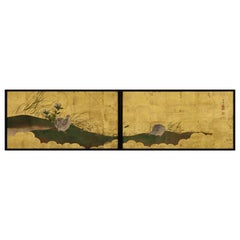
Japanese Door Paintings, Circa 1850 Quail and Autumn Flowers by Sakuma Seigaku
Located in Kyoto, JP
small Japanese Kano school sliding door panels from the mid-19th century. These panels would have been
Category

Antique Mid-19th Century Japanese Edo Paintings and Screens

Materials

Gold Leaf

Japanese Antique Wooden Painting / Panel Painting / Sliding Door /Edo-Meiji Era
Located in Sammu-shi, Chiba
It is a panel painting of a sliding door from the late Edo period to the Meiji period. It's a
Category

Antique 19th Century Japanese Edo Paintings and Screens

Materials

Cypress

Japanese Antique Set Four Fine Natural Shoji Bamboo Doors Screens, Trees Boats
Located in South Burlington, VT
doors or screens recently acquired from a Japanese private collector. The hand carved bottom boards are
Category

Mid-20th Century Japanese Showa Furniture

Materials

Bamboo, Wood

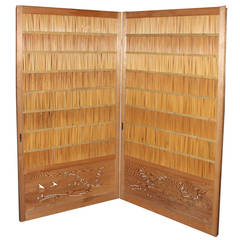
Japanese Door Panel
Located in San Francisco, CA
Japanese door panel, Taisho period (1920s). Used in traditional Japanese houses. Can be used as a
Category

Vintage 1920s Japanese Paintings and Screens
Materials

Wood

Japanese Door Panel
Japanese Door Panel
H 46 in W 16 in D 1.13 in
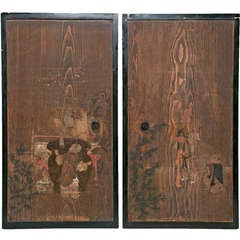
Japanese Painted Wood Door
Located in Seattle, WA
A single Japanese sugi-do, painted cryptomeria door panel with black lacquered trim. The painting
Category

Antique 19th Century Japanese Paintings and Screens

Materials

Wood

Japanese Painted Wood Door
H 67.75 in W 37.75 in D 1.5 in
Meiji Japanese Painted Doors
Located in San Francisco, CA
Japanese home. Measurements are for each door.
Category

Antique 19th Century Japanese Japonisme Paintings and Screens

Materials

Metal

Meiji Japanese Painted Doors
H 67.5 in W 36.5 in
Japanese Painted Fusuma Door Panels
Located in Seattle, WA
An exceptional pair of Japanese painted fusuma (opaque paper doors) with gold leaf (kinpaku) ground
Category

Antique 19th Century Japanese Paintings and Screens

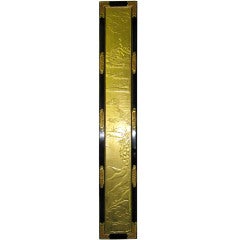
Shrine Door Panel
Located in San Francisco, CA
Taisho period gold leafed Japanese shrine door panel from Kyoto was originally part of a personal
Category

Vintage 1940s Japanese Paintings and Screens

Materials

Cedar

Shrine Door Panel
Shrine Door Panel
H 45.88 in W 7.25 in D 0.75 in
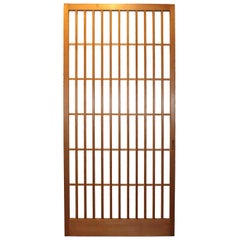
Japanese Summer Door Screen
Located in San Francisco, CA
Traditionally used in Japanese homes during the summer to let a breeze into a room. Pair of hinged
Category

Vintage 1920s Japanese Paintings and Screens
Japanese Summer Door Screen
H 68.5 in W 80 in D 1.25 in
Japanese Panel Door
Located in San Francisco, CA
Japanese Taisho period sliding door was used to divide various rooms inside a temple. Simple slat
Category

Vintage 1920s Japanese Paintings and Screens

Japanese Panel Door
Japanese Panel Door
H 73 in W 30 in D 1.25 in
Japanese Door Panels Meiji, 19th Century
Located in San Francisco, CA
A nice pair of Meiji door panels made during the second half of the 19th century. Conserved and
Category

Antique Late 19th Century Japanese Paintings and Screens

Materials

Paper

Japanese Door Panels Meiji, 19th Century
H 67 in W 37.5 in D 0.125 in
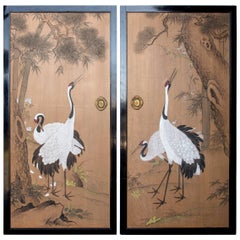
Pair of Meiji Period Paint Decorated Wood Japanese Interior Doors
Located in Woodbury, CT
Each painted panel on finely grained wood within a black painted frame. A pair of cranes on each panel within a bamboo setting. Recessed gilded metal handles. The cranes are extremel...
Category

Antique Late 19th Century Japanese Paintings and Screens

Materials

Wood

People Also Browsed

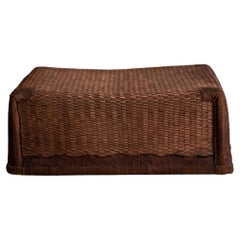
Japanese Woven Willow Storage Chest, Yanagi Gori , Early 20th Century
Located in Edogawa-ku Tokyo, JP
An exceptional example of Yanagi Gori — a traditional Japanese storage chest woven from koriyanagi (a type of supple willow). Produced in the early 20th century, this handcrafted box...
Category

Early 20th Century Japanese Furniture

Materials

Willow

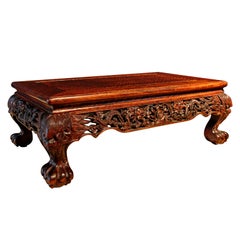
Chinese Carved Longyan Wood Stand, Late Qing Dynasty
Located in Austin, TX
An exquisite late Qing dynasty display Stand of longyan wood, carved as a miniature "kang" table. The center panel features an amazing grain that delights the eye, while a soft glo...
Category

Antique Early 1900s Chinese Qing Scholar s Objects

Materials

Fruitwood

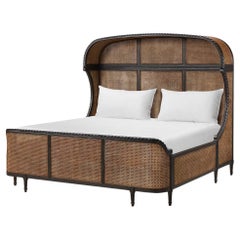
French Caned King Bed
Located in Westwood, NJ
Featuring an ebonized, carved oak frame and an iconic Bonnet-style headboard, this bed radiates sophistication and elegance. The natural cane is meticulously woven on both sides of ...
Category

21st Century and Contemporary Vietnamese Neoclassical Beds and Bed Frames

Materials

Cane, Wood

French Caned King Bed
$16,229 / item
H 73 in W 80.63 in D 85 in
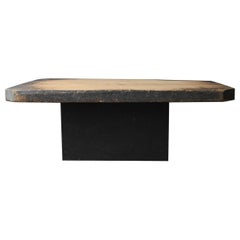
Japanese antique wooden sofa table/Late 19th century/Wabi-sabi low table
Located in Sammu-shi, Chiba
This is a board and a wooden box that were used in Japan from the Meiji period to the early Showa period. These two can be combined to make a low table. The tabletop is made of eithe...
Category

Antique Late 19th Century Japanese Meiji Sofa Tables

Materials

Cedar

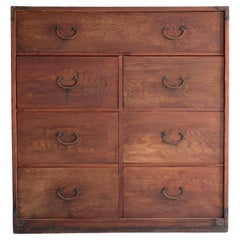
Japanese Antique Drawer 1860s-1920s / Sideboard Wabi Sabi
Located in Sammu-shi, Chiba
This is a very old drawer storage chest made in Japan. It dates back to the Meiji era (1860s–1920s) and is crafted from Japanese cedar wood. The metal fittings are made of iron. The...
Category

Early 20th Century Japanese Meiji Commodes and Chests of Drawers

Materials

Iron

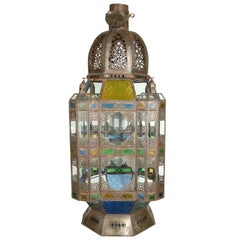
Moroccan Vintage Moorish Glass Lantern from Marrakech
Located in Moreno Valley, CA
Oversized Moroccan candle glass lantern from Marrakesh, clear and multicolored glass adorned with filigree Moorish designs. High end traditional Moroccan hurricane candle lantern han...
Category

20th Century Moroccan Moorish Lanterns

Materials

Metal

Moroccan Vintage Moorish Glass Lantern from Marrakech
$4,500 / item
H 40 in W 17 in D 17 in
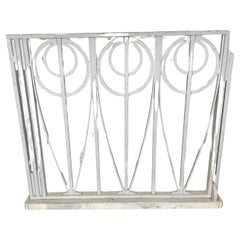
Architectural Art Nouveau Wood Element / fire screen manner of Rennie Mackintosh
By Charles Rennie Mackintosh
Located in Buffalo, NY
Architectural Art Deco / Nouveau Wood Element / fire screen ?Done in the manner of Charles Rennie Mackintosh,, Possibly built as a stage , theatre prop.. Well made,, wonderful desig...
Category

Vintage 1930s American Art Nouveau Architectural Elements

Materials

Wood

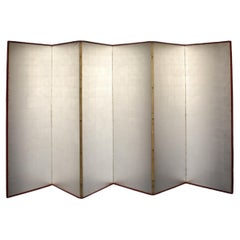
B20 Japanese Antiques 6panels, Silver Paper, folding Screen
Located in Niiza, JP
Silver-covered folding screen Material: Paper on wooden frame One piece: W600×H1745mm×D20mm, Unfolded size: W3630mm Folded size: W615×H1745×D105mm, 12kg Estimate packing size: (sandw...
Category

20th Century Japanese Paintings and Screens

Materials

Paper

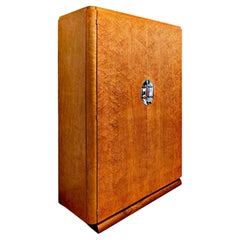
Art Deco wardrobe – France 1930
Located in Girona, Girona
Splendid Art Deco wardrobe with solid ash structure with bird’s eye maple veneer. Solid mahogany base. Back plate and handles in nickel-plated metal and original pink glass tubes. Wa...
Category

Vintage 1930s French Art Deco Wardrobes and Armoires

Materials

Nickel

Art Deco wardrobe – France 1930
$6,552 / set
H 73.04 in W 53.15 in D 19.49 in
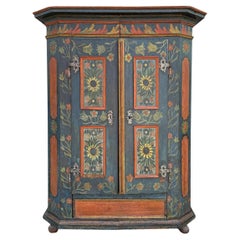
Blue Floral Painted Cupboard with Sunflowers
Located in Vo , Veneto
Alpine Blue Painted Wardrobe with Sunflowers Measurements: H. 183 cm - W. 128 (150 to the frames) cm - D. 55 (66 to the frames) cm Period: Late 18th century Origin: Bavarian Alps Wo...
Category

Antique 1790s German Louis XVI Cabinets

Materials

Fir

Blue Floral Painted Cupboard with Sunflowers
$5,532
H 72.05 in W 48.82 in D 19.69 in
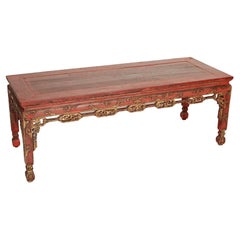
Chinese Red Painted and Gilt Decorated Coffee Table
Located in Laguna Beach, CA
Chinese red painted coffee table with gilt highlights, circa 1930's. With a slightly over hanging rectangular top a frieze with gilt highlights, resting on square legs with gilt deco...
Category

Vintage 1930s Chinese Chinoiserie Coffee and Cocktail Tables

Materials

Gold Leaf

Chinese Red Painted and Gilt Decorated Coffee Table
$1,800 Sale Price
28% Off
H 23.25 in W 60.25 in D 23.25 in
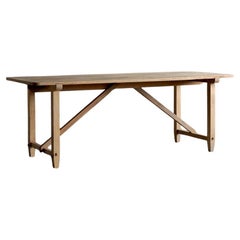
Japanese Vintage Solid Pine Top Table, Showa Period 1926-
Located in Hitachiomiya-shi, 08
This vintage table was crafted in the Early Showa Period (1926-). The tabletop is made from a single solid slab of pine wood, while the legs are constructed from Japanese Sen wood, ...
Category

Mid-20th Century Japanese Organic Modern Tables

Materials

Wood, Pine

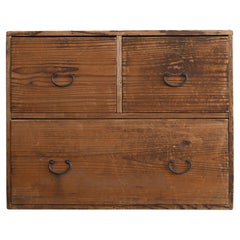
Simple antique Japanese wooden drawer / 1868-1920 / Meiji-Taisho period
Located in Sammu-shi, Chiba
This is an old Japanese wooden drawer, likely made between 1868 and 1920, during the Meiji and Taisho periods. Crafted from light and warm cedar, the entire piece is crafted from ced...
Category

Antique Late 19th Century Japanese Meiji Commodes and Chests of Drawers

Materials

Cedar

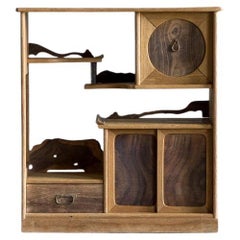
Japanese Antique Small Tea Shelf"Chadana", Early Showa Period 1926-
Located in Hitachiomiya-shi, 08
This small japanese tea shelf was crafted in the Early Showa Period'1926-'. This piece features a harmonious design, combining the muted tones of Japanese Pagoda Tree (Enju) wood wi...
Category

Early 20th Century Japanese Showa Cabinets

Materials

Wood

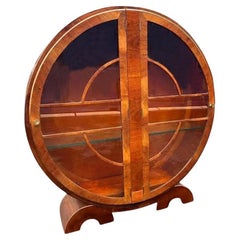
Art Deco Walnut Circular Vitrine Display Cabinet, English, c1930
Located in Devon, England
A wonderful 1930's Art Deco circular display cabinet of high quality, with ample storage on 3 glass shelves and lovely bakelite handles all sat on superb double circular feet. In gre...
Category

Mid-20th Century English Art Deco Vitrines

Materials

Bakelite, Glass, Walnut

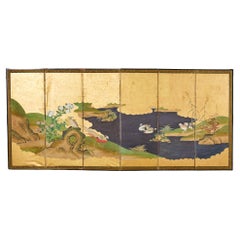
Japanese Meiji Six Panel Screen Kano School Bird Waterscape
Located in Rio Vista, CA
Stunning late 19th century Japanese Meiji period six panel byobu screen featuring a deep blue waterscape with pheasants and ducks. Made in the Kano school style with natural ink and ...
Category

Antique 19th Century Japanese Meiji Paintings and Screens

Materials

Brass, Gold Leaf

Get Updated with New Arrivals
Save "Japanese Screens And Doors", and we’ll notify you when there are new listings in this category.

Japanese Screens And Doors For Sale on 1stDibs

An assortment of Japanese screens and doors is available at 1stDibs. Frequently made of wood, paper and bamboo, all Japanese screens and doors available were constructed with great care. Japanese screens and doors have been produced for many years, with earlier versions available from the 19th Century and newer variations made as recently as the 20th Century.

How Much are Japanese Screens And Doors?

Prices for Japanese screens and doors start at $275 and top out at $58,000 with the average selling for $2,200.

Finding the Right Paintings-screens for You

Traditional Asian paintings were often created on scrolls and folding screens. Artisans made screens that could be folded up or spread out by connecting several panels using hinges. Today, antique Asian folding screens and paintings are sophisticated decorative accents that can serve as makeshift partitions to ensure privacy.

The original folding screens were created by Chinese artists. The earliest record of screens comes from the 2nd century B.C., and surviving examples date back to the Ming dynasty. Chinese painting utilizes many of the same tools as calligraphy — these screens were crafted from wood with painted panels featuring striking art or calligraphy that told cultural stories or represented nature and life in the area.

The practice was introduced to Japan, where paintings for screens were made on paper and silk, in the 8th century. These paintings frequently feature subjects such as landscapes, animals, flowers and Buddhist religious themes. Along with screens for tea ceremonies and dance backgrounds, there were screens for use in Shinto and Buddhist temples.

In the 17th century, screens began to be imported to Europe where their popularity grew. Coco Chanel famously collected Coromandel folding screens.

Traditional Asian paintings can make a tasteful addition to any wall, and screens can be used as decoration or, in the case of larger iterations, as an aesthetic way to divide a large room. Browse the selection of antique Asian paintings and screens from a variety of styles and eras on 1stDibs.

Questions About Japanese Screens And Doors
  • 1stDibs ExpertAugust 17, 2021
    Japanese screens are called Byōbu and are made from many panels with beautiful calligraphy and paintings. These folding screens can be a decorative and interesting way to separate rooms in a living space. Find a collection of Japanese screens for sale on 1stDibs.
  • 1stDibs ExpertApril 5, 2022
    Japanese screen painting is the art of creating byōbu, or Japanese screens. Byōbu vary in subject matter and style. The screens are free-standing, portable and decorated with symbolic images or calligraphy. It is common to find byōbu in pairs with at least two panels. Shop a selection of byōbu on 1stDibs.

  • Lotus Gallery
    Lotus GalleryMarch 17, 2021
    A Japanese low screen was traditionally used while seated upon the floor. The low screen would block wind and drafts, provide limited privacy, and are often decorated with seasonal themes.