Japanese Silk Screens

to
155
822
187
670
388
219
139
94
85
72
70
52
41
28
23
22
20
20
18
15
11
9
9
8
8
8
8
7
5
4
3
3
3
2
2
2
2
2
1
1
1
1
1
1
33
12
6
2
1
Sort By
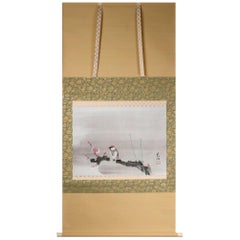
Lovely 20th Yūki Somei Scroll Paintings Japan Artist Bird and tree Painted
Located in Amsterdam, Noord Holland
"Somei Yuki" 1875 (1875) - 1957 (1957) Tokyo living, Japan painter. Real name Sadamatsu, maiden
Category

Early 20th Century Japanese Edo Paintings and Screens

Materials

Silk

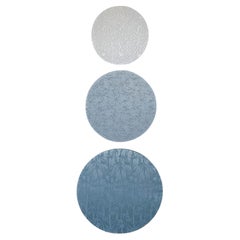
Vintage kimono textile art " Turquoise Forest ~ Strength ~ " by ikasu Blue Japan
By Kimono ikasu
Located in Setagaya City, JP
Fabrics featuring iconic Japanese plants like chrysanthemum, maple, and bamboo were gathered from
Category

Vintage 1970s Japanese Japonisme Paintings and Screens

Materials

Canvas, Silk

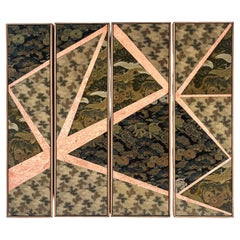
VIntage kimono textile art " Geometry ~ Chrysanthemums ~" by ikasu White Japan
By Kimono ikasu
Located in Setagaya City, JP
< This work is inspired by traditional Japanese natural symbolism, and is framed in
Category

Vintage 1960s Japanese Japonisme Paintings and Screens

Materials

Silk, Wood

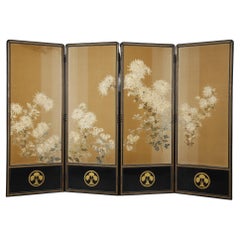
Beautiful Chrysanthemum screen with the Honda clan coat of arms. Meiji Japan
Located in Paris, FR
Very large four-leaf folding screen with black lacquered wooden frame, featuring the Honda clan
Category

Antique 1890s French Screens and Room Dividers

Materials

Silk, Wood

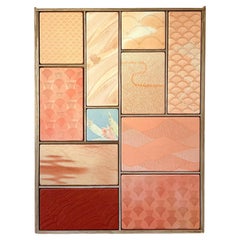
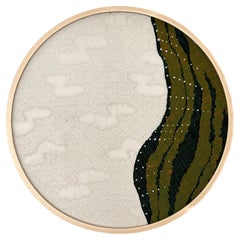
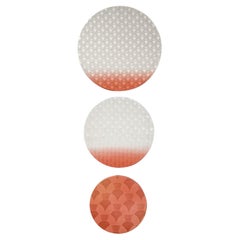
Antique kimono textile art " Kobachi ~ Coral Collection ~ " by ikasu Pink Japan
By Kimono ikasu
Located in Setagaya City, JP
. Traditional Japanese culture, represented by the kimono, and wood, an integral element of Japanese
Category

Vintage 1920s Japanese Japonisme Paintings and Screens

Materials

Silk, Wood

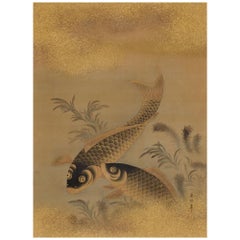
Japanese Painting, Hanging Scroll, Mid 19th Century, Koi and Water Plants
By Iwase Hirotaka
Located in Kyoto, JP
gold flecks on silk Inscription: Hirotaka Seal: Illegible Dimensions: Scroll:  144 cm x
Category

Antique 1860s Japanese Edo Paintings and Screens

Materials

Silk

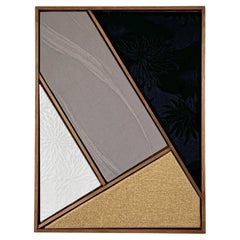
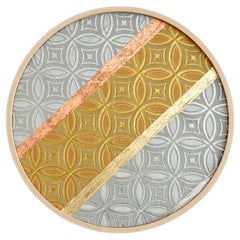
Vintage kimono textile art " Monochrome Geometry " by ikasu Gold Grey Japan
By Kimono ikasu
Located in Setagaya City, JP
This work is inspired by traditional Japanese nature colors symbolism, and is framed in paulownia
Category

Vintage 1960s Japanese Japonisme Paintings and Screens

Materials

Silk, Wood

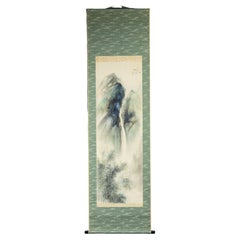
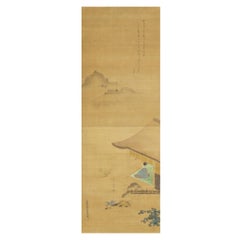
Scroll Kitsuda Eihô (1902 - 1974) Breaking of Dawn in the Mountains Japanese
Located in Amsterdam, Noord Holland
Kitsuda Eihô (1902 - 1974) Aanbreken van de dag in de bergen Rolschildering / scroll op zijde, houten rollers, in houten cassette. Herkomst: Oranda Jin. B 128 x 41.9 / 202 x 56.3 cm...
Category

Mid-20th Century Japanese Meiji Paintings and Screens

Materials

Silk

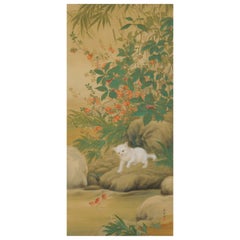
Japanese Painting, Hanging Scroll, Playful Cat by Hirose Toho, 1920s Taisho
By Hirose Toho
Located in Kyoto, JP
Playful Cat Hirose Toho (1875-1930) Hanging scroll, ink, mineral pigments and gofun on silk
Category

Vintage 1920s Japanese Taisho Paintings and Screens

Materials

Silk

Early 20th Century kimono textile art "Sealine ~Transitions~ " by ikasu Japan
By Kimono ikasu
Located in Setagaya City, JP
kimono textiles both from Showa era, around 1960ies. [Meaning of patterns and colors] In Japanese
Category

Vintage 1960s Japanese Japonisme Paintings and Screens

Materials

Gold Leaf

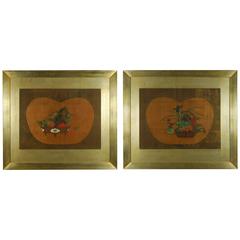
Pair of Antique Japanese Flower Paintings by Yanagisawa Kien, circa 18th Century
By Yanagisawa Kien
Located in Prahran, Victoria
Pair of antique Japanese Nagasaki School paintings by Yanagisawa Kien (1704-1758), depicting
Category

Antique Mid-18th Century Japanese Edo Paintings and Screens

Materials

Silk

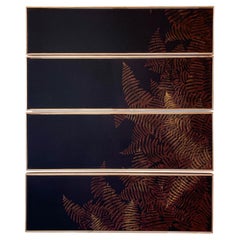
Vintage kimono textile art " Fern ~ Connection to Nature ~" by ikasu Black Japan
By Kimono ikasu
Located in Setagaya City, JP
piece. << Explanation of colors and patterns In Japanese traditional culture, ferns
Category

Vintage 1960s Japanese Japonisme Paintings and Screens

Materials

Silk, Wood

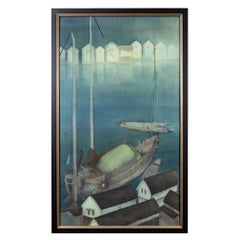
Framed Painting on Silk, Harbor at Night By: Chiga Saku
Located in Hudson, NY
Pigments on silk. Signature and seal read: Chiga saku (Acid free mounting with UV plexiglass
Category

Early 20th Century Japanese Paintings and Screens

Materials

Silk

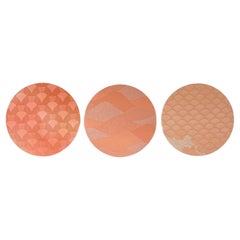
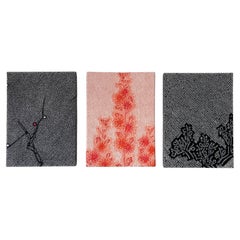
Vintage kimono textile art " Plum Gradation " by ikasu Pink White Japan
By Kimono ikasu
Located in Setagaya City, JP
This canvas featuring a plum color gradient kimono showcases a unique decorative variation of the popular seigaiha (青海波) sea waves pattern. The artwork got a Mr. Mrs. Abe Arts ...
Category

Vintage 1980s Japanese Japonisme Paintings and Screens

Materials

Canvas, Silk

Tosa School ca 1700 Scene Edo Period Scroll Japan 17/18c Artist Tosa Mitsunari
Located in Amsterdam, Noord Holland
(1710), 65 years old. ¦ Silk book / handwriting. ¦ Condition There are some discolorations and
Category

Antique 18th Century Japanese Edo Paintings and Screens

Materials

Silk

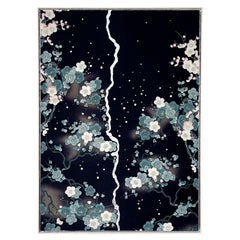
Antique kimono textile art " Plum Blossom Night ~ Resilience ~ " by ikasu Japan
By Kimono ikasu
Located in Setagaya City, JP
and colors In Japanese culture, the plum blossom, or ume (梅), holds significant symbolic
Category

Vintage 1920s Japanese Japonisme Paintings and Screens

Materials

Silver Leaf

Vintage kimono textile art " Snowflake ~ New Beginnings ~" by ikasu Purple Japan
By Kimono ikasu
Located in Setagaya City, JP
' various parts, to create one harmonious fluid image of a snowflake - a symbol of new beginnings in Japan
Category

Vintage 1970s Japanese Japonisme Paintings and Screens

Materials

Canvas, Silk

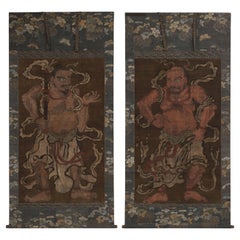
Pair of Japanese kakejiku 掛け軸 (hanging scrolls) depicting Niô guardians 仁王
Located in Amsterdam, NL
rendered on silk using ink and watercolours. They are presented as hanging scrolls with silk brocade frames
Category

Antique Early 18th Century Japanese Paintings and Screens

Materials

Brocade, Silk, Paint

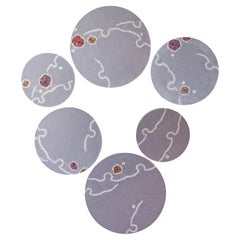
Vintage obi textile art " Broken Vase ~ kintsugi ~" by ikasu Black Gold Japan
By Kimono ikasu
Located in Setagaya City, JP
meanings and symbolism in Japanese traditional culture, often reflecting themes of spirituality, symbolism
Category

Vintage 1980s Japanese Japonisme Paintings and Screens

Materials

Silk, Wood

Mid 20th Century kimono textile art " Growing ~ Longevity ~" by ikasu Pink Japan
By Kimono ikasu
Located in Setagaya City, JP
and the emblem of the Japanese imperial family to this day. The entire artwork is dyed in a gentle
Category

Vintage 1970s Japanese Japonisme Paintings and Screens

Materials

Canvas, Silk

Early 20th Century kimono textile art " Rising Sun ~ Renewal ~ " by ikasu Japan
By Kimono ikasu
Located in Setagaya City, JP
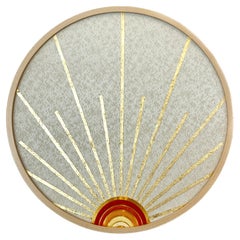
of patterns and colors] In Japanese culture, the rising sun is a timeless emblem of renewal, strength
Category

Vintage 1960s Japanese Japonisme Paintings and Screens

Materials

Gold Leaf

Vintage kimono textile art "On Coral Waves ~ Everlasting ~" by ikasu Pink Japan
By Kimono ikasu
Located in Setagaya City, JP
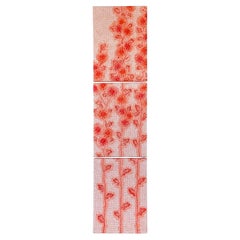
, coral is regarded as one of the "seven treasures." Crushed coral from China is also used in Japanese
Category

Vintage 1970s Japanese Japonisme Paintings and Screens

Materials

Silk, Canvas

Early 20th Century kimono textile art "Flower of Life ~Bonds~" by ikasu Japan
By Kimono ikasu
Located in Setagaya City, JP
, it’s Japanese version called “Shippo-tsunagi”. [Period] The artwork uses obi from Showa era, around
Category

Vintage 1960s Japanese Japonisme Paintings and Screens

Materials

Gold Leaf

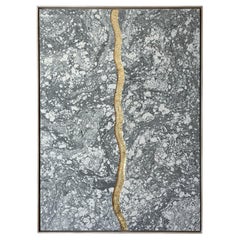
Vintage kimono textile art " Marble Story ~ Healing ~" by ikasu Grey Japan
By Kimono ikasu
Located in Setagaya City, JP
traditional Japanese art form of repairing broken pottery with lacquer mixed with powdered gold, silver, or
Category

Vintage 1960s Japanese Japonisme Paintings and Screens

Materials

Gold Leaf

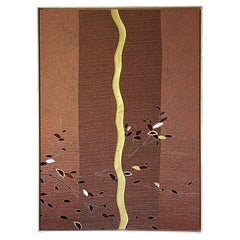
Vintage kimono textile art " Autumn branches ~ Kintsugi ~" by ikasu Brown Japan
By Kimono ikasu
Located in Setagaya City, JP
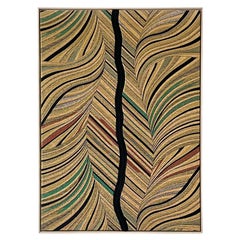
Japanese traditional washi paper running through the shades of brown stripes depicting branches and leaves
Category

Vintage 1960s Japanese Japonisme Paintings and Screens

Materials

Gold Leaf

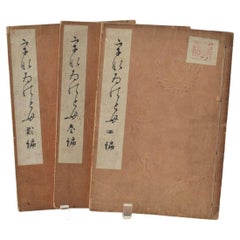
"Unai No Tomo" Early 20th C. Japanese Illustrated Toy Books, Volumes #2, #3, #4
Located in Norton, MA
Early 20th century Japanese illustrated toy books. "Unai No Tomo". Ca. 1911. 3 volumes from the
Category

Early 20th Century Japanese Paintings and Screens

Materials

Silk, Paper

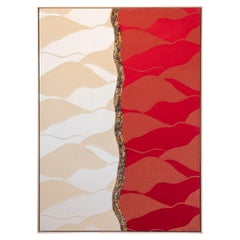
Vintage obi textile art "Under the Sun ~ Serendipity ~" by ikasu Red Beige Japan
By Kimono ikasu
Located in Setagaya City, JP
create this exceptional upcycle artwork. The fusion of Japanese natural materials – silk, paulownia wood
Category

Late 20th Century Japanese Japonisme Paintings and Screens

Materials

Silk, Wood

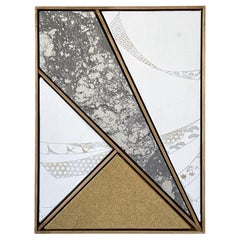
VIntage kimono textile art " Geometry ~ Marble ~" by ikasu Gold White Grey Japan
By Kimono ikasu
Located in Setagaya City, JP
This work is inspired by traditional Japanese nature motifs symbolism, and is framed in paulownia
Category

Vintage 1960s Japanese Japonisme Paintings and Screens

Materials

Silk, Wood

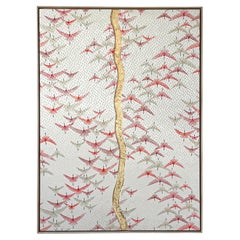
Vintage kimono textile art " Cranes ~ Kintsugi ~ " by ikasu White Red Gold Japan
By Kimono ikasu
Located in Setagaya City, JP
; Explanation and meaning of pattern and colors The Japanese saying goes, "A crane lives a thousand
Category

Late 20th Century Japanese Japonisme Paintings and Screens

Materials

Gold Leaf

Vintage kimono textile art " Flowers ~ Life Circle ~" by ikasu Pink Black Japan
By Kimono ikasu
Located in Setagaya City, JP
." Soshibori has been practiced in Japan since the 6th to 7th century. In this technique, the cloth is
Category

Vintage 1970s Japanese Japonisme Paintings and Screens

Materials

Canvas, Silk

19th Century obi textile art " Pine forest ~ Longivety ~ " by ikasu Green Japan
By Kimono ikasu
Located in Setagaya City, JP
;< Explanation of colors and patterns In traditional Japanese culture, the pine pattern on
Category

Early 20th Century Japanese Japonisme Paintings and Screens

Materials

Gold Leaf

Japanese Painting. Bird and Flower. 19th century copy of Lu Ji by Ogata Tomin.
Located in Kyoto, JP
Ogata Tomin (1839 -1895) Birds in a spring landscape Ink and colour on silk. Inscription
Category

Antique Late 19th Century Japanese Ming Paintings and Screens

Materials

Silk

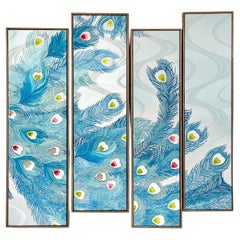
Antique kimono textile art " Peacock Feathers ~ Royalty ~" by ikasu Blue Japan
By Kimono ikasu
Located in Setagaya City, JP
artworks uses textile dated early 20th century, around 1920ies. In Japanese traditional culture, peacock
Category

Early 20th Century Japanese Japonisme Paintings and Screens

Materials

Gold Leaf, Silver Leaf

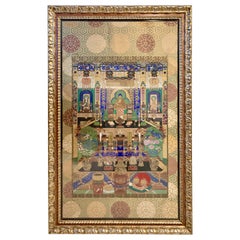
Large Framed Japanese Buddhist Amida Temple Hall Painting, Mid-19th Century
Located in Austin, TX
early Meiji period, mid-19th century, Japan. Mounted with silk brocade and framed in a heavy, carved and
Category

Antique Mid-19th Century Japanese Meiji Paintings and Screens

Materials

Brocade, Silk, Acrylic, Wood, Paint

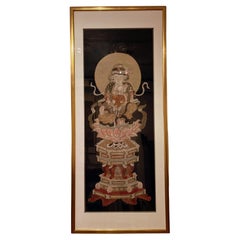
Framed Japanese or Chinese Brush Painting of Buddhistattva, Conservation Framed
Located in Greenwich, CT
Chinese or Japanese brush painting of Bodhisattva of Mercy sitting on lotus throne, Painting
Category

Antique Early 1900s Chinese Paintings and Screens

Materials

Silk

Mid 20th Century obi textile art " Moon phase II " by ikasu Silver Black Japan
By Kimono ikasu
Located in Setagaya City, JP
). << Explanation and meaning of pattern and colors In Japanese culture, the moon holds
Category

Vintage 1970s Japanese Japonisme Paintings and Screens

Materials

Silver Leaf

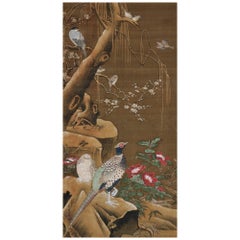
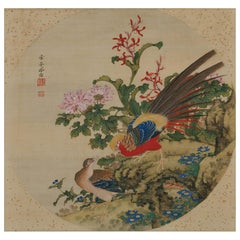
Japanese Scroll Painting, 19th Century Chinese Pheasants by Yoshizawa Setsuan
Located in Kyoto, JP
Chinese Pheasants Yoshizawa Setsuan (1809-1889) Hanging scroll, ink and color on silk
Category

Antique Mid-19th Century Asian Meiji Paintings and Screens

Materials

Silk

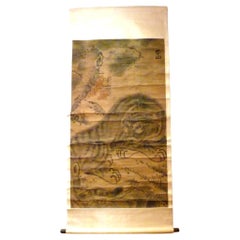
Large Japanese or Korean Tiger Rest and Grooming in the Forest, Scroll Painting
Located in Greenwich, CT
Large Scroll Painting of Japanese or Korean painting of tiger rest and grooming in the forest. Ink
Category

Antique 19th Century Asian Paintings and Screens

Materials

Silk

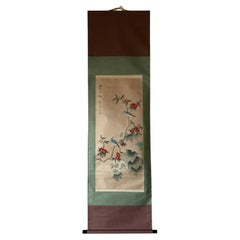
Hanging scroll : red camellia and birds
Located in Fukuoka, JP
color, embodying the traditional Japanese aesthetic that celebrates fleeting beauty. The silk surface
Category

20th Century Japanese Paintings and Screens

Materials

Silk, Wood, Paper

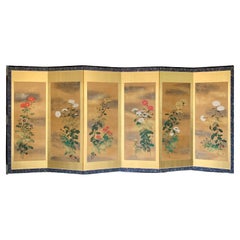
Meiji Chrysanthemum Masterpiece
Located in Fukuoka, JP
Step into a world of timeless beauty with our exceptional six-panel screen from the Edo-Meiji
Category

Antique 19th Century Japanese Meiji Paintings and Screens

Materials

Gold

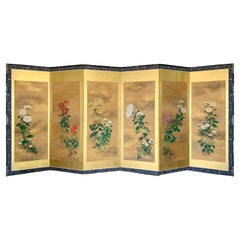
Meiji Chrysanthemum Masterpiece
Located in Fukuoka, JP
Step into a world of timeless beauty with our exceptional six-panel screen from the Edo-Meiji
Category

Antique 19th Century Japanese Meiji Paintings and Screens

Materials

Gold

Meiji Chrysanthemum Masterpiece
$4,624 Sale Price
40% Off
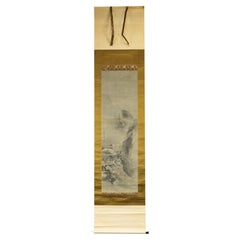
Ôhara Donshû (1792 - 1857) Edo Period - Smell of Plums in the Night. Scroll
Located in Amsterdam, Noord Holland
Ôhara Donshû (1792 - 1857) De geur van pruimen in de nacht Rolschildering / scroll op zijde, houten rollers, in houten cassette. Provenance: Oranda Jin. A/B 98.8 x 29.4 / 184 x 41.5 ...
Category

Antique Early 19th Century Japanese Meiji Paintings and Screens

Materials

Silk

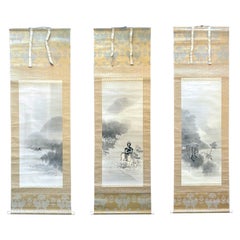
Rare Triptych Scroll Paintings by Watanabe Seitei Meiji Period
Located in Atlanta, GA
A set of three paintings of ink and watercolor on silk mounted within brocade borders as scrolls by
Category

Antique Early 1900s Japanese Japonisme Paintings and Screens

Materials

Brocade, Silk, Wood

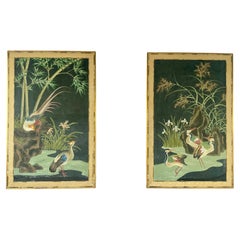
Large 19th Century Chinese Hand Painted Nature Wallpaper Panels
Located in Bradenton, FL
, and reds. Paintings have silk matting and giltwood frames. This pair reflects traditional Asian
Category

Antique 19th Century Japanese Mid-Century Modern Paintings and Screens

Materials

Silk, Wood

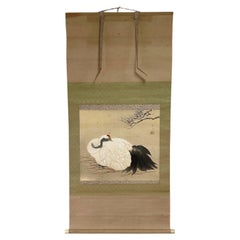
Early 20th century (Meiji period) crane scroll. Original storing box
Located in Fukuoka, JP
resting. Painted on silk . Signed. Includes original storage box Size: Overall 138/65cm (54.2/25.5
Category

Early 20th Century Japanese Meiji Paintings and Screens

Materials

Silk, Paper

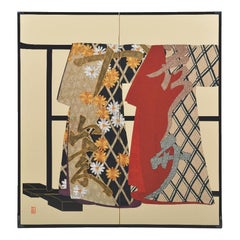
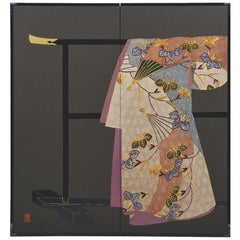
Japanese Contemporary Red Black Silk Folding Screen, 2
Located in Takarazuka, JP
Outstanding Japanese contemporary two panel "byobu" or folding screen featuring genryoku style
Category

21st Century and Contemporary Japanese Meiji Ceramics

Materials

Gold

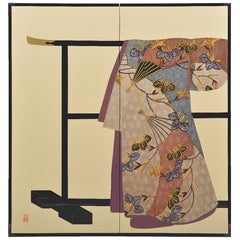
Japanese Contemporary Silk Brown Black Cream Two-Panel Folding Screen, 3
Located in Takarazuka, JP
Extraordinary contemporary Japanese two-panel "byobu" or folding screen showcasing genryoku style
Category

21st Century and Contemporary Japanese Meiji Decorative Art

Materials

Gold

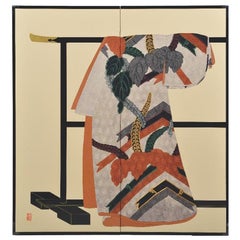
Japanese Contemporary Orange Black Cream Silk Two-Panel Folding Screen, 4
Located in Takarazuka, JP
Extraordinary Japanese contemporary two panel "byobu" or folding screen featuring genryoku style
Category

21st Century and Contemporary Japanese Meiji Decorative Art

Materials

Gold

Japanese Contemporary Orange Black Silk Brocade Two-Panel Folding Screen, 3
Located in Takarazuka, JP
Extraordinary Japanese contemporary two panel "byobu" or folding screen featuring genryoku style
Category

21st Century and Contemporary Japanese Meiji Decorative Art

Materials

Gold

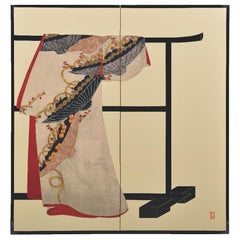
Japanese Contemporary Silk Red Black Cream Hand-Crafted Two Panel Folding Screen
Located in Takarazuka, JP
Exceptional Japanese contemporary two panel "byobu" or folding screen featuring genryoku style
Category

21st Century and Contemporary Japanese Meiji Decorative Art

Materials

Gold

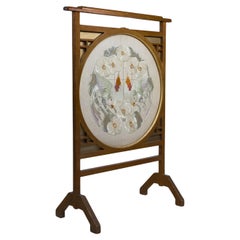
E W Godwin style. An Anglo-Japanese fire screen with a Japanese silk embroidery.
By Edward William Godwin
Located in London, GB
E W Godwin. In the style of. An Anglo-Japanese designed fire screen, with a stepped top rail and a
Category

Antique 1880s English Anglo-Japanese Fireplace Tools and Chimney Pots

Materials

Walnut

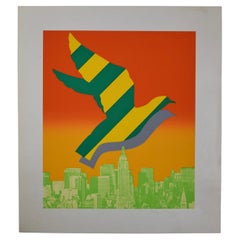
1960, Silk Screen Print "Peace One" by Reiko Momiyame, Japan
Located in Weesp, NL
"Peace One" by Reiko Momiyame. A rare and beautiful Pop Art period silk screen print signed in
Category

Vintage 1960s Japanese Mid-Century Modern Prints

Materials

Paper

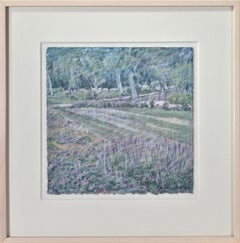
Landscape
By Carson Gladson
Located in San Francisco, CA
Japanese silk screen" (Deitch). His career began at the age of nineteen; when he won his first award as a
Category

21st Century and Contemporary American Impressionist Landscape Prints

Materials

Lithograph

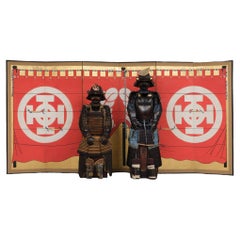
Rare set of 2 Japanese suits-of-armour, complete with 2 matching folding screens
Located in Amsterdam, NL
-shaped lacquered plates connected by Japanese mail (kaushi-gusari), placed over blue brocade silk with
Category

Antique 18th Century Japanese Antiquities

Materials

Gold Leaf, Iron, Metal

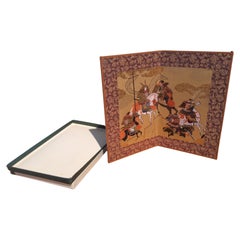
Kyonoshiki Hand Embroidered Folding Desktop Screen
Located in Pasadena, TX
looms of Kyoto, Japan. It's embroidered using gold and silver thread on silk. It depicts samurai in a
Category

20th Century Japanese Chinese Export Tribal Art

Materials

Silk

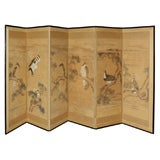
Japanese Silk Screen
Located in Stamford, CT
An early 19th century Japanese silk painted six panel screen in ebonized frame of hawks in their
Category

Antique 19th Century Japanese Screens and Room Dividers

Materials

Silk

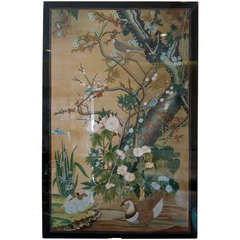
Hand Painted Japanese Silk Panel / Screen with Cherry Blossoms
Located in Northbrook, IL
Large-Scale 19th Century Japanese Painting/ Screen/ Panel Hand Painted on Silk in Ink and Mineral
Category

Antique 19th Century Japanese Paintings and Screens

Materials

Ink

  • 1
  • ...
Get Updated with New Arrivals
Save "Japanese Silk Screens", and we’ll notify you when there are new listings in this category.

Japanese Silk Screens For Sale on 1stDibs

Find a variety of Japanese silk screens available on 1stDibs. The range of distinct Japanese silk screens — often made from fabric, silk and wood — can elevate any home. Find 610 antique and vintage Japanese silk screens at 1stDibs now, or shop our selection of 41 modern versions for a more contemporary example of this long-cherished furniture. Japanese silk screens have been made for many years, and versions that date back to the 18th Century alongside those produced as recently as the 21st Century. Mid-Century Modern, Modern and Art Deco Japanese silk screens are consistently popular styles. Japanese silk screens have been a part of the life’s work for many furniture makers, but those produced by Takakura Zaiko, Edward William Godwin and Ishida Yutei are consistently popular.

How Much are Japanese Silk Screens?

Japanese silk screens can differ in price owing to various characteristics — the average selling price at 1stDibs is $3,767, while the lowest priced sells for $88 and the highest can go for as much as $155,000.

Finding the Right Paintings-screens for You

Traditional Asian paintings were often created on scrolls and folding screens. Artisans made screens that could be folded up or spread out by connecting several panels using hinges. Today, antique Asian folding screens and paintings are sophisticated decorative accents that can serve as makeshift partitions to ensure privacy.

The original folding screens were created by Chinese artists. The earliest record of screens comes from the 2nd century B.C., and surviving examples date back to the Ming dynasty. Chinese painting utilizes many of the same tools as calligraphy — these screens were crafted from wood with painted panels featuring striking art or calligraphy that told cultural stories or represented nature and life in the area.

The practice was introduced to Japan, where paintings for screens were made on paper and silk, in the 8th century. These paintings frequently feature subjects such as landscapes, animals, flowers and Buddhist religious themes. Along with screens for tea ceremonies and dance backgrounds, there were screens for use in Shinto and Buddhist temples.

In the 17th century, screens began to be imported to Europe where their popularity grew. Coco Chanel famously collected Coromandel folding screens.

Traditional Asian paintings can make a tasteful addition to any wall, and screens can be used as decoration or, in the case of larger iterations, as an aesthetic way to divide a large room. Browse the selection of antique Asian paintings and screens from a variety of styles and eras on 1stDibs.

Questions About Japanese Silk Screens
  • 1stDibs ExpertAugust 17, 2021
    Japanese screens are called Byōbu and are made from many panels with beautiful calligraphy and paintings. These folding screens can be a decorative and interesting way to separate rooms in a living space. Find a collection of Japanese screens for sale on 1stDibs.
  • 1stDibs ExpertApril 5, 2022
    Japanese screen painting is the art of creating byōbu, or Japanese screens. Byōbu vary in subject matter and style. The screens are free-standing, portable and decorated with symbolic images or calligraphy. It is common to find byōbu in pairs with at least two panels. Shop a selection of byōbu on 1stDibs.

  • Lotus Gallery
    Lotus GalleryMarch 17, 2021
    A Japanese low screen was traditionally used while seated upon the floor. The low screen would block wind and drafts, provide limited privacy, and are often decorated with seasonal themes.
  • 1stDibs ExpertApril 5, 2022
    A Japanese silk robe is also known as a kimono, sometimes also called a wafuku or a gofuku. Traditionally these brilliantly colored robes are actually layered dresses that fold across the front and are held together with a cloth belt called an obi. On 1stDibs, find vintage and contemporary kimonos from top sellers around the world.
  • 1stDibs ExpertApril 5, 2022
    A Japanese silk painting is identifiable by its depictions of everyday life and scenes that are abundant with detail. The red seal or chop can also help you determine the artist of the piece. You can shop a collection of expertly vetted Japanese silk paintings from some of the world’s top sellers on 1stDibs.