Japanese Studio Pottery
to
7
148
26
176
7
58
15
7
6
6
2
1
4
172
7
20
77
29
2
1
4
14
2
14
6
9
6
176
97
48
18
16
130
130
129
35
34
183
183
183
26
11
11
3
3
Sort By
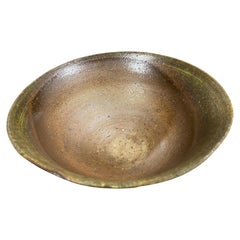
Japanese Asian Signed Bizen Yaki Ware Wabi-Sabi Studio Pottery Chawan Tea Bowl
Located in Studio City, CA
colored.
Japanese Bizen-Yaki pottery which dates back hundreds of years (its heyday was in the 16th
Category
20th Century Japanese Showa Ceramics
Materials
Stoneware

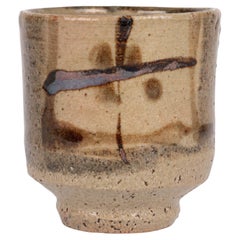
Shoji Hamada Studio Pottery Brushwork Unomi
By Shoji Hamada
Located in Bishop
s Stortford, Hertfordshire
A fine and stylish midcentury Studio Pottery Unomi hand decorated with brushwork motifs by renowned
Category
Vintage 1950s Japanese Mid-Century Modern Ceramics
Materials
Ceramic
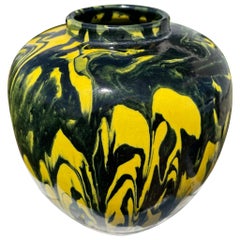
Japanese Black and Yellow Art Deco Studio Vase
Located in South Burlington, VT
.
About Japan's Colorful Hand made Awaji Pottery
Awaji pottery date from about 1830 during the Edo
Category
Early 20th Century Japanese Taisho Sculptures and Carvings
Materials
Ceramic, Pottery
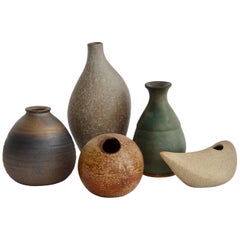
Five-Piece Collection of Diminutive Studio Stoneware Pots
Located in Ferndale, MI
Five-piece collection of Diminutive Studio stoneware pots
Largest measures: 6' H x 3" W x 1.75" D
Category
Mid-20th Century Japanese Mid-Century Modern Vases
Materials
Pottery
Mid Century Japanese Black Ceramic Vase
Located in Astoria, NY
A vintage Japanese sculptural black studio pottery ceramic vase
Category
20th Century Japanese Mid-Century Modern Vases
Materials
Ceramic
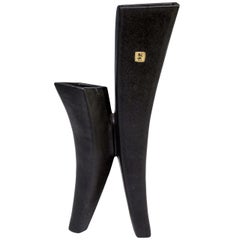
Japanese Studio Pottery Vase
Located in Hudson, NY
Japanese studio pottery vase, artist signed.
Category
Vintage 1950s Japanese Pottery
Materials
Pottery

Japanese studio pottery
Located in Hudson, NY
Japanese studio pottery signed by artist
Category
20th Century Japanese Ceramics
Materials
Pottery

Signed Japanese Studio Pottery
Located in New York, NY
Signed Japanese Studio Pottery
Category
Late 20th Century Japanese Ceramics
Materials
Ceramic
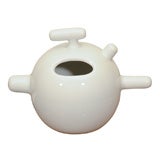
1950s Japanese Studio Pottery Lamp
Located in North Miami, FL
Gorgeous tones and technique mark the refinement of this 1950s lamp with its Japanese Studio
Category
Vintage 1950s Japanese Table Lamps
Materials
Ceramic
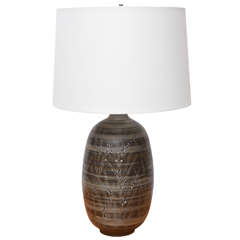
Tall Pair of 1950s Japanese Studio Pottery Lamps
Located in North Miami, FL
Wonderful 1950s pair of lamps with Japanese Studio Pottery bases in a soft grey, cream and buttery
Category
Vintage 1950s American Mid-Century Modern Table Lamps
Materials
Brass
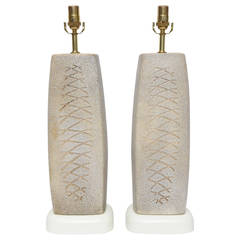
Japanese studio vase
Located in Hudson, NY
Large green Japanese studio pottery vase, circa 1950's
Category
Vintage 1950s Japanese Pottery
Materials
Pottery
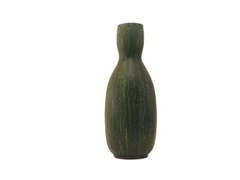
1960
s Japanese Studio Art Pottery
Located in New York, NY
1960's Japanese Studio Art Pottery
Category
Vintage 1960s Japanese Ceramics
Materials
Ceramic

- 1
Get Updated with New Arrivals
Save "Japanese Studio Pottery", and we’ll notify you when there are new listings in this category.
Japanese Studio Pottery For Sale on 1stDibs
At 1stDibs, there are many versions of the ideal piece of Japanese studio pottery for your home. Was constructed with extraordinary care, often using ceramic, pottery and stoneware. Whether you’re looking for newer or older items, there are earlier versions available from the 19th Century and newer variations made as recently as the 21st Century. When you’re browsing for the right item from our selection of Japanese studio pottery, those designed in Mid-Century Modern, Modern and Folk Art styles are of considerable interest. A well-made choice in our collection of Japanese studio pottery has long been a part of the offerings for many furniture designers and manufacturers, but those produced by Kyusetsu Miwa X, Shoji Hamada and Miyake Yoji are consistently popular.
How Much is a Japanese Studio Pottery?
The average selling price for a piece of Japanese studio pottery at 1stDibs is $1,200, while they’re typically $248 on the low end and $4,800 for the highest priced.
Questions About Japanese Studio Pottery
- How do I identify Shino pottery?1 Answer1stDibs ExpertApril 5, 2022To identify Shino pottery, study the surface under a magnifying glass. On authentic pieces, you will see tiny holes all along the surface of the pottery. Real Shino will also usually have a heavy white glaze with noticeable red scorch marks created by the firing process. You'll find a collection of expertly vetted Shino pottery on 1stDibs.
- What is Japanese pottery called?1 Answer1stDibs ExpertApril 5, 2022Japanese pottery is called tojiki or yakimono. Various types have names of their own. For example, porcelain made during the Edo period is arita-yaki, while blue and white porcelain is seto-mono. On 1stDibs, shop a selection of Japanese pottery on 1stDibs.
- 1stDibs ExpertApril 5, 2022To identify studio pottery, look on the bottom of the piece for a maker's mark. Then, use an authoritative online resource to determine which artisan uses the mark. A licensed art appraiser can assist you if you have difficulty identifying the pottery on your own. On 1stDibs, shop a large selection of expertly vetted studio pottery.
- 1stDibs ExpertMay 3, 2024Opinions vary as to what is the most famous type of Japanese pottery. A few kinds of pottery that originated in Japan have gained fame and are popular with collectors. Among them are Arita or Imari ware, Seto ware, Mino ware, Tokoname ware, Shigaraki ware, Kutani ware and Onta ware. Shop a wide variety of Japanese pottery on 1stDibs.
- 1stDibs ExpertApril 5, 2022There are 47 different prefectures in Japan and each one produces ceramic ware and pottery unique to that region. Japanese Pottery, known as Tojiki or Yakimono, combines art and tradition and reflects the culture of the region. Shop a collection of Japanese pottery from some of the world’s top sellers on 1stDibs.
- Is Japanese pottery valuable?1 Answer1stDibs ExpertApril 26, 2024Yes, some Japanese pottery is valuable. Generally, the type, style, age, maker and condition affect how much a particular piece is worth. Some varieties of Japanese pottery that often sell for high prices due to demand among collectors include Imari ware, Mino ware and Seto ware. A certified appraiser or knowledgeable antique dealer can give you specific information about whether a particular piece is valuable. On 1stDibs, shop a diverse assortment of Japanese pottery.
- 1stDibs ExpertSeptember 23, 2024To identify studio pottery marks, you can first try photographing the marking and performing a reverse image search. In some cases, this approach will lead to a quick identification. When it doesn't, you can enter a description of the marking into a search engine or look for images of the marks in trustworthy reference guides. If you need further assistance, seek the advice of a certified appraiser or knowledgeable antique dealer. On 1stDibs, explore a diverse assortment of pottery.
- 1stDibs ExpertAugust 8, 2024To tell if your Japanese pottery is antique, look for markings, which usually appear on the bottoms of pieces. If you see the word "Nippon," your piece was likely produced between 1891 and 1921, making it an antique. Pieces marked with the words "made in occupied Japan" originated between 1945 and 1952 and are vintage, based on their age. A "made in Japan" marking may indicate a vintage or contemporary piece. If you don't see any of these markings, consult trusted online resources to get a rough idea of when your pottery was produced. Any piece that dates back 100 years or more is antique. Should you encounter difficulty with the dating process, a certified appraiser or knowledgeable antique dealer can assist you. On 1stDibs, shop a variety of Japanese pottery.
- 1stDibs ExpertSeptember 23, 2024Japanese blue pottery is called sometsuke. When translated literally from Japanese, the word means "with dye." It refers to the fact that sometsuke pottery gets its beautiful color from applying a cobalt dye underglaze on white bisque ceramic. Find a wide variety of Japanese pottery from some of the world's top sellers on 1stDibs.
More Ways To Browse
Pair Blanc De Chine Vases
Tokoname Vase
Japanese Crackle Glaze Vase
Japanese Etched Vase
Monks Vases
Water Vessel Clay
Awaji Blue Vase
Awaji Green Vase
Hawaiian Vase
Japanese Stoneware Plate
Mashiko Yaki
Octopus Vase
Oribe Pottery
Satsuma Tea Set Hand Painted
Bizen Vase Signed
Japanese Moon Vase
Satsuma Shimazu
Japanese Celadon Vase