Japanese Vase With Frogs
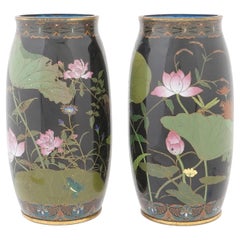
Antique Late 19th Century Japanese Meiji Vases
Enamel

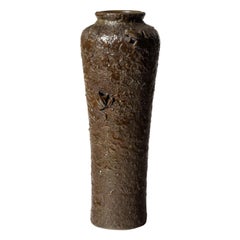
Antique 1880s Japanese Meiji Metalwork
Bronze
Recent Sales
Mid-20th Century Japanese Mid-Century Modern Vases
Brass
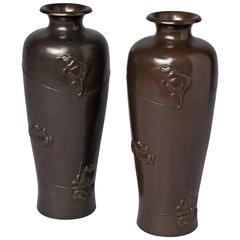
Antique Late 19th Century Japanese Meiji Vases
Bronze
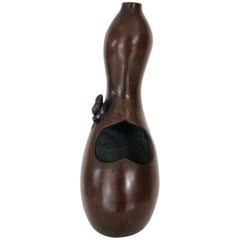
Antique Early 1900s Japanese Meiji Ceramics
Ceramic
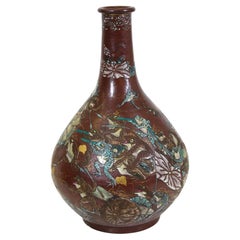
Mid-20th Century Japanese Anglo-Japanese Metalwork
Bronze
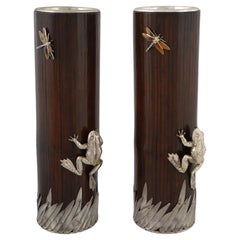
Antique 19th Century Japanese Vases
Bronze
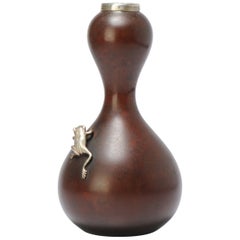
Early 20th Century Japanese Japonisme Metalwork
Bronze
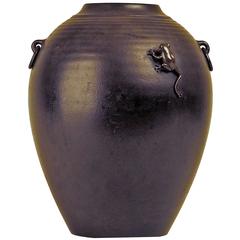
People Also Browsed
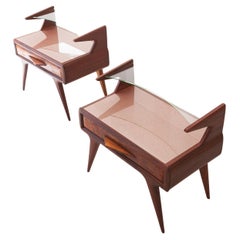
Vintage 1950s Italian Mid-Century Modern Night Stands
Glass, Wood
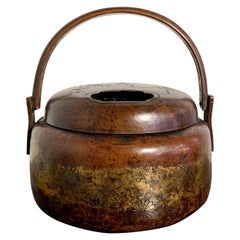
Antique 18th Century Japanese Edo Metalwork
Copper
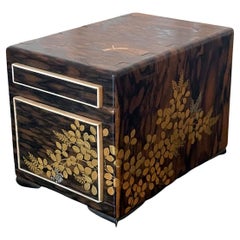
Antique Late 19th Century Japanese Meiji Lacquer
Wood
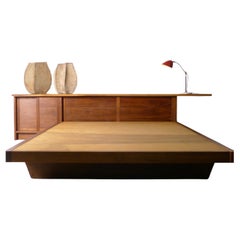
Vintage 1960s American Mid-Century Modern Beds and Bed Frames
Walnut
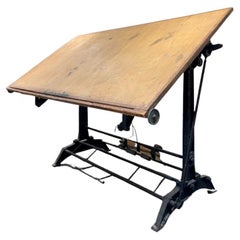
Early 20th Century Tables
Iron
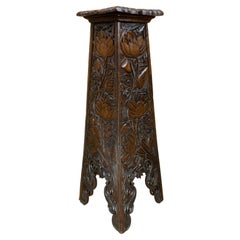
Antique 1880s British Arts and Crafts Pedestals
Oak
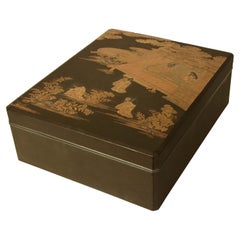
Early 20th Century Japanese Lacquer
Wood, Lacquer
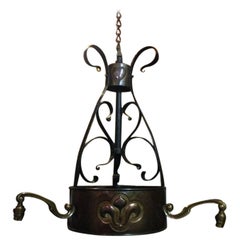
Antique Late 19th Century English Arts and Crafts Chandeliers and Pendants
Wrought Iron, Copper
20th Century African British Colonial Taxidermy
Iron
Antique Early 1900s English Arts and Crafts Coat Racks and Stands
Oak
Antique Late 19th Century Metalwork
Bronze
Antique Late 19th Century Japanese Metalwork
Bronze
Antique Early 1900s Chinese Table Lamps
Copper
2010s Contemporary Interior Paintings
Oil, Panel
Antique Late 19th Century Japanese Japonisme Table Lamps
Brass, Copper
Vintage 1910s Japanese Meiji Antiquities
Bronze
Japanese Vase With Frogs For Sale on 1stDibs
How Much are Japanese Vase With Frogs?
Finding the Right Vases for You
Whether it’s a Chinese Han dynasty glazed ceramic wine vessel, a work of Murano glass or a hand-painted Scandinavian modern stoneware piece, a fine vase brings a piece of history into your space as much as it adds a sophisticated dynamic.
Like sculptures or paintings, antique and vintage vases are considered works of fine art. Once offered as tributes to ancient rulers, vases continue to be gifted to heads of state today. Over time, decorative porcelain vases have become family heirlooms to be displayed prominently in our homes — loved pieces treasured from generation to generation.
The functional value of vases is well known. They were traditionally utilized as vessels for carrying dry goods or liquids, so some have handles and feature an opening at the top (where they flare back out). While artists have explored wildly sculptural alternatives over time, the most conventional vase shape is characterized by a bulbous base and a body with shoulders where the form curves inward.
Owing to their intrinsic functionality, vases are quite possibly versatile in ways few other art forms can match. They’re typically taller than they are wide. Some have a neck that offers height and is ideal for the stems of cut flowers. To pair with your mid-century modern decor, the right vase will be an elegant receptacle for leafy snake plants on your teak dining table, or, in the case of welcoming guests on your doorstep, a large ceramic floor vase for long tree branches or sticks — perhaps one crafted in the Art Nouveau style — works wonders.
Interior designers include vases of every type, size and style in their projects — be the canvas indoors or outdoors — often introducing a splash of color and a range of textures to an entryway or merely calling attention to nature’s asymmetries by bringing more organically shaped decorative objects into a home.
On 1stDibs, you can browse our collection of vases by material, including ceramic, glass, porcelain and more. Sizes range from tiny bud vases to massive statement pieces and every size in between.
- Are Japanese vases valuable?1 Answer1stDibs ExpertFebruary 1, 2024Yes, some Japanese vases are valuable. Some of the most highly sought-after types of Japanese vases include Satsuma, Kutani, Arita and Imari pieces. There is also a demand for select cloisonné and bronze vases made by Japanese artisans. The size, style, condition and rarity of a Japanese vase will contribute to its value. A certified appraiser or knowledgeable dealer can give you an estimate of how much a particular vase is worth. On 1stDibs, shop a diverse assortment of Japanese vases.
- What is a Japanese Satsuma vase?1 Answer1stDibs ExpertOctober 12, 2021A type of Japanese pottery originated from Satsuma province in Japan is termed as Satsuma ware. A vase of this kind is known as a Satsuma vase. An interesting fact about Satsuma ware is that they feature a "makers mark" or marking as a key to help collectors unlock the value, age and authenticity of the piece. Shop a range of antique and vintage Japanese vases on 1stDibs.
Read More
How a Craving for Color Revolutionized Glass
After synthetic dyes changed fashion, home goods and printed matter, it was only a matter of time till glass caught up.
Kazuyo Sejima’s Flowering Tree Blooms Year-Round
The brilliantly simple design turns a modest bouquet into a major statement.
He Wrote ‘Oedipus Rex,’ but Do You Know What He Looked Like?
The Greek tragedian is said to have been handsome in his day.
Cigar Culture Was Once the Peak of Masculinity. Now, It’s a Compelling Curiosity
Even for those who don’t indulge, elegant smoking accessories and audacious art portraying cigar enthusiasts hold a nostalgic allure.
African Travel Plans on Hold? This Ardmore Leopard Vase Brings the Beauty of the Savanna to You
It’s an excellent example of the sought-after ceramics coming out of South Africa’s KwaZulu-Natal province.
With a High-Tech Flagship and Cool Collabs, Lladró Is Breaking the Mold for Porcelain Production
Thanks to its new leadership, the Spanish maker of figurines, busts and lighting is on a mission to update the art of porcelain for the 21st century.
Zoë Powell’s Magnolia 05 Vessel Is Handmade from Clay She Unearthed Herself
The free-form stoneware piece is inspired by the magnolia tree and its associations with home.
8 Ways to Breathe New Life into a Space with Plants
The pair behind the Instagram account @houseplantclub share their tips for making any room of the house gloriously green.