Japanese Wabi Sabi
to
157
1,553
420
2,448
1,463
849
741
738
652
421
376
235
173
127
74
59
54
48
42
38
32
30
30
29
26
22
19
16
16
14
13
11
8
8
7
7
6
4
3
3
2
2
2
1
696
102
32
15
14
Sort By
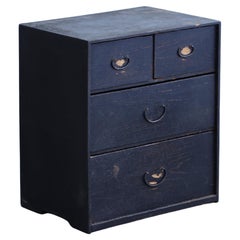
Japanese Antique Chests of Drawers , Wabi-Sabi
Located in Katori-Shi, 12
This antique Japanese chest of drawers dates back to the Meiji period.
This chest is made from
Category
Early 20th Century Japanese Meiji Commodes and Chests of Drawers
Materials
Wood

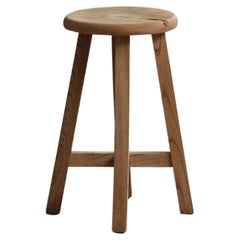
Primitive Japanese Wooden Stools, Wabi-Sabi, Japandi
Located in Katori-Shi, 12
in Japan, we reinterpret high-quality Japanese furniture from the Taisho period, a fusion of Western
Category
Early 20th Century Japanese Taisho Stools
Materials
Wood
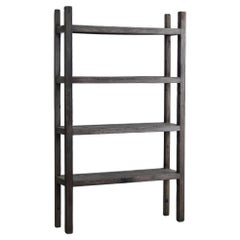
Japanese Antique Open shelf, Wabi Sabi, Japandi
Located in Katori-Shi, 12
has a Japanese essence.
A flap door is a door that can be opened and stored inside. It was often used
Category
Early 20th Century Japanese Taisho Antiquities
Materials
Wood
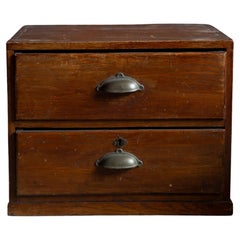
Japanese Wooden Chest of Drawers, Wabi-Sabi, Japan, 19th Century
Located in Edogawa-ku Tokyo, JP
, stationery, or simply displayed for its wabi-sabi charm, it embodies both utility and timeless atmosphere.
Category
Antique Late 19th Century Japanese Commodes and Chests of Drawers
Materials
Wood
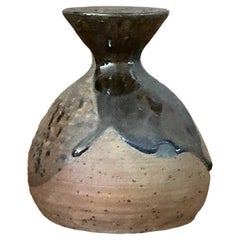
Vintage Boho Original Studio Pottery Vase
Located in West Palm Beach, FL
. The clean lines and organic feel complement a variety of decors, including Japanese, Wabi-Sabi
Category
Late 20th Century American Minimalist Vases
Materials
Pottery, Stoneware
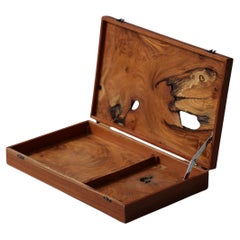
Antique Japanese wooden box , Japandi, Wabi-sabi
Located in Katori-Shi, 12
A tasteful Showa-era retro cigarette case with the beautiful grain of the keyaki wood. The texture that has been used over time enhances its warm charm.
Originally made as a cigaret...
Category
Early 20th Century Japanese Showa Cigar Boxes and Humidors
Materials
Wood
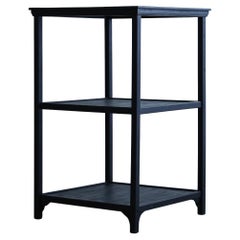
Japanese Antique black wood rack, Wabi-Sabi
Located in Katori-Shi, 12
that will elevate the atmosphere of your room. It is perfect for interiors that incorporate Japanese
Category
Early 20th Century Japanese Taisho Shelves
Materials
Wood
Miniature Ceramic Sculpture with Smooth Surface, Laura Pasquino -
Celadon 5
Located in Bruxelles, BE
inspiration from ancient ceramic traditions, including Korean pottery and the Japanese wabi-sabi aesthetic
Category
2010s Contemporary Abstract Sculptures
Materials
Ceramic

Japanese Antique Drawer 1860s-1920s / Tansu Wabi Sabi
Located in Sammu-shi, Chiba
.
Its minimal, functional design reveals a deep sense of wabi sabi the Japanese aesthetic that finds
Category
Early 20th Century Japanese Meiji Commodes and Chests of Drawers
Materials
Wood
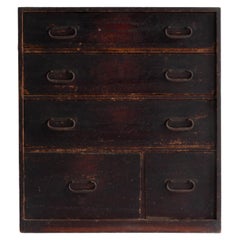
Japanese Antique Japanese Cedar Cabinet, 1920s–1940s - Japandi Wabi-Sabi
Located in Chiba, Chiba
A Japanese antique storage and display cabinet crafted entirely from solid Japanese cedar, dating
Category
Early 20th Century Japanese Furniture
Materials
Wood
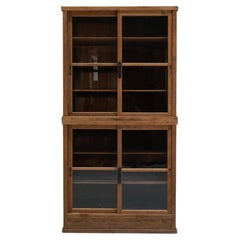
Wabi Sabi Natural Driftwood and Stone Sculpture, Japan
Located in Tokyo, Tokyo
shaped by the nature. Wabi Sabi.
Category
20th Century Japanese Natural Specimens
Materials
Stone
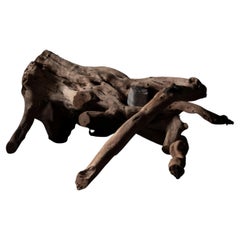
Japanese Antique Umbrella Stand 1900s-1940s / Wabi Sabi
Located in Chōsei District Nagara, JP
Japanese concept of wabi-sabi, where imperfection and time-born patina become sources of beauty. Despite
Category
Mid-20th Century Japanese Showa Umbrella Stands
Materials
Tin
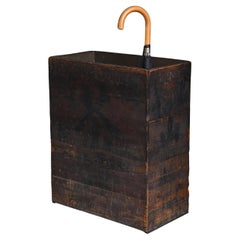
Japanese Antique Wabi Sabi Small Drawer 1860s-1900s
Located in Sammu-shi, Chiba
.
This is a very valuable piece of furniture with a wabi-sabi aesthetic.
Weight 7 kg.
Category
Early 20th Century Japanese Meiji Commodes and Chests of Drawers
Materials
Cedar
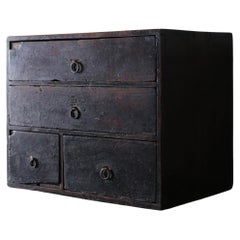
Japanese Antique Drawer 1860s-1920s / Sideboard Wabi Sabi
Located in Sammu-shi, Chiba
*wabi-sabi*
a philosophy that finds beauty in imperfection and impermanence.
It represents a quiet
Category
Early 20th Century Japanese Meiji Commodes and Chests of Drawers
Materials
Iron
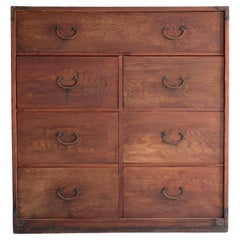
Japanese Antique Drawer 1860s-1920s / Sideboard Wabi Sabi
Located in Sammu-shi, Chiba
*wabi-sabi*
a philosophy that finds beauty in imperfection and impermanence.
It represents a quiet
Category
Early 20th Century Japanese Meiji Commodes and Chests of Drawers
Materials
Iron
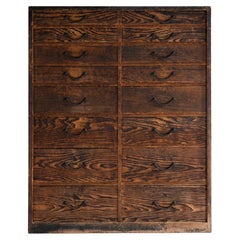
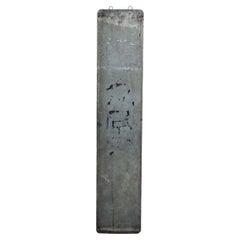
Japanese Antique signs, Abstract Art, Wabi-Sabi, Mingei
Located in Katori-Shi, 12
work that is unique to Japan.
This culture has fallen into disuse over time, and very few remain today
Category
Early 20th Century Japanese Taisho Antiquities
Materials
Wood
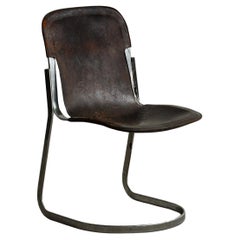
Antique Japanese leather chair, Primitive Chair, Wabi-Sabi
Located in Katori-Shi, 12
evokes the passage of time to your space?
Seat height: 43cm
Weight: 8kg
- About Us -
Based in Japan, we
Category
Early 20th Century Japanese Showa Antiquities
Materials
Leather
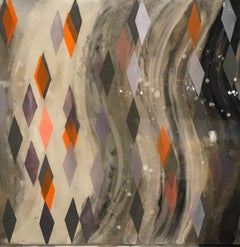
Lifted From Oblivion/ oil and resin on canvas - grey, orange geometric diamonds
By Erin Parish
Located in Burlingame, CA
meditative tenets of Buddhism, and the aesthetics of Japanese Wabi Sabi — Parish's trademark paintings are
Category
21st Century and Contemporary Contemporary Abstract Paintings
Materials
Resin, Cotton Canvas, Oil
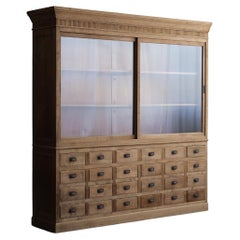
Kitchen Cabinets, Cupboard, Japanese Antiques, Wabi Sabi, Japandi
Located in Katori-Shi, 12
A two-tiered storage shelf with 24 drawers.
In my many years of looking at antique Japanese
Category
Early 20th Century Japanese Taisho Cabinets
Materials
Wood
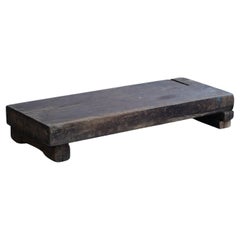
Wooden Low Table, Japanese Antique, Wabi-Sabi, Mingei
Located in Katori-Shi, 12
practicality?
Weight: 11kg
- About Us -
Based in Japan, we reinterpret high-quality Japanese furniture from
Category
Early 20th Century Japanese Meiji Tables
Materials
Wood
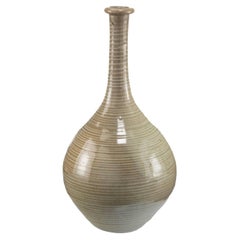
Scarce Antique Japanese Mishima Karatsu Ware Glazed Sake Bottle Vase Pottery
Located in Forney, TX
refinement, minimalist design, and traditional Japanese wabi-sabi aesthetic, with a perfectly imperfect ethos
Category
Antique 18th Century Japanese Edo Bottles
Materials
Pottery, Ceramic, Stoneware
Japanese Antique Drawer 1860s-1920s / Sideboard Wabi Sabi
Located in Sammu-shi, Chiba
This is a very old drawer storage chest made in Japan.
It dates back to the Meiji era (1860s–1920s
Category
Early 20th Century Japanese Meiji Commodes and Chests of Drawers
Materials
Iron

Japanese Antiques Cabinets, Tansu Storage, Wabi Sabi, Japandi
Located in Katori-Shi, 12
glass product. Please contact us for delivery conditions.
Weight:
- About Us -
Based in Japan, we
Category
Early 20th Century Japanese Taisho Cabinets
Materials
Wood
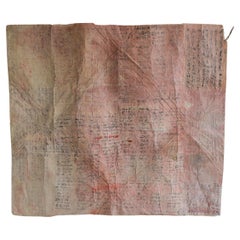
Japanese Antiques , Old Wrapping Paper , Tapestries , Wabi-sabi
Located in Katori-Shi, 12
thin and soft texture.
Its unique texture truly evokes the essence of Japan and the breath of the era
Category
Early 20th Century Japanese Taisho Paintings and Screens
Materials
Paper
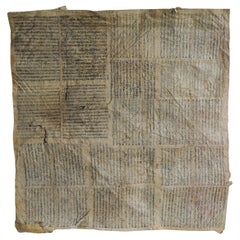
Japanese Antiques , Old Wrapping Paper , Tapestries , Wabi-Sabi
Located in Katori-Shi, 12
thin and soft texture.
Its unique texture truly evokes the essence of Japan and the breath of the era
Category
Early 20th Century Japanese Taisho Paintings and Screens
Materials
Paper
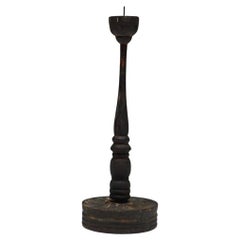
Japanese Antique Wooden Candle Stand, Late 1800s, Wabi-Sabi
Located in Chiba, Chiba
gravity that suits contemplative interiors, display settings, or wabi-sabi inspired spaces.
A modest yet
Category
Antique Late 19th Century Japanese Antiquities
Materials
Wood
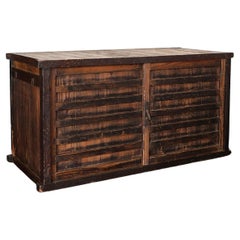
Large Edo Period Japanese Tansu/Sideboard Wabi Sabi
Located in London, GB
A large heavily patinated Edo period Tansu/sideboard.
Constructed in cedar & elm with two sliding doors & three internal drawers.
Original forged iron hardware. Many age old repair...
Category
Antique Mid-19th Century Japanese Sideboards
Materials
Cedar
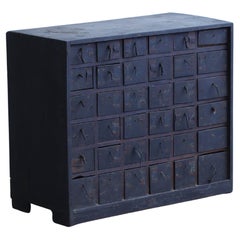
Japanese Antique Chests of Small Drawers , Wabi-Sabi
Located in Katori-Shi, 12
purposes. It is an attractive item that adds a touch of Japanese style to the interior of a room or store
Category
Early 20th Century Japanese Meiji Commodes and Chests of Drawers
Materials
Wood
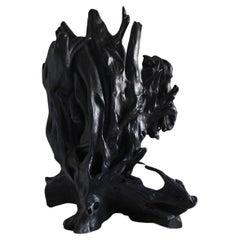
XL Japanese Charred Cedar Root Wabi Sabi Sculpture
Located in London, GB
A unique XL charred cedar sculpture from the Tokyo region of Japan.
A truly impressive piece of
Category
Vintage 1960s Japanese Abstract Sculptures
Materials
Cedar
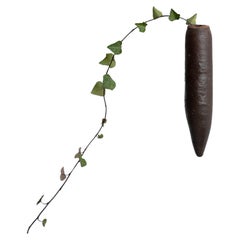
Japanese antique pottery vase / "Tokoname" /Mingei Wabi Sabi
Located in Sammu-shi, Chiba
seasonal flowers, dead branches, etc. in it.
A very valuable piece with a wabi-sabi sensibility.
"About
Category
Mid-20th Century Japanese Showa Vases
Materials
Pottery
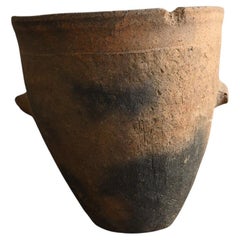
Japanese antique earthenware/Wabi-sabi objects/Unglazed pottery
Located in Sammu-shi, Chiba
earthenware from Japan, called "Yayoi" or "Hajiki".
This item is from before the 9th century, and is a type of
Category
Antique 15th Century and Earlier Japanese Other Antiquities
Materials
Pottery
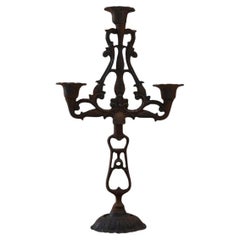
Japanese Antique Iron Candlestick, 1910s–1930s - Japandi Wabi-Sabi
Located in Chiba, Chiba
naturally with minimalist, rustic, or wabi-sabi interiors, offering a grounded accent through its patina and
Category
Early 20th Century Japanese Antiquities
Materials
Iron
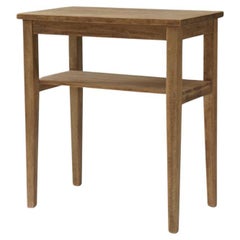
Japanese Antique Oak Side Table, 1960s - Japandi Wabi-Sabi
Located in Chiba, Chiba
A Japanese antique side table crafted from oak and dating from the 1960s.
Its gently tapered legs
Category
Mid-20th Century Japanese Furniture
Materials
Wood
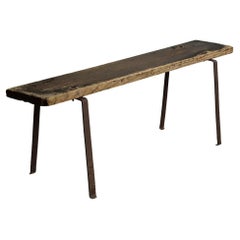
Japanese Antique Bench, Primitive Japanese Wooden Bench, Wabi-Sabi
Located in Katori-Shi, 12
Introducing our antique Japanese bench, a remarkable piece that embodies the serene beauty of wabi
Category
Early 20th Century Taisho Chairs
Materials
Wood
Antique Japanese Wooden Table / 1868-1920 / Wabi-Sabi Table
Located in Sammu-shi, Chiba
spirit of wabi sabi, the Japanese aesthetic philosophy that finds beauty in imperfection, impermanence
Category
Antique Late 19th Century Japanese Meiji Tables
Materials
Wood
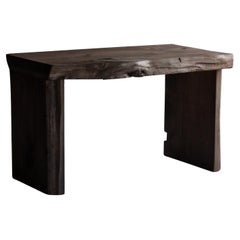
Japanese Antique Chairs, Rustic Wooden Chair, Wabi-Sabi
Located in Katori-Shi, 12
This is an antique Japanese chair from the early Showa period.
Made of beech wood, this simple
Category
Early 20th Century Japanese Showa Rocking Chairs
Materials
Wood
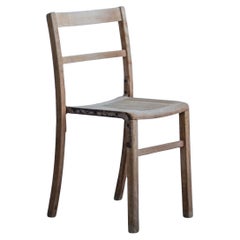
Japanese Antique Chairs, Primitive Wooden Chair, Wabi-Sabi
Located in Katori-Shi, 12
detailed images.
Weight: 5kg
- About Us -
Based in Japan, we reinterpret high-quality Japanese furniture
Category
Early 20th Century Japanese Taisho Rocking Chairs
Materials
Wood
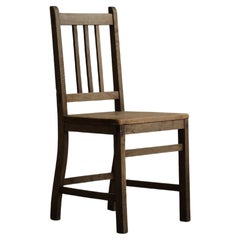
Japanese Antique Bench, Primitive Japanese Wooden Bench, Wabi-Sabi
Located in Katori-Shi, 12
Introducing our antique Japanese bench, a remarkable piece that embodies the serene beauty of wabi
Category
Early 20th Century Taisho Chairs
Materials
Wood
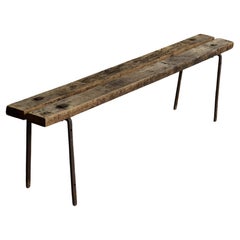
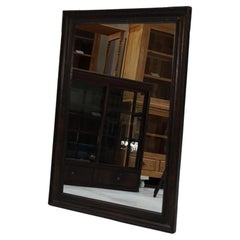
Japanese Antique Wooden Wall Mirror, 1950s, Japandi Wabi-Sabi
Located in Chiba, Chiba
A Japanese antique wooden mirror dating from the 1950s.
Defined by slender, delicate lines alone
Category
Mid-20th Century Japanese Furniture
Materials
Mirror, Wood
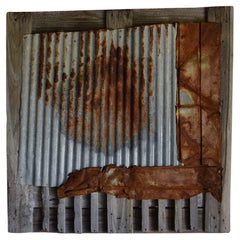
Japanese Wall Art / Japanese objet / wabi-sabi art / primitive wall art
Located in Sammu-shi, Chiba
This is a wall art made using some of the material from an old Japanese door.
This is a wooden
Category
2010s Japanese Primitive Antiquities
Materials
Tin
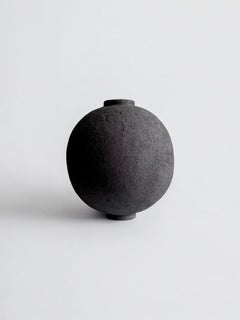
Small Ceramic Sculpture with Texture, Laura Pasquino -
Black vase 01
Located in Bruxelles, BE
Drawing inspiration from ancient ceramic traditions, including Korean pottery and the Japanese wabi
Category
2010s Contemporary Abstract Sculptures
Materials
Ceramic
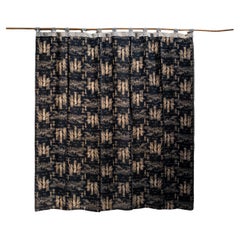
Japanese Vintage Linen Noren, Textile, Wabi Sabi, 19th Century
Located in Tokyo, Tokyo
The unique and beautiful fabric piece, that's called noren - traditional Japanese fabric divider
Category
Antique 19th Century Japanese Textiles
Materials
Linen
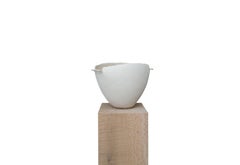
White Ceramic Sculpture with Texture, 2025 -
Cream bowl
- Laura Pasquino
Located in Bruxelles, BE
Drawing inspiration from ancient ceramic traditions, including Korean pottery and the Japanese wabi
Category
2010s Contemporary Abstract Sculptures
Materials
Ceramic
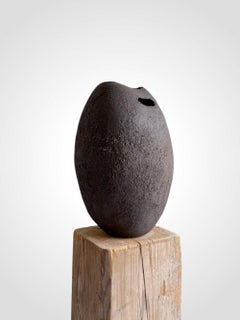
Black Ceramic Sculpture with Texture, 2025 -
Bucket
Located in Bruxelles, BE
Drawing inspiration from ancient ceramic traditions, including Korean pottery and the Japanese wabi
Category
2010s Contemporary Abstract Sculptures
Materials
Ceramic
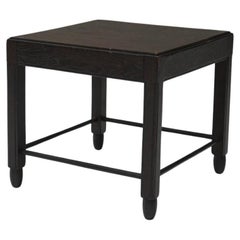
Japanese Antique Low Table, 1920s–1930s - Japandi Wabi-Sabi
Located in Chiba, Chiba
A Japanese antique low table dating from the 1920s–1930s.
Though the wood species is unknown, the
Category
Early 20th Century Japanese Furniture
Materials
Wood
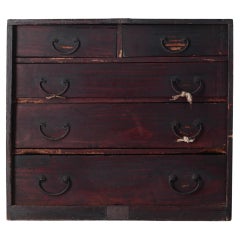
Japanese Antique Drawer / Storage Tansu / 1912s / Wabi-Sabi Mingei
Located in Iwate-gun Shizukuishi-cho, Iwate Prefecture
This is an antique Japanese-made drawer.
It is made from cedar, and the date "Meiji 45 (1912s)" is
Category
Vintage 1910s Japanese Meiji Commodes and Chests of Drawers
Materials
Iron
Tall Early Meiji Period Japanese Tansu Cabinet Wabi Sabi
Located in London, GB
A tall heavily patinated cedar tansu with multiple drawers, sliding doors & original iron hardware.
Strong utilitarian design.
Category
Antique 19th Century Japanese Cabinets
Materials
Cedar
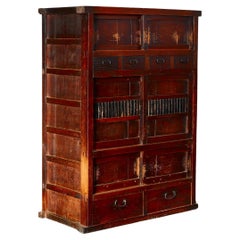
Small Black Ceramic Sculpture with Texture, 2021 -
Black vase 01
Located in Bruxelles, BE
Drawing inspiration from ancient ceramic traditions, including Korean pottery and the Japanese wabi
Category
2010s Contemporary Abstract Sculptures
Materials
Ceramic
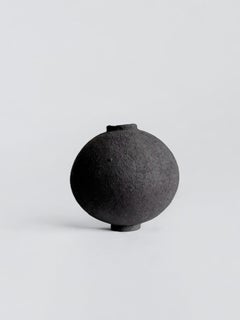
Japanese Antique Zelkova Drawer Chest, 1950s - Japandi Wabi-Sabi
Located in Chiba, Chiba
A Japanese antique drawer chest crafted from zelkova, dating from the 1950s.
The flowing grain
Category
Mid-20th Century Japanese Furniture
Materials
Wood
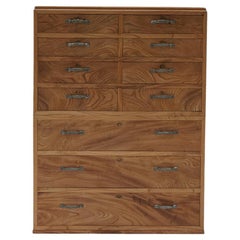
Japanese Antique Zelkova
Cedar Cabinet, 1950s - Japandi Wabi-Sabi
Located in Chiba, Chiba
A Japanese antique cabinet crafted from a combination of zelkova and cedar, dating from the 1950s
Category
Mid-20th Century Japanese Furniture
Materials
Wood
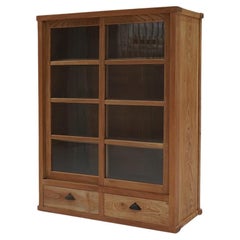
Japanese Antique Ash Wood Bench, 1950s - Japandi Wabi-Sabi
Located in Chiba, Chiba
A Japanese antique bench crafted from ash wood, dating from the 1950s.
Its simple, unadorned form
Category
Mid-20th Century Japanese Furniture
Materials
Wood
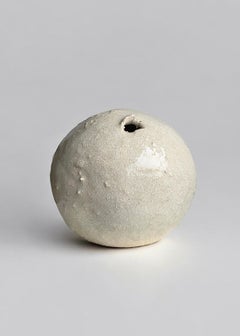
Small White Ceramic Sculpture with a Crackled Glazing, 2025 -
Nest 1
Located in Bruxelles, BE
Drawing inspiration from ancient ceramic traditions, including Korean pottery and the Japanese wabi
Category
2010s Contemporary Abstract Sculptures
Materials
Ceramic, Glaze
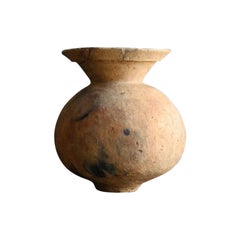
Very old Japanese excavated earthenware/Wabi Sabi vase
Located in Sammu-shi, Chiba
This is earthenware excavated in Japan.
It has a very beautiful shape and is well balanced.
The
Category
Antique 15th Century and Earlier Japanese Other Vases
Materials
Pottery
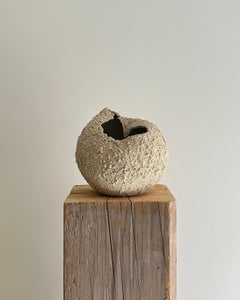
Round Beige Ceramic Sculpture with Rough Texture, 2024
Grain 27
Located in Bruxelles, BE
Drawing inspiration from ancient ceramic traditions, including Korean pottery and the Japanese wabi
Category
2010s Contemporary Abstract Sculptures
Materials
Ceramic, Glaze
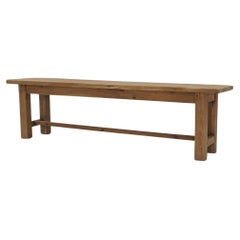
Japanese Antique Rustic Coffee Table 1860s-1900s / Wabi Sabi
Located in Sammu-shi, Chiba
“wabi-sabi,” the Japanese philosophy of finding beauty in imperfection and impermanence.
It is modest
Category
Early 20th Century Japanese Rustic Coffee and Cocktail Tables
Materials
Wood
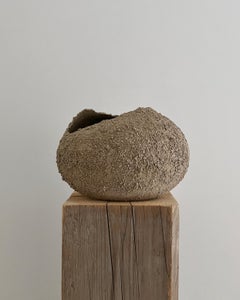
Small Contemporary natural Ceramic Sculpture, 2024 -
Brown Dove
Located in Bruxelles, BE
Drawing inspiration from ancient ceramic traditions, including Korean pottery and the Japanese wabi
Category
2010s Contemporary Abstract Sculptures
Materials
Ceramic
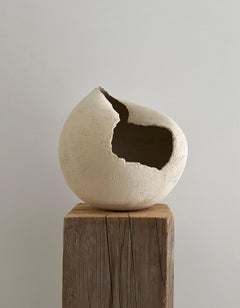
Round Contemporary White Ceramic, 2024 -
Essence 2
Located in Bruxelles, BE
Drawing inspiration from ancient ceramic traditions, including Korean pottery and the Japanese wabi
Category
2010s Contemporary Abstract Sculptures
Materials
Ceramic
- 1
- ...
Get Updated with New Arrivals
Save "Japanese Wabi Sabi", and we’ll notify you when there are new listings in this category.
Japanese Wabi Sabi For Sale on 1stDibs
With a vast inventory of beautiful furniture at 1stDibs, we’ve got just the Japanese wabi sabi you’re looking for. A Japanese wabi sabi — often made from wood, ceramic and pottery — can elevate any home. If you’re shopping for a Japanese wabi sabi, we have 36 options in-stock, while there are 1 modern editions to choose from as well. There are many kinds of the Japanese wabi sabi you’re looking for, from those produced as long ago as the 18th Century to those made as recently as the 21st Century. A Japanese wabi sabi, designed in the Arts and Crafts or Mid-Century Modern style, is generally a popular piece of furniture. Many designers have produced at least one well-made Japanese wabi sabi over the years, but those crafted by Skoby Joe are often thought to be among the most beautiful.
How Much is a Japanese Wabi Sabi?
Prices for a Japanese wabi sabi can differ depending upon size, time period and other attributes — at 1stDibs, they begin at $68 and can go as high as $6,800, while the average can fetch as much as $1,200.
Questions About Japanese Wabi Sabi
- 1stDibs ExpertMay 5, 2023The primary principle of Wabi-Sabi is to appreciate the imperfections found in nature. As a result, Wabi-Sabi emphasizes asymmetry, roughness, simplicity and the use of natural materials and finishes. On 1stDibs, shop a variety of pieces based on Wabi-Sabi principles.
- What is wabi-sabi pottery?1 Answer1stDibs ExpertApril 5, 2022Wabi-sabi pottery refers to earthenware vessels that embody the principles of a Japanese philosophy called wabi-sabi. Proponents of the idea believe that household objects should emphasize function over form, so that they satisfy needs but do not cause people to attach too much meaning to worldly possessions. There is also a focus on finding the beauty in imperfection and simplicity. On 1stDibs, find a collection of wabi-sabi pottery.
- What is wabi-sabi furniture?1 Answer1stDibs ExpertApril 5, 2022Wabi-sabi furniture refers to tables, seats and other furnishings that reflect a specific Japanese design philosophy. It involves creating minimalist furniture that has a focus on appreciating the imperfections found in nature. On 1stDibs, find a collection of wabi-sabi furniture.
- What is an example of wabi-sabi?2 Answers1stDibs ExpertApril 5, 2022Wabi-sabi is the practice of finding the beauty in imperfections. Examples include flowers growing through cracks in the ground, or a broken ceramic bowl made whole again with its imperfections showing through. You’ll find a variety of wabi-sabi pieces from some of the world’s top sellers on 1stDibs.1stDibs ExpertApril 5, 2022One important aspect of wabi-sabi is the beauty in imperfect things, so a good example of wabi-sabi would be asymmetrical or even crude vessels and furniture. On 1stDibs, you’ll find a collection of wabi-sabi furniture and other objects from some of the world’s top sellers.
- Is Wabi-sabi a design style?1 Answer1stDibs ExpertMay 5, 2023Wabi-sabi is technically not a design style, but it has influenced design. The term Wabi-sabi refers to a philosophy that emphasizes accepting imperfection and celebrating the impermanent beauty of nature. This concept has inspired many interior design trends, such as using organic and sustainable materials, selecting upcycled and repurposed pieces and integrating furniture and decorative objects that are unfinished, unpolished and unglazed. Shop a collection of pieces inspired by Wabi-sabi on 1stDibs.