Japanese Water Fountains
Recent Sales
Antique 19th Century Japanese Edo Fountains
Granite
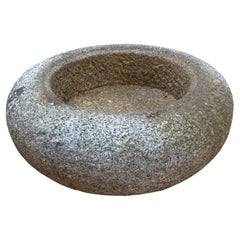

20th Century Rustic Fountains
Granite
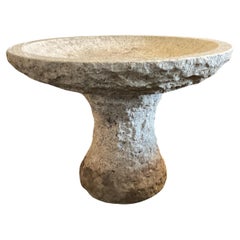
Early 20th Century Japanese Showa Fountains
Limestone
Finding the Right Fountains for You
Adding antique and vintage fountains to your home and garden is a great way to accentuate your interiors or landscape design as well as reap the benefits of the calming sound of flowing water.
The design of your outdoor fountain — or the indoor fountain you’ve introduced to your parlor — is going to determine how the water flows into its basin. Whether your new addition is a simple bowl-shaped design, an elaborate wall-mounted Art Deco fountain or a classical tiered tower boasting decoratively carved floral motifs, this will determine the movement of the feature’s water as well as the sounds it makes. If you’re looking to ensure that there is steadily bubbling water, a slow trickle, a waterfall or cascading sheets of water, you’ll want to think about the architecture of your fountain.
Interior and exterior fountains are made from a variety of materials. Cast concrete lends a classical look to your outdoor fountain. Limestone, a component of concrete, is a dense rock with a creamy white finish that calls to mind classical sculptures. If you’ve already adorned your garden or patio and firepit area with Roman statues, this will feel cohesive in your outdoor space. While limestone fountains are low maintenance, these features will require upkeep. A limestone fountain will need to be cleaned out and undergo a water change on occasion — at least every two to four months — in order to prevent algae growth as well as the smell that might accompany it.
Glazed ceramic fountains, which also warrant regular cleaning to reduce buildup of debris and mineral deposits, will add a splash of color to your garden or entryway. A Spanish or Italian fountain adorned with vibrant ornamental tiles will pop against your shrubbery and concrete planters. Lightweight options for outdoor fountains can be found in fiberglass and cast iron if stone seems too heavy for your taste.
By the 19th century, Victorians realized there were health benefits to fountains. The sound of running water can help create a harmonious and soothing environment in your well-appointed outdoor oasis or inviting foyer, and today, we could all use a little relaxation.
It’s time to harness the calming properties of gently flowing water. You will love the serenity that a vintage, new or antique fountain from 1stDibs can add to your home and garden.
- 1stDibs ExpertMarch 3, 2023Whether you can leave a water fountain outside in the winter depends on the piece. However, experts recommend that all fountains be drained and stored away from the elements in areas that receive ice and snow during the winter months. On 1stDibs, shop a range of fountains.
Read More
39 Incredible Swimming Pools
It's hard to resist the allure of a beautiful pool. So, go ahead and daydream about whiling away your summer in paradise.
This Lavish 18th-Century Chimneypiece Comes from a Historic Scottish Estate
The exceptionally crafted mantel was saved despite the home’s regrettable demise.
A Pair of Monumental Stone Tigers Protect and Guide Wandering Souls
The Qing dynasty beasts honored the dead and warned off malicious spirits.
Andrés Monnier’s Stone Tub Makes Bathing a Rite of Renewal
The dramatic piece transforms a daily scrub into an act of communion with the elements.
Meet the Siblings behind the Exquisite Outdoor Furniture of McKinnon and Harris
Anne and Will Massie apply the lessons of the past to create alfresco pieces as timeless as the traditions that inspire them.
35 Wondrous Outdoor Dining Spaces
Eating meals alfresco is one of the great pleasures of warm weather, and a beautifully appointed space only heightens the experience. Get inspired by these delectable dining areas as you think about creating your own outdoor oasis.
In These Chic Homes, Indoors and Outdoors Freely Mingle
Through potted plants, garden furniture, nature-inspired art and architectural apertures, designers are bringing the outside in.
24 Perfect Patios with Fire Pits and Fireplaces
In these stylish spaces, the outdoor season extends year round.