Jar Vintage Watch
2010s Swiss Modern Wrist Watches
Stainless Steel
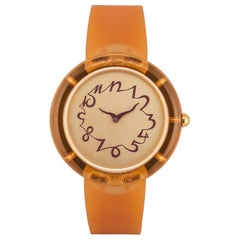
2010s Swiss Modern Wrist Watches
Stainless Steel
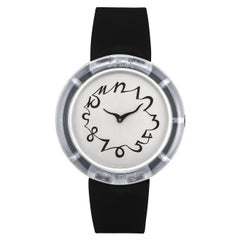
Recent Sales
2010s Swiss Modern Wrist Watches
Stainless Steel
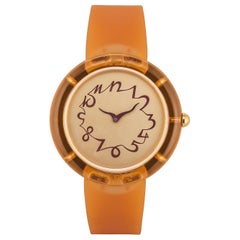
2010s Swiss Modern Wrist Watches
Stainless Steel
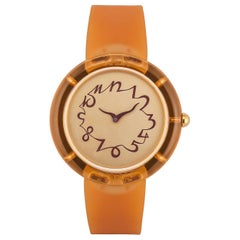
2010s Swiss Modern Wrist Watches
Stainless Steel
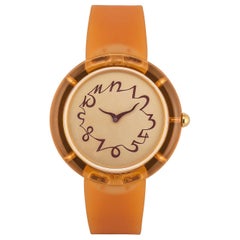
2010s Swiss Modern Wrist Watches
Stainless Steel
2010s Swiss Modern Wrist Watches
Stainless Steel
2010s Swiss Modern Wrist Watches
Stainless Steel
2010s Swiss Modern Wrist Watches
Stainless Steel
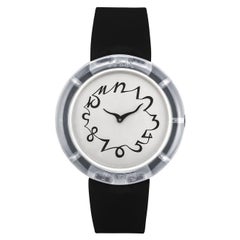
2010s Swiss Modern Wrist Watches
Stainless Steel
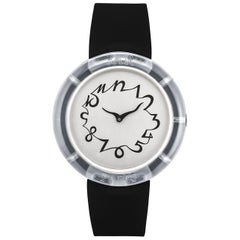
2010s Swiss Modern Wrist Watches
Stainless Steel
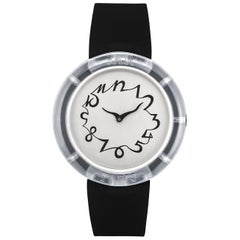
2010s Swiss Modern Wrist Watches
Stainless Steel
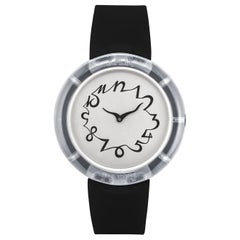
2010s Swiss Modern Wrist Watches
Stainless Steel
People Also Browsed
20th Century French Modern Wrist Watches
Ruby, 18k Gold, Yellow Gold
20th Century Contemporary Wrist Watches
18k Gold
2010s French Top Handle Bags

2010s Italian Wrist Watches
18k Gold
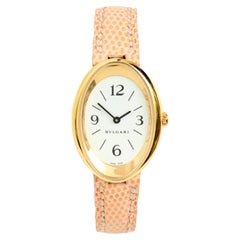
21st Century and Contemporary French Top Handle Bags
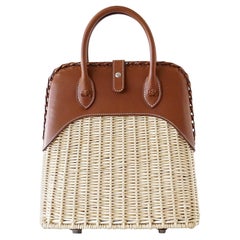
1980s French Structured Shoulder Bags
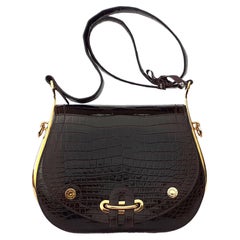
Antique 1840s British Early Victorian Link Necklaces
Turquoise, Gold
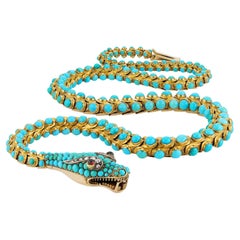
1990s Top Handle Bags
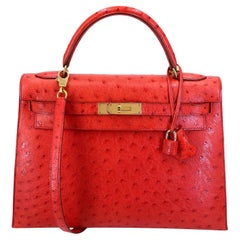
21st Century and Contemporary French Top Handle Bags
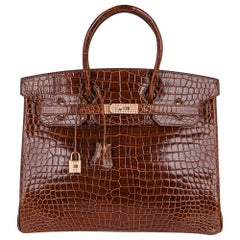
2010s French Wallets and Small Accessories
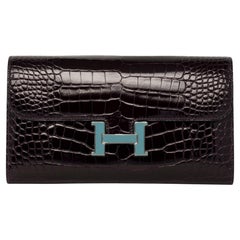
2010s French Top Handle Bags
Antique 1890s Victorian Brooches
Diamond, Gold
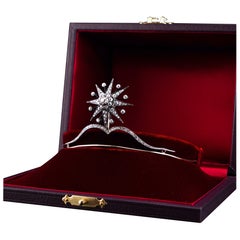
19th Century European Duffel Bags and Carry-On Bags
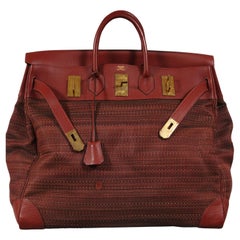
Vintage 1980s French Beaded Necklaces
Chalcedony, Diamond, Pearl, Sapphire, 18k Gold
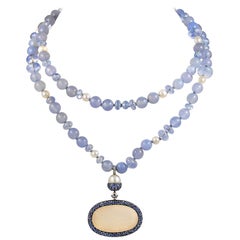
2010s French Tote Bags
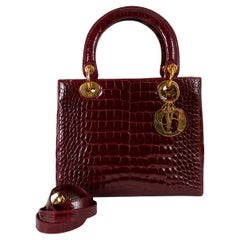
1990s Modern Engagement Rings
Diamond, Gold, 18k Gold, Yellow Gold
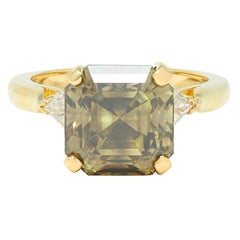
JAR for sale on 1stDibs
While Joel Arthur Rosenthal (b. 1943), the founder of JAR, may not be the most prolific jeweler, he is one of the most exclusive. In fact, Rosenthal has no need for prominent signage or window displays at his famed Place Vendôme boutique in Paris because he opens the door only for a select few, including Elle Macpherson, Mary Pinault and Jo Carole Lauder, among others. Rosenthal’s dazzling, sculptural earrings and other jewelry are internationally adored, but his sales tactics are rather unique — he’s notoriously reclusive, shies away from publicity and advertising, and clients are received only after he’s personally approved them.
The New York City–born designer didn’t plan on a career in the jewelry industry. After graduating from Harvard University with a degree in art history and philosophy, a young Rosenthal moved to Paris, where he opened a needlepoint shop. It was off to a slow start, but after a short time, his unusual color pairings and imaginative stitchwork drew in designers from Hermès and Valentino. Rosenthal was tasked with designing a mount for a gemstone by one of his fashion-industry clientele, and he soon moved beyond textile arts.
With a newfound interest in fashion and design, Rosenthal briefly returned to his native New York City, where he worked as a salesperson in BVLGARI’s Fifth Avenue store. His fascination with jewels lured him back to Paris in 1977 to open his own jewelry boutique with his partner, a Swiss psychiatrist named Pierre Jeannet.
In his jewelry shop’s early days, Rosenthal, working with largely affordable stones such as coral, set gems in pavé arrangements that recalled the meticulousness of his needlepoint projects. Although he’d become known among fashion’s elite in Paris, the name JAR was still relatively unfamiliar to his soon-to-be international clientele. An acclaimed exhibition at London’s Somerset House in 2002 changed that.
Rosenthal became a global icon following the 400-piece show, in which the lights were dimmed and guests, armed with flashlights, navigated the display cases of shimmering necklaces and rings adorned in sapphires and diamonds. His now-revered Pansy ear clips — comely floral pieces sculpted from aluminum and mounted in gold — were made available for purchase at the show, while pairs were gifted to those who loaned him their jewels for the exhibition.
Like the Pansy earrings, Rosenthal’s pieces are typically inspired by delicate shapes found in nature. One such piece is a ruby-encrusted camellia brooch, which sold in 2012 at a charity auction held at Christie’s for $4.3 million.
Rosenthal still lives in Paris, where he designs approximately 70 pieces every year.
Browse JAR jewelry today on 1stDibs.
A Close Look at Modern Jewelry
Rooted in centuries of history of adornment dating back to the ancient world, modern jewelry reimagines traditional techniques, forms and materials for expressive new pieces. As opposed to contemporary jewelry, which responds to the moment in which it was created, modern jewelry often describes designs from the 20th to 21st centuries that reflect movements and trends in visual culture.
Modern jewelry emerged from the 19th-century shift away from jewelry indicating rank or social status. The Industrial Revolution allowed machine-made jewelry using electric gold plating, metal alloys and imitation stones, making beautiful jewelry widely accessible. Although mass production deemphasized the materials of the jewelry, the vision of the designer remained important, something that would be furthered in the 1960s with what’s known as the “critique of preciousness.”
A design fair called the “Exposition Internationale des Arts Décoratifs et Industriels Modernes” brought global attention to the Art Deco style in 1925 and gathered a mix of jewelry artists alongside master jewelers like Van Cleef Arpels, Mauboussin and Boucheron. Art Deco designs from Cartier and Van Cleef Arpels unconventionally mixed gemstones like placing rock crystals next to diamonds while borrowing motifs from eclectic sources including Asian lacquer and Persian carpets. Among Cartier’s foremost design preoccupations at the time were high-contrast color combinations and crisp, geometric forms and patterns. In the early 20th century, modernist jewelers like Margaret De Patta and artists such as Alexander Calder — who is better known for his kinetic sculptures than his provocative jewelry — explored sculptural metalwork in which geometric shapes and lines were preferred over elaborate ornamentation.
Many of the innovations in modern jewelry were propelled by women designers such as Wendy Ramshaw, who used paper to craft her accessories in the 1960s. During the 1970s, Elsa Peretti created day-to-night pieces for Tiffany Co. while designers like Lea Stein experimented with layering plastic, a material that had been employed in jewelry since the mid-19th century and had expanded into Bakelite, acrylics and other unique materials.
Find a collection of modern watches, bracelets, engagement rings, necklaces, earrings and other jewelry on 1stDibs.
Finding the Right Wrist-watches for You
Antique, vintage and luxury wristwatches have captured the hearts and minds of all manner of watch collectors as well as the watchmakers themselves — it's time you found your own.
Certain vintage watches for men and iconic watch designs for women are sought after not only because of their graceful proportions or innovative materials but also because of the illustrious histories of the houses that created them, histories that they stylishly embody.
Bulgari’s legendary Serpenti watch was on everyone’s list after the collection’s bold bracelet, which technically debuted after the timepiece, graced the wrist of actress Elizabeth Taylor. If anything, elaborately crafted timepieces — the unmistakably boxy silhouette of Cartier Tank watches, the elegant and minimal Calatrava designed by legendary Swiss house Patek Philippe — are even more effective than the shape we associate with traditional wristwatches.
Form watches — the all-encompassing moniker bestowed upon non-round watches — are making headlines and completing contemporary fashionable ensembles the world over. At the same time, both casual fans and careful collectors are drawn to the unbeatable charm of vintage styles, such as the icons designed by Omega that even James Bond can’t resist.
In the early days of watchmaking, watches were fragile enough that they necessitated protection from the elements. Now, wristwatches made of gold and steel can withstand the harshest climates — even 100 meters underwater, in the case of Rolex’s Submariner. Designer Gérald Genta, whose range of clients included Rolex, created for Audemars Piguet the first luxury sports timepiece to be made from stainless steel. First introduced in 1972, the Royal Oak was a perfect choice for blending the form and function that are now synonymous with sports watches.
Are you shopping for a wristwatch? It’s good to keep your needs as well as your specific personal style in mind: A smaller, subtle timepiece is a good fit for small wrists. When will you be wearing your new accessory? There’s a versatile model out there for everyday wear, while a rugged, feature-heavy watch is a safe bet if you’re prone to embarking on all-weather activities in the great outdoors.
Find antique, vintage and luxury wristwatches for sale on 1stDibs.