Joseph Freelander
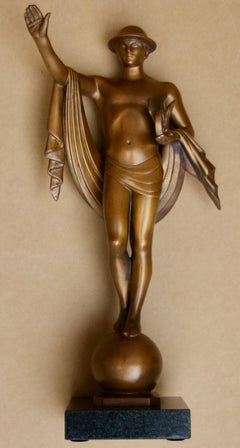
1930s Art Deco Figurative Sculptures
Bronze

Recent Sales
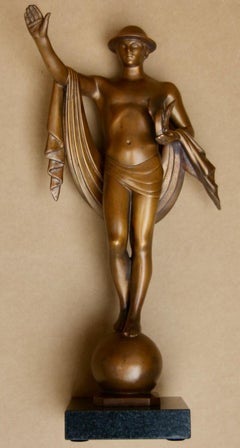
1930s Art Deco Figurative Sculptures
Bronze
People Also Browsed
20th Century French Art Deco Chandeliers and Pendants
Bronze
Early 20th Century French Art Deco Animal Sculptures
Brass

21st Century and Contemporary French Art Deco Chandeliers and Pendants
Bronze

Vintage 1940s French Art Deco Wall Lights and Sconces
Iron
21st Century and Contemporary French Art Deco Chandeliers and Pendants
Brass

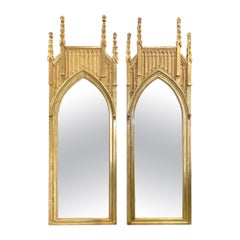
Antique 19th Century British Gothic Revival Floor Mirrors and Full-Lengt...
Gesso, Wood, Mirror
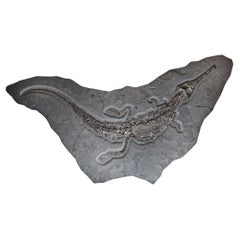
Antique 15th Century and Earlier German Decorative Art
Other
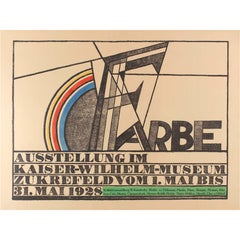
Vintage 1920s German Posters
Paper
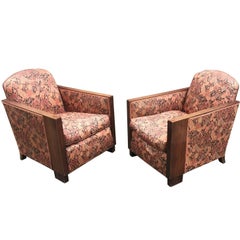
Vintage 1930s European Art Deco Armchairs
Walnut
Vintage 1920s French Art Deco Posters
Paper

Early 20th Century Art Deco Table Lamps

20th Century Chinese Qing Armchairs
Rosewood

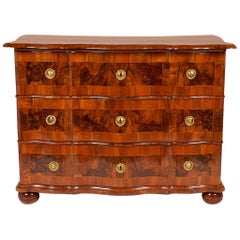
Antique 1750s German Baroque Commodes and Chests of Drawers
Walnut
Vintage 1940s American Art Deco Chaise Longues
Wicker

Antique 1850s French Figurative Sculptures
Bronze

Early 20th Century Art Deco Table Lamps

Finding the Right Figurative-sculptures for You
Figurative sculptures mix reality and imagination, with the most common muse being the human body. Animals are also inspirations for these sculptures, along with forms found in nature.
While figurative sculpture dates back over 35,000 years, the term came into popularity in the 20th century to distinguish it from abstract art. It was aligned with the Expressionist movement in that many of its artists portrayed reality but in a nonnaturalistic and emotional way. In the 1940s, Alberto Giacometti — a Swiss-born artist who was interested in African art, Cubism and Surrealism — created now-iconic representational sculptures of the human figure, and after World War II, figurative sculpture as a movement continued to flourish in Europe.
Lucian Freud and Francis Bacon were some of the leading figurative artists during this period. Artists like Jeff Koons and Maurizio Cattelan propelled the evolution of figurative sculpture into the 21st century.
Figurative sculptures can be whimsical, uncanny and beautiful. Their materials range from stone and wood to metal and delicate ceramics. Even in smaller sizes, the sculptures make bold statements. A bronze sculpture by Salvador Dalí enhances a room; a statuesque bull by Jacques Owczarek depicts strength with its broad chest while its thin legs speak of fragility. Figurative sculptures allow viewers to see what is possible when life is reimagined.
Browse 1stDibs for an extensive collection of figurative sculptures and find the next addition to your collection.