Judith Ripka Pearl Necklace
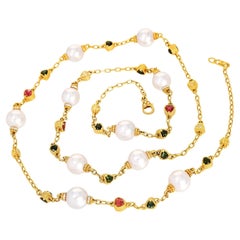
21st Century and Contemporary American Link Necklaces
Diamond, South Sea Pearl, Tourmaline, 18k Gold

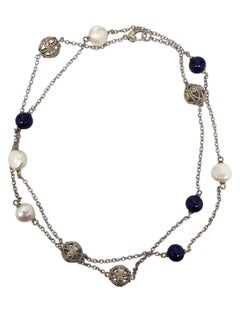
20th Century Chain Necklaces
Lapis Lazuli, Pearl, Sterling Silver
21st Century and Contemporary Contemporary Rope Necklaces
Diamond, Pearl, Gold, 18k Gold, Yellow Gold
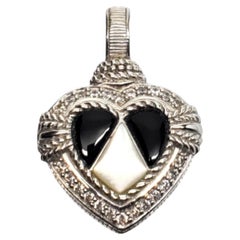
20th Century Pendant Necklaces
Onyx, Pearl, Sterling Silver
21st Century and Contemporary Pendant Necklaces
Amethyst, Pearl
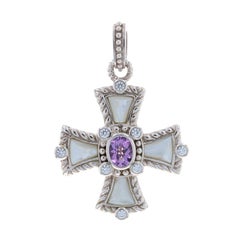
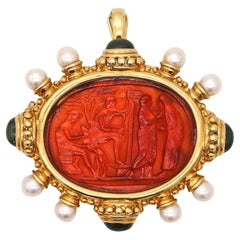
Vintage 1980s Italian Etruscan Revival Pendant Necklaces
Pearl, Tourmaline, Gold, Yellow Gold, 18k Gold
Recent Sales
21st Century and Contemporary Contemporary Chain Necklaces
Diamond, Pearl, Topaz, Turquoise, 18k Gold
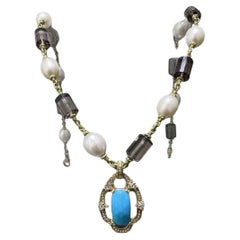
21st Century and Contemporary Beaded Necklaces
Diamond, Pearl, 18k Gold
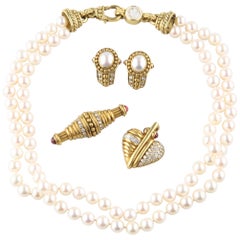
Late 20th Century American Choker Necklaces
Pearl, White Diamond, 18k Gold, White Gold
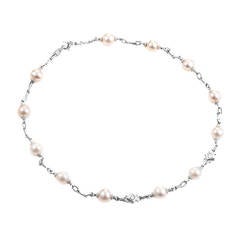
1990s Multi-Strand Necklaces
Diamond, Pearl, Tourmaline, 18k Gold, Gold
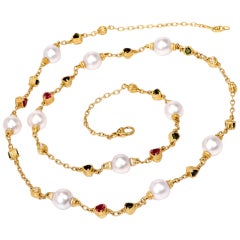
21st Century and Contemporary More Necklaces
Pearl, 18k Gold, Yellow Gold
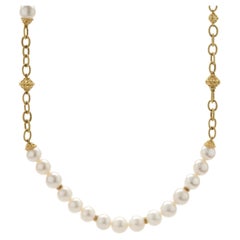
20th Century Pendant Necklaces
Iolite, Pearl, Sterling Silver
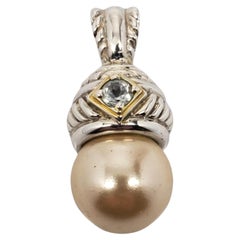
21st Century and Contemporary Pendant Necklaces
Diamond, Pearl, Aventurine, Gold, 18k Gold, Yellow Gold
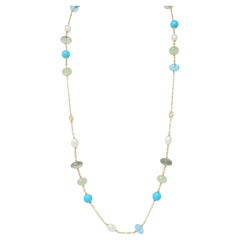
21st Century and Contemporary More Necklaces
Diamond, Pearl, 18k Gold, Yellow Gold
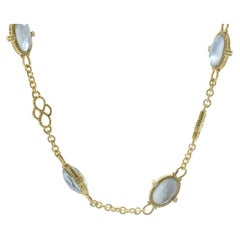
1990s Etruscan Revival Multi-Strand Necklaces
Cultured Pearl, 18k Gold
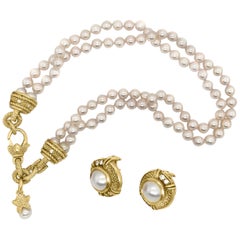
21st Century and Contemporary Contemporary Chain Necklaces
Diamond, Pearl, Gold, 18k Gold, Yellow Gold
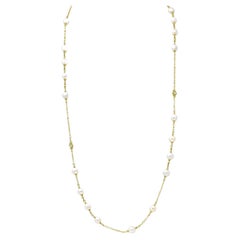
20th Century Pendant Necklaces
Garnet, Pearl, Sterling Silver
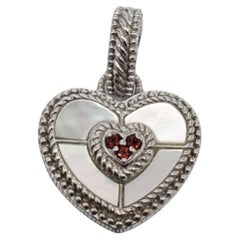
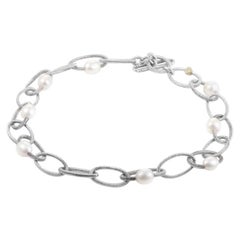
21st Century and Contemporary More Necklaces
Diamond, Yellow Gold
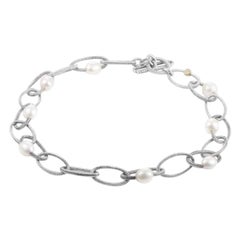
21st Century and Contemporary More Necklaces
Diamond, Yellow Gold
20th Century Pendant Necklaces
Pearl, Quartz, Sterling Silver
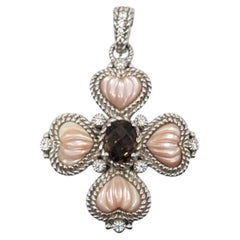
20th Century Pendant Necklaces
Pearl, Quartz, Sterling Silver
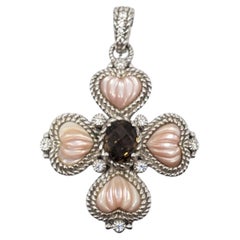
21st Century and Contemporary More Necklaces
Diamond, 18k Gold
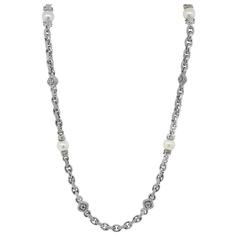
21st Century and Contemporary Pendant Necklaces
Diamond, Pearl, Quartz, 18k Gold, Yellow Gold
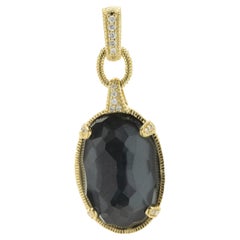
21st Century and Contemporary American More Necklaces
Pearl, Quartz, 18k Gold
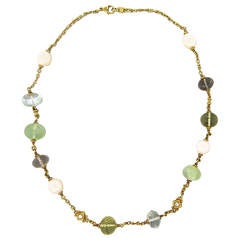
21st Century and Contemporary American Modern More Necklaces
Diamond, Opal, Cultured Pearl, Sapphire, Topaz, 18k Gold
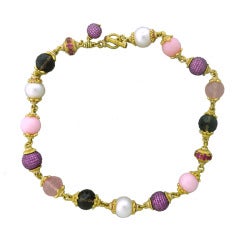
Judith Ripka Pearl Necklace For Sale on 1stDibs
How Much is a Judith Ripka Pearl Necklace?
Judith Ripka for sale on 1stDibs
One of the first jewelers to harness the potential of television, Judith Ripka has built a following for her bold work through her frequent appearances on the televised shopping channel QVC. Her earrings, necklaces and other accessories often feature matte gold and large colored precious gemstones highlighted with a dazzle of diamonds — statement pieces that can be worn every day for a touch of glamour.
The New York–born daughter of a couturier, Ripka studied art at Hunter College and the Parsons School of Design before founding her brand in 1977 with an 18-karat gold collection. She started simple, selling the pieces in her living room, leading to the opening of her first store in Manhasset, New York.
Early on, Ripka recognized the power of advertising, taking out an ad in the New York Times that read, “Give your pearls a little culture,” and invited customers to bring in their old pearl necklaces and “see them transformed into a beautiful new necklace.” The updating of traditional styles that might be reserved only for special occasions into modern pieces for daily wear would become a touchstone of Ripka’s brand. By 1982, the jeweler was the proud recipient of the De Beers Award for Outstanding Jewelry Design.
After her QVC debut in 1997, Ripka’s jewelry company took off. A pioneer in selling luxury goods on television, she later appeared on the Shopping Channel, with Ripka herself as an engaging personality helping to drive the sales and popularity of her jewelry. Xcel Brands acquired her company in 2014 with the designs continuing to have an active presence on QVC.
Alongside her QVC-marketed jewelry, Ripka has designed custom pieces, such as the diamond, sapphire and ruby 18-karat gold brooch that Hillary Clinton wore at the 1997 inauguration for her husband, Bill Clinton. Talk-show host, author and philanthropist Oprah Winfrey has regularly sported her Eclipse earrings, which incorporate two tiers of precious stones, a design that can easily match outfits from day to night.
Other Ripka designs have brought high-end luxury to the masses, such as a 2010 line launched on QVC showcasing the designer’s take on famous jewels in the Smithsonian Institution. At every price point, Ripka’s jewelry has maintained its fine quality in the fresh interpretations of classic styles.
The Ripka brand continues to innovate its offerings, including branching into creative partnerships, such as a 2020 capsule collection with Italian architect Elena Manferdini as part of a series of collaborations with women artists and designers.
On 1stDibs, find a collection of Judith Ripka jewelry and watches today.
The Legacy of Pearl in Jewelry Design
The pearl has been synonymous with ladylike elegance since the Tudor period — learn what to look for when shopping for vintage and antique pearl jewelry as well as how to tell the origin of a pearl with our handy primer.
Every woman at some point in her life desires a simple strand of pearls. They are elegant, timeless, versatile — just ask Coco Chanel or Jacqueline Kennedy — and valuable. In 1917, Pierre Cartier famously traded a double-strand of natural pearls for a Fifth Avenue mansion, the Cartier brand’s flagship store ever since. And if you were born in the beginning of summer, pearl is the June birthstone.
It is possible to tell where a pearl originated from its appearance. Akoyas are usually round and white — the classic pearl, if you will. South Sea pearls are normally larger and vary in color; orangey yellow ones are not uncommon. Tahitian pearls are mostly black but can also be gray or brown, and between the Akoya and the South Sea varieties in size. Freshwater pearls, or Orientals, run the gamut in terms of color and size, but in shape, they tend to resemble Rice Krispies. Another important distinction is a round pearl versus a baroque pearl. A round pearl is self-explanatory, but there are two types of baroque pearls: symmetrical and asymmetrical. In general, the symmetrical variation commands a higher valuation. Within a strand of pearls, uniformity is prized — the more the individual pearls resemble one another, the more valuable the strand.
According to the Gemological Institute of America (GIA), the earliest recorded mention of a pearl was in 2206 BC by a Chinese historian. Centuries later, Christopher Columbus made it a point to visit pearl fisheries during his 15th-century exploration of the Caribbean. Since the late-19th century, the Japanese have been at the forefront of cultivating pearls, when jeweler Kokichi Mikimoto successfully cultured the world’s first pearl in 1893.
On 1stDibs, find vintage and antique pearl necklaces, pearl earrings and other accessories.
Finding the Right Necklaces for You
We are fortunate to know much of the world’s long and dazzling history of necklaces, as this type of jewelry was so treasured that it was frequently buried with its owners. Today, Van Cleef necklaces, Tiffany necklaces and Cartier necklaces are some of the most popularly searched designer necklaces on 1stDibs.
Lapis lazuli beads adorned necklaces unearthed from the royal graves at the ancient Iraqi civilization of Sumer, while the excavation of King Tut’s burial chamber revealed a sense of style that led to a frenzy of Art Deco designs, with artisans of the 1920s seeking to emulate the elegant work crafted by Ancient Egypt’s goldsmiths and jewelry makers.
In ancient times, pendant necklaces worn by royalty and nobles conferred wealth and prestige. Today, wearing jewelry is about personal expression: Luxury diamond necklaces exude confidence and can symbolize the celebratory nature of a deep romantic relationship, while paper-clip chain-link necklaces designed by the likes of goldsmith Faye Kim are firmly planted in the past as well as the present. Kim works exclusively with eco-friendly gold, and these fashionable, fun accessories owe to the design of 19th-century watch fobs.
For some, necklaces are thought of as being a solely feminine piece, but this widely loved accessory has been gender-neutral for eons. In fact, just as women rarely took to wearing a single necklace during the Renaissance, men of the era layered chains and valuable pendants atop their bejeweled clothing. In modern times, the free-spirited hippie and counterculture movements of the 1960s saw costume-jewelry designers celebrating self-expression through colorful multistrand necklaces and no shortage of beads, which were worn by anyone and everyone.
Even after all of these years, the necklace remains an irrefutable staple of any complete outfit. Although new trends in jewelry are constantly emerging, the glamour and beauty of the past continue to inform modern styles and designs. In a way, the cyclical history of the necklace differs little from its familiar looped form: The celebrated French jewelry house Van Cleef Arpels found much inspiration in King Tut, and, now, their Alhambra collection is a go-to for modern royals. Vintage David Webb necklaces — whose work landed him on the cover of Vogue in 1950, two years after opening his Manhattan shop — were likely inspired by the ornamental styles of ancient Greece, Mesopotamia and Egypt.
On 1stDibs, browse top designers like Dior, Chanel and Bulgari, or shop by your favorite style, from eye-catching choker necklaces to understated links to pearl necklaces and more.