Kai Kristiansen Bureau
Vintage 1950s Danish Scandinavian Modern Commodes and Chests of Drawers
Rosewood
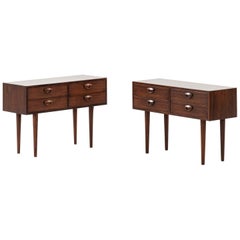

Vintage 1950s Danish Scandinavian Modern Commodes and Chests of Drawers
Oak
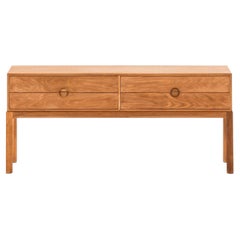
Vintage 1960s Danish Scandinavian Modern Sideboards
Walnut
Recent Sales
Vintage 1960s Danish Mid-Century Modern Dressers
Rosewood
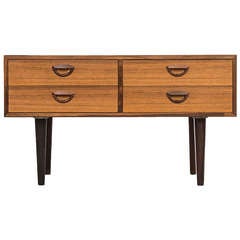
Vintage 1960s Danish Scandinavian Modern Commodes and Chests of Drawers
Rosewood
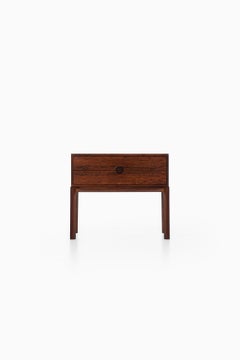
Vintage 1960s Danish Scandinavian Modern Commodes and Chests of Drawers
Rosewood
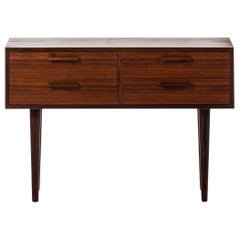
Vintage 1950s Danish Scandinavian Modern Side Tables
Rosewood
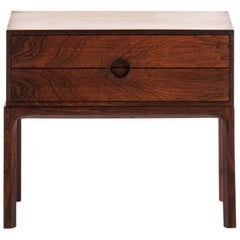
Vintage 1960s Danish Scandinavian Modern Commodes and Chests of Drawers
Aluminum
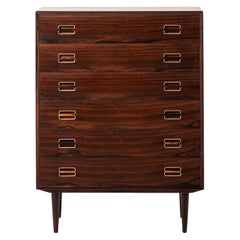
Vintage 1950s Danish Scandinavian Modern Side Tables
Rosewood
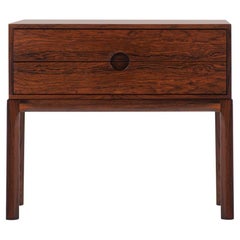
Vintage 1960s Danish Scandinavian Modern Commodes and Chests of Drawers
Steel
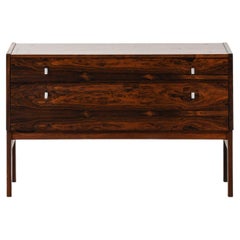
Vintage 1950s Danish Scandinavian Modern Commodes and Chests of Drawers
Oak
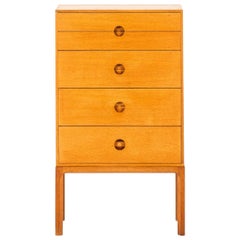
Vintage 1950s Danish Scandinavian Modern Sideboards
Rosewood
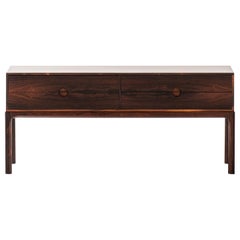
Vintage 1950s Danish Scandinavian Modern Commodes and Chests of Drawers
Rosewood
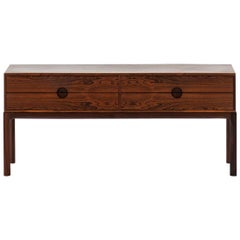
Vintage 1960s Danish Scandinavian Modern Sideboards
Rosewood
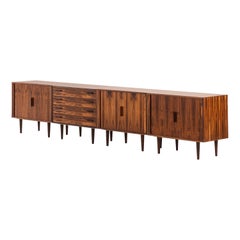
People Also Browsed
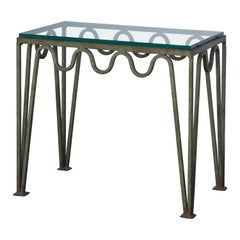
21st Century and Contemporary American Modern Side Tables
Iron
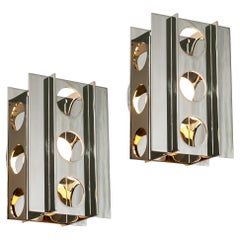
2010s American Modern Wall Lights and Sconces
Aluminum, Steel
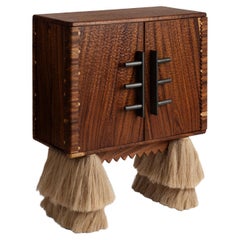
2010s Mexican Modern Cabinets
Steel
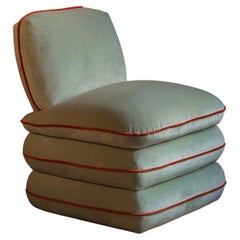
2010s Slipper Chairs
Velvet
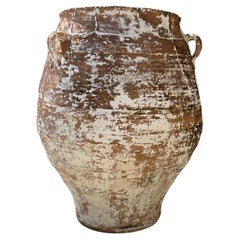
Antique 19th Century European Urns
Terracotta
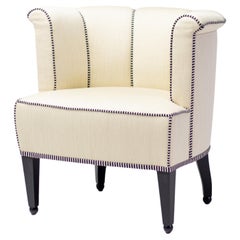
2010s Austrian Art Deco Armchairs
Wool, Beech
Vintage 1960s Danish Scandinavian Modern Wall Lights and Sconces
Brass
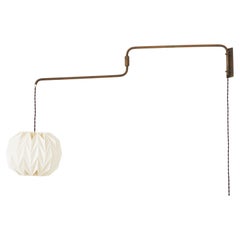
Early 20th Century Swedish Art Deco Commodes and Chests of Drawers
Metal, Brass, Bronze
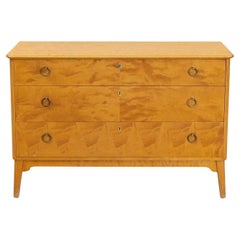
Antique 1830s Japanese Edo Lacquer
Lacquer
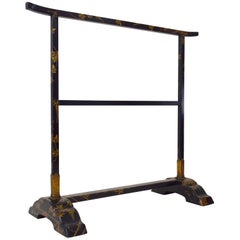
Vintage 1960s Italian Mid-Century Modern Lounge Chairs
Fabric, Foam, Wood
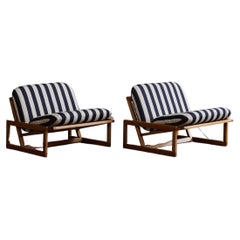
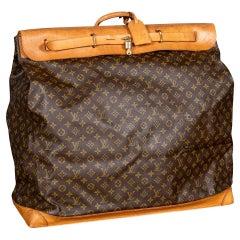
20th Century French Other Trunks and Luggage
Brass
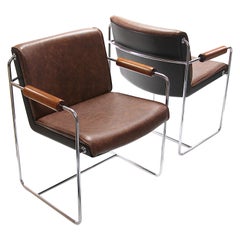
Vintage 1960s American Mid-Century Modern Lounge Chairs
Chrome
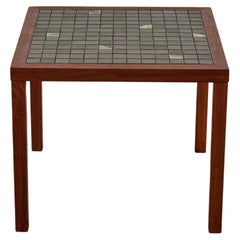
Mid-20th Century American Mid-Century Modern Side Tables
Ceramic, Walnut
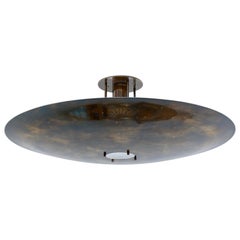
21st Century and Contemporary American Mid-Century Modern Flush Mount
Brass
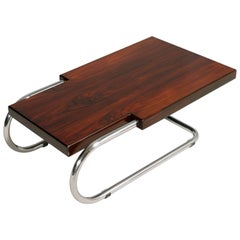
Mid-20th Century Italian Mid-Century Modern Coffee and Cocktail Tables
Steel
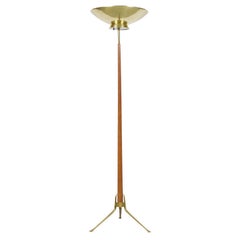
Vintage 1950s American Mid-Century Modern Floor Lamps
Brass
Kai Kristiansen Bureau For Sale on 1stDibs
How Much is a Kai Kristiansen Bureau?
Kai Kristiansen for sale on 1stDibs
With a passion for math and engineering, Kai Kristiansen has created high-quality wood furniture for decades. Beginning in the 1950s, his coffee tables, chairs, modular shelving and other furnishings were made in the style that would become internationally renowned as Danish modern and boasted clean lines, perfected functionality and exacting craftsmanship.
Born in Denmark, Kristiansen trained in cabinetmaking before studying with Kaare Klint, often cited as the “father of modern Danish design,” at the Royal Danish Academy of Fine Arts in Copenhagen. At just 26 years old, Kristiansen opened his own studio.
Kristiansen had his mid-century breakthrough in 1956 with the Chair #42, which he made with Schou Andersen. Unlike most other chairs at the time, Chair #42’s armrests, with their wealth of radical angles, were connected to the back rather than the front legs. This unconventional flourish makes the backrest appear as though it is floating in midair above the seat.
Kristiansen’s next innovation was a modular wall system in 1957 — three years ahead of Dieter Rams’s more famous 606 Universal Shelving System. Called the Reolsystem Wall Unit, produced by SB Feldballes Møbelfabrik, it’s also known as the FM Wall Unit as FM/Fornem Møbelkunst began producing it in the 1960s.
Kristiansen would go on to work with other leading Danish furniture manufacturers such as Magnus Olesen, Fritz Hansen and Vildbjerg Møbelfabrik, designing everything from chairs and desks to sideboards and cabinets, frequently in rosewood and teak. (The latter was a sought-after wood by Scandinavian modern designers.)
While many of Kristiansen’s timeless designs remain in production, such as his Paper Knife sofa, which was reintroduced by Miyazaki Chair Factory in 2008, and his 1950s Entré collection, which was relaunched with Great Dane Furniture in 2016, others are prized as vintage mid-century pieces.
Today, Kristiansen is still at work on new furniture with an expert eye to thoughtfully functional designs that are made to last.
Find a collection of vintage Kai Kristiansen furniture on 1stDibs.
A Close Look at Scandinavian Modern Furniture
Scandinavian modernism is perhaps the warmest and most organic iteration of modernist design. The work of the designers associated with vintage Scandinavian modern furniture was founded on centuries-old beliefs in both quality craftsmanship and the ideal that beauty should enhance even the humblest accessories of daily life.
ORIGINS OF SCANDINAVIAN MODERN FURNITURE DESIGN
- Emerged in the 1930s
- Scandinavian design and Nordic design originated primarily in Denmark, Sweden, Finland, Iceland and Norway
- Introduced in the United States in mid-20th century
- Informed by the Bauhaus; influenced American mid-century modernism
CHARACTERISTICS OF SCANDINAVIAN MODERN FURNITURE DESIGN
- Bold, clean lines and simple, sturdy symmetries
- Use of natural materials — native woods such as pine, ash and beech
- Open, airy spaces
- Promotion of functionality
- Emphasis on craftsmanship; rooted in cabinetry profession and traditional construction techniques
- Minimal ornamentation (little to no embellishment)
- A neutral or light color palette owing to prominence of light woods
SCANDINAVIAN MODERN FURNITURE DESIGNERS TO KNOW
- Alvar Aalto
- Hans Wegner
- Kaare Klint
- Arne Jacobsen
- Greta Magnusson Grossman
- Finn Juhl
- Arne Vodder
- Verner Panton
ICONIC SCANDINAVIAN MODERN FURNITURE DESIGNS
VINTAGE SCANDINAVIAN MODERN FURNITURE ON 1STDIBS
The gentle, organic contours that are typical of Scandinavian design appear in the furnishings and decor created by Danish, Finnish and Swedish designers not as a stylistic gesture, but rather as a practical, ergonomic — and, as importantly, elegant — response to the human form.
Each nation produced exceptional talents in all areas of the applied arts, yet each had its forté. Sweden was home to Greta Magnusson Grossman and Bruno Mathsson — creators of the classic Grasshopper lighting series and Berlin daybed, respectively — but the country excelled most notably at ceramics. In the 1920s at the great Gustavsberg porcelain manufactory, Wilhelm Kåge introduced pieces in the Scandinavian style based on influences from folklore to Cubism; his skills were passed on to his versatile and inspired pupils Berndt Friberg and Stig Lindberg.
Likewise, Finland produced a truly ingenious Scandinavian modern furniture designer in the architect Alvar Aalto, a master at melding function and artistic form in works like the Paimio chair, created in collaboration with his first wife, Aino. Yet Finnish glassware was pre-eminent, crafted in expressive, sculptural designs by Tapio Wirkkala and Timo Sarpaneva.
The Danes excelled at chairs. Hans Wegner and Arne Jacobsen were exemplars of the country’s facility with wood, particularly teak.
Wegner created such iconic pieces as the Round chair and the Wishbone chair; Jacobsen — while the revolutionary architect and furniture innovator produced the best-selling plywood Ant chair — designed two classic upholstered pieces of the 1950s: the Swan chair and Egg chair. The list of great Danes could go on and on, including Finn Juhl, a stylistic maverick and maker of the bold Chieftain chair; Poul Kjaerholm, with his lean metal-and-rattan aesthetic; and Verner Panton, who introduced a vibrant Pop note into international design.
Today, decades after their heyday, the prolific, ever-evolving Scandinavian modernists continue to amaze and delight, and interior designers all over the world use their pieces to bring warmth to any given space.
On 1stDibs, you will note both instantly recognizable vintage Scandinavian modern chairs, sofas, rugs and tables — those that have earned iconic status over time — and many new discoveries.
Finding the Right Commodes-chests-of-drawers for You
Shopping for a commode or a chest of drawers?
Commode is the French term for a low chest of drawers, but it is also sometimes used to denote any case piece with a particularly intricate design. The commode dates to circa 1700 France, where it was used as an alternative to a taller cabinet piece so as to not obscure paneled, mirrored or tapestried walls. Coffers, or chests, which were large wooden boxes with hinged lids and sometimes stood on ball feet, preceded chests of drawers, a fashionable cabinet furnishing that garnered acclaim for its obvious storage potential and versatility. The term commode was also used to refer to a piece of bedroom furniture — a washstand or nightstand that contained a chamber pot.
As time passed, French and British furniture makers led the way in the production of chests of drawers, and features like the integration of bronze and ornamental pulls became commonplace. Antique French commodes in the Louis XV style were sometimes crafted in mahogany or walnut, while an Italian marble top added a sophisticated decorative flourish. This specific type of case piece grew in popularity in the years that followed.
So, what makes a chest of drawers different from a common dresser? Dressers are short, and chests of drawers are overall taller pieces of furniture that typically do not have room on the top for a mirror as most dressers do. Tallboys and highboys are variations of the dresser form. Some chests of drawers have one column of four to six long drawers or three long drawers in their bottom section that are topped by a cluster of small side-by-side drawers on the top. To further complicate things, we sometimes refer to particularly short chests of drawers as nightstands.
Even though chests of drawers are commonly thought of as bedroom furniture to store clothing, these are adaptable pieces. A chest of drawers can house important documents — think of your walnut Art Deco commode as an upgrade to your filing cabinet. Nestle your chest near your home’s front door to store coats and other outerwear, while the top can be a place to drop your handbag. Add some flair to your kitchen, where this lovable case piece can hold pots, pans and even cookbooks.
When shopping for the right chest of drawers for your home, there are a few key things to consider: What will you be storing in it? How big a chest will you need?
Speaking of size, don’t dream too big. If your space is on the smaller side, a more streamlined vintage mid-century modern chest of drawers, perhaps one designed by Paul McCobb or T.H. Robsjohn-Gibbings, may best suit your needs.
At 1stDibs, we make it easy to add style and storage to your home. Browse our collection of antique and vintage commodes and chests of drawers today.