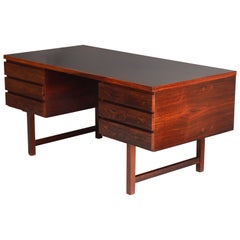
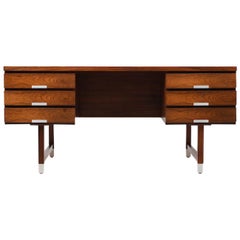
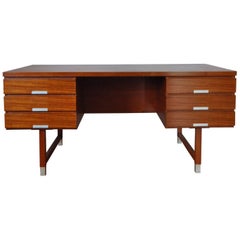
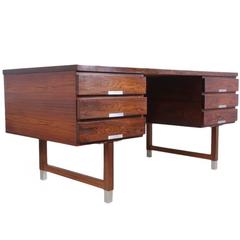
Kai Kristiansen Desk Ep401
Recent Sales
Late 20th Century Danish Mid-Century Modern Desks and Writing Tables
Rosewood
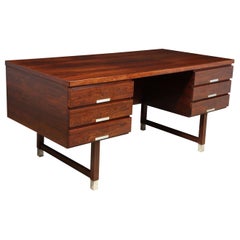

Vintage 1960s Danish Mid-Century Modern Desks and Writing Tables
Steel
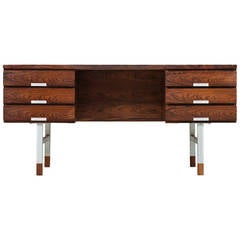
Vintage 1960s Danish Mid-Century Modern Desks and Writing Tables
Aluminum
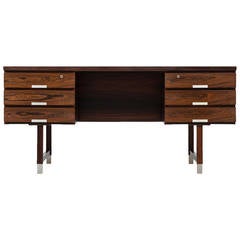
Vintage 1960s Danish Scandinavian Modern Desks and Writing Tables
Aluminum, Steel
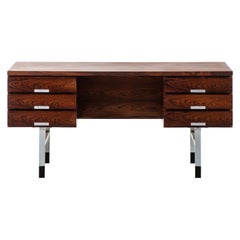
Vintage 1960s Danish Scandinavian Modern Desks and Writing Tables
Metal, Aluminum
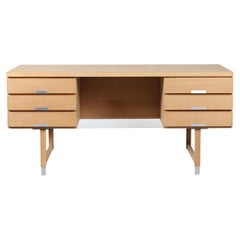
Vintage 1960s Danish Mid-Century Modern Desks and Writing Tables
Aluminum
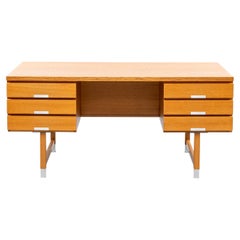
Mid-20th Century Danish Mid-Century Modern Desks and Writing Tables
Rosewood
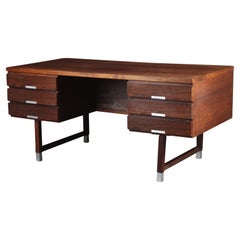
Vintage 1960s Danish Mid-Century Modern Desks and Writing Tables
Rosewood
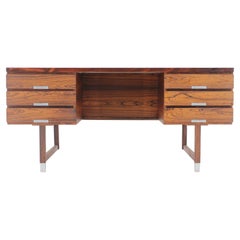
Vintage 1960s Danish Mid-Century Modern Desks
Rosewood
Vintage 1960s Danish Scandinavian Modern Desks and Writing Tables
Aluminum
Vintage 1960s Danish Scandinavian Modern Desks and Writing Tables
Teak
Vintage 1960s Mid-Century Modern Desks and Writing Tables
Aluminum
Mid-20th Century Danish Scandinavian Modern Desks and Writing Tables
Steel
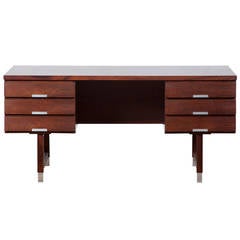
Vintage 1960s Mid-Century Modern Desks
Wood, Rosewood
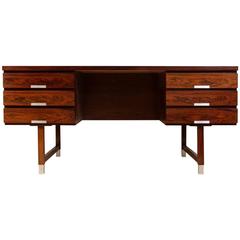
Vintage 1960s Danish Mid-Century Modern Desks
Aluminum
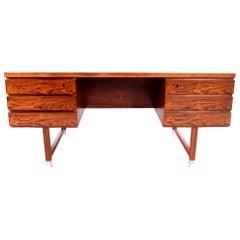
Mid-20th Century Danish Mid-Century Modern Desks and Writing Tables
Aluminum
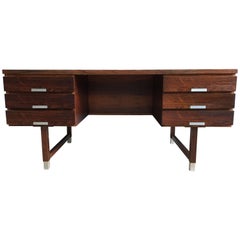
Vintage 1960s Danish Mid-Century Modern Desks
Aluminum
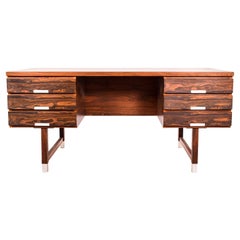
Kai Kristiansen Desk Ep401 For Sale on 1stDibs
How Much is a Kai Kristiansen Desk Ep401?
Kai Kristiansen for sale on 1stDibs
With a passion for math and engineering, Kai Kristiansen has created high-quality wood furniture for decades. Beginning in the 1950s, his coffee tables, chairs, modular shelving and other furnishings were made in the style that would become internationally renowned as Danish modern and boasted clean lines, perfected functionality and exacting craftsmanship.
Born in Denmark, Kristiansen trained in cabinetmaking before studying with Kaare Klint, often cited as the “father of modern Danish design,” at the Royal Danish Academy of Fine Arts in Copenhagen. At just 26 years old, Kristiansen opened his own studio.
Kristiansen had his mid-century breakthrough in 1956 with the Chair #42, which he made with Schou Andersen. Unlike most other chairs at the time, Chair #42’s armrests, with their wealth of radical angles, were connected to the back rather than the front legs. This unconventional flourish makes the backrest appear as though it is floating in midair above the seat.
Kristiansen’s next innovation was a modular wall system in 1957 — three years ahead of Dieter Rams’s more famous 606 Universal Shelving System. Called the Reolsystem Wall Unit, produced by SB Feldballes Møbelfabrik, it’s also known as the FM Wall Unit as FM/Fornem Møbelkunst began producing it in the 1960s.
Kristiansen would go on to work with other leading Danish furniture manufacturers such as Magnus Olesen, Fritz Hansen and Vildbjerg Møbelfabrik, designing everything from chairs and desks to sideboards and cabinets, frequently in rosewood and teak. (The latter was a sought-after wood by Scandinavian modern designers.)
While many of Kristiansen’s timeless designs remain in production, such as his Paper Knife sofa, which was reintroduced by Miyazaki Chair Factory in 2008, and his 1950s Entré collection, which was relaunched with Great Dane Furniture in 2016, others are prized as vintage mid-century pieces.
Today, Kristiansen is still at work on new furniture with an expert eye to thoughtfully functional designs that are made to last.
Find a collection of vintage Kai Kristiansen furniture on 1stDibs.
Finding the Right Desks-writing-tables for You
Choosing the perfect writing desk or writing table is a profoundly personal journey, one that people have been embarking upon for centuries.
Queen Atossa of Persia, from her writing table circa 500 B.C., is said to have been the originator of the art of handwritten letters. Hers was reportedly the first in a long and colorful history of penned correspondence that grew in popularity alongside literacy. The demand for suitable writing desks, which would serve the composer of the letters as well as ensure the comfort of the recipient naturally followed, and the design of these necessary furnishings has evolved throughout history.
Once people began to seek freedom from the outwardly ornate styles of the walnut and rosewood writing desks and drafting tables introduced in the name of Queen Victoria and King Louis XV, radical shifts occurred, such as those that materialized during the Art Nouveau period, when designers longed to produce furniture inspired by the natural world’s beauty. A prime example is the work of the famous late-19th-century Spanish architect Antoni Gaudí — his rolltop desk featured deep side drawers and was adorned with carved motifs that paid tribute to nature. Gaudí regularly combined structural precision with decorative elements, creating beautiful pieces of furniture in wood and metal.
Soon afterward, preferences for sleek, geometric, stylized forms in furniture that saw an emphasis on natural wood grains and traditional craftsmanship took hold. Today, Art Deco desks are still favored by designers who seek to infuse interiors with an air of luxury. One of the most prominent figures of the Art Deco movement was French decorator and furniture designer Émile-Jacques Ruhlmann. With his use of neoclassical motifs as well as expensive and exotic materials such as imported dark woods and inlays of precious metals for his writing desks, Ruhlmann came to symbolize good taste and modernity.
The rise in appreciation for Scandinavian modernism continues to influence the design of contemporary writing desks. It employs the “no fuss” or “less is more” approach to creating a tasteful, sophisticated space. Sweden’s master cabinetmaker Bruno Mathsson created gallery-worthy designs that are as functional as they are beautiful. Finnish architect Alvar Aalto never viewed himself as an artist, but, like Mathsson, his furniture designs reflected a fondness for organic materials and a humanistic approach. Danish designers such as Hans Wegner introduced elegant shapes and lines to mid-century desks and writing tables, often working in oak and solid teak.
From vintage desks to contemporary styles, 1stDibs offers a broad spectrum of choices for conducting all personal and business writing and reading activities.