Kartell Venice Chair
21st Century and Contemporary Italian Modern Armchairs
Plastic
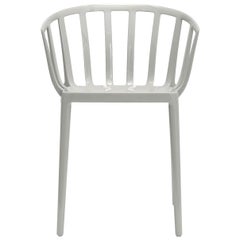

21st Century and Contemporary Italian Modern Armchairs
Plastic
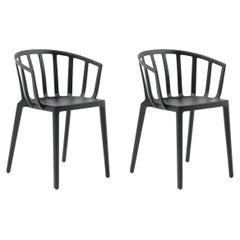
21st Century and Contemporary Italian Modern Armchairs
Plastic
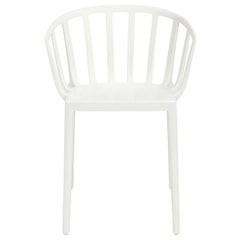
21st Century and Contemporary Italian Modern Armchairs
Plastic
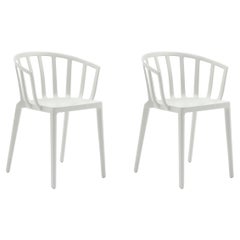
21st Century and Contemporary Italian Modern Armchairs
Plastic
21st Century and Contemporary Italian Modern Armchairs
Plastic
21st Century and Contemporary Italian Modern Armchairs
Plastic
21st Century and Contemporary Italian Modern Armchairs
Plastic
People Also Browsed
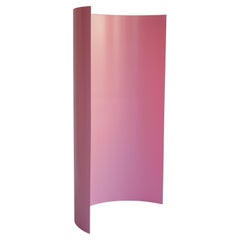
21st Century and Contemporary British Minimalist Wardrobes and Armoires
Aluminum
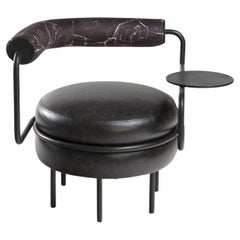
2010s Turkish Mid-Century Modern Armchairs
Leather, Fabric
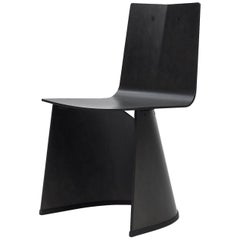
21st Century and Contemporary German Modern Dining Room Chairs
Wood
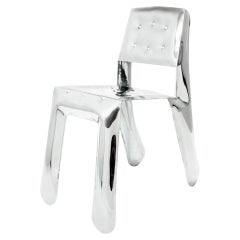
21st Century and Contemporary Polish Industrial Chairs
Stainless Steel
Mid-20th Century American Post-Modern Lounge Chairs

21st Century and Contemporary Danish Modern Chairs
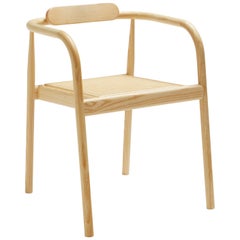
Rattan


2010s French Other Canapes
Fabric

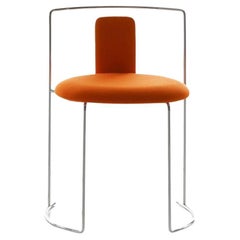
2010s Italian Mid-Century Modern Chairs
Metal
Vintage 1950s French Dining Room Chairs
Birch
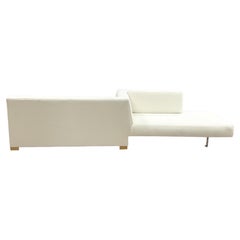
21st Century and Contemporary American Modern Sectional Sofas
Brass
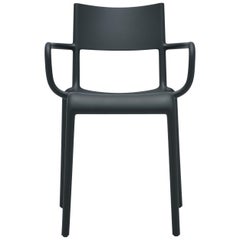
21st Century and Contemporary Italian Modern Chairs
Plastic
Vintage 1960s Danish Scandinavian Modern Side Chairs
Polyester
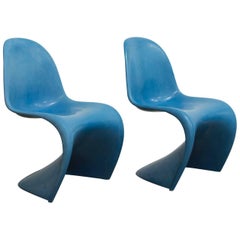
Vintage 1960s Italian Post-Modern Chairs
Aluminum, Chrome
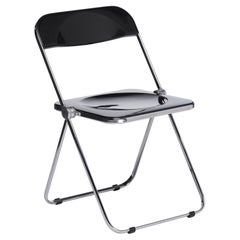
2010s Italian Chairs
Steel
Antique Mid-19th Century Persian Kirman Persian Rugs
Silk
21st Century and Contemporary Italian Chairs
Plastic
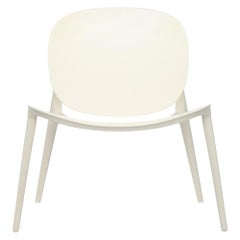
Kartell Venice Chair For Sale on 1stDibs
How Much is a Kartell Venice Chair?
Kartell for sale on 1stDibs
The Italian design giant Kartell transformed plastic from the stuff of humble household goods into a staple of luxury design in the 1960s. Founded in Milan by Italian chemical engineer Giulio Castelli (1920–2006) and his wife Anna Ferrieri (1918–2006), Kartell began as an industrial design firm, producing useful items like ski racks for automobiles and laboratory equipment designed to replace breakable glass with sturdy plastic. Even as companies like Olivetti and Vespa were making Italian design popular in the 1950s, typewriters and scooters were relatively costly, and Castelli and Ferrieri wanted to provide Italian consumers with affordable, stylish goods.
They launched a housewares division of Kartell in 1953, making lighting fixtures and kitchen tools and accessories from colorful molded plastic. Consumers in the postwar era were initially skeptical of plastic goods, but their affordability and infinite range of styles and hues eventually won devotees. Tupperware parties in the United States made plastic storage containers ubiquitous in postwar homes, and Kartell’s ingenious designs for juicers, dustpans, and dish racks conquered Europe. Kartell designer Gino Colombini was responsible for many of these early products, and his design for the KS 1146 Bucket won the Compasso d’Oro prize in 1955.
Buoyed by its success in the home goods market, Kartell introduced its Habitat division in 1963. Designers Marco Zanuso and Richard Sapper created the K1340 (later called the K 4999) children’s chair that year, and families enjoyed their bright colors and light weight, which made them easy for kids to pick up and move. In 1965, Joe Colombo (1924–78) created one of Kartell’s few pieces of non-plastic furniture, the 4801 chair, which sits low to the ground and comprised of just three curved pieces of plywood. (In 2012, Kartell reissued the chair in plastic.) Colombo followed up on the success of the 4801 with the iconic 4867 Universal Chair in 1967, which, like Verner Panton’s S chair, is made from a single piece of plastic. The colorful, stackable injection-molded chair was an instant classic. That same year, Kartell introduced Colombo’s KD27 table lamp. Ferrierei’s cylindrical 4966 Componibili storage module debuted in 1969.
Kartell achieved international recognition for its innovative work in 1972, when a landmark exhibition curated by Emilio Ambasz called “Italy: The New Domestic Landscape” opened at New York’s Museum of Modern Art. That show introduced American audiences to the work of designers such as Gaetano Pesce; Ettore Sottsass, founder of the Memphis Group; and the firms Archizoom and Superstudio (both firms were among Italy's Radical design groups) — all of whom were using wit, humor and unorthodox materials to create a bracingly original interior aesthetic.
Castelli and Ferrieri sold Kartell to Claudio Luti, their son-in-law, in 1988, and since then, Luti has expanded the company’s roster of designers.
Kartell produced Ron Arad’s Bookworm wall shelf in 1994, and Philippe Starck’s La Marie chair in 1998. More recently, Kartell has collaborated with the Japanese collective Nendo, Spanish architect Patricia Urquiola and glass designer Tokujin Yoshioka, among many others. Kartell classics can be found in museums around the world, including MoMA, the Victoria and Albert Museum and the Cooper Hewitt, Smithsonian Design Museum. In 1999, Claudio Luti established the Museo Kartell to tell the company’s story, through key objects from its innovative and colorful history.
Find vintage Kartell tables, seating, table lamps and other furniture on 1stDibs.
A Close Look at Modern Furniture
The late 19th and early 20th centuries saw sweeping social change and major scientific advances — both of which contributed to a new aesthetic: modernism. Rejecting the rigidity of Victorian artistic conventions, modernists sought a new means of expression. References to the natural world and ornate classical embellishments gave way to the sleek simplicity of the Machine Age. Architect Philip Johnson characterized the hallmarks of modernism as “machine-like simplicity, smoothness or surface [and] avoidance of ornament.”
Early practitioners of modernist design include the De Stijl (“The Style”) group, founded in the Netherlands in 1917, and the Bauhaus School, founded two years later in Germany.
Followers of both groups produced sleek, spare designs — many of which became icons of daily life in the 20th century. The modernists rejected both natural and historical references and relied primarily on industrial materials such as metal, glass, plywood, and, later, plastics. While Bauhaus principals Marcel Breuer and Ludwig Mies van der Rohe created furniture from mass-produced, chrome-plated steel, American visionaries like Charles and Ray Eames worked in materials as novel as molded plywood and fiberglass. Today, Breuer’s Wassily chair, Mies van der Rohe’s Barcelona chair — crafted with his romantic partner, designer Lilly Reich — and the Eames lounge chair are emblems of progressive design and vintage originals are prized cornerstones of collections.
It’s difficult to overstate the influence that modernism continues to wield over designers and architects — and equally difficult to overstate how revolutionary it was when it first appeared a century ago. But because modernist furniture designs are so simple, they can blend in seamlessly with just about any type of décor. Don’t overlook them.
Materials: Plastic Furniture
Arguably the world’s most ubiquitous man-made material, plastic has impacted nearly every industry. In contemporary spaces, new and vintage plastic furniture is quite popular and its use pairs well with a range of design styles.
From the Italian lighting artisans at Fontana Arte to venturesome Scandinavian modernists such as Verner Panton, who created groundbreaking interiors as much as he did seating — see his revolutionary Panton chair — to contemporary multidisciplinary artists like Faye Toogood, furniture designers have been pushing the boundaries of plastic forever.
When The Graduate's Mr. McGuire proclaimed, “There’s a great future in plastics,” it was more than a laugh line. The iconic quote is an allusion both to society’s reliance on and its love affair with plastic. Before the material became an integral part of our lives — used in everything from clothing to storage to beauty and beyond — people relied on earthly elements for manufacturing, a process as time-consuming as it was costly.
Soon after American inventor John Wesley Hyatt created celluloid, which could mimic luxury products like tortoiseshell and ivory, production hit fever pitch, and the floodgates opened for others to explore plastic’s full potential. The material altered the history of design — mid-century modern legends Charles and Ray Eames, Joe Colombo and Eero Saarinen regularly experimented with plastics in the development of tables and chairs, and today plastic furnishings and decorative objects are seen as often indoors as they are outside.
Find vintage plastic lounge chairs, outdoor furniture, lighting and more on 1stDibs.
Finding the Right Armchairs for You
Armchairs have run the gamut from prestige to ease and everything in between, and everyone has an antique or vintage armchair that they love.
Long before industrial mass production democratized seating, armchairs conveyed status and power.
In ancient Egypt, the commoners took stools, while in early Greece, ceremonial chairs of carved marble were designated for nobility. But the high-backed early thrones of yore, elevated and ornate, were merely grandiose iterations of today’s armchairs.
Modern-day armchairs, built with functionality and comfort in mind, are now central to tasks throughout your home. Formal dining armchairs support your guests at a table for a cheery feast, a good drafting chair with a deep seat is parked in front of an easel where you create art and, elsewhere, an ergonomic wonder of sorts positions you at the desk for your 9 to 5.
When placed under just the right lamp where you can lounge comfortably, both elbows resting on the padded supports on each side of you, an upholstered armchair — or a rattan armchair for your light-suffused sunroom — can be the sanctuary where you’ll read for hours.
If you’re in the mood for company, your velvet chesterfield armchair is a place to relax and be part of the conversation that swirls around you. Maybe the dialogue is about the beloved Papa Bear chair, a mid-century modern masterpiece from Danish carpenter and furniture maker Hans Wegner, and the wingback’s strong association with the concept of cozying up by the fireplace, which we can trace back to its origins in 1600s-era England, when the seat’s distinctive arm protrusions protected the sitter from the heat of the period’s large fireplaces.
If the fireside armchair chat involves spirited comparisons, your companions will likely probe the merits of antique and vintage armchairs such as Queen Anne armchairs, Victorian armchairs or even Louis XVI armchairs, as well as the pros and cons of restoration versus conservation.
Everyone seems to have a favorite armchair and most people will be all too willing to talk about their beloved design. Whether that’s the unique Favela chair by Brazilian sibling furniture designers Fernando and Humberto Campana, who repurposed everyday objects to provocative effect; or Marcel Breuer’s futuristic tubular metal Wassily lounge chair; the functionality-first LC series from Charlotte Perriand, Le Corbusier and Pierre Jeanneret; or the Eames lounge chair of the mid-1950s created by Charles and Ray Eames, there is an iconic armchair for everyone and every purpose. Find yours on 1stDibs right now.
- How do you tell a real Kartell?1 Answer1stDibs ExpertOctober 15, 2024To tell a real Kartell, look for the maker's markings. Nearly all authentic pieces will feature an embossed mark that indicates the Kartell name, the product name and the designer name. If your piece lacks any of these three marks or the marking is printed in ink on the piece or on a paper label, it may be a replica. You can also research identifying characteristics for your particular type of furniture and use these to evaluate your item. Alternatively, you can seek the opinion of a certified appraiser or knowledgeable dealer. Find a variety of Kartell furniture on 1stDibs.
- Is Kartell an Italian brand?1 Answer1stDibs ExpertSeptember 9, 2024Yes, Kartell is an Italian brand. Giulio Castelli and his wife, Anna Ferrieri, founded the company in Milan in 1949. Originally, Kartell was an industrial design firm, producing items like ski racks for automobiles and laboratory equipment to replace breakable glass with sturdy plastic. It first introduced its housewares division in 1953. Find a large selection of Kartell furniture on 1stDibs.