Ken Matsuzaki Pottery
Early 2000s Japanese Modern Ceramics
Ceramic
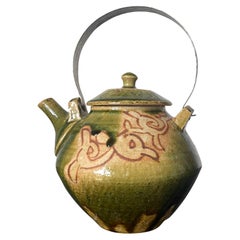

Early 2000s Japanese Modern Ceramics
Ceramic
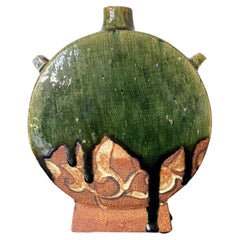
Recent Sales
Early 2000s Japanese Modern Ceramics
Ceramic
People Also Browsed
Vintage 1960s European Mid-Century Modern Side Tables
Oak
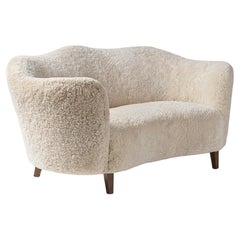
Vintage 1940s Danish Scandinavian Modern Sofas
Sheepskin, Teak
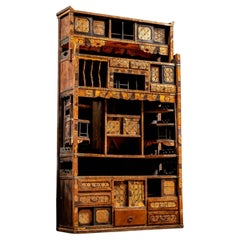
Antique 1870s Japanese Meiji Cabinets
Elm
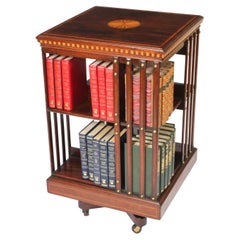
Antique Early 1900s English Victorian Bookcases
Mahogany
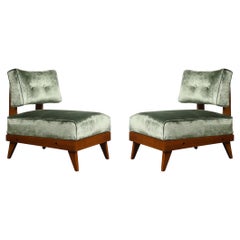
Vintage 1950s American Mid-Century Modern Lounge Chairs
Velvet, Oak
Antique Early 1900s Japanese Japonisme End Tables
Fruitwood
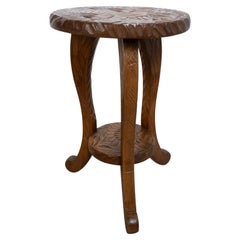
Mid-20th Century Brazilian Brutalist Sofas
Leather
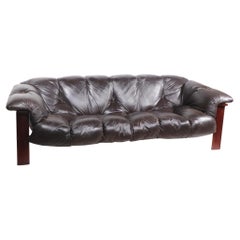
20th Century Chinese Chinese Export Games
Composition, Brass
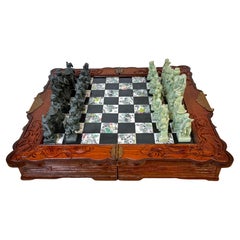
Antique Early 19th Century Korean Scholar s Objects
Brass
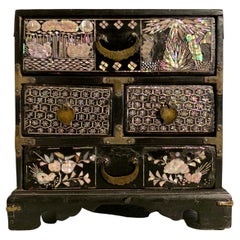
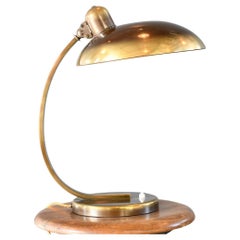
Vintage 1930s German Bauhaus Table Lamps
Brass
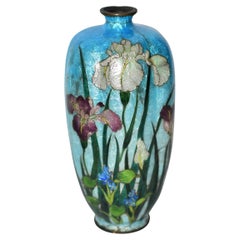
Antique 19th Century Japanese Meiji Metalwork
Brass, Enamel
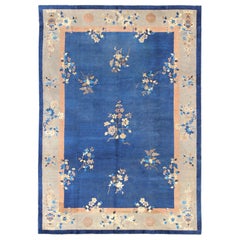
Vintage 1920s Chinese Art Deco Chinese and East Asian Rugs
Wool
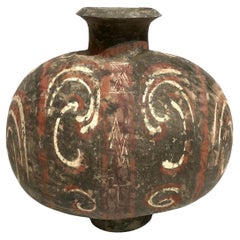
Antique 15th Century and Earlier Chinese Han Pottery
Pottery
Antique 18th Century Japanese Edo Lacquer
Mother-of-Pearl, Lacquer
Early 20th Century Taisho Coffee and Cocktail Tables
Wood
Early 20th Century Japanese Meiji Lacquer
Copper
A Close Look at Modern Furniture
The late 19th and early 20th centuries saw sweeping social change and major scientific advances — both of which contributed to a new aesthetic: modernism. Rejecting the rigidity of Victorian artistic conventions, modernists sought a new means of expression. References to the natural world and ornate classical embellishments gave way to the sleek simplicity of the Machine Age. Architect Philip Johnson characterized the hallmarks of modernism as “machine-like simplicity, smoothness or surface [and] avoidance of ornament.”
Early practitioners of modernist design include the De Stijl (“The Style”) group, founded in the Netherlands in 1917, and the Bauhaus School, founded two years later in Germany.
Followers of both groups produced sleek, spare designs — many of which became icons of daily life in the 20th century. The modernists rejected both natural and historical references and relied primarily on industrial materials such as metal, glass, plywood, and, later, plastics. While Bauhaus principals Marcel Breuer and Ludwig Mies van der Rohe created furniture from mass-produced, chrome-plated steel, American visionaries like Charles and Ray Eames worked in materials as novel as molded plywood and fiberglass. Today, Breuer’s Wassily chair, Mies van der Rohe’s Barcelona chair — crafted with his romantic partner, designer Lilly Reich — and the Eames lounge chair are emblems of progressive design and vintage originals are prized cornerstones of collections.
It’s difficult to overstate the influence that modernism continues to wield over designers and architects — and equally difficult to overstate how revolutionary it was when it first appeared a century ago. But because modernist furniture designs are so simple, they can blend in seamlessly with just about any type of décor. Don’t overlook them.
Finding the Right Ceramics for You
With their rich and diverse history, antique, new and vintage Asian ceramics offer colorful and sophisticated ways to add flair to any space.
Japanese pottery dates back at least 13,000 years to the Jōmon period. Pieces from the Late Jōmon era display a rope-cord pattern encircling a pot or jug. During the Muromachi period, potters created simple bowls and utensils frequently used in tea ceremonies and were made as both functional and aesthetic objects.
Ceramics made during Japan’s Meiji period, from 1868 to 1912, reflected an explosion of artistic expression propelled by new access to international trade. Details became more intricate and refined, and colors were enhanced with new glazing practices.
Chinese porcelain, meanwhile, is often identified by its shape. Each reign and dynasty had specific shapes and styles that were encouraged by the imperial ruler. During the Song dynasty, for instance, there were four dominant types of ceramic vase shapes: plum-shaped, pear-shaped, cong-shaped (tall and square) and double-gourd.
Chinese ceramics that were made during the Qing dynasty were demonstrative of an expanded artistic expression, with more delicate shapes and a focus on intricate detailing. The shapes of ceramics from this era are thinner, taller and have subtle features like a gentle flare, such as on the mallet-shaped vase.
Later, the 17th- and 18th-century interior design trend of chinoiserie brought Asian paintings and screens, textiles and other art and furniture from the continent into many European homes.
Explore an extensive range of antique, new and vintage Asian ceramics on 1stDibs to find the perfect piece for your home.