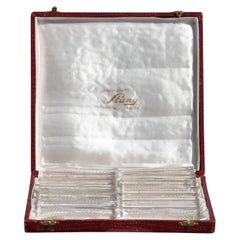
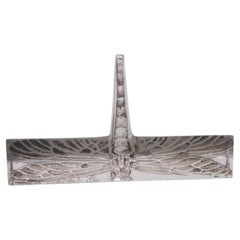
Lalique Knife Rest
20th Century Serving Pieces
Glass

Vintage 1910s French Art Nouveau Paperweights
Art Glass
Vintage 1930s French Art Deco Tableware
Glass
Vintage 1940s French Tableware
Art Glass

Recent Sales
Vintage 1920s French Art Deco Tableware
Glass
Vintage 1950s European Art Deco Tableware
Crystal
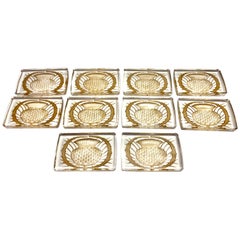
Vintage 1930s French Art Deco Tableware
Glass
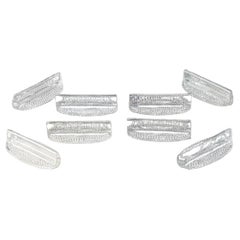
Vintage 1940s European Art Deco Tableware
Glass
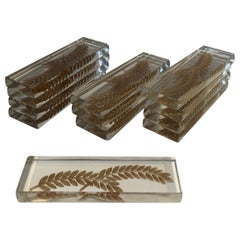
Vintage 1940s European Art Deco Tableware
Glass
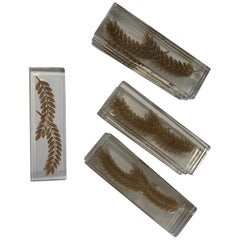
Vintage 1940s European Art Deco Tableware
Glass
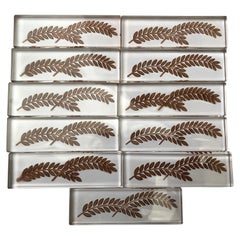
Vintage 1940s European Art Deco Tableware
Glass
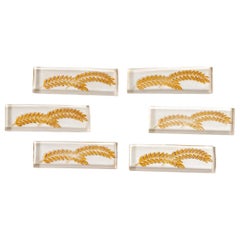
People Also Browsed
Antique Early 1800s English Georgian Beds and Bed Frames
Upholstery, Mahogany
Early 20th Century Chinese Sculptures and Carvings
Coral
21st Century and Contemporary French Art Deco Wall Lights and Sconces
Brass
Early 20th Century Italian Art Deco Table Lamps
Onyx, Marble

Early 20th Century French Art Deco Bedroom Sets
Early 20th Century French Art Deco Animal Sculptures
Marble, Metal

Antique Late 17th Century Portuguese Beds and Bed Frames
Wood, Jacaranda
Vintage 1930s Hungarian Art Deco Commodes and Chests of Drawers
Walnut
21st Century and Contemporary Books
Paper

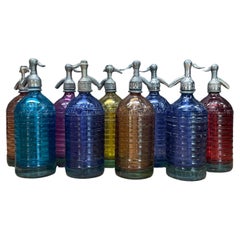
Vintage 1940s Argentine Art Deco Bottles
Glass
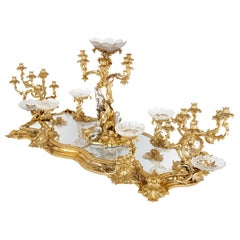
Antique Mid-19th Century English Louis XIV Centerpieces
Silver
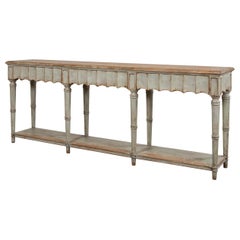
21st Century and Contemporary Asian French Provincial Console Tables
Wood
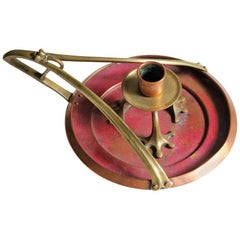
Antique 19th Century British Jugendstil Candle Sconces
Brass
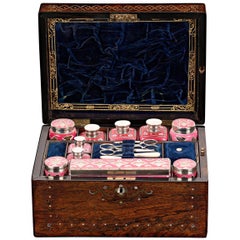
Antique 19th Century English Victorian Jewelry Boxes
Velvet, Glass, Wood
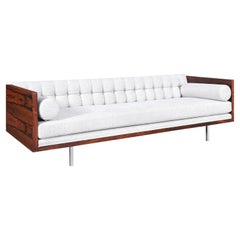
Vintage 1960s American Mid-Century Modern Sofas
Chrome
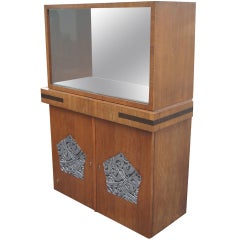
Vintage 1930s Argentine Art Deco Cabinets
Mahogany
René Lalique for sale on 1stDibs
The career of the famed jewelry designer, glassmaker and decorative artist René Lalique spanned decades and artistic styles. Best known today for his works in glass, Lalique first won recognition for his jewelry. He was described as the inventor of modern jewelry by the French artist and designer Émile Gallé, and his luxurious naturalistic designs helped define the Art Nouveau movement. Later as a glassmaker in the 1920s and ‘30s, Lalique designed vases, clocks, chandeliers and even car hood ornaments that were the essence of Art Deco chic. Even now, the name Lalique continues to be a byword for a graceful, gracious and distinctively French brand of sophistication.
Born in 1860 in the Marne region of France, Lalique began his career as a jewelry designer in the last decades of the 19th century. His work employed now-classic Art Nouveau themes and motifs: flowing, organic lines; forms based on animals, insects and flowers — all rendered in luxurious materials such as ivory, enamel, gold and semi-precious stones. By 1905, Lalique had begun creating works in glass, and his style began to shift to a cleaner, sharper, smoother, more modern approach suited to his new medium. His Paris shop’s proximity to perfumer François Coty’s led him to experiment with beautiful perfume bottles. He offered the first customized scent bottles, transforming the perfume industry. By the end of the First World War, the artist had fully embraced Art Deco modernity, devoting himself to new industrial techniques of glass production and designs that manifest the sweeping lines and the forms suggestive of speed and movement characteristic of the style. Lalique’s work looked both backward and forward in time: embracing ancient mythological themes even as it celebrated modern progress.
Late in his career, Lalique took on high profile luxury interior design projects in Paris, Tokyo and elsewhere. He designed decorative fixtures and lighting for the interior of the luxury liner Normandie in 1935, and decorated the salons of well-known fashion designer Madeleine Vionnet. Today, Lalique’s influence is as relevant as it was when he opened his first jewelry shop in 1890. In a modern or even a traditional décor, as you will see from the objects offered on these pages, the work of René Lalique provides the stamp of savoir-faire.
Finding the Right Tableware for You
While it isn’t always top of mind for some, antique and vintage tableware can enhance even the most informal meal. It has been an intimate part of how we’ve interacted with our food for millennia.
Tableware has played a basic but important role in everyday life. Ancient Egyptians used spoons (which are classified as flatware) made of ivory and wood, while Greeks and Romans, who gathered for banquets involving big meals and entertainment, ate with forks and knives. At the beginning of the 17th century, however, forks were still uncommon in American homes. Over time, tableware has thankfully evolved and today includes increasingly valuable implements.
Tableware refers to the tools people use to set the table, including serving pieces, dinner plates and more. It encompasses everything from the intricate and elaborate to the austere and functional, yet are all what industrial product designer Jasper Morrison might call “Super Normal” — anonymous objects that are too useful to be considered banal.
There are four general categories of tableware — serveware, dinnerware, drinkware and, lastly, flatware, which is commonly referred to as silverware or cutlery. Serveware includes serving bowls, platters, gravy boats, casserole pans and ladles. Most tableware is practical, but it can also be decorative. And decorative objects count as tableware too. Even though they don’t fit squarely into one of the four categories, vases, statues and floral arrangements are traditional centerpieces.
Drinkware appropriately refers to the vessels we use for our beverages — mugs, cups and glasses. There is a good deal of variety that falls under this broad term. For example, your cheerful home bar or mid-century modern bar cart might be outfitted with a full range of vintage barware, which might include pilsner glasses and tumblers. Specialty cocktails are often served in these custom glasses, but they’re still a type of drinkware.
Every meal should be special — even if you’re using earthenware or stoneware for a casual lunch — but perhaps you’re hosting a dinner party to mark a specific event. The right high-quality tableware can bring a touch of luxury to your cuisine. Young couples, for example, traditionally add “fine china,” or porcelain, to their wedding registry as a commemoration of their union and likely wouldn’t turn down exquisite silver made by Tiffany Co. or Georg Jensen.
It’s important to remember, however, that when you’re setting the dining room table to have fun with it. Just as you might mix and match your dining chairs, don’t be afraid to mix new and old or high and low with your tableware. On 1stDibs, find an extraordinary range of vintage and antique tableware to help elevate your meal as well as the mood and atmosphere of your entire dining room.