Lemon Juicer
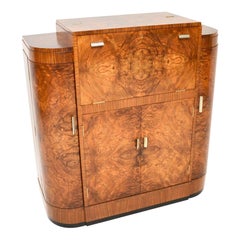
Vintage 1920s British Art Deco Cabinets
Mirror, Walnut

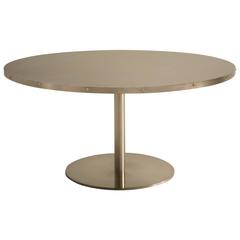
21st Century and Contemporary American Dining Room Tables
Stainless Steel
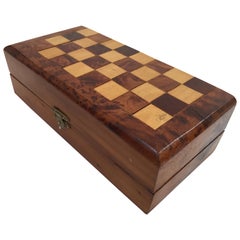
20th Century Moroccan Islamic Game Boards
Wood
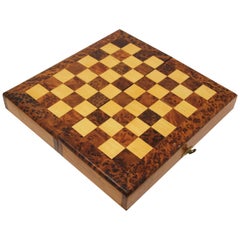
20th Century Moroccan Moorish Game Boards
Wood
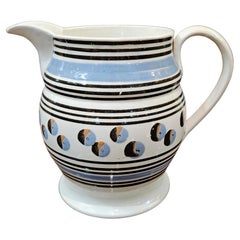
Antique Early 19th Century Folk Art Ceramics
Pearlware, Pottery
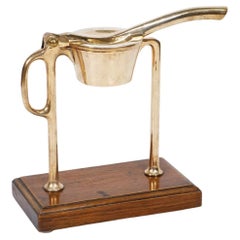
Early 20th Century English Barware
Metal, Brass, Copper
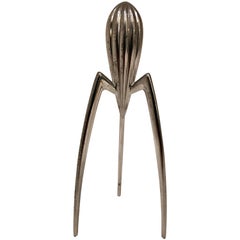
20th Century Italian Post-Modern Barware
Aluminum
20th Century Italian Post-Modern Barware
Aluminum

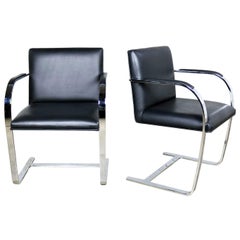
20th Century Bauhaus Armchairs
Chrome
Vintage 1930s American Art Deco Glass
Uranium Glass
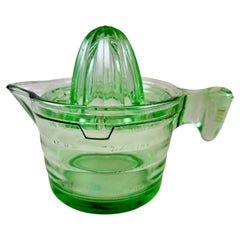
Vintage 1930s German Art Deco Barware
Silver Plate
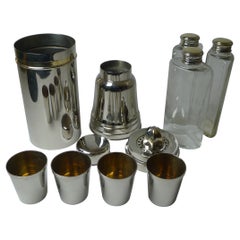
21st Century and Contemporary Italian Modern Platters and Serveware
Quartz

2010s Realist Still-life Paintings
Oil

Early 20th Century American Art Deco Barware
Metal, Chrome
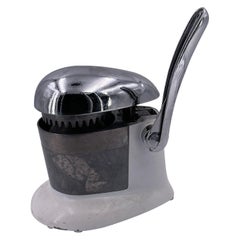
Vintage 1930s English Barware
Silver Plate
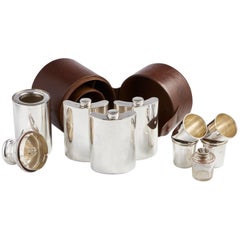
Vintage 1930s German Art Deco Barware
Silver Plate
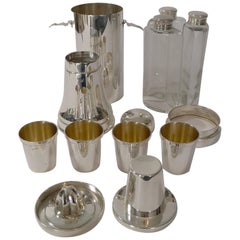
Vintage 1930s Austrian Tableware
Metal, Silver, Nickel
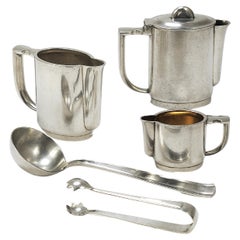
Early 20th Century Corsican Barware
Metal, Silver Plate
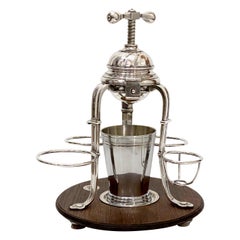
Vintage 1940s French Industrial Barware
Aluminum
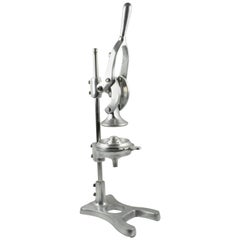
Vintage 1940s Swiss Industrial Barware
Aluminum
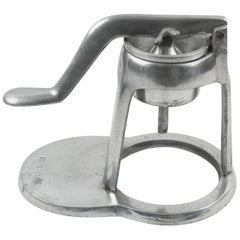
Vintage 1940s Swiss Industrial Barware
Aluminum
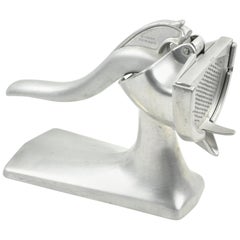
Vintage 1940s French Industrial Barware
Aluminum
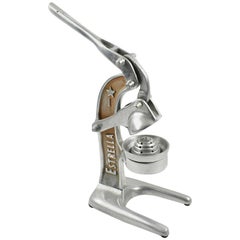
Vintage 1940s French Industrial Barware
Aluminum
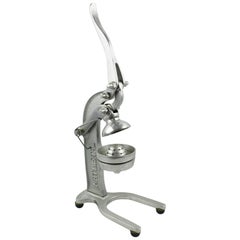
Vintage 1940s French Industrial Barware
Aluminum
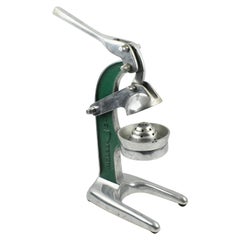
Vintage 1940s French Industrial Barware
Aluminum
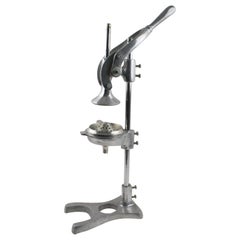
Vintage 1980s Italian Space Age More Dining and Entertaining
Aluminum
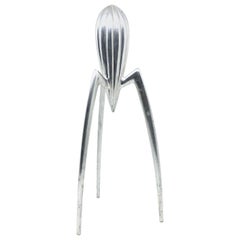
Vintage 1980s Italian Centerpieces
Aluminum
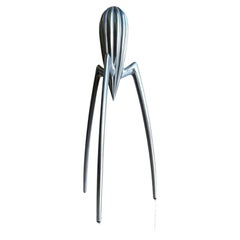
Vintage 1930s French Art Deco Barware
Silver Plate

Vintage 1930s French Art Deco Barware
Silver Plate

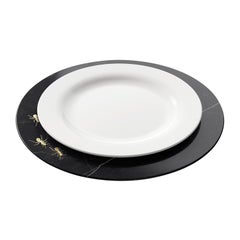
21st Century and Contemporary Italian Modern Dinner Plates
Marble
Mid-20th Century French Art Deco Barware
Chrome

1920s Surrealist Prints and Multiples
Lithograph

Vintage 1930s German Art Deco Barware
Nickel
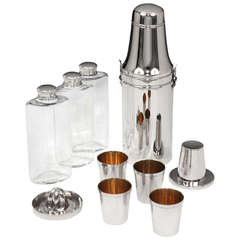
20th Century Sheffield and Silverplate
Silver Plate
1960s Evening Gowns
- 1
Lemon Juicer For Sale on 1stDibs
How Much is a Lemon Juicer?
A Close Look at Modern Furniture
The late 19th and early 20th centuries saw sweeping social change and major scientific advances — both of which contributed to a new aesthetic: modernism. Rejecting the rigidity of Victorian artistic conventions, modernists sought a new means of expression. References to the natural world and ornate classical embellishments gave way to the sleek simplicity of the Machine Age. Architect Philip Johnson characterized the hallmarks of modernism as “machine-like simplicity, smoothness or surface [and] avoidance of ornament.”
Early practitioners of modernist design include the De Stijl (“The Style”) group, founded in the Netherlands in 1917, and the Bauhaus School, founded two years later in Germany.
Followers of both groups produced sleek, spare designs — many of which became icons of daily life in the 20th century. The modernists rejected both natural and historical references and relied primarily on industrial materials such as metal, glass, plywood, and, later, plastics. While Bauhaus principals Marcel Breuer and Ludwig Mies van der Rohe created furniture from mass-produced, chrome-plated steel, American visionaries like Charles and Ray Eames worked in materials as novel as molded plywood and fiberglass. Today, Breuer’s Wassily chair, Mies van der Rohe’s Barcelona chair — crafted with his romantic partner, designer Lilly Reich — and the Eames lounge chair are emblems of progressive design and vintage originals are prized cornerstones of collections.
It’s difficult to overstate the influence that modernism continues to wield over designers and architects — and equally difficult to overstate how revolutionary it was when it first appeared a century ago. But because modernist furniture designs are so simple, they can blend in seamlessly with just about any type of décor. Don’t overlook them.