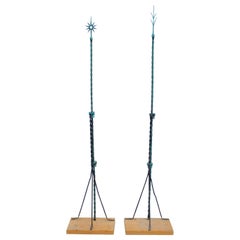
Lightning Rod Copper
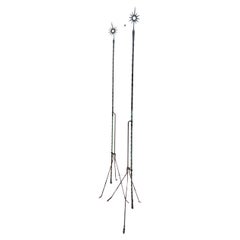
Antique 1870s American Country Architectural Elements
Copper, Wrought Iron

Antique 19th Century American Folk Art Scientific Instruments
Copper
Recent Sales
Antique Late 19th Century American Late Victorian Architectural Elements
Copper
Early 20th Century American Industrial More Furniture and Collectibles
Metal, Copper
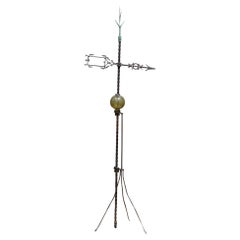
Antique 1870s American Country Architectural Elements
Copper, Wrought Iron
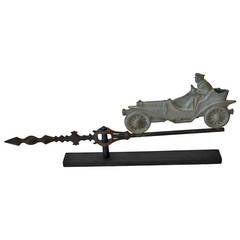
Early 20th Century American Weathervanes
Zinc, Copper
People Also Browsed
21st Century and Contemporary American Mid-Century Modern Office Chairs ...
Aluminum, Steel
21st Century and Contemporary American Modern Office Chairs and Desk Chairs
Aluminum
20th Century Danish Victorian Books
Gold Leaf
Early 20th Century English Victorian Bathroom Fixtures
Ceramic, Porcelain
Vintage 1980s Danish Scandinavian Modern Animal Sculptures
Pine, Sheepskin
21st Century and Contemporary Vietnamese Jacobean Benches
Wood
Vintage 1960s American Mid-Century Modern Benches
Aluminum

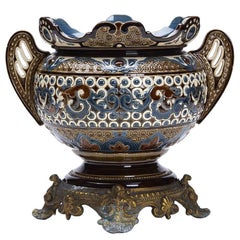
Antique 1880s Austrian Ceramics
Ormolu
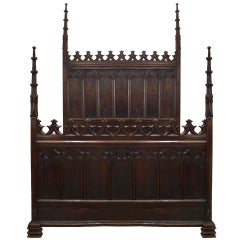
Antique 19th Century English Gothic Revival Beds and Bed Frames
Walnut
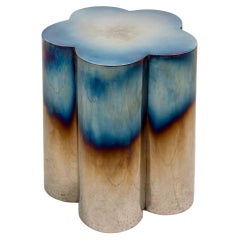
21st Century and Contemporary Ukrainian Modern Side Tables
Stainless Steel
Mid-20th Century English Art Deco Beds and Bed Frames
Chrome, Iron

Antique 18th Century French Baroque Figurative Sculptures
Wood, Paint

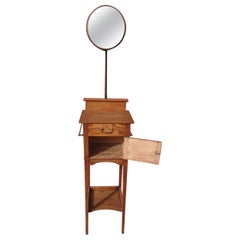
Antique 1890s English Arts and Crafts Table Mirrors
Oak
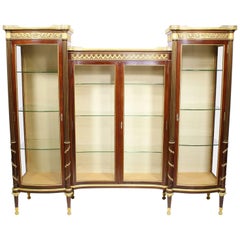
Antique Early 1900s French Louis XVI Vitrines
Bronze, Ormolu
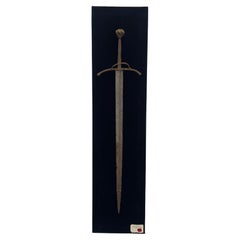
Antique 15th Century and Earlier Austrian Gothic Arms, Armor and Weapons
Iron
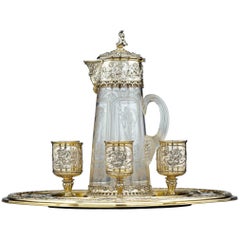
Antique 19th Century English Victorian Sheffield and Silverplate
Silver
Materials: Copper Furniture
From cupolas to cookware and fine art to filaments, copper metal has been used in so many ways since prehistoric times. Today, antique, new and vintage copper coffee tables, mirrors, lamps and other furniture and decor can bring a warm metallic flourish to interiors of any kind.
In years spanning 8,700 BC (the time of the first-known copper pendant) until roughly 3,700 BC, it may have been the only metal people knew how to manipulate.
Valuable deposits of copper were first extracted on the Mediterranean island of Cyprus around 4,000 BC — well before Europe’s actual Bronze Age (copper + tin = bronze). Tiny Cyprus is even credited with supplying all of Egypt and the Near East with copper for the production of sophisticated currency, weaponry, jewelry and decorative items.
In the 15th, 16th and 17th centuries, master painters such as Leonardo da Vinci, El Greco, Rembrandt and Jan Brueghel created fine works on copper. (Back then, copper-based pigments, too, were all the rage.) By the late 19th and early 20th centuries, decorative items like bas-relief plaques, trays and jewelry produced during the Art Deco, Arts and Crafts and Art Nouveau periods espoused copper. These became highly valuable and collectible pieces and remain so today.
Copper’s beauty, malleability, conductivity and versatility make it perhaps the most coveted nonprecious metal in existence. In interiors, polished copper begets an understated luxuriousness, and its reflectivity casts bright, golden and earthy warmth seldom realized in brass or bronze. (Just ask Tom Dixon.)
Outdoors, its most celebrated attribute — the verdigris patina it slowly develops from exposure to oxygen and other elements — isn’t the only hue it takes. Architects often refer to shades of copper as russet, ebony, plum and even chocolate brown. And Frank Lloyd Wright, Renzo Piano and Michael Graves have each used copper in their building projects.
Find antique, new and vintage copper furniture and decorative objects on 1stDibs.