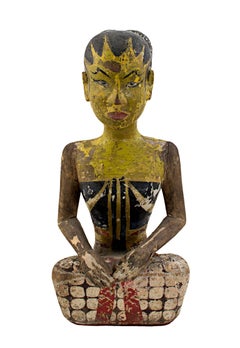
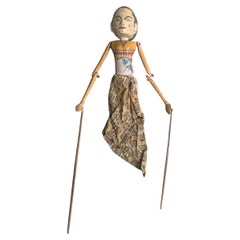
Loro Blonyo
19th Century Folk Art Figurative Sculptures
Wood, Paint
People Also Browsed
Vintage 1960s Italian Mid-Century Modern Flush Mount
Brass, Nickel

Early 20th Century Chinese Table Lamps
Jade, Bronze

Late 20th Century Japanese Japonisme Sculptures and Carvings
Wood
Vintage 1960s Italian Mid-Century Modern Wall Lights and Sconces
Brass, Nickel
Antique 19th Century Chinese Qing Lacquer
Lacquer
20th Century Chinese Chinese Export Paintings and Screens
Brass
Antique 19th Century Indonesian Architectural Elements
Wood
20th Century South Asian Anglo Raj Textiles
Textile

Vintage 1950s Italian Bathroom Fixtures
Ceramic
Antique Mid-19th Century Thai Sculptures and Carvings
Bronze

Antique 19th Century Chinese Rustic Decorative Baskets
Iron
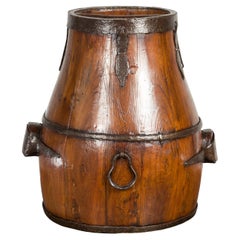
Antique Mid-19th Century Chinese Rustic Decorative Baskets
Bentwood, Willow
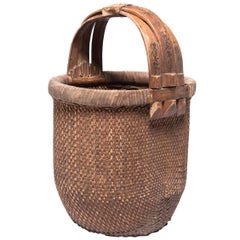
Antique 17th Century Japanese Edo Ceramics
Stoneware
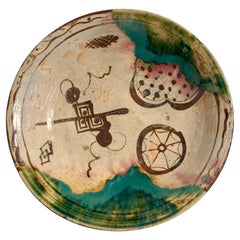
Early 20th Century Indonesian Sculptures and Carvings
Wood
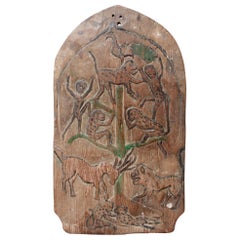
Early 20th Century Indonesian Tribal Tribal Art
Fabric, Wood
Antique Late 19th Century Japanese Meiji Ceramics
Ceramic
Finding the Right Figurative-sculptures for You
Figurative sculptures mix reality and imagination, with the most common muse being the human body. Animals are also inspirations for these sculptures, along with forms found in nature.
While figurative sculpture dates back over 35,000 years, the term came into popularity in the 20th century to distinguish it from abstract art. It was aligned with the Expressionist movement in that many of its artists portrayed reality but in a nonnaturalistic and emotional way. In the 1940s, Alberto Giacometti — a Swiss-born artist who was interested in African art, Cubism and Surrealism — created now-iconic representational sculptures of the human figure, and after World War II, figurative sculpture as a movement continued to flourish in Europe.
Lucian Freud and Francis Bacon were some of the leading figurative artists during this period. Artists like Jeff Koons and Maurizio Cattelan propelled the evolution of figurative sculpture into the 21st century.
Figurative sculptures can be whimsical, uncanny and beautiful. Their materials range from stone and wood to metal and delicate ceramics. Even in smaller sizes, the sculptures make bold statements. A bronze sculpture by Salvador Dalí enhances a room; a statuesque bull by Jacques Owczarek depicts strength with its broad chest while its thin legs speak of fragility. Figurative sculptures allow viewers to see what is possible when life is reimagined.
Browse 1stDibs for an extensive collection of figurative sculptures and find the next addition to your collection.