Lucite 1970s Chandelier
Vintage 1970s American Chandeliers and Pendants
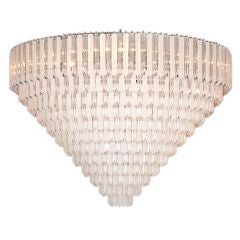
Vintage 1970s Danish Chandeliers and Pendants
Chrome
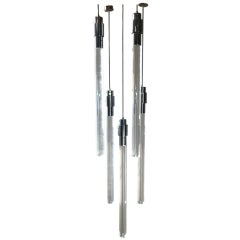
Vintage 1970s American Mid-Century Modern Chandeliers and Pendants
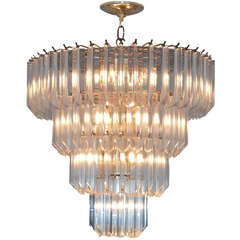
Vintage 1970s American Mid-Century Modern Chandeliers and Pendants
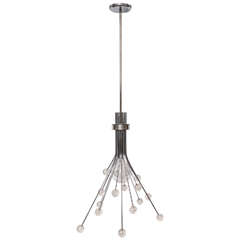
Vintage 1970s American Mid-Century Modern Chandeliers and Pendants
Brass
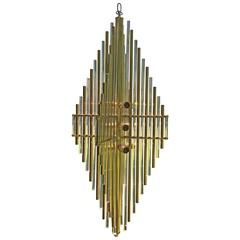
Vintage 1970s American Mid-Century Modern Chandeliers and Pendants
Chrome
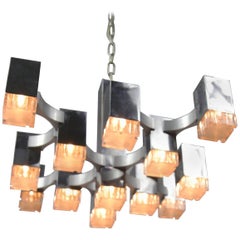
Vintage 1970s Italian Mid-Century Modern Chandeliers and Pendants
Chrome
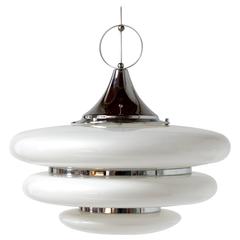
Vintage 1970s Mid-Century Modern Chandeliers and Pendants
Lucite, Wood
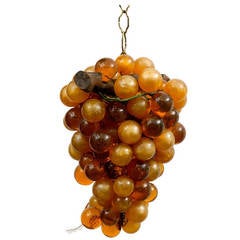

Vintage 1970s Italian Chandeliers and Pendants
Chrome
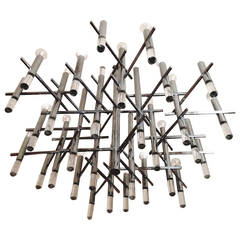
Vintage 1970s Austrian Mid-Century Modern Chandeliers and Pendants
Brass
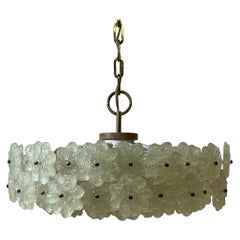
Vintage 1970s American Chandeliers and Pendants
Brass
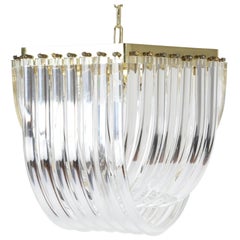
Vintage 1970s American Mid-Century Modern Chandeliers and Pendants
Brass
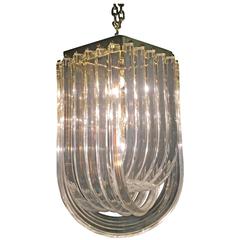
Vintage 1970s Italian Chandeliers and Pendants

Vintage 1970s Italian Mid-Century Modern Chandeliers and Pendants
Chrome, Metal

Vintage 1970s Italian Modern Chandeliers and Pendants
Chrome, Aluminum
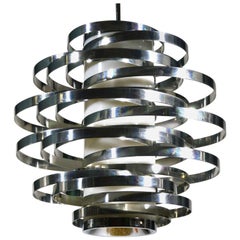
Late 20th Century Chandeliers and Pendants
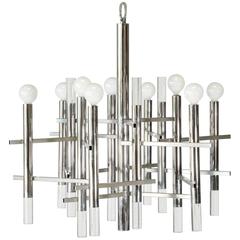
Mid-20th Century Italian Art Deco Chandeliers and Pendants
Brass
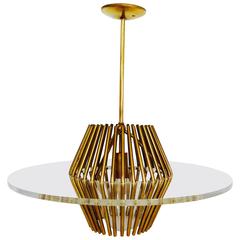
Vintage 1970s Austrian Mid-Century Modern Chandeliers and Pendants
Crystal, Nickel
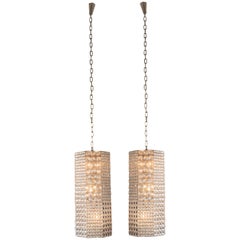
- 1
Lucite 1970s Chandelier For Sale on 1stDibs
How Much is a Lucite 1970s Chandelier?
Materials: Plastic Furniture
Arguably the world’s most ubiquitous man-made material, plastic has impacted nearly every industry. In contemporary spaces, new and vintage plastic furniture is quite popular and its use pairs well with a range of design styles.
From the Italian lighting artisans at Fontana Arte to venturesome Scandinavian modernists such as Verner Panton, who created groundbreaking interiors as much as he did seating — see his revolutionary Panton chair — to contemporary multidisciplinary artists like Faye Toogood, furniture designers have been pushing the boundaries of plastic forever.
When The Graduate's Mr. McGuire proclaimed, “There’s a great future in plastics,” it was more than a laugh line. The iconic quote is an allusion both to society’s reliance on and its love affair with plastic. Before the material became an integral part of our lives — used in everything from clothing to storage to beauty and beyond — people relied on earthly elements for manufacturing, a process as time-consuming as it was costly.
Soon after American inventor John Wesley Hyatt created celluloid, which could mimic luxury products like tortoiseshell and ivory, production hit fever pitch, and the floodgates opened for others to explore plastic’s full potential. The material altered the history of design — mid-century modern legends Charles and Ray Eames, Joe Colombo and Eero Saarinen regularly experimented with plastics in the development of tables and chairs, and today plastic furnishings and decorative objects are seen as often indoors as they are outside.
Find vintage plastic lounge chairs, outdoor furniture, lighting and more on 1stDibs.
Finding the Right Chandeliers-pendant-lights for You
Chandeliers — simple in form, inspired by candelabras and originally made of wood or iron — first made an appearance in early churches. For those wealthy enough to afford them for their homes in the medieval period, a chandelier's suspended lights likely exuded imminent danger, as lit candles served as the light source for fixtures of the era. Things have thankfully changed since then, and antique chandeliers and pendant lights are popular in many interiors today.
While gas lighting during the late 18th century represented an upgrade for chandeliers — and gas lamps would long inspire Danish architect and pioneering modernist lighting designer Poul Henningsen — it would eventually be replaced with the familiar electric lighting of today.
The key difference between a pendant light and a chandelier is that a pendant incorporates only a single bulb into its design. Don’t mistake this for simplicity, however. An Art Deco–styled homage to Sputnik from Murano glass artisans Giovanni Dalla Fina, with handcrafted decorative elements supported by a chrome frame, is just one stunning example of the elaborate engineering that can be incorporated into every component of a chandelier. (Note: there is more than one lighting fixture that shares its name with the iconic mid-century-era satellite — see Gino Sarfatti’s design too.)
Chandeliers have evolved over time, but their classic elegance has remained unchanged.
Not only will the right chandelier prove impressive in a given room, but it can also offer a certain sense of practicality. These fixtures can easily illuminate an entire space, while their elevated position prevents them from creating glare or straining one’s eyes.
Certain materials, like glass, can complement naturally lit settings without stealing the show. Brass, on the other hand, can introduce an alluring, warm glow. While LEDs have earned a bad reputation for their perceived harsh bluish lights and a loss of brightness over their life span, the right design choices can help harness their lighting potential and create the perfect mood. A careful approach to lighting can transform your room into a peaceful and cozy nook, ideal for napping, reading or working.
For midsize spaces, a wall light or sconce can pull the room together and get the lighting job done. Perforated steel rings underneath five bands of handspun aluminum support a rich diffusion of light within Alvar Aalto's Beehive pendant light, but if you’re looking to brighten a more modest room, perhaps a minimalist solution is what you’re after. The mid-century modern furniture designer Charlotte Perriand devised her CP-1 wall lamps in the 1960s, in which a repositioning of sheet-metal plates can redirect light as needed.
The versatility and variability of these lighting staples mean that, when it comes to finding something like the perfect chandelier, you’ll never be left hanging. From the natural world-inspired designs of the Art Nouveau era to the classic beauty of Paul Ferrante's fixtures, there is a style for every room.
With designs for pendant lights and chandeliers across eras, colors and materials, you’ll never run out of options to explore on 1stDibs — shop a collection today that includes antique Art Deco chandeliers, Stilnovo chandeliers, Baccarat chandeliers and more.
- What was worn in the 1970s?1 Answer1stDibs ExpertFebruary 22, 2021Fashion during the 1970s included lots of T-shirts, cardigans, kimonos, graphic tees, jeans, khakis, and vintage clothes. In the mid-1970s, other fashion highlights included puffy skirts and shirts with flowy sleeves.
- Are the 1970s mid-century?1 Answer1stDibs ExpertFebruary 17, 2023No, the 1970s are generally not considered to fall within the era identified as mid-century. With respect to mid-century modern design, while there is some debate between collectors and design experts about the specific time period that saw the emergence of the style, most furniture enthusiasts agree that by the late 1960s, interest in MCM had largely declined. Writer Cara Greenberg, who coined the term “mid-century modernism,” suggests that “the period from the end of World War II to 1960 – from V-J Day to JFK – was the heyday of innovative furniture design in America.” Mid-century modern furniture is characterized by clean lines and inviting, organic shapes. Furniture makers of the era believed that good design was an essential part of good living. Find a variety of vintage mid-century modern furniture and decorative objects on 1stDibs.
- 1stDibs ExpertApril 5, 2022Yes, sequins were indeed popular in the 1970s and could be seen on the dancefloors and discos of the time, along with other popular fabrics like velvet and satin. Sequins and hot pants were the go-to outfit of the disco-glam decade. Shop iconic vintage and contemporary sequin clothing from some of the world’s top boutiques on 1stDibs.
- Was velvet used in the 1970s?1 Answer1stDibs ExpertJune 15, 2023Yes, velvet was used in the 1970s. Fashion designers used the fabric to produce dresses, bell bottoms, flowy kimonos and other pieces. Furniture makers often used it as the upholstery on sofas and armchairs. On 1stDibs, shop a variety of pieces from the 1970s.
- What is 1970s furniture called?1 Answer1stDibs ExpertMarch 15, 2024What 1970s furniture is called varies. Generally, you may see pieces produced during the decade classified as "vintage" or "retro" furniture. During the 1970s, some makers continued to produce furniture that boasted the characteristics of mid-century modern works. The disco era yielded furnishings with organic, often rounded shapes, unadorned silhouettes, clean lines and a mix of materials. The showy leather furniture of the 1970s, which was both sexy and comfortable, is seeing a resurgence in today’s homes. Shop a wide variety of vintage 1970s furniture on 1stDibs.
- 1stDibs ExpertApril 5, 2022To tell if a dress is from the 1960s or 1970s, first look for a label. You may be able to determine the approximate date of the dress simply by researching the designer using reputable online sources. Also, check the zippers. Dresses from the 1960s will usually have metal or nylon zippers. Ones from the 1970s are more likely to be plastic. You'll find a large selection of vintage dresses on 1stDibs.
- 1stDibs ExpertApril 5, 2022Go-go boots were fashionable in the late 1960s through the 1970s. A calf-length to knee-length boot became synonymous with 1960s and 1970s fashion and is still highly coveted today by fashion enthusiasts. Shop a wide range of vintage go-go boots on 1stDibs.
- 1stDibs ExpertMay 5, 2023Which clothing style was most popular in the discos in the 1970s is open to debate. Some of the trends of the discotheque scene included sleeveless, sequined tops paired with bell bottoms and knee-length halter dresses topped off with tall go-go boots. For men, jumpsuits and leisure suits were the favorite looks. Both men and women often wore shoes with chunky heels and thick platforms. On 1stDibs, find an assortment of 1970s vintage clothing and accessories.
- 1stDibs ExpertJanuary 27, 2025The designer who became famous with her wrap dresses in the 1970s is Diane von Furstenberg. She debuted her first example in 1974. When creating the Wrap dress, von Furstenberg drew inspiration from the skirts worn by ballerinas. In celebration of the 40th anniversary of the now-iconic dress, an exhibit called Diane von Furstenberg: Journey of a Dress was held at museums in the United States and abroad. On 1stDibs, explore a range of Diane von Furstenberg apparel and accessories.
- 1stDibs ExpertApril 5, 2022After the success of his “Sol” series in the 1960s, Richard Anuszkiewicz began to focus on his “Centered Square” designs in the mid-1970s. He used interacting colors to change the perception of the art in the eye of the viewer. You can shop a selection of Richard Anuszkiewicz pieces from some of the world’s top art dealers on 1stDibs.
Read More
This 1950s Paavo Tynell Chandelier Got a Glow-Up
Commissioned for the lakeside villa of a Finnish industrialist, it illuminated visits with dignitaries.
These Designer Light Fixtures Are Total Scene Stealers
Across New York, there’s no shortage of statement lighting on view.
My Father Was Obsessed with This French Art Deco Tiger Lamp
The 1920s design is a thrilling combination of saturated colors, ancient motifs and modern aesthetics.
Hans Bergström’s Monumental Chandeliers Are Made for Grand Spaces
Designed by a giant of Swedish lighting, the large-scale fixtures bring major drama.
This Paavo Tynell Chandelier Is a Radiant Bouquet
The alluring pendant light exemplifies the designer’s winsome mid-career work.
Ettore Sottsass Captures a Shooting Star in This Rare 1970s Floor Lamp
Before founding the Memphis Group, Sottsass bent the rules of lighting design with the wonderfully wavy Cometa.
You Don’t Need a Fictional Fairy to Get This Real Pinocchio Lamp
Warm chalet style meets cool Bauhaus functionality in Pietro Cascella’s cleverly carved creation.
Why Is Italy Such a Hotbed of Cool Design?
Patrizio Chiarparini of Brooklyn’s Duplex gallery sheds light on the lasting legacy of Italy’s postwar furniture boom.