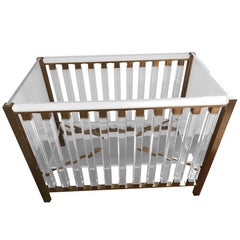
Lucite Crib
21st Century and Contemporary American Modern Children s Furniture
Brass


21st Century and Contemporary American Modern Children s Furniture
Brass
Recent Sales
2010s Lebanese Modern Children s Furniture
Acrylic, Wood
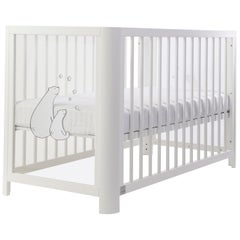
2010s Lebanese Modern Children s Furniture
Acrylic, Wood
People Also Browsed
Vintage 1960s German Mid-Century Modern Chandeliers and Pendants
Metal
21st Century and Contemporary Italian Modern Benches
Cedar
Antique Late 19th Century Belgian Louis XVI Fireplaces and Mantels
Belgian Black Marble
Vintage 1940s Italian Mid-Century Modern Beds and Bed Frames
Velvet, Walnut
Antique Early 1900s French Louis XV Chandeliers and Pendants
Bronze, Ormolu
20th Century French Louis XV Chandeliers and Pendants
Amethyst, Rock Crystal, Bronze

20th Century French Floor Lamps
Crystal
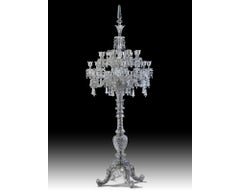
Antique Early 1900s French Neoclassical Revival Figurative Sculptures
Marble, Iron

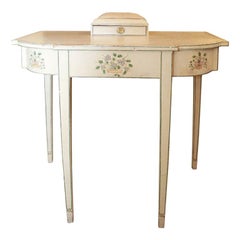
circa 1800, having the original white paint with three stenciled baskets of flowers
across the front
Antique 19th Century American Console Tables
Pine
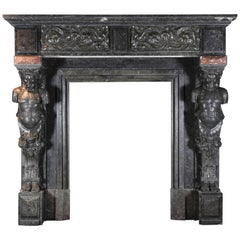
Antique 19th Century Belgian Renaissance Revival Fireplaces and Mantels
Stone
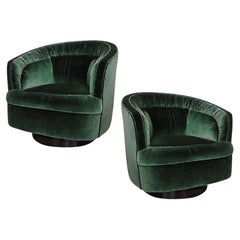
Vintage 1970s American Mid-Century Modern Lounge Chairs
Upholstery, Wood
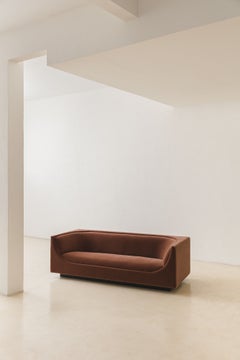
Vintage 1970s Brazilian Mid-Century Modern Sofas
Velvet, Wood
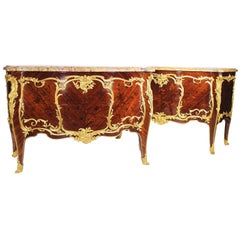
Antique 1890s French Louis XV Commodes and Chests of Drawers
Marble, Bronze
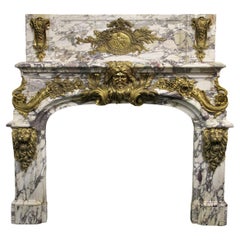
Antique 19th Century French Belle Époque Fireplaces and Mantels
Marble, Bronze, Ormolu
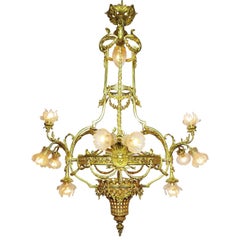
Antique Early 1900s French Louis XIV Chandeliers and Pendants
Bronze
Antique 1880s Austrian Belle Époque Paintings
Wood, Giltwood
A Close Look at Modern Furniture
The late 19th and early 20th centuries saw sweeping social change and major scientific advances — both of which contributed to a new aesthetic: modernism. Rejecting the rigidity of Victorian artistic conventions, modernists sought a new means of expression. References to the natural world and ornate classical embellishments gave way to the sleek simplicity of the Machine Age. Architect Philip Johnson characterized the hallmarks of modernism as “machine-like simplicity, smoothness or surface [and] avoidance of ornament.”
Early practitioners of modernist design include the De Stijl (“The Style”) group, founded in the Netherlands in 1917, and the Bauhaus School, founded two years later in Germany.
Followers of both groups produced sleek, spare designs — many of which became icons of daily life in the 20th century. The modernists rejected both natural and historical references and relied primarily on industrial materials such as metal, glass, plywood, and, later, plastics. While Bauhaus principals Marcel Breuer and Ludwig Mies van der Rohe created furniture from mass-produced, chrome-plated steel, American visionaries like Charles and Ray Eames worked in materials as novel as molded plywood and fiberglass. Today, Breuer’s Wassily chair, Mies van der Rohe’s Barcelona chair — crafted with his romantic partner, designer Lilly Reich — and the Eames lounge chair are emblems of progressive design and vintage originals are prized cornerstones of collections.
It’s difficult to overstate the influence that modernism continues to wield over designers and architects — and equally difficult to overstate how revolutionary it was when it first appeared a century ago. But because modernist furniture designs are so simple, they can blend in seamlessly with just about any type of décor. Don’t overlook them.
Finding the Right Childrens-furniture for You
When you’re shopping for antique, new and vintage children’s furniture, you’ll want your choices to fit nicely within the decor scheme of the rest of your home. But you’ll also want to create an alluring and inspirational space for your children to feel relaxed and encouraged creatively. Indeed, a child’s room can be simultaneously stylish and playful — the ideal environment for children.
Understandably, beds were the first piece of furniture designed for young children. In Ancient Egypt, children’s beds were scaled-down versions of adult beds. They were intended to be a logical size for a child and low enough to the ground so that they could climb in by themselves.
Historians discovered early high chairs in Ancient Greece. In the 6th century B.C., a child’s training potty might have also been used as a high chair, while archaeologists on a dig discovered a terracotta high chair in a marketplace in Athens. By the Renaissance period, children’s bookshelves were popular with upper-class families who had disposable income and the desire to beautify all areas of the home. The original purpose was to organize school books, but shelves eventually became integral to children’s rooms of the era.
In the early 20th century, Italian physician Maria Montessori changed the way designers thought about children’s furniture. She wrote that it was important for children to have a safe environment of their own that they could easily navigate. Montessori believed that children’s furniture should be sized for them but that it should also be made of light, durable materials so that it’s easy for them to carry if needed.
Today’s widely known mid-century modern furniture designers took interest in the idea that young children should have well-crafted furniture of their own. You can find vintage mid-century modern children’s furniture created by the likes of Harry Bertoia, Charles and Ray Eames and Alvar Aalto. Contemporary industrial designer and architect Philippe Starck is also known for having introduced versions of his furniture that were geared toward children, especially his seating and storage solutions.
It’s never too early for good design. Decorating a child’s room offers the opportunity to combine elevated furnishings and a youthful spirit and can result in spaces that are at once elegant and whimsical. On 1stDibs, find design ideas for children’s rooms as well as a variety of new, antique and vintage children’s furniture today.