Lusterweibchen Of A Victorian Lady
Early 20th Century German Victorian Chandeliers and Pendants
Iron
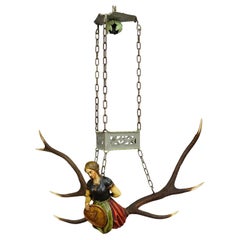

Antique Late 19th Century German Victorian Chandeliers and Pendants
Iron
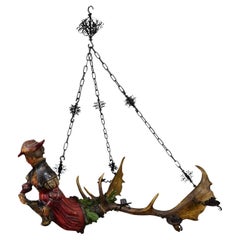
Early 20th Century German Victorian Chandeliers and Pendants
Metal
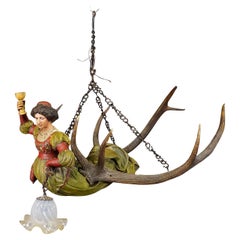
Recent Sales
Antique Late 19th Century German Black Forest Chandeliers and Pendants
Iron
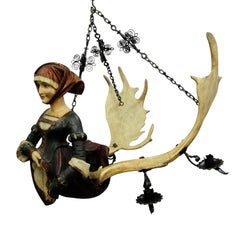
Early 20th Century German Victorian Chandeliers and Pendants
Plaster
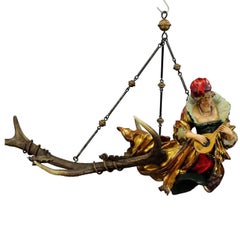
Antique 1890s German Chandeliers and Pendants
Wood, Antler
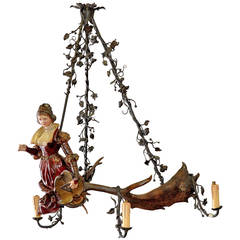
Early 20th Century German Victorian Sculptures
Wood, Antler
Early 20th Century German Black Forest Chandeliers and Pendants
Iron
Antique Late 19th Century German Black Forest Chandeliers and Pendants
Paper
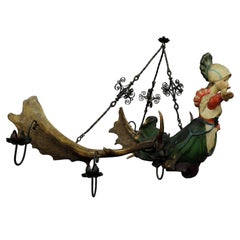
Antique Late 19th Century German Rustic Chandeliers and Pendants
Antler, Wood
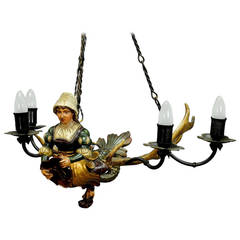
Antique 19th Century German Victorian Chandeliers and Pendants
Wood, Antler
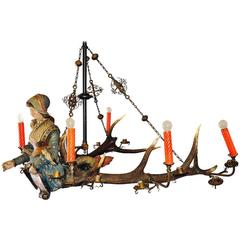
Early 20th Century German Black Forest Chandeliers and Pendants
Iron
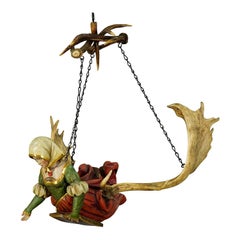
Antique Late 19th Century German Black Forest Chandeliers and Pendants
Iron
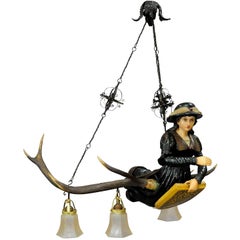
Antique Late 19th Century German Black Forest Chandeliers and Pendants
Wood
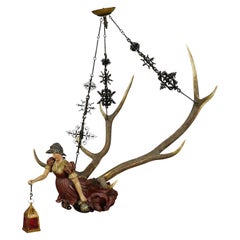
Early 20th Century German Early Victorian Chandeliers and Pendants
Plaster
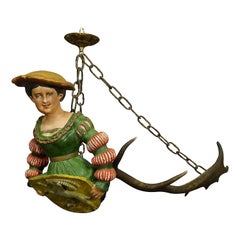
Antique Mid-19th Century German Early Victorian Chandeliers and Pendants
Wood
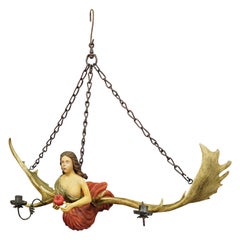
Antique Late 19th Century German Victorian Chandeliers and Pendants
Iron
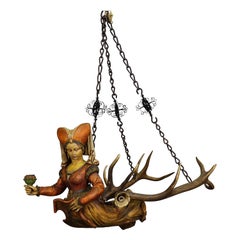
Early 20th Century German Victorian Chandeliers and Pendants
Iron
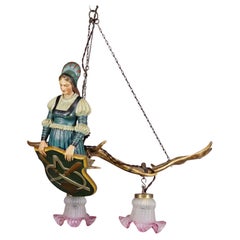
Antique Late 19th Century German Victorian Chandeliers and Pendants
Iron
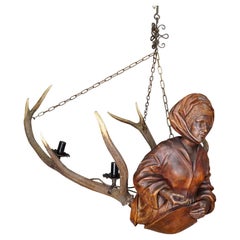
Antique Late 19th Century German Black Forest Chandeliers and Pendants
Wood
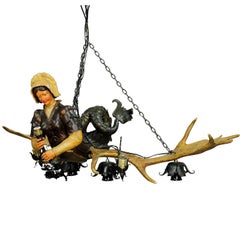
Antique Mid-19th Century German Early Victorian Chandeliers and Pendants
Wood
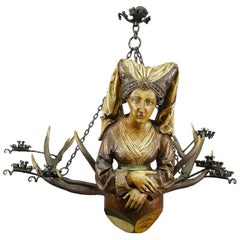
Antique Mid-19th Century German Black Forest Chandeliers and Pendants
Iron
People Also Browsed
Antique Mid-19th Century English Early Victorian Vases
Ironstone
Early 20th Century Chinese Sculptures and Carvings
Coral
Antique Early 1900s French Art Nouveau Vases
Blown Glass
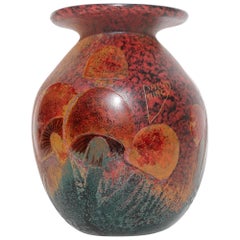
Early 20th Century English Porcelain
Porcelain

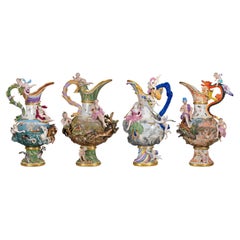
Antique 19th Century German Ceramics
Porcelain
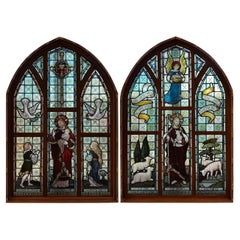
Antique Early 1900s English Windows
Stained Glass
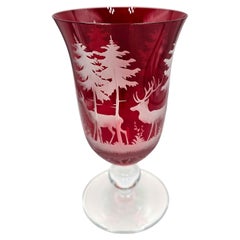
21st Century and Contemporary German Black Forest Crystal Serveware
Crystal
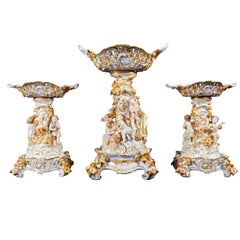
Antique Late 19th Century German Rococo Porcelain
Porcelain
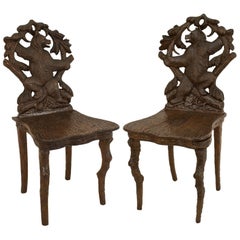
Antique 19th Century German Black Forest Side Chairs
Walnut
Antique 15th Century and Earlier German Decorative Art
Other
Antique 19th Century American American Colonial Nautical Objects
Hardwood
Antique 19th Century Paintings
Canvas, Giltwood
Antique 18th Century French Baroque Figurative Sculptures
Wood, Paint

Antique 15th Century and Earlier European French Provincial Books
Leather
Antique Late 19th Century French French Provincial Armchairs
Upholstery, Oak
Antique 19th Century British Victorian Pedestals
Mahogany
Lusterweibchen Of A Victorian Lady For Sale on 1stDibs
How Much is a Lusterweibchen Of A Victorian Lady?
Finding the Right Chandeliers-pendant-lights for You
Chandeliers — simple in form, inspired by candelabras and originally made of wood or iron — first made an appearance in early churches. For those wealthy enough to afford them for their homes in the medieval period, a chandelier's suspended lights likely exuded imminent danger, as lit candles served as the light source for fixtures of the era. Things have thankfully changed since then, and antique chandeliers and pendant lights are popular in many interiors today.
While gas lighting during the late 18th century represented an upgrade for chandeliers — and gas lamps would long inspire Danish architect and pioneering modernist lighting designer Poul Henningsen — it would eventually be replaced with the familiar electric lighting of today.
The key difference between a pendant light and a chandelier is that a pendant incorporates only a single bulb into its design. Don’t mistake this for simplicity, however. An Art Deco–styled homage to Sputnik from Murano glass artisans Giovanni Dalla Fina, with handcrafted decorative elements supported by a chrome frame, is just one stunning example of the elaborate engineering that can be incorporated into every component of a chandelier. (Note: there is more than one lighting fixture that shares its name with the iconic mid-century-era satellite — see Gino Sarfatti’s design too.)
Chandeliers have evolved over time, but their classic elegance has remained unchanged.
Not only will the right chandelier prove impressive in a given room, but it can also offer a certain sense of practicality. These fixtures can easily illuminate an entire space, while their elevated position prevents them from creating glare or straining one’s eyes.
Certain materials, like glass, can complement naturally lit settings without stealing the show. Brass, on the other hand, can introduce an alluring, warm glow. While LEDs have earned a bad reputation for their perceived harsh bluish lights and a loss of brightness over their life span, the right design choices can help harness their lighting potential and create the perfect mood. A careful approach to lighting can transform your room into a peaceful and cozy nook, ideal for napping, reading or working.
For midsize spaces, a wall light or sconce can pull the room together and get the lighting job done. Perforated steel rings underneath five bands of handspun aluminum support a rich diffusion of light within Alvar Aalto's Beehive pendant light, but if you’re looking to brighten a more modest room, perhaps a minimalist solution is what you’re after. The mid-century modern furniture designer Charlotte Perriand devised her CP-1 wall lamps in the 1960s, in which a repositioning of sheet-metal plates can redirect light as needed.
The versatility and variability of these lighting staples mean that, when it comes to finding something like the perfect chandelier, you’ll never be left hanging. From the natural world-inspired designs of the Art Nouveau era to the classic beauty of Paul Ferrante's fixtures, there is a style for every room.
With designs for pendant lights and chandeliers across eras, colors and materials, you’ll never run out of options to explore on 1stDibs — shop a collection today that includes antique Art Deco chandeliers, Stilnovo chandeliers, Baccarat chandeliers and more.
- 1stDibs ExpertFebruary 7, 2024Rich Victorian ladies typically wore dresses layered over undergarments. First, women would put on a crinoline, which is a petticoat with a hoop that allowed the skirt of a dress to flare outward. Toward the end of the Victorian age, women often added bustles, which caused dresses to stick out in the back. On their upper bodies, women wore corsets that pulled in the waist and accentuated the bosom. It was customary for women to change clothes prior to dinner, and each clothing change usually required the assistance of maids for the fasteners and ties. Shop a collection of Victorian apparel on 1stDibs.
- 1stDibs ExpertMay 3, 2024In the Victorian era, wealthy ladies wore dresses. An hourglass figure was the standard of beauty for the time, and women wore layers of petticoats and tight-fitting corsets to narrow their waists and accentuate their hips. Typically, women sported bonnets along with their dresses. On 1stDibs, shop a large collection of women's apparel and accessories.
Read More
This 1950s Paavo Tynell Chandelier Got a Glow-Up
Commissioned for the lakeside villa of a Finnish industrialist, it illuminated visits with dignitaries.
These Designer Light Fixtures Are Total Scene Stealers
Across New York, there’s no shortage of statement lighting on view.
My Father Was Obsessed with This French Art Deco Tiger Lamp
The 1920s design is a thrilling combination of saturated colors, ancient motifs and modern aesthetics.
Hans Bergström’s Monumental Chandeliers Are Made for Grand Spaces
Designed by a giant of Swedish lighting, the large-scale fixtures bring major drama.
This Paavo Tynell Chandelier Is a Radiant Bouquet
The alluring pendant light exemplifies the designer’s winsome mid-career work.
Ettore Sottsass Captures a Shooting Star in This Rare 1970s Floor Lamp
Before founding the Memphis Group, Sottsass bent the rules of lighting design with the wonderfully wavy Cometa.
You Don’t Need a Fictional Fairy to Get This Real Pinocchio Lamp
Warm chalet style meets cool Bauhaus functionality in Pietro Cascella’s cleverly carved creation.
Why Is Italy Such a Hotbed of Cool Design?
Patrizio Chiarparini of Brooklyn’s Duplex gallery sheds light on the lasting legacy of Italy’s postwar furniture boom.