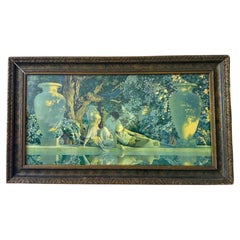
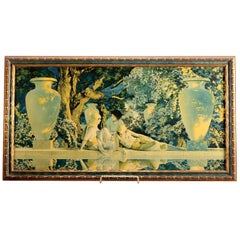
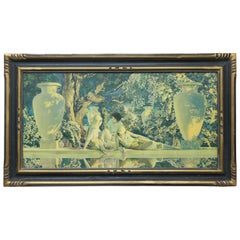
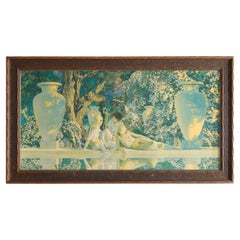
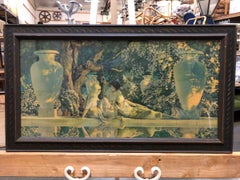
Maxfield Parrish Garden Of Allah
Vintage 1910s American Prints
Paper

Recent Sales
Early 20th Century American Art Deco Prints
Glass, Wood, Paper
Early 20th Century American Art Deco Prints
Paper, Glass, Wood
Early 20th Century American Art Deco Prints
Wood, Glass, Paper
Vintage 1910s North American Prints
Paper
People Also Browsed
2010s Organic Modern Natural Specimens
Coral
Vintage 1950s Mexican Mid-Century Modern Armchairs
Wood
21st Century and Contemporary Mexican Organic Modern Figurative Sculptures
Ceramic, Clay

2010s Argentine Modern Centerpieces
Ceramic, Clay, Pottery, Stoneware
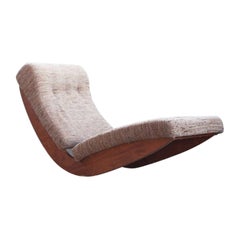
20th Century Mid-Century Modern Lounge Chairs
Walnut, Upholstery
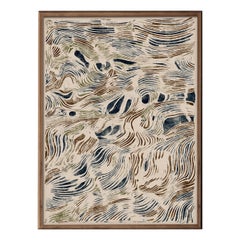
2010s American Modern Contemporary Art
Paper
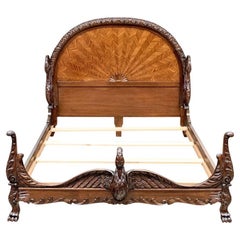
20th Century Art Nouveau Beds and Bed Frames
Mahogany
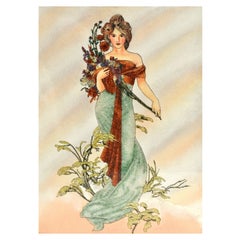
20th Century Art Nouveau Paintings
Multi-gemstone
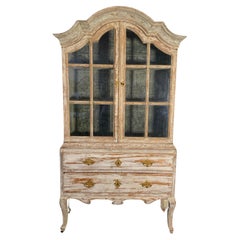
Antique 1770s Swedish Rococo Cabinets
Pine
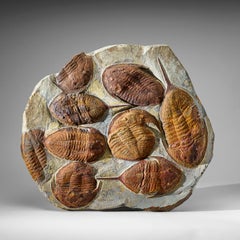
Antique 15th Century and Earlier Moroccan Natural Specimens
Cement, Other
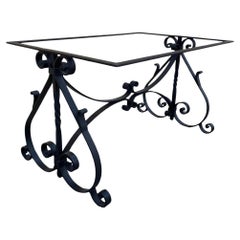
Mid-20th Century Unknown Art Nouveau Dining Room Tables
Wrought Iron
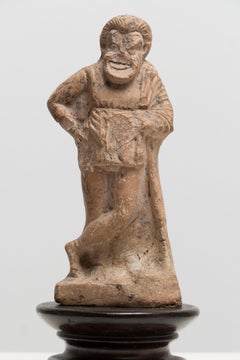
15th Century and Earlier Figurative Sculptures
Terracotta, ABS
Antique Mid-19th Century French French Provincial Cabinets
Brass
Vintage 1920s French Art Deco Vases
Glass
Antique Late 18th Century English George III Prints
Paper
Early 20th Century American Edwardian Prints
Glass, Hardwood
Finding the Right Prints for You
Prints are works of art produced in multiple editions. Though several copies of a specific artwork can exist, collectors consider antique and vintage prints originals when they have been manually created by the artist or are “impressions” that are part of the artist’s intent for the work.
Modern artists use a range of printmaking techniques to produce different types of prints such as relief, intaglio and planographic. Relief prints are created by cutting away a printing surface to leave only a design. Ink or paint is applied to the raised parts of the surface, and it is used to stamp or press the design onto paper or another surface. Relief prints include woodcuts, linocuts and engravings.
Intaglio prints are the opposite of relief prints in that they are incised into the printing surface. The artist cuts the design into a block, plate or other material and then coats it with ink before wiping off the surface and transferring the design to paper through tremendous pressure. Intaglio prints have plate marks showing the impression of the original block or plate as it was pressed onto the paper.
Artists create planographic prints by drawing a design on a stone or metal plate using a grease crayon. The plate is washed with water, then ink is spread over the plate and it adheres to the grease markings. The image is then stamped on paper to make prints.
All of these printmaking methods have an intricate process, although each can usually transfer only one color of ink. Artists use separate plates or blocks for multiple colors, and together these create one finished work of art.
Find prints ranging from the 18th- and 19th-century bird illustrations by J.C. Sepp to mid-century modern prints, as well as numerous other antique and vintage prints at 1stDibs. Browse the collection today and read about how to arrange wall art in your space.