Meiji Blue And White
Antique 1890s Japanese Meiji Ceramics
Porcelain
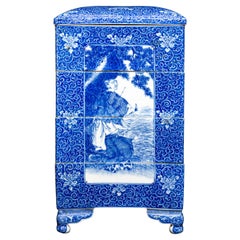
Antique 1890s Japanese Meiji Ceramics
Porcelain
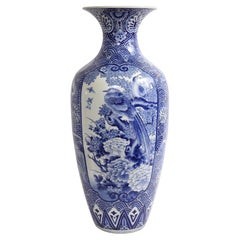
Early 20th Century Japanese Meiji Ceramics
Porcelain


Antique 19th Century Ceramics
Porcelain
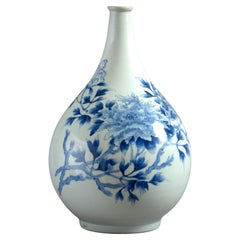
Antique 1880s Japanese Porcelain
Porcelain, Paint
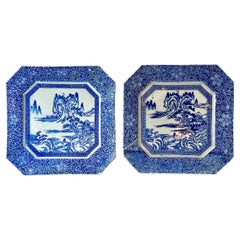
Antique Late 19th Century Japanese Meiji Metalwork
Copper, Enamel
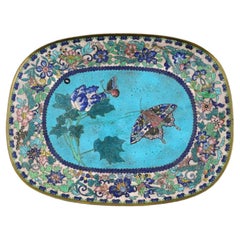
Early 20th Century Japanese Meiji Ceramics
Porcelain

Antique 19th Century Japanese Meiji Decorative Bowls
Porcelain
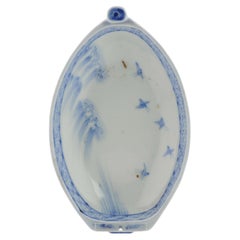
Early 20th Century Japanese Japonisme Ceramics
Porcelain
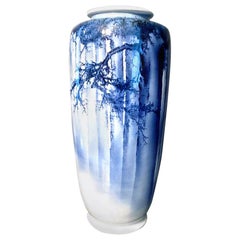
Antique 19th Century Japanese Meiji Vases
Porcelain
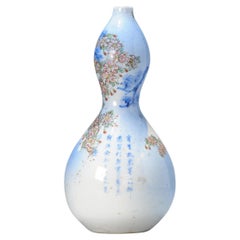
Antique 19th Century Japanese Meiji Decorative Dishes and Vide-Poche
Porcelain
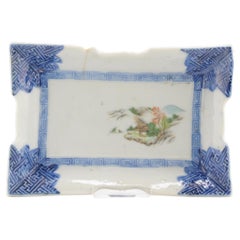
Antique 1880s Japanese Meiji Ceramics
Porcelain
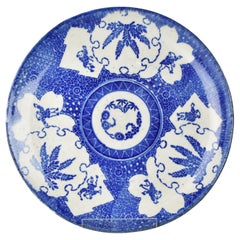
Antique 1860s Japanese Meiji Dinner Plates
Ceramic, Porcelain
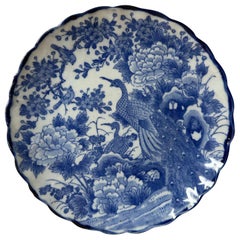
Early 20th Century Ceramics
Porcelain
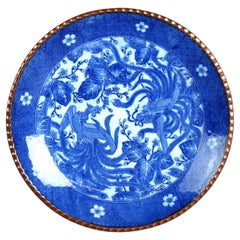
Antique Late 19th Century Japanese Japonisme Decorative Dishes and Vide-...
Porcelain
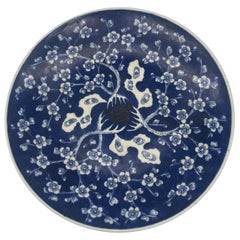
Antique 17th Century Japanese Meiji Planters, Cachepots and Jardinières
Porcelain
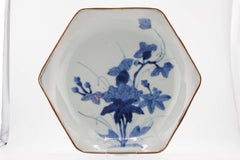
20th Century Antiquities
Porcelain
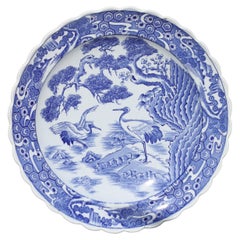
Antique 19th Century Japanese Meiji Ceramics
Earthenware
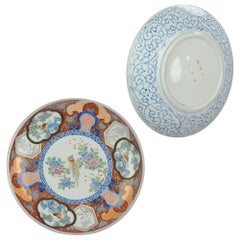
Antique 19th Century Japanese Meiji Decorative Dishes and Vide-Poche
Porcelain
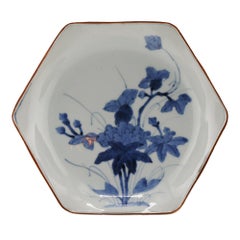
Antique 19th Century Japanese Meiji Planters, Cachepots and Jardinières
Porcelain
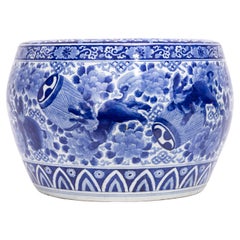
Antique 19th Century Japanese Meiji Ceramics
Porcelain
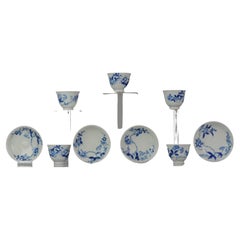
Antique Late 19th Century Jars
Porcelain
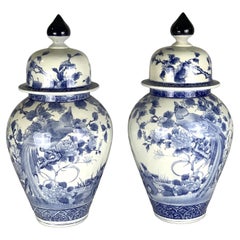
Antique 19th Century Japanese Vases
Porcelain
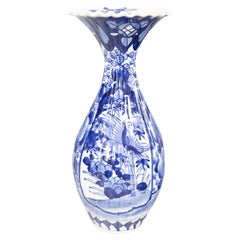
Antique 19th Century Japanese Antiquities
Porcelain
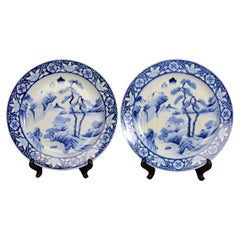
Antique Late 19th Century Japanese Meiji Decorative Dishes and Vide-Poche
Porcelain
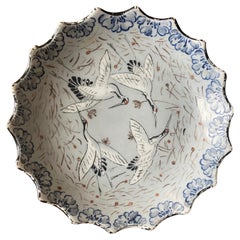
Antique 19th Century Japanese Meiji Vases
Porcelain
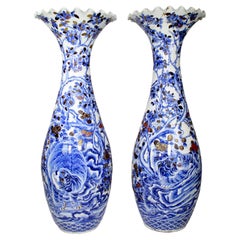
Antique Late 19th Century Japanese Meiji Vases
Enamel
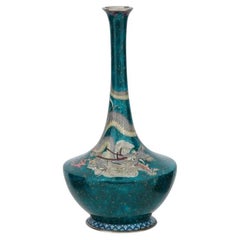
Antique Late 19th Century Japanese Meiji Tableware
Enamel, Brass
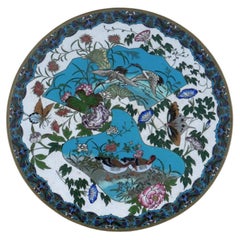
Antique 1890s Japanese Meiji Ceramics
Porcelain
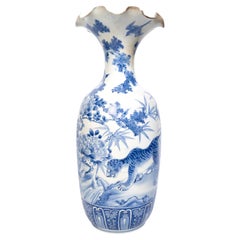
Mid-20th Century Japanese Meiji Ceramics
Porcelain
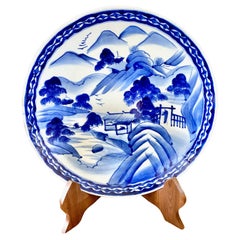
21st Century and Contemporary Japanese Meiji Vases
Porcelain
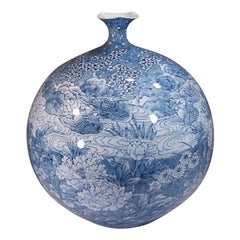
21st Century and Contemporary Japanese Meiji Vases
Porcelain
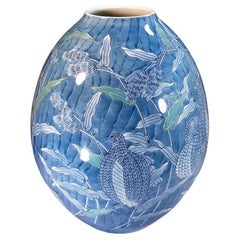
21st Century and Contemporary Japanese Meiji Ceramics
Porcelain
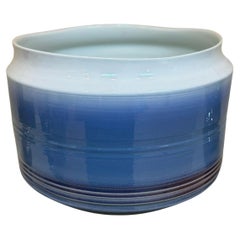
21st Century and Contemporary Japanese Meiji Ceramics
Porcelain
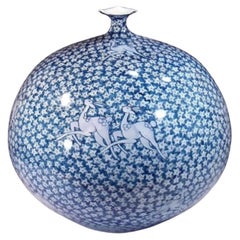
Early 20th Century Asian Meiji Ceramics
Ceramic
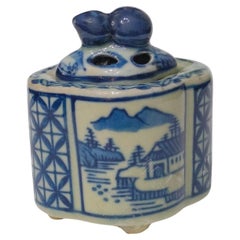
Antique 1880s Japanese Meiji Ceramics
Porcelain
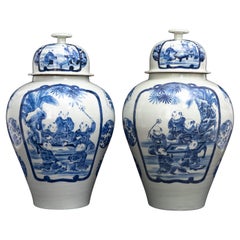
21st Century and Contemporary Japanese Meiji Dinner Plates
Porcelain

Antique Late 19th Century Japanese Decorative Bowls
Porcelain
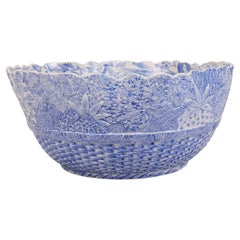
21st Century and Contemporary Japanese Meiji Ceramics
Porcelain
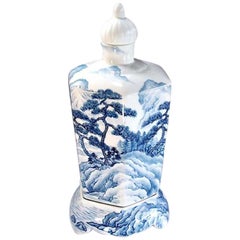
21st Century and Contemporary Japanese Meiji Vases
Porcelain
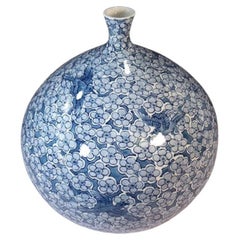
Mid-20th Century Japanese Meiji Platters and Serveware
Porcelain
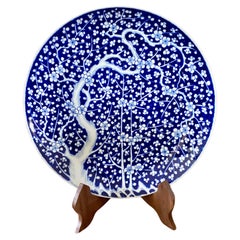
21st Century and Contemporary Japanese Meiji Dinner Plates
Porcelain

21st Century and Contemporary Japanese Meiji Vases
Porcelain
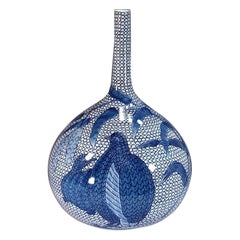
21st Century and Contemporary Japanese Meiji Vases
Porcelain
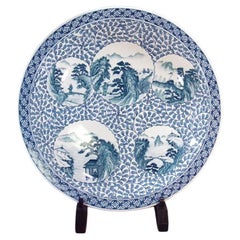
21st Century and Contemporary Japanese Meiji Decorative Dishes and Vide-...
Porcelain
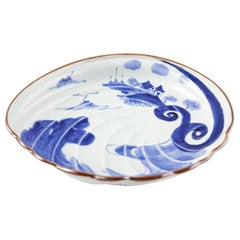
21st Century and Contemporary Japanese Meiji Vases
Porcelain
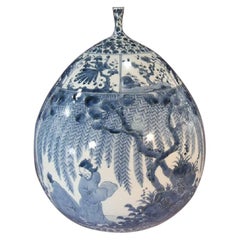
21st Century and Contemporary Japanese Meiji Vases
Porcelain
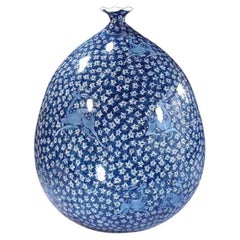
Antique Late 19th Century Japanese Japonisme Vases
Porcelain
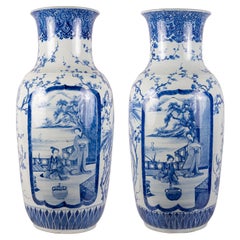
Antique 17th Century Japanese Meiji Ceramics
Porcelain
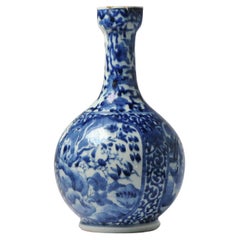
21st Century and Contemporary Japanese Meiji Ceramics
Porcelain
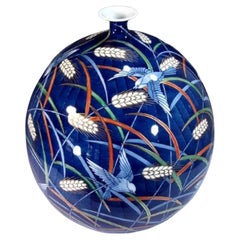
21st Century and Contemporary Japanese Meiji Ceramics
Porcelain
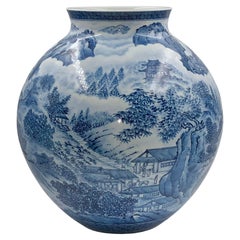
21st Century and Contemporary Japanese Meiji Ceramics
Porcelain
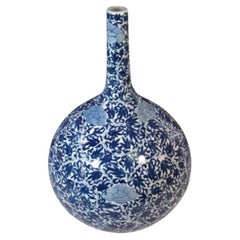
21st Century and Contemporary Japanese Meiji Vases
Porcelain
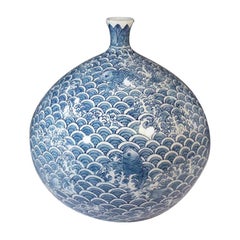
21st Century and Contemporary Japanese Meiji Ceramics
Porcelain
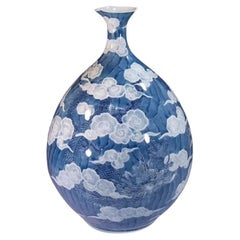
21st Century and Contemporary Japanese Meiji Ceramics
Porcelain
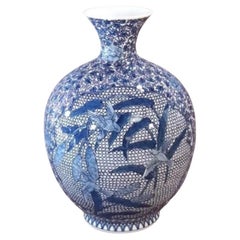
21st Century and Contemporary Japanese Meiji Ceramics
Porcelain
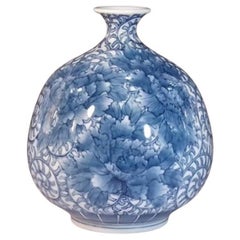
21st Century and Contemporary Japanese Meiji Ceramics
Gold
- 1
Meiji Blue And White For Sale on 1stDibs
How Much is a Meiji Blue And White?
A Close Look at Meiji Furniture
From 1868 to 1912, Emperor Mutsuhito oversaw an era of transformation in Japan. Formerly a country of feudalism and isolation, Japan entered an age of modernization influenced by newly established trade and exchange with the West. The Meiji period, or period of “enlightened rule,” also saw the global impact of the East Asian country’s culture. Japanese Meiji furniture was exhibited at expositions from Paris to San Francisco and created for export.
Prior to the Meiji era, furniture was mostly made by commission for the ruling class; now there were new domestic and international markets. European styles like Japonisme appropriated Japanese design while craftsmen in places like Wales and England employed japanning, a varnishing technique that approximated the appearance of lacquer for the surfaces of furnishings.
Meiji furniture made for Japanese homes and buildings constructed in Western styles resulted in taller tables, chairs, cabinets with large drawers and other features. The government invested in areas such as transportation and communication, and because people could freely choose occupations after the restrictions of feudalism, industries of various types were energized by expressive new ideas during those years. Art schools were formed and, for the first time, design was an area of study in the country, leading to the evolution of professional design as a career by the 1890s.
The work of Japanese designers was transmitted widely through lavishly illustrated pattern books that included designs for screens and lacquerware for the home. While screens today may be of use as decorative accents or partitions to ensure privacy in one’s space, Japanese screens were adorned with paintings and were featured in performing arts such as concerts, tea ceremonies and more. The color illustrations that characterize Meiji woodblock prints, a genre of Japanese art that grew out of 17th-century developments in printing and book publishing, depicted the sweeping changes that the era brought to East Asia.
Although it was a time of societal and cultural shifts, a bolstered interest in art and design elevated Japanese craft traditions. From colorful porcelain table lamps with silk shades and hardwood tables decorated with dark lacquer to cabinets featuring iron hardware and inlaid with mother-of-pearl, Meiji furniture showcased Japan’s artistic heritage to the world.
Find a collection of antique Japanese Meiji period case pieces and storage cabinets, decorative objects, wall decorations and more furniture on 1stDibs.
- 1stDibs ExpertOctober 19, 2021Blue and white china is also referred to as blue and white pottery or blue and white porcelain. Chinese export porcelain has a long history. This work has long been a part of trade between East Asia and the West, and it is rooted in the days of the Silk Road. The porcelain is decorated under a glaze with cobalt oxide, which gives it a blue color. Find a collection of antique and vintage blue and white pottery on 1stDibs today.
- 1stDibs ExpertApril 5, 2022There are many different styles of pottery that use blue and white in their designs. The most popular blue and white porcelain from China is known as Qinghua. The style originated during the Yuan dynasty and evolved through several centuries. The technique uses blue pigment underglaze to decorate white porcelain. Shop a selection of blue and white vases and porcelain pieces on 1stDibs.
- 1stDibs ExpertNovember 2, 2021Blue and white china is also referred to as blue and white pottery or blue and white porcelain. Chinese export porcelain has long been a part of trade between East Asia and the West, and it is rooted in the days of the Silk Road. Blue patterns are painted over the white pottery, and the porcelain is decorated under a glaze with cobalt oxide, which gives it a blue color. Find a collection of antique and vintage blue and white pottery on 1stDibs today.
- 1stDibs ExpertApril 5, 2022How old blue and white pottery is depends on its type. Asian blue and white pottery may date back all the way to the 14th century or be much newer. Delftware pottery came into production during the 16th century. Shop a large selection of blue and white pottery on 1stDibs.
- 1stDibs ExpertFebruary 22, 2021Blue and white porcelain is often called Delftware, though there are many other types as well. This type of porcelain is so popular and has remained so over time because the blue pigment can withstand the high temperature needed to fire the pieces.
- 1stDibs ExpertApril 5, 2022Chinese blue and white porcelain is the most common type of decorated porcelain. Its name in Chinese is qinghua. On 1stDibs, you’ll find a collection of antique and modern Chinese blue and white porcelain from some of the world’s top sellers.
- 1stDibs ExpertAugust 17, 2021The blue and white ceramic pieces are called Delftware or faience. Delftware is a type of tin-glazed earthenware in which a white glaze is applied and then decorated with a metal oxide, such as a cobalt oxide, which gives this pottery its gorgeous blue color. Shop beautiful Delftware and faience pieces on 1stDibs.
- 1stDibs ExpertApril 5, 2022In China, the art of making white porcelain with local kaolin produced attractive pieces with a luxe white finish. When they learned that cobalt oxide was the only pigment that could withstand the high firing temperatures of porcelain, a new type of ceramic entered the market. Blue and white porcelain first appeared in the 14th century in China. This technique worked its way across the globe. Shop a collection of expertly vetted porcelain from some of the world’s top sellers on 1stDibs.
- 1stDibs ExpertApril 5, 2022Antique blue and white china are known as Flow Blue. Flow Blue was popular during the Victorian era and is still highly coveted by collectors for its eye-catching design and hazy patterns. Browse a wide selection of authentic Flow Blue dishware and serve ware on 1stDibs.
- 1stDibs ExpertApril 5, 2022Blue and white Chinese pottery is called Qinghua, and is amongst China’s most famous china. It is characterized by its underglaze ceramic finish, decorated with ornate cobalt blue pigment. On 1stDibs, find a collection of authentic Qinghua porcelain from some of the world’s top sellers.
- 1stDibs ExpertMarch 22, 2022Chinese blue and white porcelain is called qinghua, pronounced “CHING-hwa.” Artisans first began producing the porcelain during the Tang and Song dynasties ranging from 609 to 1279. However, the techniques the pottery is most well known for weren't developed until the subsequent Ming era, which lasted until 1644. You'll find a collection of Chinese porcelain on 1stDibs.
- 1stDibs ExpertApril 5, 2022Dutch blue and white ceramic dishes are called Delftware. Made in the Netherlands, the dishes are hand-painted and glazed using a centuries-old process involving clay and multiple glazes. Each piece is one-of-a-kind. You can shop a collection of Delftware from some of the world’s top sellers on 1stDibs.