Mexican Art Populaire Chair
Vintage 1970s Mexican Folk Art Dining Room Chairs
Leather, Wood


Mid-20th Century Mexican Dining Room Chairs
Wood
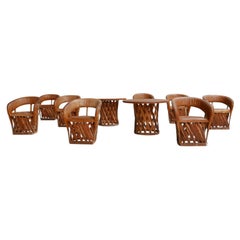
Vintage 1970s Mexican Folk Art Dining Room Sets
Leather, Wood
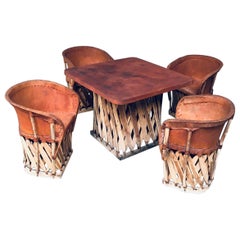
Recent Sales
Vintage 1970s Mexican Folk Art Dining Room Chairs
Wood
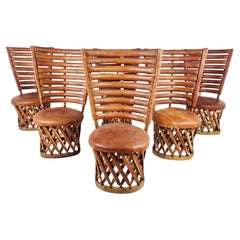
Vintage 1970s Mexican Folk Art Dining Room Chairs
Leather, Wood
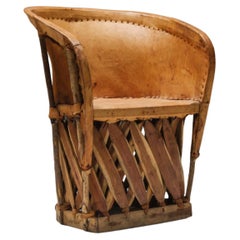
People Also Browsed
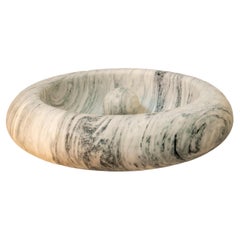
2010s Italian Post-Modern Bathroom Fixtures
Marble
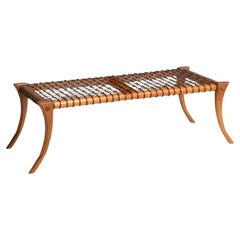
2010s Italian Greek Revival Benches
Leather, Walnut
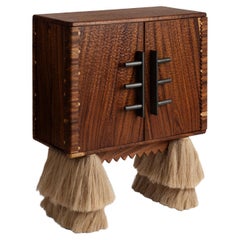
2010s Mexican Modern Cabinets
Steel
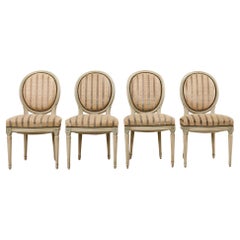
20th Century French Louis XVI Dining Room Chairs
Brass
2010s American Organic Modern Vases
Ceramic, Cotton
21st Century and Contemporary American Mid-Century Modern Wall Lights an...
Brass
21st Century and Contemporary Portuguese Art Deco Armchairs
Stainless Steel, Brass
2010s American Modern Stools
Sheepskin, Wood, Oak
2010s American Organic Modern Decorative Art
Ceramic, Stoneware, Linen
20th Century American Native American Objects
Pottery
Vintage 1960s Spanish Mid-Century Modern Lounge Chairs
Brass
21st Century and Contemporary Italian Art Deco Wall Lights and Sconces
Blown Glass
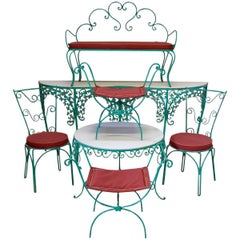
Mid-20th Century French Art Deco Patio and Garden Furniture
Stone, Wrought Iron
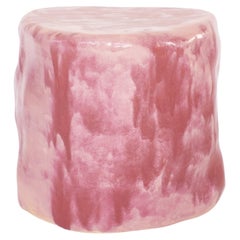
21st Century and Contemporary Portuguese Modern Side Tables
Ceramic, Clay
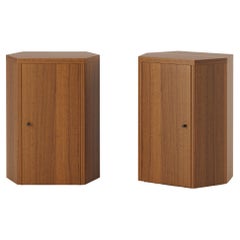
2010s South African Minimalist Pedestals
Wood
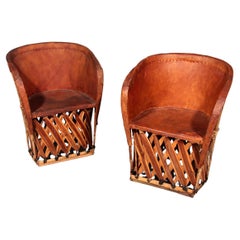
Vintage 1970s Spanish Mid-Century Modern Armchairs
Leather, Bamboo, Wood
A Close Look at Folk-art Furniture
Folk art is a genre of art that shares the creator’s traditions, offering not just an artistic display but an opportunity to learn about a culture. Antique, new and vintage folk art typically reflects a heritage or location. It can include utilitarian objects and handmade art as diverse as weather vanes, duck decoys, portraiture and paintings, carnival art and quilts.
Quilts are a quintessential part of American folk art but their roots are international, with quilting dating back to Ancient Egypt. The practice spread to Europe and was especially prominent in the Middle Ages, with one of the oldest surviving examples being the Tristan quilt made in Sicily in the 14th century. They were made as bedcovers and clothing, including as a layer for knights to wear beneath their armor. Native American folk art includes functional objects reflecting their heritage, such as baskets, textiles and wooden pieces.
Elsewhere, the vast range of work associated with Mexican folk art includes masks made by Mexican craftspeople for traditional celebrations and ceremonial dances. Mexican masks are part of the country’s folk-art traditions that go back thousands of years and play a role in festivals and theater.
Works in the folk art tradition are valuable because of the skills involved, like weaving, hand-carving wood and even stonework. Many folk artists are self-taught, while some train as apprentices within their community. By using available materials and taking a personal approach to their creations, artists ensure each piece is unique and conveys a story.
During the Great Depression, artistic materials in America were hard to come by, so artisans used discarded wood from cigar boxes and shipping crates to make highly stylized, notched pieces — most often picture frames and boxes — that are today sought after by collectors. This folk art style is called tramp art and was popular from roughly 1870 until the 1940s.
Folk art brings vibrant culture and traditions into your home. Browse an extensive collection of antique, new and vintage folk art on 1stDibs.
Finding the Right Dining-room-chairs for You
No matter what your dream dining experience looks like, there is a wide-ranging variety of vintage, new and antique dining room chairs on 1stDibs. Find upholstered dining room chairs, wood dining room chairs and more to outfit any space designated for a good meal, be it in your home or in the great outdoors.
In the early 18th century, most dining room tables and other furniture was designed to look masculine. In America, dining rooms weren’t even much of a concept until the late 1700s, when a space set aside specifically for dining became a part of the construction of homes for the wealthy. Dining room chairs of the era were likely made of walnut or oak. In Europe, neoclassical dining chairs emerged during the 1750s owing to nostalgia for classical antiquity, while the curving chair crests of Queen Anne furniture in the United States preceded the artistically bold seat backs that characterized the Chippendale chairs that followed. If there weren't enough dining chairs at suppertime in the American colonies, men were prioritized and women stood.
In the dining rooms of today, however, there is enough space for everyone to have a seat at the table. Modern styles introduce innovative design choices that play with shape and style. Icons of mid-century modern dining room chairs are plentiful: With its distinctive bentwood back, there is the DCW dining chair by Charles and Ray Eames, while Hans Wegner's timeless classic, the Wishbone chair, remains relevant and elegant decades after its debut. Stefano Giovannoni's White Rabbit dining chairs, in their lovable polyethylene biomorphism, reinvent what dining can look like.
Today's wide range of dining room chairs also means that they can now be styled in different ways, bringing functionality and fun to any sumptuous dining space. No longer do tables have to be accompanied by a matching set of seats. Skillfully mixing and matching colors and designs allows you to showcase your personality without sacrificing the cohesion of a given space.
By furnishing your dining room with cozy chairs — vintage, antique or otherwise — family time can extend far beyond mealtime. The plush upholstery of Victorian-style dining room chairs is perfect for game nights that stretch from dinner to midnight snack. Outdoor tables and dining chairs can also present an excellent opportunity for bonding and eating — what goes better with a delicious meal than fresh air, anyway?
Whether you prefer your chairs streamlined and stackable or ornate and one of a kind, the offerings on 1stDibs will elevate your mealtime and beyond.