Mexican Man Nude
1970s Surrealist Nude Photography
Archival Ink, Archival Paper, Archival Pigment

People Also Browsed
Early 20th Century English Victorian Windows
Lead
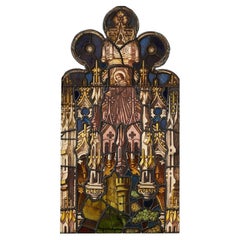

Early 20th Century English Victorian Windows
Lead
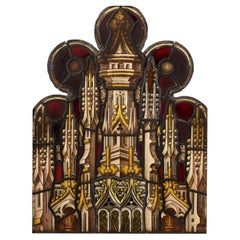
Early 20th Century Italian Statues
Marble
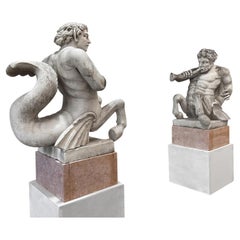
Vintage 1930s French Art Deco Desks and Writing Tables
Opaline Glass, Wood, Lacquer, Rosewood
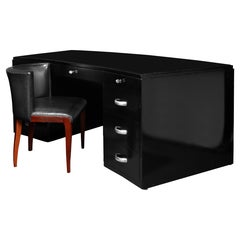
Antique Late 19th Century English Victorian Windows
Lead
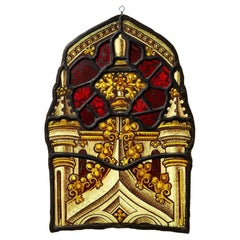
Antique Late 19th Century English Victorian Windows
Glass, Stained Glass
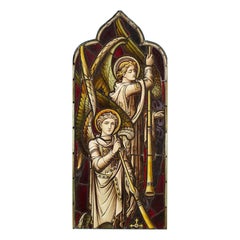
Antique Early 17th Century English Medieval Windows
Lead
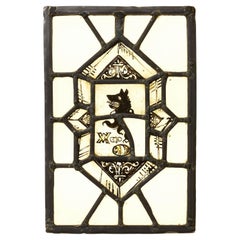
Antique Mid-19th Century English Country Windows
Lead
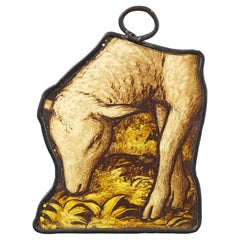
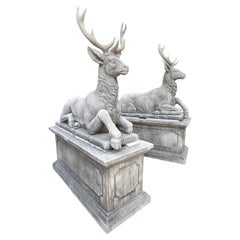
21st Century and Contemporary Italian Statues
Stone, Limestone
Antique Late 19th Century English Victorian Windows
Glass, Stained Glass
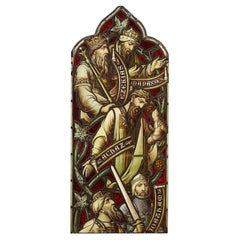
Early 20th Century English Victorian Windows
Lead

Antique Late 19th Century English Victorian Windows
Glass, Stained Glass, Wood, Pine
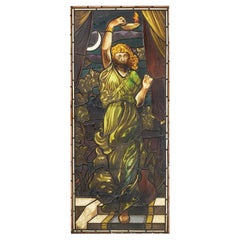
Antique Late 19th Century English Victorian Windows
Glass, Stained Glass
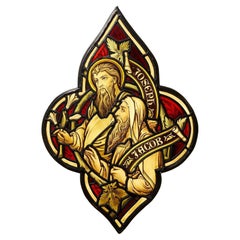
Antique Late 19th Century English Victorian Windows
Glass, Stained Glass
20th Century French Floor Lamps
Crystal

20th Century French Art Nouveau Grandfather Clocks and Longcase Clocks
Marble, Ormolu
Mexican Man Nude For Sale on 1stDibs
How Much is a Mexican Man Nude?
Mitchell Funk for sale on 1stDibs
Mitchell Funk is a pioneer of color photography. In 1970, he participated in one of the first color photography shows at the Brooklyn Museum titled “Images en Couleur." In 1971, he was included in the visionary books Frontiers of Photography and Color (Life Library of Photography), both published by Time-Life. He has done more than 50 photography magazine covers, including covers for Newsweek and Life.
A Close Look at Surrealist Art
In the wake of World War I’s ravaging of Europe, artists delved into the unconscious mind to confront and grapple with this reality. Poet and critic André Breton, a leader of the Surrealist movement who authored the 1924 Surrealist Manifesto, called this approach “a violent reaction against the impoverishment and sterility of thought processes that resulted from centuries of rationalism.” Surrealist art emerged in the 1920s with dreamlike and uncanny imagery guided by a variety of techniques such as automatic drawing, which can be likened to a stream of consciousness, to channel psychological experiences.
Although Surrealism was a groundbreaking approach for European art, its practitioners were inspired by Indigenous art and ancient mysticism for reenvisioning how sculptures, paintings, prints, performance art and more could respond to the unsettled world around them.
Surrealist artists were also informed by the Dada movement, which originated in 1916 Zurich and embraced absurdity over the logic that had propelled modernity into violence. Some of the Surrealists had witnessed this firsthand, such as Max Ernst, who served in the trenches during World War I, and Salvador Dalí, whose otherworldly paintings and other work responded to the dawning civil war in Spain.
Other key artists associated with the revolutionary art and literary movement included Man Ray, Joan Miró, René Magritte, Yves Tanguy, Frida Kahlo and Meret Oppenheim, all of whom had a distinct perspective on reimagining reality and freeing the unconscious mind from the conventions and restrictions of rational thought. Pablo Picasso showed some of his works in “La Peinture Surréaliste” — the first collective exhibition of Surrealist painting — which opened at Paris’s Galerie Pierre in November of 1925. (Although Magritte is best known as one of the visual Surrealist movement’s most talented practitioners, his famous 1943 painting, The Fifth Season, can be interpreted as a formal break from Surrealism.)
The outbreak of World War II led many in the movement to flee Europe for the Americas, further spreading Surrealism abroad. Generations of modern and contemporary artists were subsequently influenced by the richly symbolic and unearthly imagery of Surrealism, from Joseph Cornell to Arshile Gorky.
Find a collection of original Surrealist paintings, sculptures, prints and multiples and more art on 1stDibs.
Finding the Right Landscape-photography for You
Since the introduction of photography in the 19th century, it has been used to show the earth’s diverse landscapes. Modern and contemporary landscape photography continues to capture scenes of landscapes from around the world while becoming much more exploratory.
Historically, artists have played a key role in landscape preservation. Early 20th-century landscape photography provided a powerful argument for the establishment of the U.S. National Park Service a century ago, and iconic national park shots by Ansel Adams and Eliot Porter captured the public’s imagination and fueled conservation efforts.
The world of landscape photography has grown far more experimental in the last several decades, bolstered by innovative techniques and creative talents. Abstract landscape photography is often a thought-provoking exploration of bold, bleeding colors. To understand just how abstract these images can be, look no further than Jean-François Rauzier's outstanding landscape compositions.
A simpler style is offered by minimalist landscape photography and its subdued tones. These pieces tend to imbue their surroundings with a sense of serenity, making them an excellent addition to bedrooms and quiet living rooms. And like any other works of art that you’ve brought into your home, there are many ways to arrange photography in a space. Small areas, for example, are ideal for displaying more petite pieces. These can also be positioned in a cluster as a gallery wall. You can stand framed landscape photography on an easel, a mantelpiece, floating shelves or on the floor leaning against a wall.
Browse exquisite landscape photography on 1stDibs today and find an eye-catching image to complement any home or collection.