Ming Bronze Guanyin
Antique Early 1600s Chinese Ming Sculptures and Carvings
Bronze
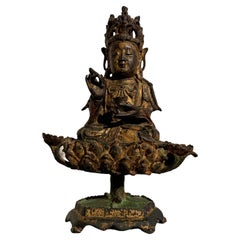

Recent Sales
Antique 16th Century Chinese Ming Figurative Sculptures
Bronze
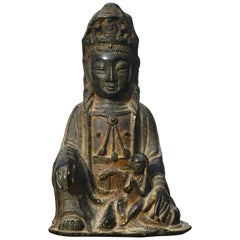
Antique 16th Century Chinese Ming Figurative Sculptures
Bronze
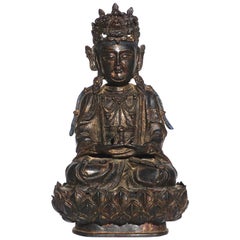
Antique 15th Century and Earlier Chinese Ming Sculptures and Carvings
Bronze
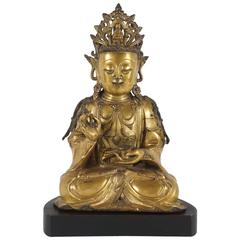
Antique 17th Century Chinese Ming Metalwork
Bronze
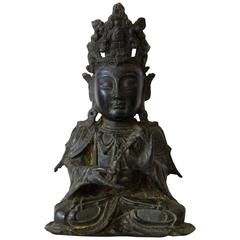
Antique 17th Century Chinese Ming Metalwork
Bronze
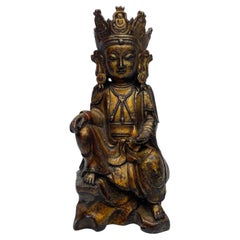
Antique Early 17th Century Chinese Ming Metalwork
Bronze
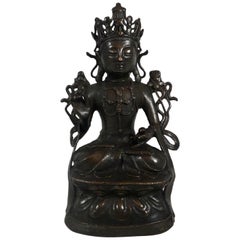
People Also Browsed
21st Century and Contemporary American Mid-Century Modern Credenzas
Walnut
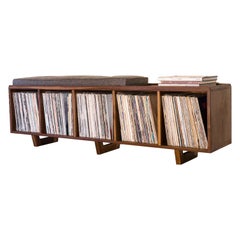
Vintage 1950s Chinese Chinese Export Ceramics
Porcelain
Early 20th Century Chinese Chinese Export Ceramics
Porcelain
Antique 19th Century Chinese Jars
Crystal, Other
Early 20th Century Chinese Screens and Room Dividers
Wood
20th Century Chinese Export Ceramics
Porcelain
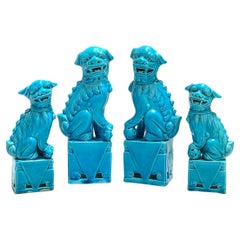
Antique Mid-19th Century English Victorian Tables
Other
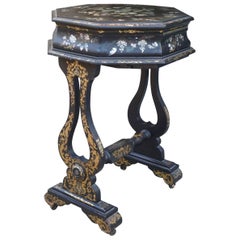
Antique Late 19th Century Chinese Table Lamps
Porcelain
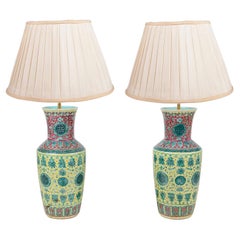
Antique 19th Century Japanese Table Lamps
Bronze
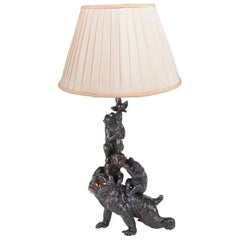
Early 20th Century Indonesian Metalwork
Brass
Mid-20th Century Japanese Showa Sofa Tables
Plywood
Antique 19th Century Chinese Qing Metalwork
Brass, Bronze
Antique Late 19th Century Japanese Table Lamps
Porcelain
Antique Mid-19th Century English Dessert Tables and Tilt-top Tables
Lacquer
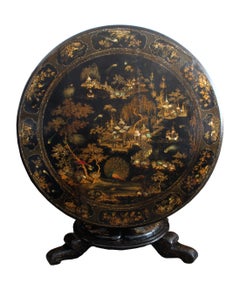
Antique 15th Century and Earlier Cambodian Tribal Antiquities
Sandstone
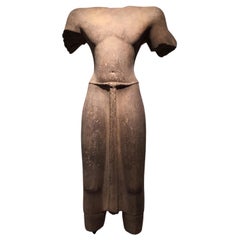
Late 20th Century Burmese Sculptures and Carvings
Bronze
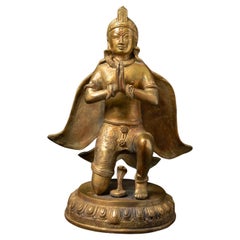
A Close Look at Ming Furniture
In what’s considered a golden age of Chinese furniture, Ming dynasty artisans produced expertly made designs that married elegance and function. Ming furniture was versatile, such as tables that doubled as writing desks and dining spaces. But it was also beautiful, enhancing a room with clean lines, soft curves and sophisticated decoration.
Dating from 1368 to 1644, the Ming dynasty was a vibrant time for international trade and culture. Especially for scholars and the wealthy, there was an emphasis on a home’s design to promote a good life. From large wardrobes to angular sofas, Ming-style furniture was defined by its joinery, which, instead of nails, involved meticulously designed interlocking elements of wood. This material was carefully selected and positioned to make the grain part of the design. The slow-growing huanghuali, a yellowish rosewood, was particularly valued for its bright color.
Although ornamentation was minimal, Ming dynasty furniture often featured carved or painted details of flowers, insects, dragons, fruits and other motifs. Chairs crafted for scholars could include calligraphic brush writing. As overseas trade expanded, techniques from the West, like cloisonné enamel painting, adorned table screens and other pieces.
Ming furniture influenced styles abroad such as Queen Anne in England and Hollywood Regency in the United States. The curved shape of Ming armchairs had a profound impact on legendary Scandinavian modernist furniture designer Hans Wegner. The Danish cabinetmaker shared the Ming artisans’ interest in creating streamlined, functional furnishings, and his China chair, Round chair and Wishbone chair are inspired by Ming dynasty seating. Today, the Ming-style horseshoe chair is a graceful and sought-after type of seat, and contemporary Chinese designers such as Jerry Chen and Gan Erke are also drawing on this heritage for a new era of style.
Find a collection of Ming cabinets, decorative objects, lounge chairs and other furniture on 1stDibs.