Ming Carved Wood
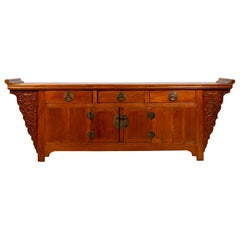
Early 20th Century Chinese Ming Furniture
Brass

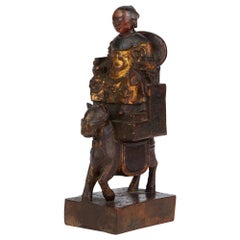
Antique Mid-17th Century Chinese Ming Sculptures and Carvings
Wood
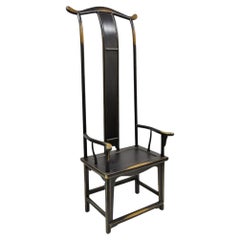
21st Century and Contemporary Chinoiserie Armchairs
Wood
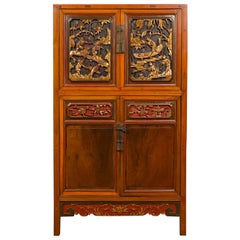
Antique 19th Century Chinese Ming Cabinets
Wood
Late 20th Century Chinese Ming Armchairs
Wood
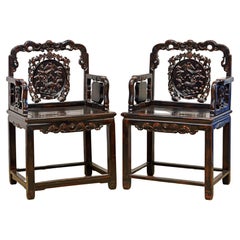
Antique 16th Century Chinese Ming Paintings and Screens
Wood
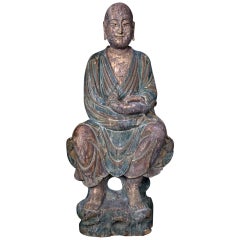
Early 20th Century Chinese Ming Wardrobes and Armoires
Brass
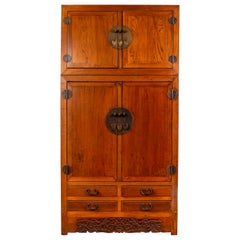
20th Century Chinese Ming Chairs
Wood, Lacquer
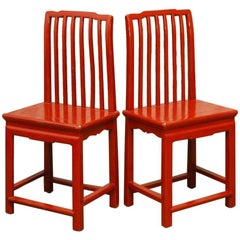
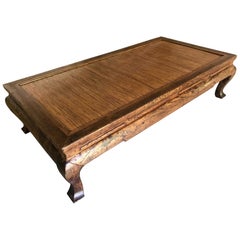
Antique 19th Century Chinese Ming Daybeds
Bamboo, Wood
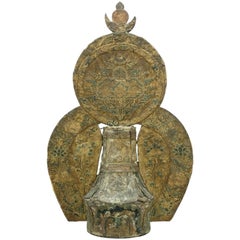
Antique 17th Century Tibetan Ming Sculptures and Carvings
Wood
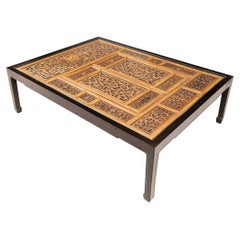
20th Century Ming Coffee and Cocktail Tables
Wood
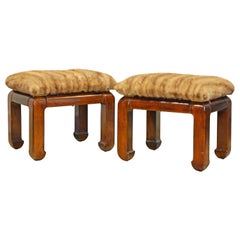
Late 20th Century Taiwanese Chinoiserie Benches
Brass
Antique Late 19th Century Chinese Ming Furniture
Wood
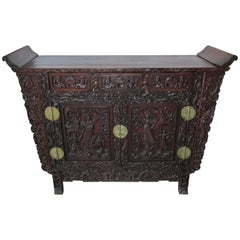
Antique Early 18th Century Chinese Ming Sculptures and Carvings
Steel
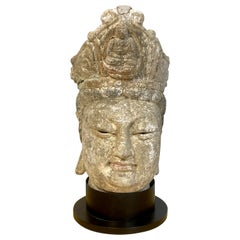
Antique Mid-17th Century Chinese Ming Sculptures and Carvings
Wood
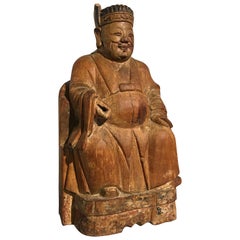
Antique Mid-19th Century Chinese Ming Furniture
Wood
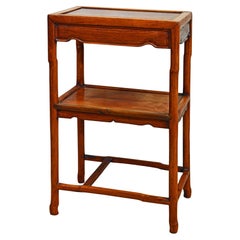
Early 20th Century Chinese Ming Armchairs
Rattan, Wood
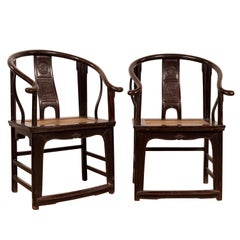
Antique Late 19th Century Chinese Ming Benches
Wood
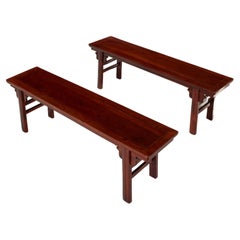
Early 20th Century Chinese Ming Side Tables
Wood
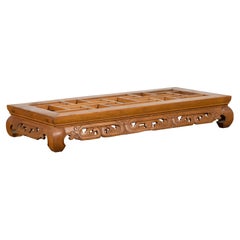
Early 20th Century Chinese Ming Console Tables
Wood
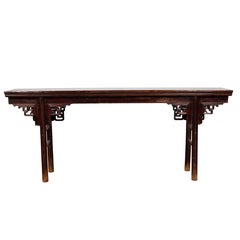
Early 20th Century Asian Ming Furniture
Wood
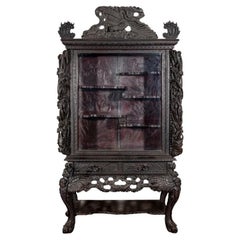
20th Century Chinese Chinese Export Furniture
Wood
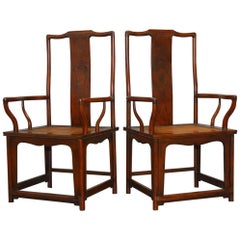
20th Century Chinese Ming Daybeds
Wood
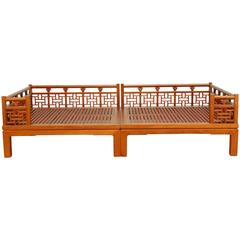
Antique 19th Century Chinese Ming Scholar s Objects
Stone
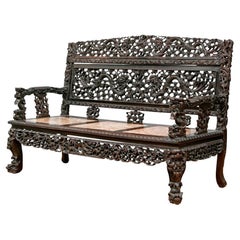
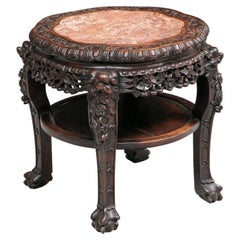
Early 20th Century Chinese Ming Furniture
Marble
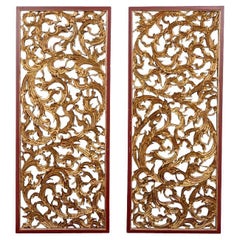
Early 20th Century Chinese Ming Paintings and Screens
Wood
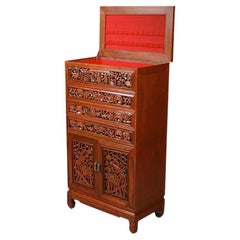
Antique 19th Century Southeast Asian Ming Commodes and Chests of Drawers
Brass
Antique 19th Century Chinese Ming Furniture
Wood
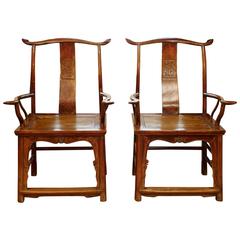
20th Century Asian Ming Furniture
Wood
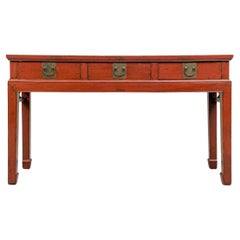
20th Century Chinese Ming Furniture
Wood
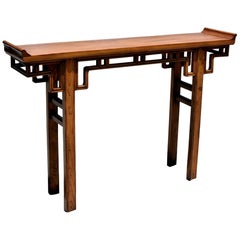
Antique 19th Century Chinese Ming Furniture
Wood
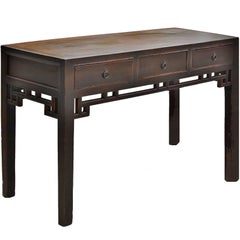
Early 20th Century Chinese Ming Furniture
Wood
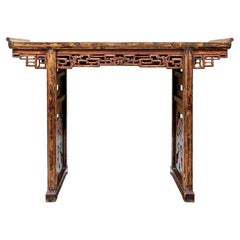
20th Century Chinese Ming Furniture
Wood
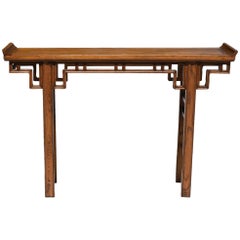
Early 20th Century Chinese Ming Paintings and Screens
Wood
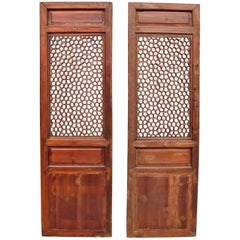
Late 20th Century Chinese Ming Abstract Sculptures
Stone
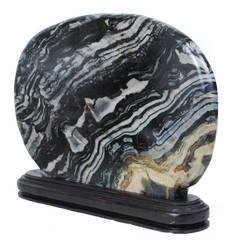
20th Century American Ming Console Tables
Wood
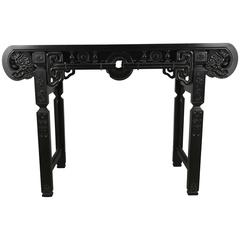
Antique 16th Century Chinese Ming Sculptures and Carvings
Hardwood
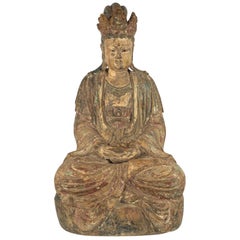
Antique Early 17th Century Chinese Sculptures and Carvings
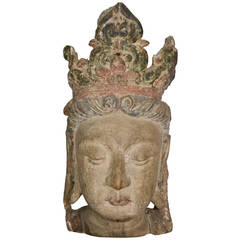
Antique 19th Century Chinese Ming Furniture
Wood
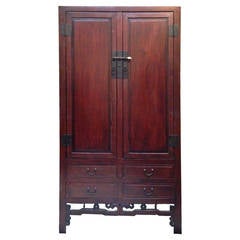
20th Century Chinese Ming Furniture
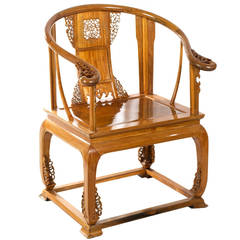
Antique 18th Century and Earlier Chinese Sculptures
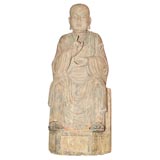
Antique 18th Century Chinese Chinese Export Figurative Sculptures
Boxwood
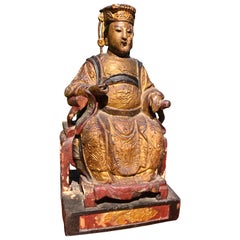
20th Century Chinese Ming Furniture
Wood
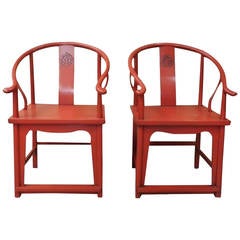
Antique 1780s Chinese Ming Antiquities
Wood
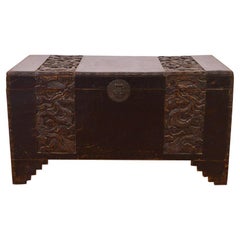
Early 20th Century Chinese Ming Furniture
Wood
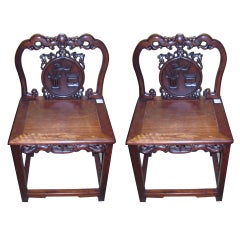
Early 20th Century Chinese Ming Furniture
Glass, Wood
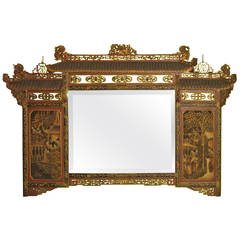
Antique Late 19th Century Chinese Ming Side Chairs
Rosewood, Wood
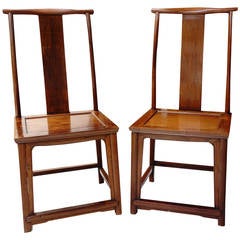
Antique Early 19th Century Chinese Ming Furniture
Elm
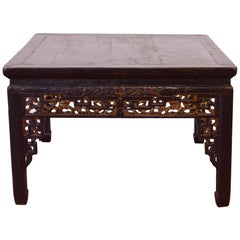
Antique 18th Century and Earlier Sculptures
Wood, Paint
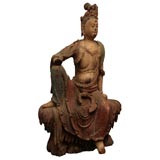
20th Century American Hollywood Regency Ottomans and Poufs
Wood
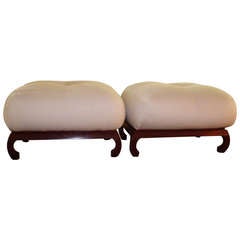
Antique 15th Century and Earlier Chinese Ming Antiquities
Wood
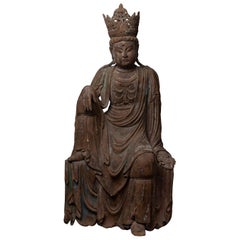
Antique 19th Century Chinese Ming Paintings and Screens
Wood
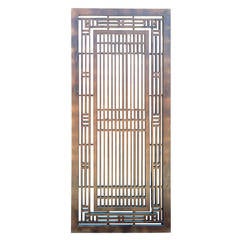
Antique Late 19th Century Chinese Ming Lacquer
Wood
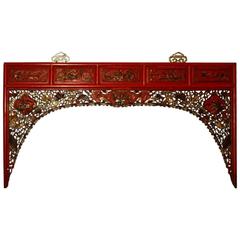
Antique 19th Century Chinese Ming Furniture
Lacquer, Wood
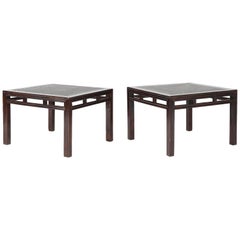
- 1
Ming Carved Wood For Sale on 1stDibs
How Much is a Ming Carved Wood?
A Close Look at Ming Furniture
In what’s considered a golden age of Chinese furniture, Ming dynasty artisans produced expertly made designs that married elegance and function. Ming furniture was versatile, such as tables that doubled as writing desks and dining spaces. But it was also beautiful, enhancing a room with clean lines, soft curves and sophisticated decoration.
Dating from 1368 to 1644, the Ming dynasty was a vibrant time for international trade and culture. Especially for scholars and the wealthy, there was an emphasis on a home’s design to promote a good life. From large wardrobes to angular sofas, Ming-style furniture was defined by its joinery, which, instead of nails, involved meticulously designed interlocking elements of wood. This material was carefully selected and positioned to make the grain part of the design. The slow-growing huanghuali, a yellowish rosewood, was particularly valued for its bright color.
Although ornamentation was minimal, Ming dynasty furniture often featured carved or painted details of flowers, insects, dragons, fruits and other motifs. Chairs crafted for scholars could include calligraphic brush writing. As overseas trade expanded, techniques from the West, like cloisonné enamel painting, adorned table screens and other pieces.
Ming furniture influenced styles abroad such as Queen Anne in England and Hollywood Regency in the United States. The curved shape of Ming armchairs had a profound impact on legendary Scandinavian modernist furniture designer Hans Wegner. The Danish cabinetmaker shared the Ming artisans’ interest in creating streamlined, functional furnishings, and his China chair, Round chair and Wishbone chair are inspired by Ming dynasty seating. Today, the Ming-style horseshoe chair is a graceful and sought-after type of seat, and contemporary Chinese designers such as Jerry Chen and Gan Erke are also drawing on this heritage for a new era of style.
Find a collection of Ming cabinets, decorative objects, lounge chairs and other furniture on 1stDibs.
- What is Chinese wood carving?1 Answer1stDibs ExpertApril 5, 2022A Chinese wood carving is a decorative object carved by hand by Chinese artisans out of local wood, such as nanmu, zitan, bomu or yinxing. This form of sculpture is sometimes called mudiao. On 1stDibs, find a range of Chinese wood carvings.
- What is Jepara wood carving?1 Answer1stDibs ExpertApril 5, 2022Jepara wood carving is the intricate wood carving art that comes from the city of Jepara in Indonesia. Artisans typically work with teak wood to create beautiful carved detail and scenes in a piece of furniture. Shop a collection of Jepara wood carvings on 1stDibs.
- What is a Paete wood carving?1 Answer1stDibs ExpertMay 5, 2023A Paete wood carving is a decorative wooden object produced by artisans in Paete, Philippines. In 2005, the village was officially dubbed the Woodcarving Capital of the Philippines due to the intricate sculptures and statues produced there. Shop a variety of wood art from some of the world’s top galleries on 1stDibs.
- What is Japanese wood carving?1 Answer1stDibs ExpertApril 5, 2022Japanese wood carving is an art form in which artists produce intricate figurines and other objects by cutting and shaping blocks of zelkova, camphor or paulownia wood. In Japanese, the artwork is known as inami. Find a selection of Japanese wood carvings on 1stDibs.
- 1stDibs ExpertNovember 4, 2024To identify wood carvings, get a magnifying glass and inspect your items. Some artisans marked their carvings with symbols or signed them. Researching any markings found on your carving may allow you to identify the maker who produced it and potentially learn more about the piece from there. If you're unable to find a maker's mark, the best approach is likely to use the services of a certified appraiser or other knowledgeable expert. On 1stDibs, explore a selection of wood carvings.
- 1stDibs ExpertApril 5, 2022There are many methods and types of wood carving, including chip, relief, Scandinavian flat-plane, lovespoon, whittling and florentine. Each type uses different tools and can create decorative carvings on both display pieces and furniture. Browse a wide range of carved wood pieces on 1stDibs.
- 1stDibs ExpertApril 5, 2022Antique carved wood can be identified by how it is made. Antique carvings were done by hand, so nicks and cuts will indicate carvings completed with a plane or knife. In addition, hand-carved wood will not be uniform or have perfect symmetry. Always works with a certified appraiser to determine the exact date and value of an item. Find a variety of antique carved wood furniture and decor on 1stDibs.
- 1stDibs ExpertJune 15, 2023To tell if wood is hand-carved, first look for small marks in the wood that indicate hand tools were used to cut and shape the material. Hand-carved pieces may also have small irregularities, particularly along curved areas. However, it may be very difficult to tell the difference between machine-worked and hand-carved pieces in some cases. On 1stDibs, shop a range of wood furniture and decorative objects.
- What is carved wood art called?1 Answer1stDibs ExpertMarch 3, 2023What carved wood art is called depends on the type of piece. Three-dimensional pieces created by hand-carving wood are whittlings, while carvings into a flat piece of wood are reliefs. Shop a collection of wood art from some of the world's top galleries on 1stDibs.
- 1stDibs ExpertApril 5, 2022In Bali, Indonesia, Jackfruit is considered the best wood when it comes to carving. Jackfruit is a medium hardwood, resistant to termite attacks and is easy to polish. You’ll find a variety of Indonesian carvings from some of the world’s top sellers on 1stDibs.
- 1stDibs ExpertMarch 31, 2023What wood is used for African wood carvings varies. Iroko, mahogany and ebony are frequently chosen materials, but artisans may choose to work with whatever wood is available in their local areas. Shop a variety of African wood art from some of the world's top galleries on 1stDibs.
- 1stDibs ExpertOctober 19, 2021The difference between carving and sculpture is that carving is a carved object, whereas sculpture is the art of shaping figures or designs — because sculpture can involve adding material (i.e., working with plaster, creating a mold to be cast in bronze), it is considered “additive” versus the “subtractive” act of carving.
- 1stDibs ExpertApril 5, 2022In Bali, many different types of woods are used for carving. Some examples include albesia, crocodile wood, rain tree, hibiscus, jackfruit, teak, mahogany and sandalwood. On 1stDibs, you can shop a range of Balinese wood art, furniture and decorative objects.
- 1stDibs ExpertApril 5, 2022Carved African wood figurines were typically spiritual in nature and were primarily in human form. The wood figurines were carved using ebony, teak, mahogany and iron wood. On 1stDibs, find a collection of authentic African wood figurines from some of the world’s top sellers.