Ming Cloisonne Furniture
Antique 15th Century and Earlier East Asian Ming Antiquities
Bronze, Enamel
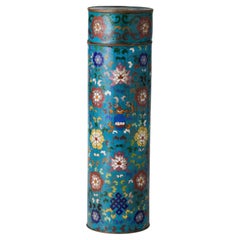

Antique 15th Century and Earlier East Asian Antiquities
Enamel
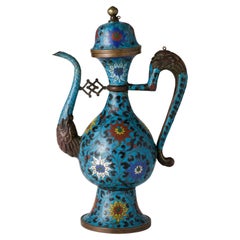
Antique 16th Century Chinese Ming Vases
Copper
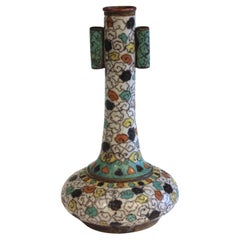
Antique 17th Century Chinese Ming Metalwork
Enamel, Brass
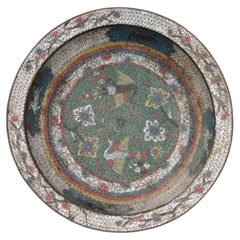
Early 20th Century Chinese Ming Ceramics
Ceramic
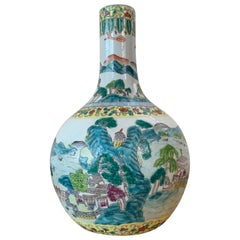
Antique Late 19th Century Asian Ming Planters, Cachepots and Jardinières
Brass, Bronze, Enamel
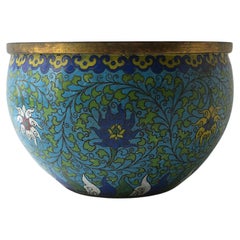
20th Century Japanese Ming Vases
Porcelain
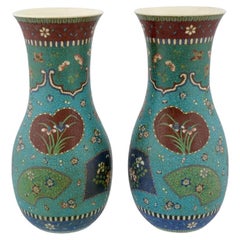
Recent Sales
Antique 15th Century and Earlier Chinese Ming Antiquities
Bronze, Enamel
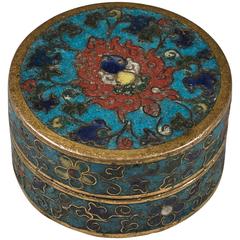
Mid-20th Century Chinese Ming Metalwork
Metal
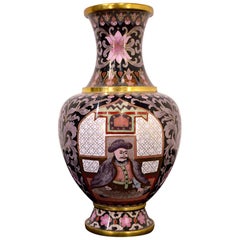
Antique 18th Century and Earlier Chinese Ming Decorative Bowls
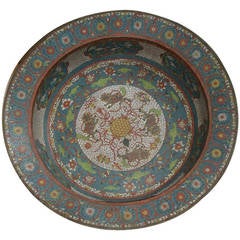
20th Century Ming Decorative Bowls
Enamel
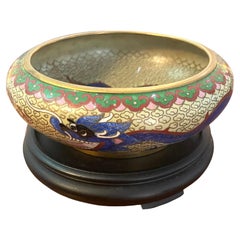
Antique Mid-19th Century Chinese Ming Antiquities
Bronze, Enamel
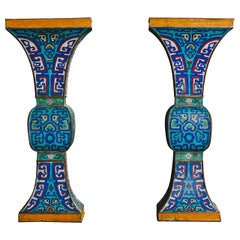
Early 20th Century Japanese Decorative Bowls
Sterling Silver
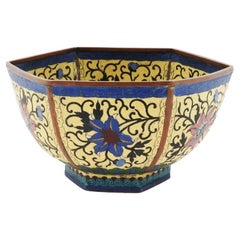
Antique 19th Century Chinese Ming Sculptures and Carvings
Bronze
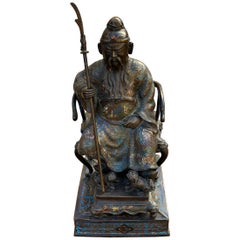
Vintage 1960s Chinese Ming Serving Bowls
Metal
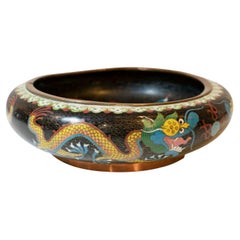
Antique 19th Century Chinese Ming Metalwork
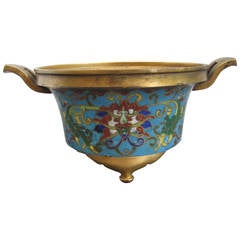
Antique 19th Century Japanese Ming Ceramics
Bronze
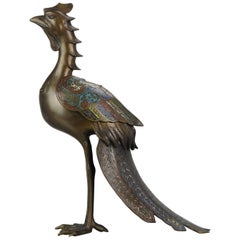
Antique 17th Century Chinese Ming Metalwork
Enamel
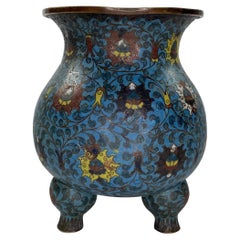
Antique 18th Century and Earlier Chinese Metalwork
Copper
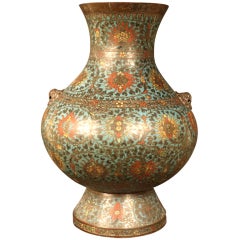
20th Century Chinese Chinese Export Metalwork
Brass
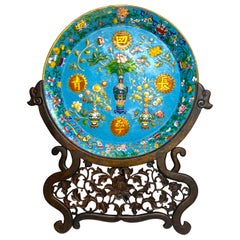
Antique 18th Century Chinese Ming Ceramics
Copper
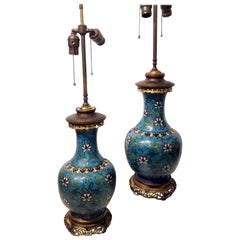
Early 20th Century American Ming Table Lamps
People Also Browsed
Antique 19th Century Japanese Meiji Paintings and Screens
Brass
Antique 18th Century French Baroque Figurative Sculptures
Oak
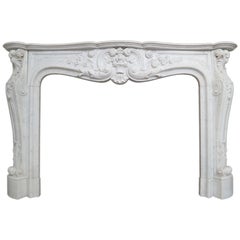
Antique 19th Century French Louis XV Fireplaces and Mantels
Marble
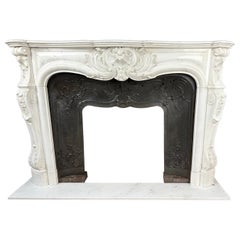
Antique 18th Century French Louis XV Fireplaces and Mantels
Carrara Marble
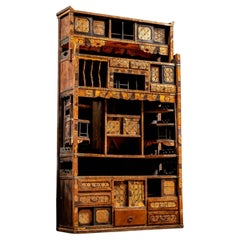
Antique 1870s Japanese Meiji Cabinets
Elm
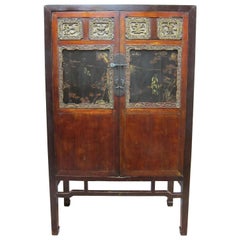
Antique 19th Century Chinese Qing Cabinets
Cedar
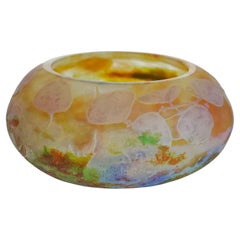
Vintage 1910s French Art Nouveau Vases
Glass
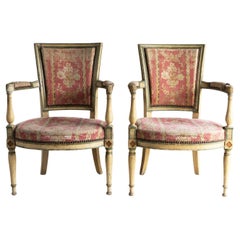
Antique Late 18th Century French Directoire Armchairs
Fabric, Paint, Wood, Upholstery, Textile
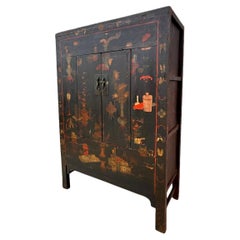
Antique Early 19th Century Chinese Chinese Chippendale Cabinets
Wood
Vintage 1910s Austrian Jugendstil Chairs
Bentwood
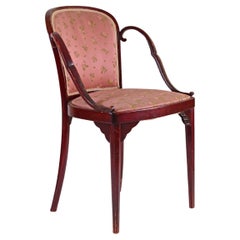
Early 20th Century Austrian Jugendstil Lounge Chairs
Leather, Beech
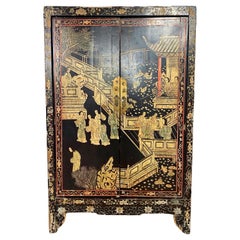
Antique 19th Century Chinese Chinoiserie Furniture
Wood
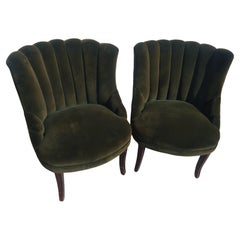
Vintage 1950s American Hollywood Regency Slipper Chairs
Fabric
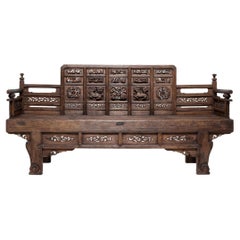
Antique 16th Century Chinese Ming Furniture
Elm
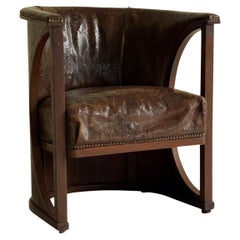
Vintage 1910s Austrian Jugendstil Armchairs
Leather, Beech
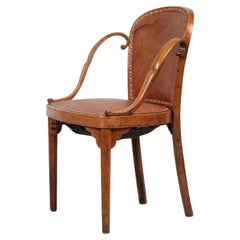
Vintage 1940s European Art Deco Chandeliers and Pendants
Murano Glass
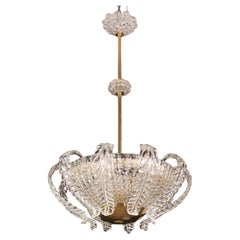
Ming Cloisonne Furniture For Sale on 1stDibs
How Much is a Ming Cloisonne Furniture?
A Close Look at Ming Furniture
In what’s considered a golden age of Chinese furniture, Ming dynasty artisans produced expertly made designs that married elegance and function. Ming furniture was versatile, such as tables that doubled as writing desks and dining spaces. But it was also beautiful, enhancing a room with clean lines, soft curves and sophisticated decoration.
Dating from 1368 to 1644, the Ming dynasty was a vibrant time for international trade and culture. Especially for scholars and the wealthy, there was an emphasis on a home’s design to promote a good life. From large wardrobes to angular sofas, Ming-style furniture was defined by its joinery, which, instead of nails, involved meticulously designed interlocking elements of wood. This material was carefully selected and positioned to make the grain part of the design. The slow-growing huanghuali, a yellowish rosewood, was particularly valued for its bright color.
Although ornamentation was minimal, Ming dynasty furniture often featured carved or painted details of flowers, insects, dragons, fruits and other motifs. Chairs crafted for scholars could include calligraphic brush writing. As overseas trade expanded, techniques from the West, like cloisonné enamel painting, adorned table screens and other pieces.
Ming furniture influenced styles abroad such as Queen Anne in England and Hollywood Regency in the United States. The curved shape of Ming armchairs had a profound impact on legendary Scandinavian modernist furniture designer Hans Wegner. The Danish cabinetmaker shared the Ming artisans’ interest in creating streamlined, functional furnishings, and his China chair, Round chair and Wishbone chair are inspired by Ming dynasty seating. Today, the Ming-style horseshoe chair is a graceful and sought-after type of seat, and contemporary Chinese designers such as Jerry Chen and Gan Erke are also drawing on this heritage for a new era of style.
Find a collection of Ming cabinets, decorative objects, lounge chairs and other furniture on 1stDibs.
- 1stDibs ExpertNovember 4, 2024To identify Ming dynasty furniture, first check the legs, back, undersides and other inconspicuous areas to see if you can locate any maker's markings. If you do, snap a photo with your phone and perform a reverse image search. You may be able to determine the maker and year of production. The Ming dynasty lasted from 1368 to 1644 in China. Furniture from this time period often features natural woods and shows off simple lines. Because artisans working during the era typically used mortise and tenon joinery, authentic Ming Dynasty furnishings will usually not have any visible nails or screws. However, there are many convincing reproductions on the market, so experts generally recommend having a certified appraiser or knowledgeable antique dealer perform the identification process for you. Shop a collection of Ming dynasty furniture on 1stDibs.