Mourning Jewelry
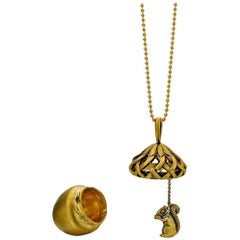
Early 2000s American Contemporary Pendant Necklaces
18k Gold, Yellow Gold

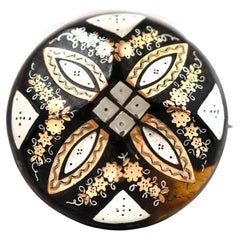
Antique 18th Century English Victorian Brooches
9k Gold
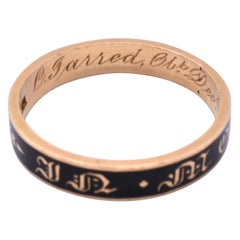
Antique 1840s British Early Victorian Band Rings
18k Gold
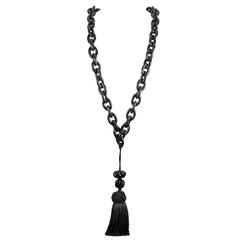
Antique 1890s Link Necklaces
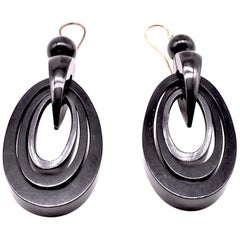
Onyx
Antique 1880s British Victorian Dangle Earrings
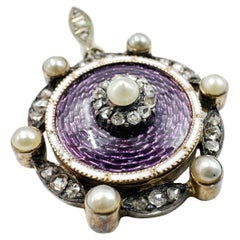
Antique 1860s British Pendant Necklaces
Diamond, Pearl, Yellow Gold, Silver, Enamel
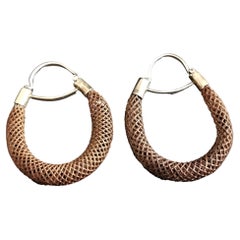
Antique 19th Century British Victorian Hoop Earrings
9k Gold, Yellow Gold
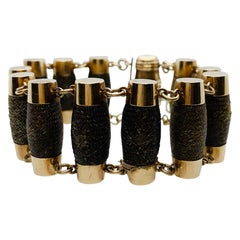
Antique Mid-19th Century Unknown Victorian More Bracelets
14k Gold
Antique 1840s Victorian Brooches
Gold
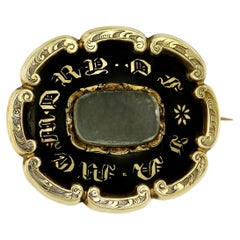
Antique 1880s British Victorian Drop Earrings
Onyx, 15k Gold
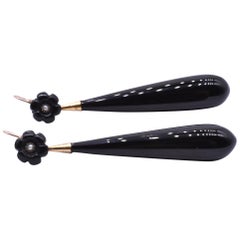
Antique 1860s British Early Victorian Dangle Earrings
Mixed Metal
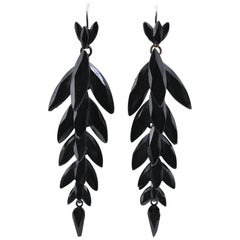
Antique 17th Century English Georgian Cocktail Rings
Garnet, Pearl, 9k Gold
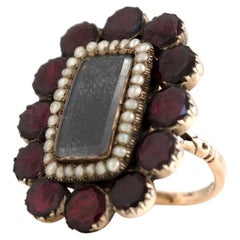
Antique 1840s Victorian Brooches
Pearl, 15k Gold
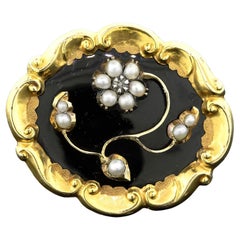
Antique 1870s French Victorian Pendant Necklaces
Gold
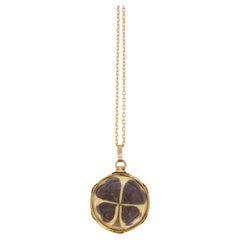
Antique Early 19th Century British Georgian Brooches
9k Gold
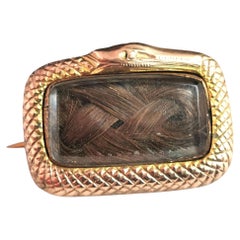
Antique 1880s Austrian Victorian Chandelier Earrings
Onyx, 14k Gold
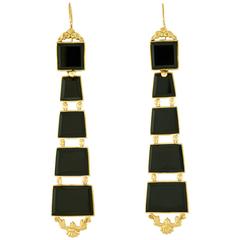
Antique 1830s Victorian Solitaire Rings
Agate, 14k Gold
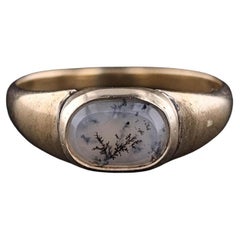
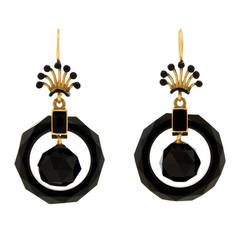
Antique Late 19th Century American Victorian Dangle Earrings
Onyx, 14k Gold
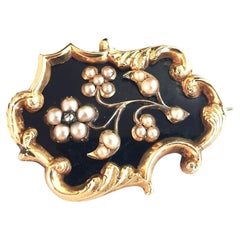
Antique Mid-19th Century British Early Victorian Brooches
Diamond, Pearl, 9k Gold, Yellow Gold, Enamel
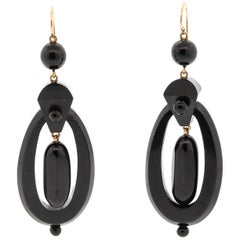
Antique 1860s British Victorian Dangle Earrings
14k Gold
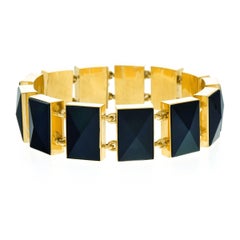
Antique 1870s American Victorian Link Bracelets
Onyx, 14k Gold, Yellow Gold
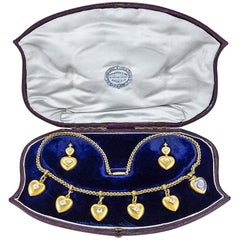
Antique 1880s Late Victorian Pendant Necklaces
Diamond, 18k Gold
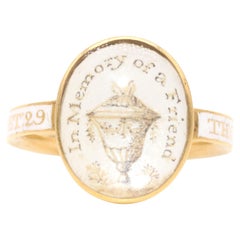
Antique 1770s British Georgian Signet Rings
18k Gold, Yellow Gold, Enamel
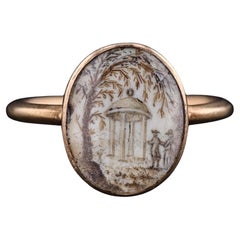
Antique Early 1800s Victorian Solitaire Rings
Antique 1860s English Victorian Link Necklaces
Sterling Silver
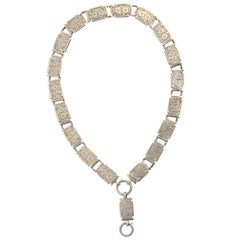
Antique Late 19th Century French Victorian Pendant Necklaces
Diamond, Onyx, 14k Gold, Enamel, Gold
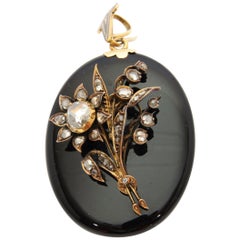
Early 20th Century French Art Nouveau Brooches
Diamond, Gold, 18k Gold, Yellow Gold
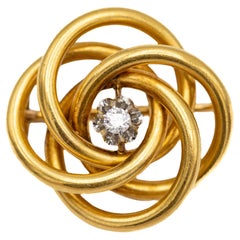
Antique 1860s British Victorian Cuff Bracelets
Sterling Silver
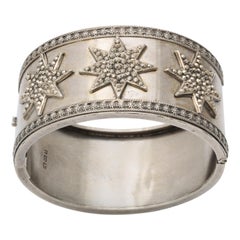
Antique Early 1800s Cocktail Rings
Yellow Gold, Enamel
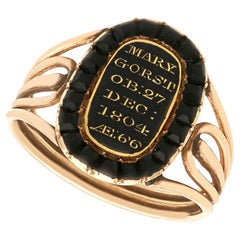
Antique 1860s British Victorian Dangle Earrings
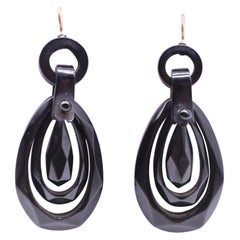
Vintage 1920s Unknown Link Bracelets
Turquoise, 18k Gold, Yellow Gold
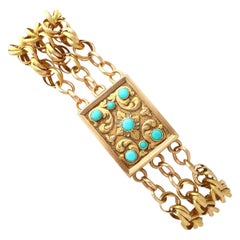
Antique 1880s English Victorian Bangles
Sterling Silver, Silver
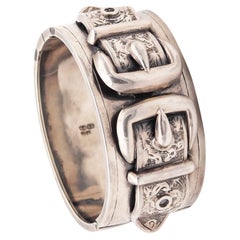
Antique 1870s Unknown Cluster Rings
Pearl
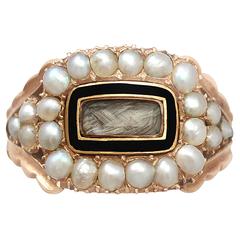
Antique Late 19th Century European Victorian Drop Earrings
Natural Pearl, Gold, 18k Gold, Yellow Gold
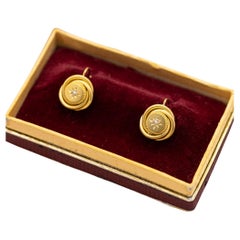
Antique 19th Century British Victorian Pendant Necklaces
Crystal, Rock Crystal, 15k Gold, Yellow Gold
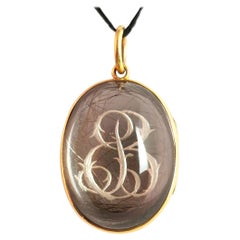
Antique 1850s Victorian Cluster Rings
Emerald, Pearl, Ruby, Gold, 18k Gold, Yellow Gold
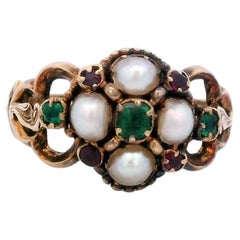
Antique 1880s Unknown Victorian Brooches
Emerald, 18k Gold, Yellow Gold
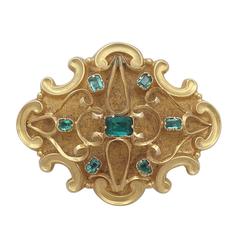
Antique 1750s Georgian More Rings
Diamond, 18k Gold
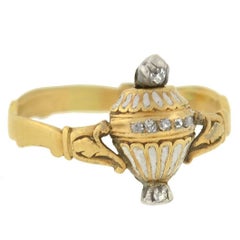
Antique 1880s Unknown Pendant Necklaces
Agate, 15k Gold, Yellow Gold, Enamel
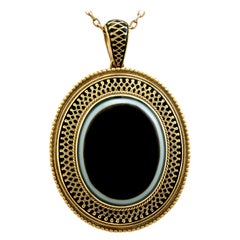
Antique 1880s European Victorian Pendant Necklaces
Diamond, Onyx, Pearl, 18k Gold
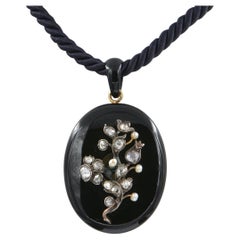
Antique 1880s Unknown Victorian Bangles
Onyx, 14k Gold
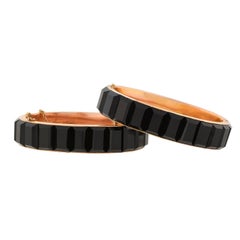
Antique 1890s Victorian Pendant Necklaces
Diamond, Gold, 14k Gold, Yellow Gold
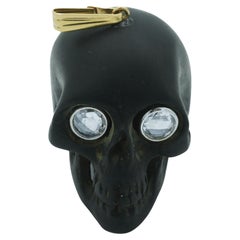
Early 20th Century French Art Nouveau Pendant Necklaces
Natural Pearl, Pearl, Gold, 18k Gold, Yellow Gold
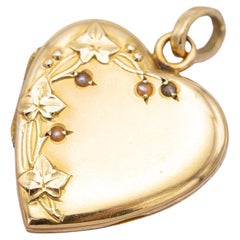
Antique Late 19th Century French Victorian Pendant Necklaces
Natural Pearl, Gold, 18k Gold, Rose Gold
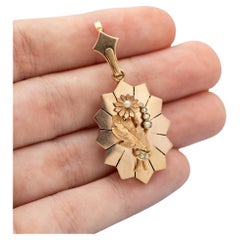
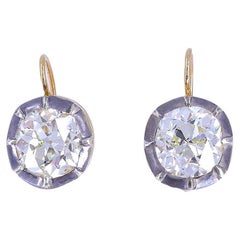
Antique Early 1900s Unknown Victorian Drop Earrings
Diamond, 14k Gold, Yellow Gold, Silver
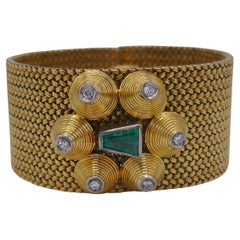
Antique Early 1900s Retro Bracelets
Diamond, Emerald, 18k Gold, Yellow Gold
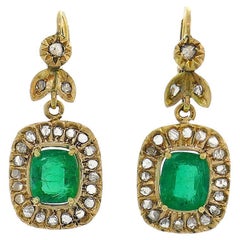
Early 20th Century Unknown Victorian Dangle Earrings
White Diamond, Emerald, Diamond, Yellow Gold, 18k Gold
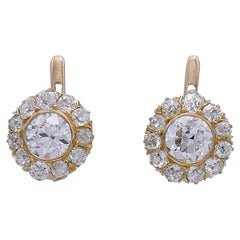
Early 20th Century Unknown Stud Earrings
White Diamond, 18k Gold, Yellow Gold
Vintage 1960s Unknown Victorian Drop Earrings
Diamond, Yellow Gold, 18k Gold, White Gold
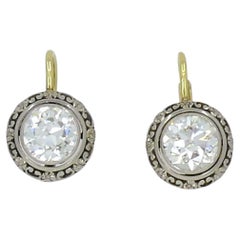
Antique Early 1900s Unknown Brooches
Diamond, Emerald, Ruby, Blue Sapphire, Yellow Gold, 18k Gold
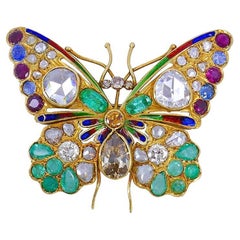
20th Century American Brooches
Pearl, 14k Gold
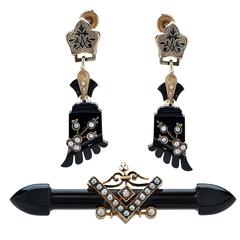
Antique 1780s English Georgian More Rings
Yellow Gold
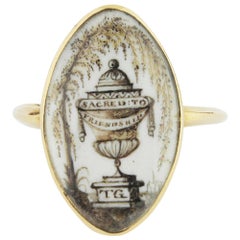
Antique Late 19th Century Victorian Brooches
9k Gold, Yellow Gold
Antique 1790s British Georgian More Rings
9k Gold, Yellow Gold
Antique 1880s Unknown Victorian More Rings
14k Gold
Antique Early 19th Century American Georgian Brooches
Yellow Gold
Antique 19th Century Victorian Brooches
Onyx, Pearl, Gold, Yellow Gold
- 1
- ...
Antique Mourning Jewelry for Your Jewelry Box
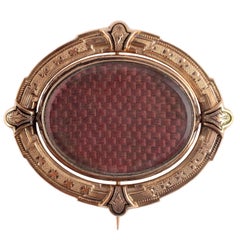
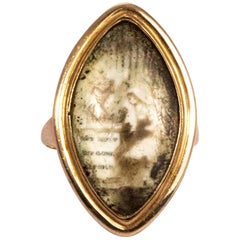
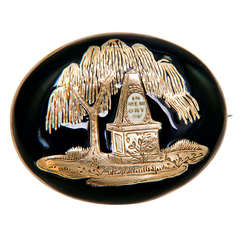
When it comes to Victorian jewelry, the era’s Grand Period (ca. 1860–80) is most often associated with antique mourning jewelry. While it first came into fashion during the Georgian period, mourning jewelry had a resurgence during this time.
Scholars note that Romantic period jewelry was a celebration of the young monarch’s love. But everything changed with the premature death of Prince Albert in 1861. This traumatic event changed the way the Queen’s public perceived her and in the way she presented herself. The heartbroken Queen donned black clothing and went into mourning. Her taste for jewelry reflected her deep sorrow as well.
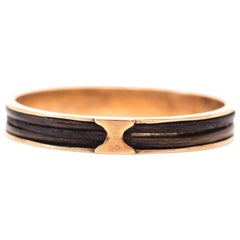
Unlike Georgian mourning jewelry, which was more focused on the macabre, Victorian mourning jewelry still tends to be romantic, a way to honor the memory of the departed. During the Georgian era, portrait miniatures, hair jewelry, cameos, enamels and micromosaics were fashionable.
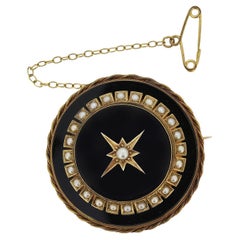
Most materials used in antique mourning jewelry were also black, the universal signifier of grief. Naturally jet, onyx and gutta percha were the most popular. Dark red garnets and black enamel were often used in combination with these materials (enameling is one of the oldest forms of surface decoration). Hair jewelry became incredibly intricate, and some pieces were made with strands from various family members woven into a complex floral pattern.
“Unlike most other pieces of antique jewelry, mourning jewelry has an easily accessible history,” Lindsay Salmon, part of the duo behind jewelry line Erica Weiner.
“These pieces are often inscribed with a name, a date of death and the age of the deceased. For many people, myself included, having this information about the person a piece of jewelry was made to commemorate is both fascinating and romantic; it grounds the piece in a historical and personal context.”
Find a collection of antique mourning jewelry on 1stDibs.
Why Gold Shines in Jewelry Craftsmanship
Gold is the feel-good metal, the serotonin of jewelry. Wear vintage and antique gold necklaces, watches, gold bracelets or gold rings and you feel happy, you feel dressed, you feel, well, yourself.
Gold, especially yellow gold, with its rich patina and ancient pedigree going back thousands of years, is the steady standby, the well-mannered metal of choice. Any discussion of this lustrous metal comes down to a basic truth: Gold is elementary, my dear. Gold jewelry that couples the mystique of the metal with superb design and craftsmanship achieves the status of an enduring classic. Many luxury houses have given us some of our most treasured and lasting examples of gold jewelry over the years.
Since its founding, in 1837, Tiffany Co. has built its reputation on its company jewelry as well as its coterie of boutique designers, which has included Jean Schlumberger, Donald Claflin, Angela Cummings and Elsa Peretti. There are numerous gold Tiffany classics worth citing. Some are accented with gemstones, but all stand out for their design and the workmanship displayed.
For the woman who prefers a minimalist look, the Tiffany Co. twist bangle (thin, slightly ovoid) is stylishly simple. For Cummings devotees, signature pieces feature hard stone inlay, such as her pairs of gold ear clips inlaid with black jade (a play on the classic Chanel black and tan), or bangles whose design recalls ocean waves, with undulating lines of lapis lazuli and mother-of-pearl. And just about any design by the great Jean Schlumberger is by definition a classic.
Even had he eschewed stones and diamonds, Southern-born David Webb would be hailed for the vast arsenal of heavy gold jewelry he designed. Gold, usually hammered or textured in some manner, defines great David Webb jewelry. The self-taught jeweler made very au courant pieces while drawing inspiration from ancient and out-of-the-way sources — East meets West in the commanding gold necklaces made by Webb in the early 1970s. The same could be said for his endlessly varied gold cuffs.
In Europe, many houses have given us gold jewelry that sets the highest standard for excellence, pieces that were highly sought after when they were made and continue to be so.
Numerous designs from Cartier are homages to gold. There are the classic Trinity rings, necklaces and bracelets — trifectas of yellow, white and rose gold. As a testament to the power of love, consider the endurance of the Cartier Love bracelet.
Aldo Cipullo, Cartier’s top in-house designer from the late 1960s into the early ’70s, made history in 1969 with the Love bracelet. Cipullo frequently said that the Love bracelet was born of a sleepless night contemplating a love affair gone wrong and his realization that “the only remnants he possessed of the romance were memories.” He distilled the urge to keep a loved one close into a slim 18-karat gold bangle.
BVLGARI and its coin jewelry, gemme nummarie, hit the jackpot when the line launched in the 1960s. The line has been perennially popular. BVLGARI coin jewelry features ancient Greek and Roman coins embedded in striking gold mounts, usually hung on thick link necklaces of varying lengths. In the 1970s, BVLGARI introduced the Tubogas line, most often made in yellow gold. The Tubogas watches are classics, and then there is the Serpenti, the house's outstanding snake-themed watches and bracelets.
A collection called Monete that incorporated the gold coins is one of several iconic BVLGARI lines that debuted in the 1970s and ’80s, catering to a new generation of empowered women. Just as designers like Halston and Yves Saint Laurent were popularizing fuss-free ready-to-wear fashion for women on the go, BVLGARI offered jewels to be lived in.
Since Van Cleef Arpels opened its Place Vendôme doors in 1906, collection after collection of jewelry classics have enchanted the public. As predominantly expressed in a honeycomb of gold, there is the Ludo watch and accessories, circa the 1920s, and the golden Zip necklace, 1951, whose ingenious transformation of the traditional zipper was originally proposed by the Duchess of Windsor. Van Cleef's Alhambra, with its Moroccan motif, was introduced in 1968 and from the start its popularity pivoted on royalty and celebrity status. It remains one of VCA’s most popular and collected styles.
Mention must be made of Buccellati, whose name is synonymous with gold so finely spun that it suggests tapestry. The house’s many gold bracelets, typically embellished with a few or many diamonds, signified taste and distinction and are always in favor on the secondary market. Other important mid-20th-century houses known for their gold-themed jewelry include Hermès and Ilias Lalaounis.
Find a stunning collection of vintage and antique gold jewelry on 1stDibs.
- 1stDibs ExpertApril 5, 2022Yes, some jewelers still make mourning jewelry. Mourning jewelry was very popular in the Georgian era and experienced a resurgence in the Victorian Era when Queen Victoria wore it in memory of Prince Albert after he passed. Today, there is more versatility in what is considered mourning jewelry and limitless options for customizing it. Find vintage and contemporary mourning jewelry from some of the world’s top boutiques on 1stDibs.
- 1stDibs ExpertMarch 22, 2022During the 18th and 19th centuries, mourning rings were worn on the pinky finger. When the jewelry came back into fashion in the 1930s and 40s, the tradition of displaying a mourning ring on the fifth finger continued. Today, people may opt to wear the rings on any finger. You'll find a variety of mourning rings on 1stDibs.
- Did men wear mourning jewelry?1 Answer1stDibs ExpertApril 5, 2022Yes, men wore mourning jewelry as well as women. It became popularized during the Victoria era, but was a tradition that has stretched in history far back before this period. Shop an array of authentic mourning jewelry from top sellers on 1stDibs.