Neoclassical Stone Planter
Mid-20th Century French Neoclassical Planters and Jardinieres
Cast Stone
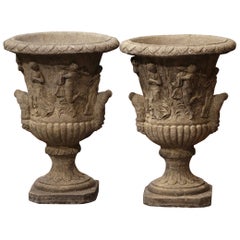
Mid-20th Century French Neoclassical Planters and Jardinieres
Sandstone
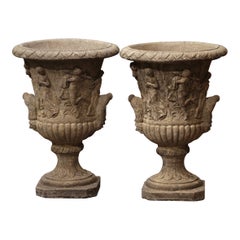
Mid-20th Century Neoclassical Planters and Jardinieres
Cast Stone
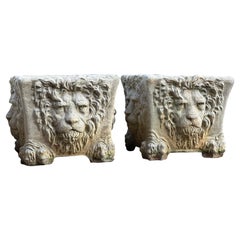
Early 20th Century Neoclassical Planters and Jardinieres
Cast Stone
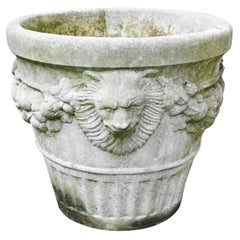
20th Century Neoclassical Planters and Jardinieres
Cast Stone

20th Century Neoclassical Planters and Jardinieres
Cast Stone
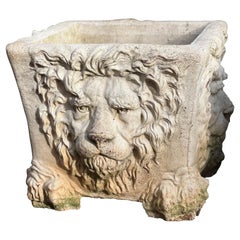
Antique 19th Century English Neoclassical Planters and Jardinieres
Stone
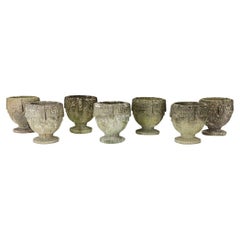
Vintage 1920s American Neoclassical Planters and Jardinieres
Cast Stone
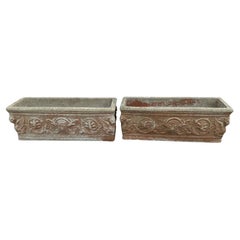
Mid-20th Century Italian Neoclassical Revival Planters and Jardinieres
Cast Stone
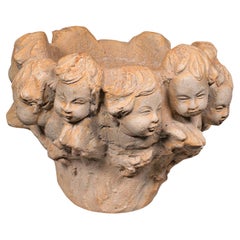
20th Century French Neoclassical Planters and Jardinieres
Cast Stone
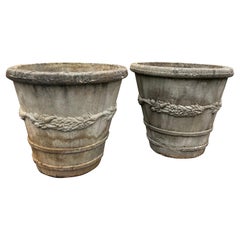
Mid-20th Century French Neoclassical Planters and Jardinieres
Cast Stone
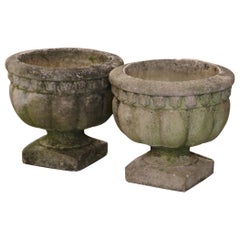
20th Century English Neoclassical Planters and Jardinieres
Stone, Cast Stone
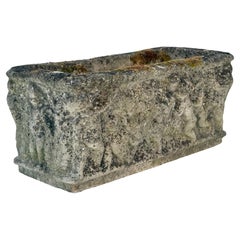
Antique Late 19th Century French Neoclassical Planters and Jardinieres
Cast Stone
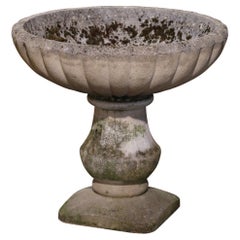
Antique Late 19th Century French Neoclassical Planters and Jardinieres
Cast Stone
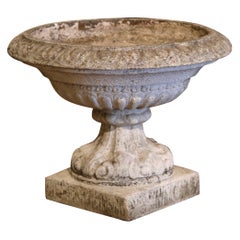
Vintage 1940s American Neoclassical Planters and Jardinieres
Cast Stone
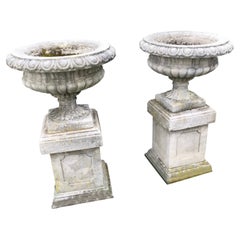
Late 20th Century Empire Planters and Jardinieres
Stone, Composition, Marble
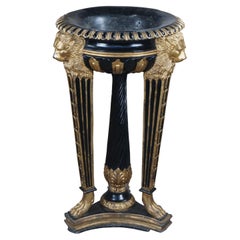
Antique Mid-19th Century European Neoclassical Planters and Jardinieres
Stone
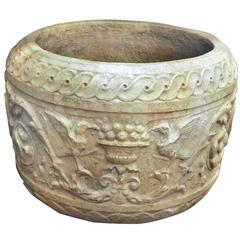
Early 20th Century French Neoclassical Revival Planters and Jardinieres
Cast Stone
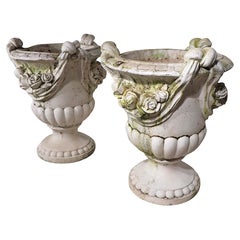
Early 20th Century American Neoclassical Planters and Jardinieres
Resin
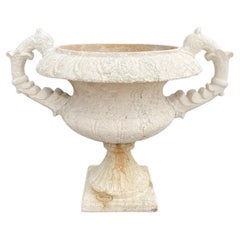
Late 20th Century Unknown Neoclassical Planters and Jardinieres
Iron
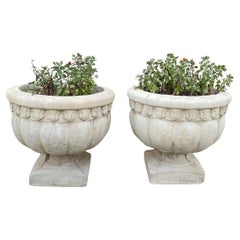
Early 20th Century Italian Neoclassical Planters and Jardinieres
Cast Stone
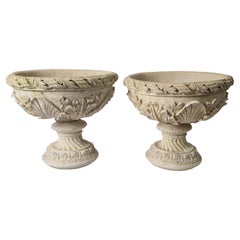
Antique 18th Century Italian Neoclassical Stone Sinks
Sandstone
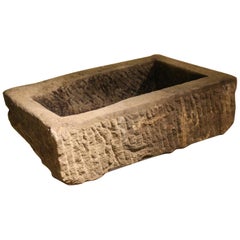
21st Century and Contemporary European Neoclassical Planters and Jardini...
Stone
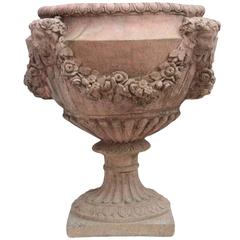
Early 20th Century French Neoclassical Planters and Jardinieres
Concrete, Stone
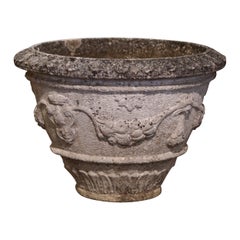
Antique Late 19th Century French Neoclassical Planters and Jardinieres
Cast Stone
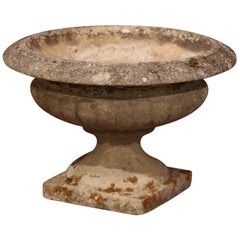
20th Century Planters and Jardinieres
Cast Stone
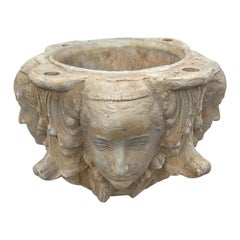
20th Century British Neoclassical Planters and Jardinieres
Stone, Cast Stone
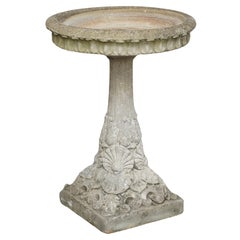
Early 20th Century French Neoclassical Urns
Cast Stone
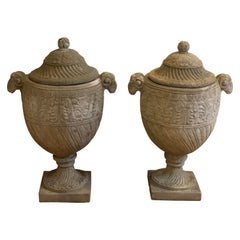
20th Century Indonesian Neoclassical Planters, Cachepots and Jardinières
Stone, Composition, Brass
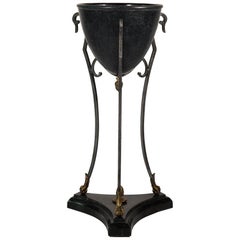
20th Century French Neoclassical Urns
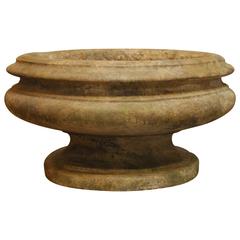
Antique Late 18th Century French Neoclassical Fountains
Sandstone
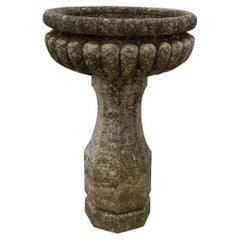
20th Century Neoclassical Revival Urns
Stone
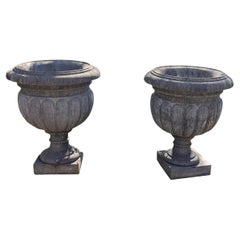
Vintage 1960s English Neoclassical Planters and Jardinieres
Cast Stone
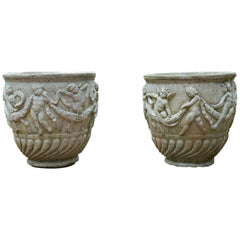

Mid-20th Century British Neoclassical Planters and Jardinieres
Stoneware
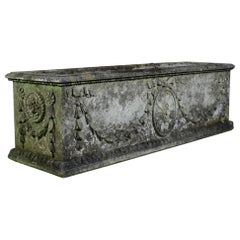
English Neoclassical Planters and Jardinieres
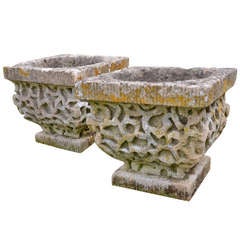
Early 20th Century Neoclassical Planters and Jardinieres
Stone
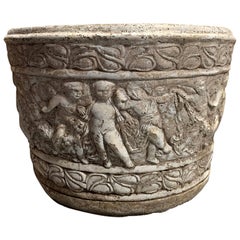
Mid-20th Century British Neoclassical Planters and Jardinieres
Stoneware
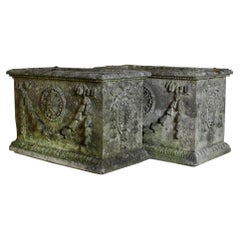
Antique Late 18th Century French Neoclassical Planters and Jardinieres
Stone
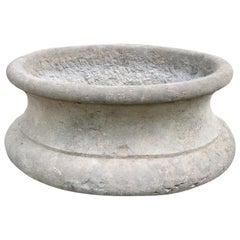
20th Century French Neoclassical Planters and Jardinieres
Cast Stone
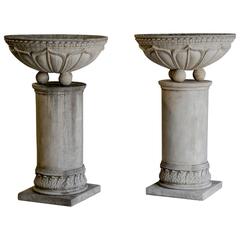
Antique Late 18th Century European Neoclassical Garden Ornaments
Limestone
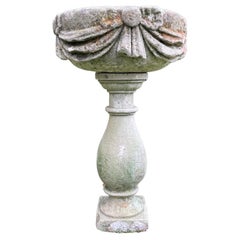
20th Century American Neoclassical Planters and Jardinieres
Cast Stone
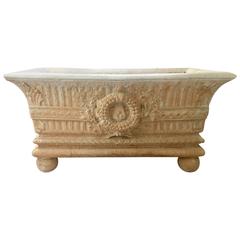
- 1
Neoclassical Stone Planter For Sale on 1stDibs
How Much is a Neoclassical Stone Planter?
A Close Look at Neoclassical Furniture
Neoclassical design emerged in Europe in the 1750s, as the Age of Enlightenment reached full flower. Neoclassical furniture took its cues from the styles of ancient Rome and Athens: symmetrical, ordered, dignified forms with such details as tapered and fluted chair and table legs, backrest finials and scrolled arms.
Over a period of some 20 years, first in France and later in Britain, neoclassical design — also known as Louis XVI, or Louis Seize — would supersede the lithe and curvaceous Rococo or Louis XV style.
The first half of the 18th century had seen a rebirth of interest in classical antiquity. The "Grand Tour" of Europe, codified as a part of the proper education of a patrician gentleman, included an extended visit to Rome. Some ventured further, to sketch the ruins of ancient Greece. These drawings and others — particularly those derived from the surprising and rich archaeological discoveries in the 1730s and ’40s at the sites of the Roman cities of Pompeii and Herculaneum — caused great excitement among intellectuals and aesthetes alike.
Neoclassical furniture is meant to reflect both grace and power. The overall appearance of neoclassical chairs, tables and cabinetry is strong and rectilinear. These pieces are, in effect, classical architecture in miniature: chair and table legs are shaped like columns; cabinets are constructed with elements that mirror friezes and pediments.
Yet neoclassicism is enlivened by gilt and silver leaf, marquetry, and carved and applied ornamental motifs based on Greek and Roman sculpture: acanthus leaves, garlands, laurel wreaths, sheaves of arrow, medallions and chair splats are carved in the shapes of lyres and urns. Ormolu — or elaborate bronze gilding — was essential to French design in the 18th and 19th centuries as a cornerstone of the neoclassical and Empire styles.
As you can see from the furniture on these pages, there is a bit of whimsy in such stately pieces — a touch of lightness that will always keep neoclassicism fresh.
Find antique neoclassical furniture today on 1stDibs.
Finding the Right Planters-jardinieres for You
Beautiful plants deserve beautiful homes. It’s time to introduce antique and vintage planters and jardinieres to your home’s interiors and outdoor garden area.
The word “jardiniere” has roots in French, but the appeal of these vessels is global. The popularity of jardinieres — ceramic pots intended for cut flowers or plants — quickly gained traction in the United States during the start of the 20th century, when you could find them in some middle- and upper-class American homes. Jardinieres had already been coveted goods overseas for at least a couple of centuries by then, as intricate planters crafted from Chinese porcelain or gilded-bronze versions from Japan could be found in the living rooms of wealthy Europeans.
Today, the love for planters and jardinieres knows no bounds. And whether you consider yourself a proper gardener or merely a doting plant parent, there is likely a use for a planter inside or in the lively outdoor space around your home.
Outside, a pair of marble and terracotta planters or cast-iron urns designed in the neoclassical style can add a stately touch to your landscape design while helping establish boundaries between the areas you’ve created for gardening and entertaining.
Bare corners in your living room or dining room can often be difficult to populate with furnishings that fit just so, and a planter can change that. While it’s possible to get maximal impact from minimalist pottery — an understated mid-century modern planter could deliver on that front — you might be pining for an on-trend planter with pizzazz. Look to an outwardly angular fiberglass design decked out in bright colors to give your blooms a run for their money, while mounted or vintage hanging vessels can serve as the frame for nature’s organic artwork, quite literally taking your gardening skills to the next level.
Browse a broad collection of antique and vintage planters and jardinieres on 1stDibs today.
- What is a cast stone planter?1 Answer1stDibs ExpertApril 5, 2022A cast stone planter is a vessel used as a growing environment for flowers, succulents and other plants. They come in a variety of sizes and shapes. The term cast stone refers to the material used to produce the planters. It is a mix of fiber clay, magnesium and concrete finished to resemble carved stone. You'll find a wide variety of antique and vintage planters on 1stDibs.