Nickel Silver Cutlery
Mid-20th Century Italian Mid-Century Modern Sheffield and Silverplate
Silver, Brass
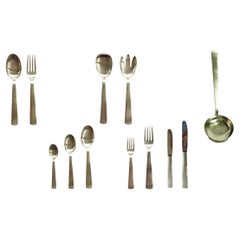

Vintage 1950s Italian Mid-Century Modern Tableware
Nickel, Stainless Steel
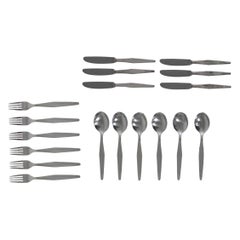
Vintage 1950s Italian Mid-Century Modern Tableware
Nickel, Stainless Steel
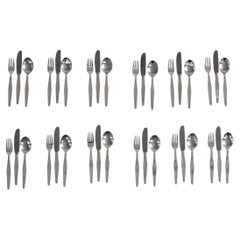
Mid-20th Century Austrian Art Deco Tableware
Metal, Sterling Silver, Nickel
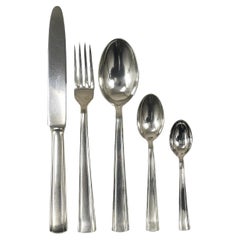
Recent Sales
Vintage 1950s Italian Mid-Century Modern Tableware
Alpaca
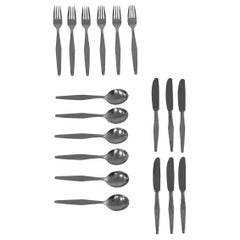
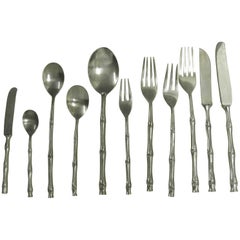
Mid-20th Century Thai Chinese Chippendale Tableware
Stainless Steel
People Also Browsed
21st Century and Contemporary Danish Mid-Century Modern Wall Mirrors
Brass
Antique Late 18th Century Swedish Scandinavian Modern Cabinets
Pine
Vintage 1960s Italian Mid-Century Modern Vases
Murano Glass
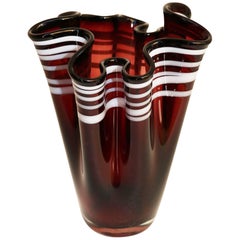
21st Century and Contemporary American Club Chairs
Cotton, Linen, Wood, Down
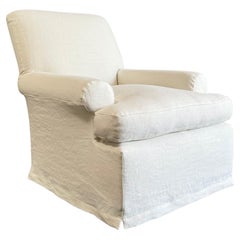
2010s Indian Mid-Century Modern Table Lamps
Aluminum, Brass
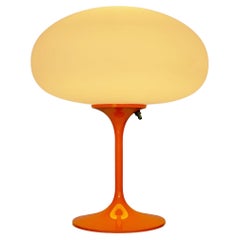
2010s Belgian Modern Club Chairs
Linen
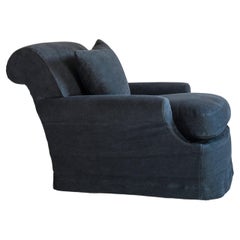
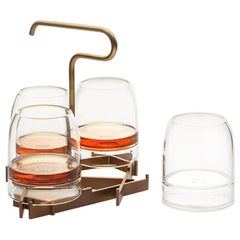
2010s American Modern Barware
Brass
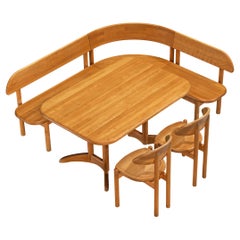
Vintage 1980s Scandinavian Scandinavian Modern Dining Room Sets
Beech
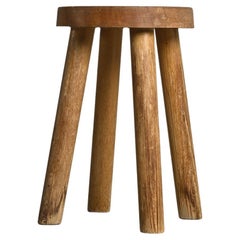
Late 20th Century French Mid-Century Modern Stools
Pine
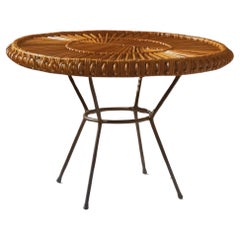
Vintage 1950s French Mid-Century Modern Coffee and Cocktail Tables
Metal
Early 20th Century Japanese Taisho Sideboards
Cedar
Vintage 1940s French Mid-Century Modern Chandeliers and Pendants
Metal
2010s Italian Mid-Century Modern Chandeliers and Pendants
Murano Glass
Antique Late 19th Century Dutch Sofas
Fabric, Palmwood
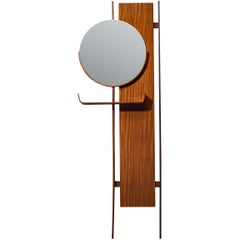
Vintage 1950s Italian Mid-Century Modern Wall Mirrors
Mirror, Teak
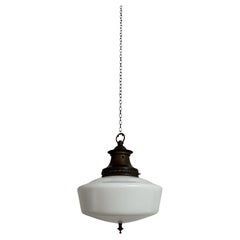
Early 20th Century British Chandeliers and Pendants
Opaline Glass
Nickel Silver Cutlery For Sale on 1stDibs
How Much is a Nickel Silver Cutlery?
Gio Ponti for sale on 1stDibs
An architect, furniture and industrial designer and editor, Gio Ponti was arguably the most influential figure in 20th-century Italian modernism.
Ponti designed thousands of furnishings and products — from cabinets, mirrors and chairs to ceramics and coffeemakers — and his buildings, including the brawny Pirelli Tower (1956) in his native Milan, and the castle-like Denver Art Museum (1971), were erected in 14 countries. Through Domus, the magazine he founded in 1928, Ponti brought attention to virtually every significant movement and creator in the spheres of modern art and design.
The questing intelligence Ponti brought to Domus is reflected in his work: as protean as he was prolific, Ponti’s style can’t be pegged to a specific genre.
In the 1920s, as artistic director for the Tuscan porcelain maker Richard Ginori, he fused old and new; his ceramic forms were modern, but decorated with motifs from Roman antiquity. In pre-war Italy, modernist design was encouraged, and after the conflict, Ponti — along with designers such as Carlo Mollino, Franco Albini, Marco Zanuso — found a receptive audience for their novel, idiosyncratic work. Ponti’s typical furniture forms from the period, such as the wedge-shaped Distex chair, are simple, gently angular, and colorful; equally elegant and functional. In the 1960s and ’70s, Ponti’s style evolved again as he explored biomorphic shapes, and embraced the expressive, experimental designs of Ettore Sottsass Jr., Joe Colombo and others.
Ponti's signature furniture piece — the one by which he is represented in the collections of the Museum of Modern Art in New York, Germany’s Vitra Design Museum and elsewhere — is the sleek Superleggera chair, produced by Cassina starting in 1957. (The name translates as “superlightweight” — advertisements featured a model lifting it with one finger.)
Ponti had a playful side, best shown in a collaboration he began in the late 1940s with the graphic artist Piero Fornasetti. Ponti furnishings were decorated with bright finishes and Fornasetti's whimsical lithographic transfer prints of things such as butterflies, birds or flowers; the Montreal Museum of Fine Arts possesses a 1950 secretary from their Architetturra series, which feature case pieces covered in images of building interiors and facades. The grandest project Ponti and Fornasetti undertook, however, lies on the floor of the Atlantic Ocean: the interiors of the luxury liner Andrea Doria, which sank in 1956.
Widely praised retrospectives at the Queens Museum of Art in 2001 and at the Design Museum London in 2002 sparked a renewed interest in Ponti among modern design aficionados. (Marco Romanelli’s monograph, which was written for the London show, offers a fine overview of Ponti’s work.) Today, a wide array of Ponti’s designs are snapped up by savvy collectors who want to give their homes a touch of Italian panache and effortless chic.
Find a range of vintage Gio Ponti desks, dining chairs, coffee tables and other furniture on 1stDibs.
Finding the Right Tableware for You
While it isn’t always top of mind for some, antique and vintage tableware can enhance even the most informal meal. It has been an intimate part of how we’ve interacted with our food for millennia.
Tableware has played a basic but important role in everyday life. Ancient Egyptians used spoons (which are classified as flatware) made of ivory and wood, while Greeks and Romans, who gathered for banquets involving big meals and entertainment, ate with forks and knives. At the beginning of the 17th century, however, forks were still uncommon in American homes. Over time, tableware has thankfully evolved and today includes increasingly valuable implements.
Tableware refers to the tools people use to set the table, including serving pieces, dinner plates and more. It encompasses everything from the intricate and elaborate to the austere and functional, yet are all what industrial product designer Jasper Morrison might call “Super Normal” — anonymous objects that are too useful to be considered banal.
There are four general categories of tableware — serveware, dinnerware, drinkware and, lastly, flatware, which is commonly referred to as silverware or cutlery. Serveware includes serving bowls, platters, gravy boats, casserole pans and ladles. Most tableware is practical, but it can also be decorative. And decorative objects count as tableware too. Even though they don’t fit squarely into one of the four categories, vases, statues and floral arrangements are traditional centerpieces.
Drinkware appropriately refers to the vessels we use for our beverages — mugs, cups and glasses. There is a good deal of variety that falls under this broad term. For example, your cheerful home bar or mid-century modern bar cart might be outfitted with a full range of vintage barware, which might include pilsner glasses and tumblers. Specialty cocktails are often served in these custom glasses, but they’re still a type of drinkware.
Every meal should be special — even if you’re using earthenware or stoneware for a casual lunch — but perhaps you’re hosting a dinner party to mark a specific event. The right high-quality tableware can bring a touch of luxury to your cuisine. Young couples, for example, traditionally add “fine china,” or porcelain, to their wedding registry as a commemoration of their union and likely wouldn’t turn down exquisite silver made by Tiffany Co. or Georg Jensen.
It’s important to remember, however, that when you’re setting the dining room table to have fun with it. Just as you might mix and match your dining chairs, don’t be afraid to mix new and old or high and low with your tableware. On 1stDibs, find an extraordinary range of vintage and antique tableware to help elevate your meal as well as the mood and atmosphere of your entire dining room.