Original Japanese Art
1890s Fauvist Figurative Prints
Lithograph
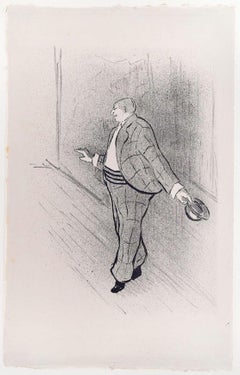

1890s Fauvist Figurative Prints
Lithograph
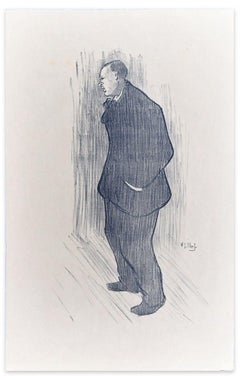
1890s Fauvist Figurative Prints
Lithograph
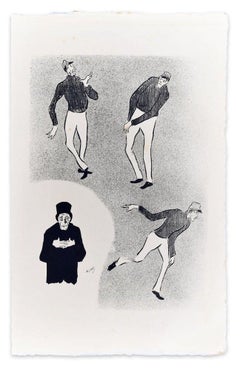
1890s Fauvist Figurative Prints
Lithograph
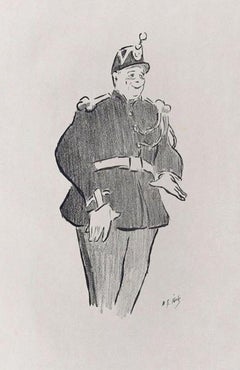
1890s Fauvist Figurative Prints
Lithograph
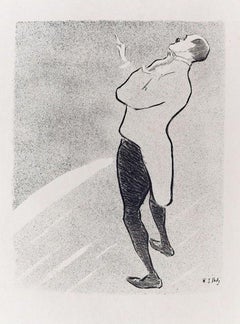
1890s Fauvist Figurative Prints
Lithograph
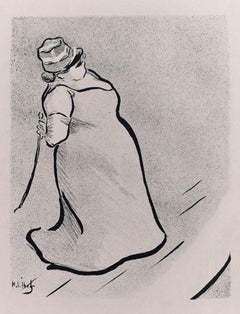
1890s Fauvist Figurative Prints
Lithograph
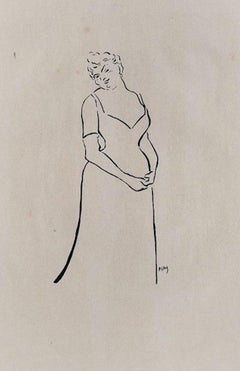
1890s Fauvist Figurative Prints
Lithograph
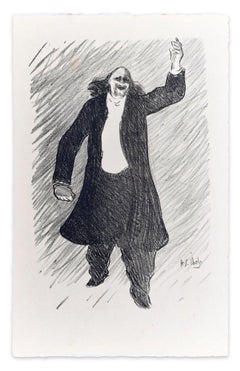
21st Century and Contemporary Japanese Furniture
Gold Leaf
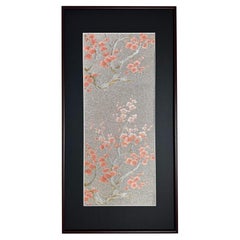
Mid-19th Century Other Art Style Figurative Prints
Handmade Paper, Washi Paper, Pigment, Woodcut
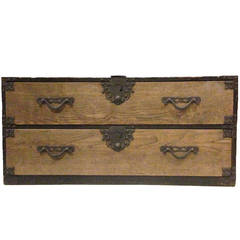
20th Century Japanese Furniture
Iron
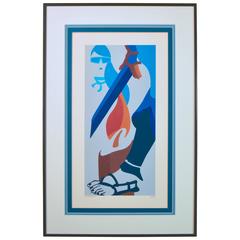
Late 20th Century North American Modern Contemporary Art
Metal
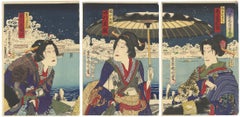
Mid-19th Century Edo Figurative Prints
Woodcut
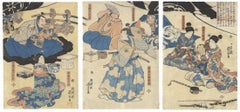
Late 19th Century Other Art Style Figurative Prints
Handmade Paper, Mulberry Paper, Washi Paper, Pigment, Woodcut
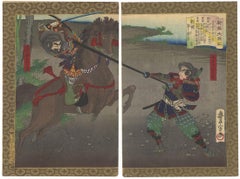
Early 19th Century Edo Figurative Prints
Woodcut
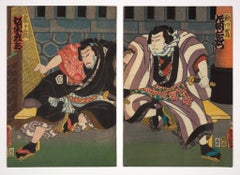
Early 19th Century Edo Figurative Prints
Woodcut, Paper
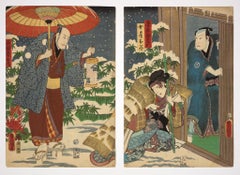
Early 19th Century Edo Figurative Prints
Woodcut
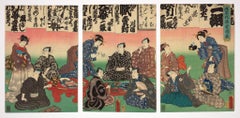
Early 19th Century Edo Figurative Prints
Woodcut
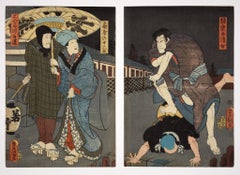
Early 19th Century Edo Figurative Prints
Woodcut
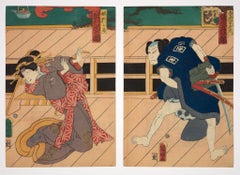
Early 19th Century Edo Figurative Prints
Woodcut
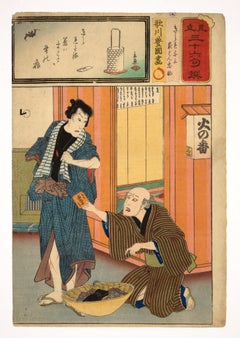
Early 19th Century Edo Figurative Prints
Woodcut
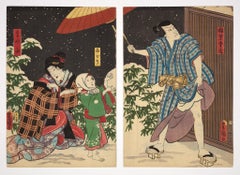
1970s More Art
Paper, Linen, Lithograph
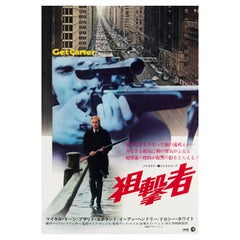
Antique 1880s Japanese Meiji Prints
Paper
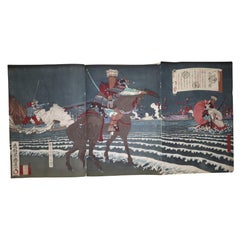
Early 20th Century Japanese Prints
Paper, Lithograph
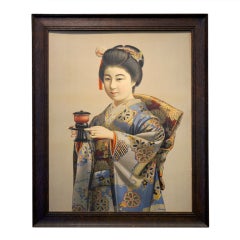
Antique 1880s Japanese Meiji Prints
Paper
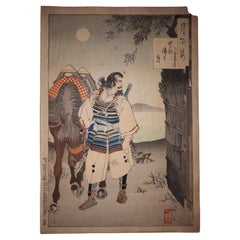
Late 19th Century Other Art Style Figurative Prints
Handmade Paper, Mulberry Paper, Washi Paper, Pigment, Woodcut
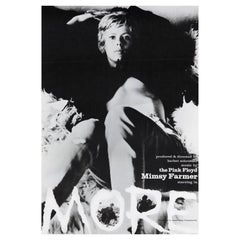
1970s Post-Modern More Art
Paper, Linen, Lithograph
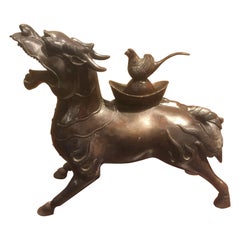
Antique 19th Century Japanese Metalwork
Bronze
1960s More Prints
Paper
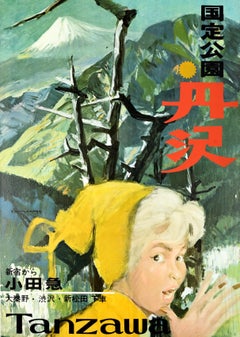
1950s More Prints
Paper
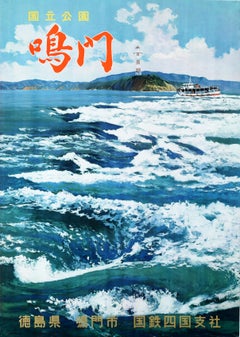
1960s More Art
Paper, Linen, Lithograph
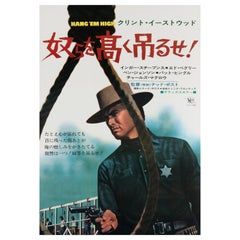
1960s More Art
Paper, Linen, Lithograph
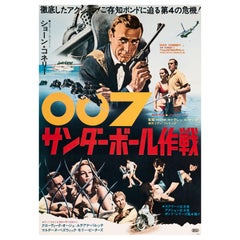
1980s Post-War More Art
Paper, Linen, Lithograph
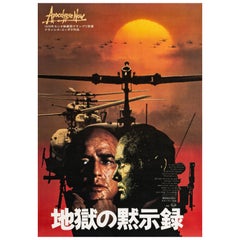
1950s More Prints
Paper
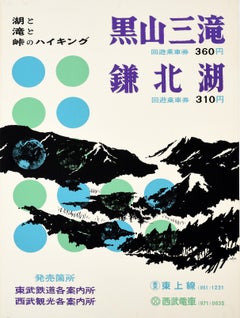
1950s More Prints
Paper
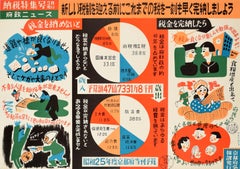
1950s More Prints
Paper
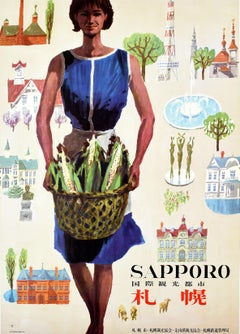
1950s More Prints
Paper
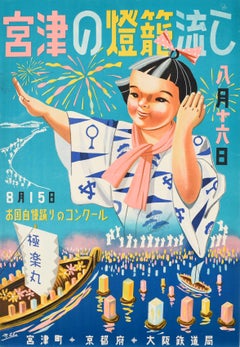
Mid-19th Century Edo Landscape Prints
Handmade Paper, Mulberry Paper, Washi Paper, Pigment, Woodcut
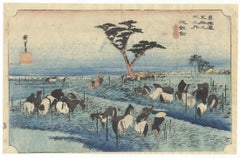
Mid-19th Century Edo Landscape Prints
Handmade Paper, Mulberry Paper, Washi Paper, Pigment, Woodcut
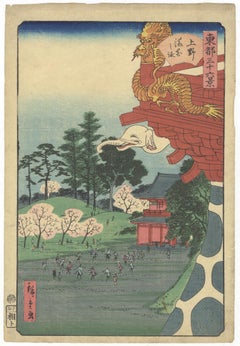
Early 2000s More Prints
Paper
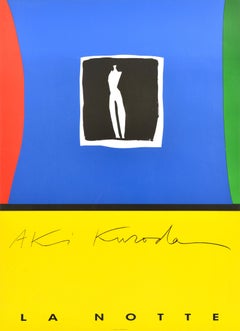
1940s More Prints
Paper
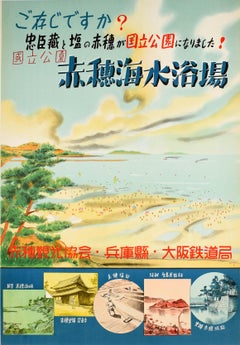
Early 19th Century Edo Figurative Prints
Woodcut
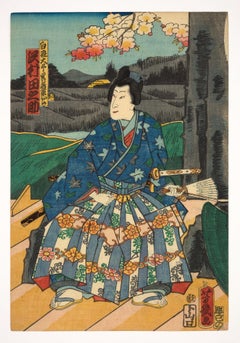
Antique 1880s Japanese Meiji Prints
Paper
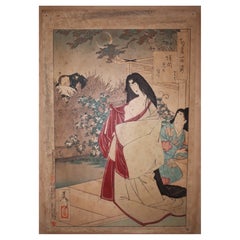
Early 19th Century Edo Figurative Prints
Woodcut
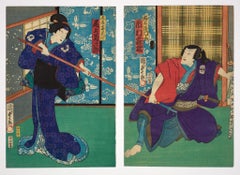
Early 19th Century Edo Figurative Prints
Woodcut
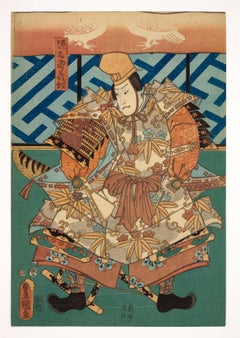
Early 19th Century Edo Figurative Prints
Woodcut
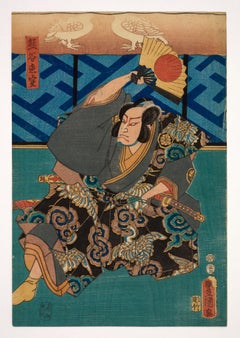
Early 19th Century Edo Figurative Prints
Woodcut
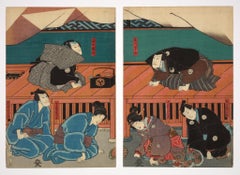
Early 19th Century Edo Figurative Prints
Woodcut
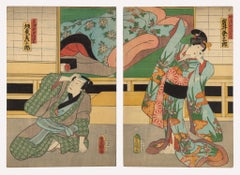
Early 19th Century Edo Figurative Prints
Woodcut
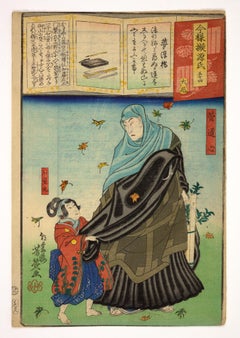
1960s More Art
Paper, Lithograph
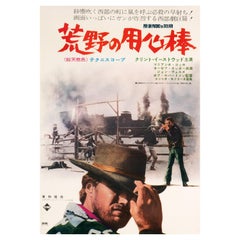
1930s More Prints
Paper
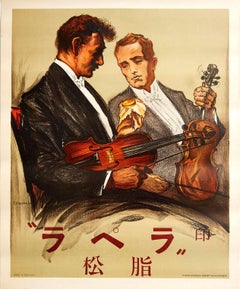
Early 20th Century Showa Landscape Prints
Handmade Paper, Mulberry Paper, Washi Paper, Pigment, Woodcut
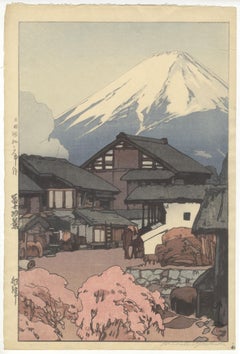
1960s More Prints
Paper
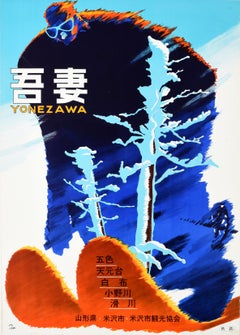
1950s More Prints
Paper
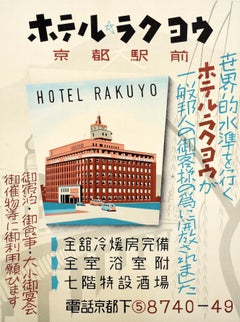
1960s More Prints
Paper
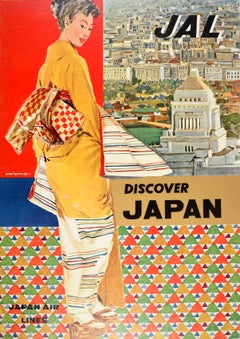
1960s More Art
Paper, Linen
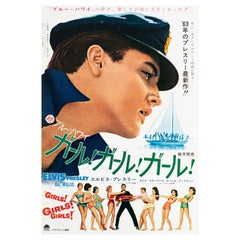
Vintage 1980s Japanese Ceramics
Ceramic
- 1
- ...
Original Japanese Art For Sale on 1stDibs
How Much is a Original Japanese Art?
- Where did Art Nouveau originate?1 Answer1stDibs ExpertMay 14, 2024Art Nouveau originated in France and Great Britain, but variants materialized elsewhere. The visual vocabulary of Art Nouveau was particularly influenced by the soft colors and abstract images of nature as portrayed in Japanese art prints, which arrived in large numbers in the West after open trade was forced upon Japan in the 1860s. Impressionist artists were moved by the artistic tradition of Japanese woodblock printmaking and other modes of art and design in the East Asian country. The Art Nouveau style quickly reached a wide audience in Europe via advertising posters, book covers, illustrations and other work by such artists as Aubrey Beardsley, Henri de Toulouse-Lautrec and Alphonse Mucha. While all Art Nouveau designs share common formal elements, different countries and regions produced their own versions. Explore a selection of Art Nouveau furniture, jewelry and art on 1stDibs.
- When did Art Deco originate?1 Answer1stDibs ExpertFebruary 1, 2024The Art Deco period originated in France. Its name comes from the title of a large decorative arts exhibition held in Paris in 1925, credited with introducing the style to the world. It was informed by ancient Egypt, Cubism, Futurism, Louis XVI, De Stijl, modernism and the Vienna Secession and went on to influence the Streamline Moderne and mid-century modern movements. Shop a wide range of Art Deco furniture, decorative objects and jewelry on 1stDibs.
- 1stDibs ExpertOctober 12, 2021An original piece of art is a work that is considered to be an authentic example of an artist’s output, versus a reproduction. An original piece may refer to a sculpture, painting, a performance work or any other work in a range of other media. On 1stDibs, shop a range of antique and vintage original pieces of art.
- 1stDibs ExpertApril 5, 2022The writing on Japanese art is calligraphy art called shodo. It uses Japanese kanji and kana characters. There are a variety of different shodo styles of art, including Kaisho, which is the basic, foundational form of the art. On 1stDibs, find a range of Japanese calligraphy art from top sellers..
- 1stDibs ExpertApril 16, 2024The focus of Japanese art varies. Many traditional Japanese artists sought to capture the beauty of nature in their works. However, other Japanese artists have produced work with Buddhist themes, and contemporary artists working in the country have been inspired by a range of subjects, from socioeconomic and political issues to pop culture. On 1stDibs, explore a large selection of Japanese art.
- 1stDibs ExpertApril 5, 2022There are a variety of different types of Japanese art. One of the oldest and most admired forms of Japanese art is the art of calligraphy, which originated in the sixth or seventh century. Another type of art, ukiyo-e, is the art of the woodblock print, which depicts scenes of female beauties; kabuki actors, sumo wrestlers and more. You’ll find a variety of Japanese artwork from some of the world’s top art dealers on 1stDibs.
- Lilac Gallery Ltd.March 17, 2021The cost of original art has a very wide range. For emerging new artist could be in the lower end, ranging from the $50 to $10,000 and the mid-career artists who are already established, their prices range in the thousands and hundreds of thousands of dollars and lastly the original art of very established and popular artists that could have auction records in the millions of dollars. Having said that, a good advice would be to learn more about the artist that is of your interest and the pricing range according to your budget, this would include the CV-bio of the artist, quality and quantity of the works produced, gallery representation, exhibitions, private and corporate collections, etc. and base on that information it would be easier to understand better how much that particular original art should cost.
- 1stDibs ExpertApril 5, 2022No, a lithograph isn’t technically an original work of art. It’s a type of print, but a lithograph is generally more prized than a common print because each lithograph is hand-made by the artist through the process of lithography. They’re usually made in much lower quantities than prints, which are easier to produce on a large scale. On 1stDibs, shop a large collection of lithographs from various artists.
- Is it worth buying original art?1 Answer1stDibs ExpertNovember 4, 2024Many art lovers believe that buying original art is worth it. One appealing facet of buying original art is that you can choose a medium that appeals to you from paintings, drawings, prints, sculptures and more. Art can be displayed in your home to beautify interiors, and pieces from some artists may increase in value over time. However, whether or not it’s worth investing in original art is totally subjective! At 1stDibs, we believe in buying what you love. Our shopping experience enables discovery and learning, whether you are a seasoned connoisseur or just beginning your collection. Explore a large collection of fine art on 1stDibs.
- 1stDibs ExpertApril 5, 2022Many art styles originated in Japan and grew in popularity over the years. Some of the most popular styles include shodo (calligraphy), ikebana, kanou and yamato-e. You’ll find a wide variety of authentic Japanese art from some of the world’s top dealers on 1stDibs.
- 1stDibs ExpertApril 5, 2022What Japanese wall art is called depends on its type. There are numerous kinds of Japanese paintings and prints, including nihonga and ukiyo-e. A Japanese wall scroll is known as a kakejiku or kakemono. On 1stDibs, find a variety of Japanese wall art.
- 1stDibs ExpertSeptember 23, 2024What the Japanese sea art is called depends on its type. Many examples of sea art from Japan are called ukiyo-e. This term refers to woodblock prints made during the 17th, 18th and 19th centuries. The Great Wave off Kanagawa by Katsushika Hokusai is arguably the most famous ukiyo-e print depicting the sea. On 1stDibs, find a wide variety of Japanese woodblock prints.
- 1stDibs ExpertOctober 15, 2024To tell if art is Japanese or Chinese, study the piece's characteristics. With paintings, Chinese artists often use more color and tend to fill their entire canvases, while Japanese artists often include more negative space and choose subtler colors. There are also differences between the brushstrokes typical of traditional Chinese and Japanese art. In Japanese paintings, brushstrokes are often short and sharp. On the other hand, Chinese paintings often display longer, more fluid brushstrokes. Learning about the defining features of various art forms and periods and looking at examples of pieces made by Japanese and Chinese artists can help you learn to spot subtle differences. Explore a diverse assortment of Japanese and Chinese art on 1stDibs.
- 1stDibs ExpertOctober 24, 2024Yes, original art prints may be worth something. However, the value of prints varies greatly based on the artist, age, image quality, historical significance, availability and overall condition. To find out how much a print that you own may be worth, consult a certified appraiser or knowledgeable art dealer, who can evaluate your piece based on its characteristics and history and give you an estimated fair market value for it. On 1stDibs, find a large selection of art prints.