Pablo O Higgins On Sale
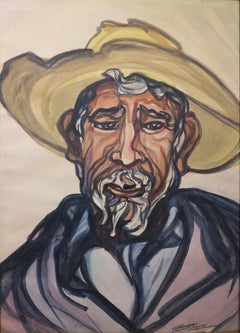
Mid-20th Century Modern Abstract Paintings
Paper, Watercolor

People Also Browsed
2010s Mexican Folk Art Toys
Ceramic, Clay
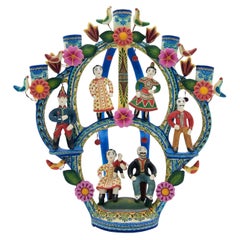
21st Century and Contemporary Mexican Organic Modern Chandeliers and Pen...
Ceramic, Clay
Vintage 1960s German Expressionist Paintings
Paint
Vintage 1970s Belgian Mid-Century Modern Fireplaces and Mantels
Iron

Vintage 1950s Mexican Folk Art Masks
Copper, Tin
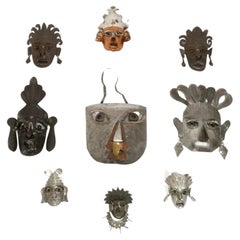
2010s Abstract Geometric Abstract Sculptures
Wood
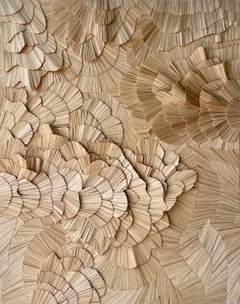
Late 20th Century Mexican North and South American Rugs
Wool
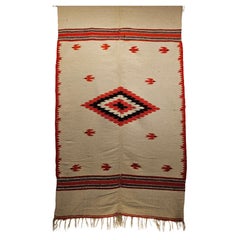
20th Century Mexican Folk Art Paintings
Canvas, Paint
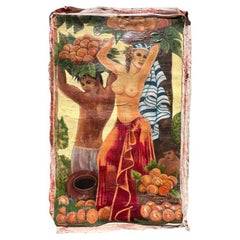
Artist Comments
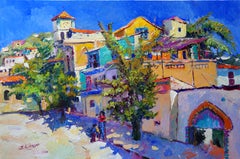
The painting is a result of my impressions from traveling in Mexico. Old, colorful, dramatic looking houses under the bright sun look dynamic and full of life...
21st Century and Contemporary Abstract Impressionist Interior Paintings
Oil
Mid-20th Century Mexican Mid-Century Modern Lounge Chairs
Leather, Wood
20th Century Mexican Paintings
Paper
Antique 19th Century Mexican Folk Art Sculptures and Carvings
Wood
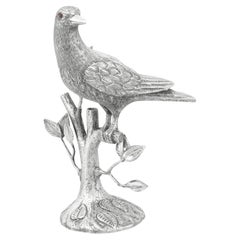
Vintage 1950s Mexican Animal Sculptures
Silver, Sterling Silver
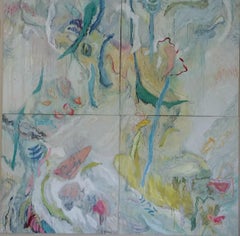
2010s Contemporary Abstract Paintings
Acrylic
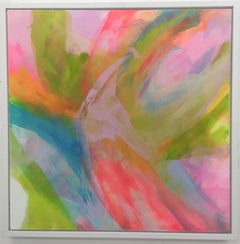
21st Century and Contemporary Abstract Paintings
Canvas, Acrylic
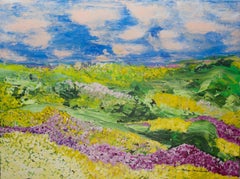
2010s Impressionist Paintings
Acrylic
A Close Look at Modern Art
The first decades of the 20th century were a period of artistic upheaval, with modern art movements including Cubism, Surrealism, Futurism and Dadaism questioning centuries of traditional views of what art should be. Using abstraction, experimental forms and interdisciplinary techniques, painters, sculptors, photographers, printmakers and performance artists all pushed the boundaries of creative expression.
Major exhibitions, like the 1913 Armory Show in New York City — also known as the “International Exhibition of Modern Art,” in which works like the radically angular Nude Descending a Staircase by Marcel Duchamp caused a sensation — challenged the perspective of viewers and critics and heralded the arrival of modern art in the United States. But the movement’s revolutionary spirit took shape in the 19th century.
The Industrial Revolution, which ushered in new technology and cultural conditions across the world, transformed art from something mostly commissioned by the wealthy or the church to work that responded to personal experiences. The Impressionist style emerged in 1860s France with artists like Claude Monet, Paul Cézanne and Edgar Degas quickly painting works that captured moments of light and urban life. Around the same time in England, the Pre-Raphaelites, like Edward Burne-Jones and Dante Gabriel Rossetti, borrowed from late medieval and early Renaissance art to imbue their art with symbolism and modern ideas of beauty.
Emerging from this disruption of the artistic status quo, modern art went further in rejecting conventions and embracing innovation. The bold legacy of leading modern artists Georges Braque, Pablo Picasso, Frida Kahlo, Salvador Dalí, Henri Matisse, Joan Miró, Marc Chagall, Piet Mondrian and many others continues to inform visual culture today.
Find a collection of modern paintings, sculptures, prints and other fine art on 1stDibs.
Finding the Right Abstract-paintings for You
Bring audacious experiments with color and textures to your living room, dining room or home office. Abstract paintings, large or small, will stand out in your space, encouraging conversation and introducing a museum-like atmosphere that’s welcoming and conducive to creating memorable gatherings.
Abstract art has origins in 19th-century Europe, but it came into its own as a significant movement during the 20th century. Early practitioners of abstraction included Wassily Kandinsky, although painters were exploring nonfigurative art prior to the influential Russian artist’s efforts, which were inspired by music and religion. Abstract painters endeavored to create works that didn’t focus on the outside world’s conventional subjects, and even when artists depicted realistic subjects, they worked in an abstract mode to do so.
In 1940s-era New York City, a group of painters working in the abstract mode created radical work that looked to European avant-garde artists as well as to the art of ancient cultures, prioritizing improvisation, immediacy and direct personal expression. While they were never formally affiliated with one another, we know them today as Abstract Expressionists.
The male contingent of the Abstract Expressionists, which includes Jackson Pollock, Willem de Kooning and Robert Motherwell, is frequently cited in discussing leading figures of this internationally influential postwar art movement. However, the women of Abstract Expressionism, such as Helen Frankenthaler, Lee Krasner, Joan Mitchell and others, were equally involved in the art world of the time. Sexism, family obligations and societal pressures contributed to a long history of their being overlooked, but the female Abstract Expressionists experimented vigorously, developed their own style and produced significant bodies of work.
Draw your guests into abstract oil paintings across different eras and countries of origin. On 1stDibs, you’ll find an expansive range of abstract paintings along with a guide on how to arrange your wonderful new wall art.
If you’re working with a small living space, a colorful, oversize work can create depth in a given room, but there isn’t any need to overwhelm your interior with a sprawling pièce de résistance. Colorful abstractions of any size can pop against a white wall in your living room, but if you’re working with a colored backdrop, you may wish to stick to colors that complement the decor that is already in the space. Alternatively, let your painting make a statement on its own, regardless of its surroundings, or group it, gallery-style, with other works.