Paul Beau Montreal
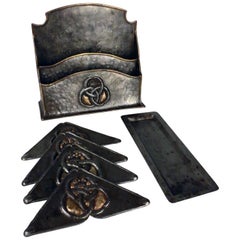
Early 20th Century Canadian Arts and Crafts Desk Sets

Recent Sales
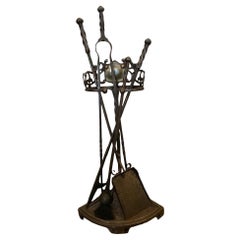
Vintage 1920s Canadian Arts and Crafts Fireplace Tools and Chimney Pots
Iron
People Also Browsed
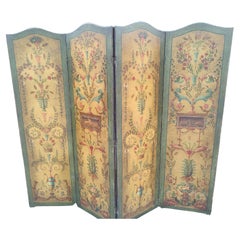
Antique 1870s French Empire Screens and Room Dividers
Brass
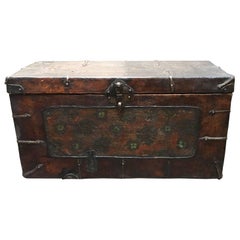
Antique Late 18th Century Tibetan Tibetan Furniture
Wrought Iron
Antique 19th Century Italian Neoclassical Revival Screens and Room Dividers
Leather, Wood, Paint
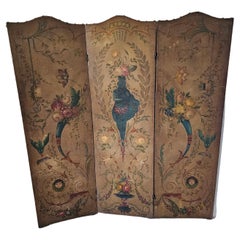
Antique Mid-19th Century English High Victorian Taxidermy
Other
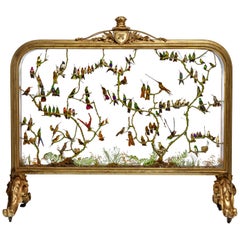
Antique 19th Century English Rococo Sterling Silver
Sterling Silver
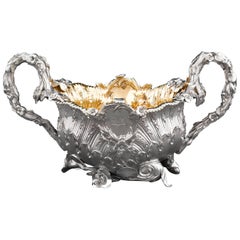
Antique Late 19th Century English Victorian Panelling
Wood, Oak
Mid-20th Century Central American Brutalist Chandeliers and Pendants
Iron

Antique Late 18th Century Dutch Screens and Room Dividers
Leather
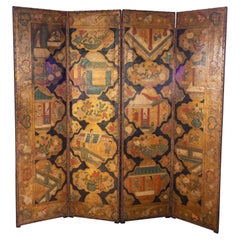
20th Century French Art Nouveau Panelling
Ceramic, Wood, Walnut
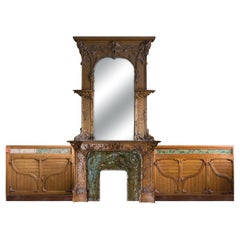
Vintage 1920s American Lanterns
Brass, Bronze
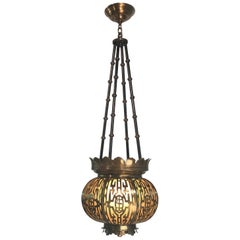
20th Century French Napoleon III Panelling
Bronze
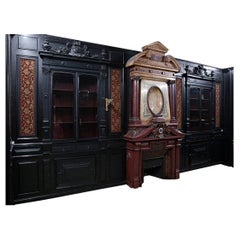
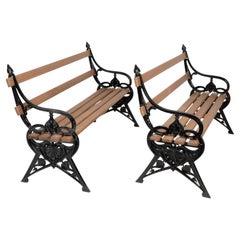
Antique 1870s English Aesthetic Movement Patio and Garden Furniture
Iron
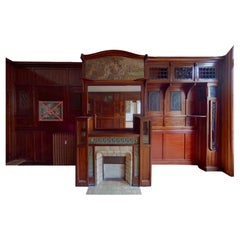
Early 20th Century French Art Nouveau Panelling
Wood
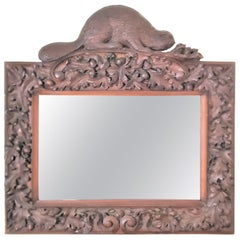
Antique Late 19th Century Canadian Folk Art Sculptures and Carvings
Walnut
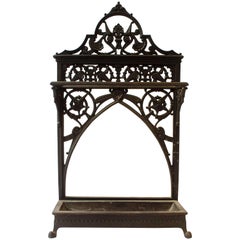
Antique Late 19th Century English Aesthetic Movement Umbrella Stands
Iron
Antique Late 19th Century British Victorian More Desk Accessories
Silver
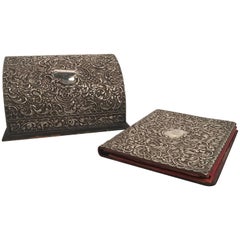
Paul Beau Montreal For Sale on 1stDibs
How Much is a Paul Beau Montreal?
A Close Look at Arts-and-crafts Furniture
Emerging in reaction to industrialization and mass production, the Arts and Crafts movement celebrated handcrafted design as a part of daily life. The history of Arts and Crafts furniture has roots in 1860s England with an emphasis on natural motifs and simple flourishes like mosaics and carvings. This work is characterized by plain construction that showcases the hand of the artisan.
The earliest American Arts and Crafts furniture dates back to the start of the 20th century. Designers working in this style in the United States initially looked to ideas put forth by The Craftsman, a magazine published by Wisconsin native Gustav Stickley, a furniture maker and founder of the Craftsman style. Stickley’s furniture was practical and largely free of ornament. His Craftsman style drew on French Art Nouveau as well as the work he encountered on his travels in England. There, the leading designers of the Arts and Crafts movement included William Morris, who revived historical techniques such as embroidery and printed fabrics in his furnishings, and Charles Voysey, whose minimal approach was in contrast to the ornamentation favored in the Victorian era.
American Arts and Crafts work would come to involve a range of influences unified by an elevation of traditional craftsmanship. The furniture was often built from sturdy woods like oak and mahogany while featuring details such as inlaid metal, tooled leather and ceramic tiles. The style in the United States was led by Stickley, whose clean-lined chairs and benches showcased the grain of the wood, and furniture maker Charles Rohlfs, who was informed by international influences like East Asian and French Art Nouveau design.
Hubs in America included several utopian communities such as Rose Valley in Pennsylvania and the Byrdcliffe Arts and Crafts Colony in New York, where craftspeople made furniture that prioritized function over any decoration. Their work would influence designers and architects including Frank Lloyd Wright, who built some of the most elegant and iconic structures in the United States and likewise embraced a thoughtful use of materials in his furniture.
Find antique Arts and Crafts chairs, tables, cabinets and other authentic period furniture on 1stDibs.