Piaget Platinum
21st Century and Contemporary Modern Wedding Rings
Platinum
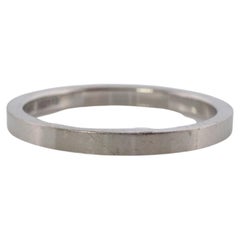
2010s French Contemporary Band Rings
Diamond, Platinum
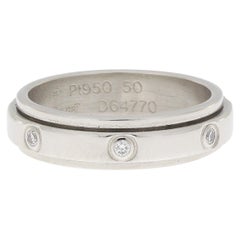
20th Century European Artisan Fashion Rings
Diamond, Sapphire, Platinum
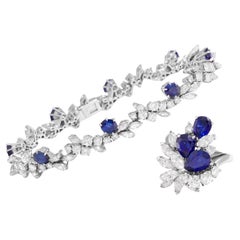
Early 2000s Engagement Rings
Diamond, White Diamond, Platinum
Recent Sales
Early 2000s Band Rings
Platinum
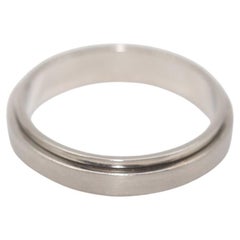
Mid-20th Century Art Deco Wrist Watches
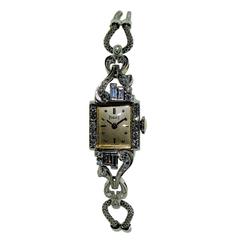
21st Century and Contemporary Band Rings
Diamond, Platinum
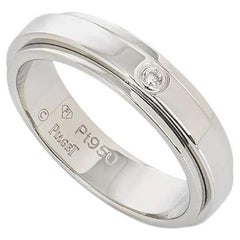
21st Century and Contemporary Swiss Band Rings
Diamond, Platinum
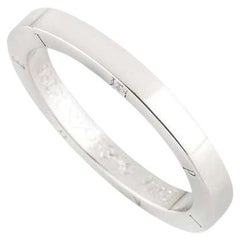
Vintage 1970s Swiss Wrist Watches
Diamond, Gold, 18k Gold, Yellow Gold, Platinum
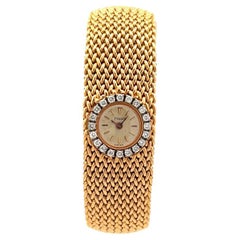
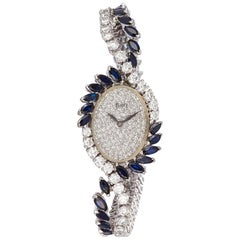
Vintage 1950s French Contemporary Wrist Watches
White Diamond, Blue Sapphire, Platinum
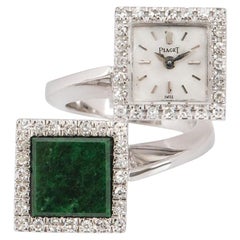
21st Century and Contemporary Cocktail Rings
Diamond, Jade, Platinum
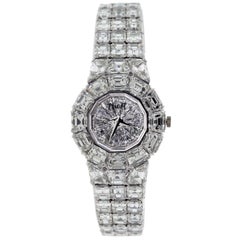
1990s Swiss Wrist Watches
White Diamond, Platinum

Vintage 1960s Swiss Cocktail Rings
Diamond, Sapphire, Platinum
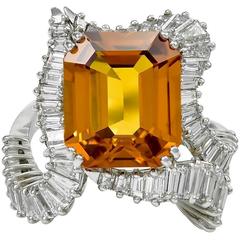
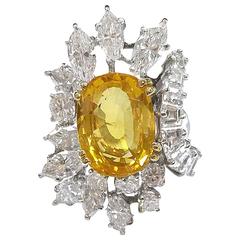
Vintage 1970s French Contemporary Cocktail Rings
White Diamond, Yellow Sapphire, Platinum
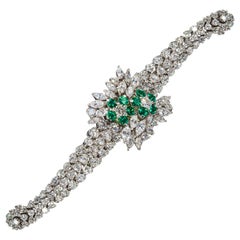
Vintage 1970s Swiss Retro Wrist Watches
Diamond, Emerald, Platinum
People Also Browsed
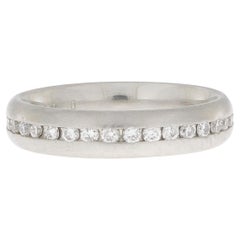
Early 2000s Unknown Contemporary Band Rings
Diamond, Platinum
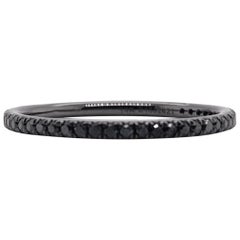
2010s American Modern Band Rings
Diamond, Black Diamond, 14k Gold, White Gold
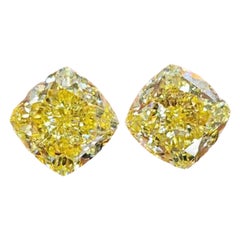
21st Century and Contemporary Stud Earrings
Yellow Diamond
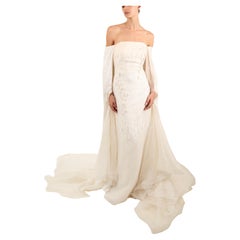
2010s American Wedding Dresses
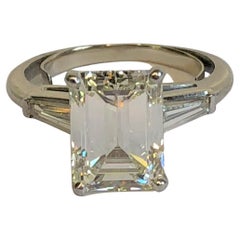
21st Century and Contemporary Unknown Engagement Rings
Diamond, Platinum
1980s Italian Wedding Dresses

21st Century and Contemporary Band Rings
18k Gold, Yellow Gold
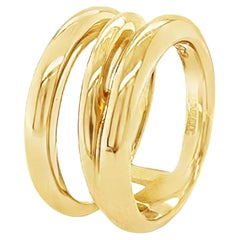
2010s Italian Modern Engagement Rings
Diamond, White Diamond, 18k Gold
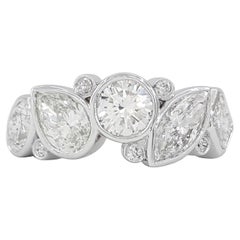
Vintage 1980s Cuff Bracelets
Diamond, Emerald, Onyx, 18k Gold, White Gold, Platinum
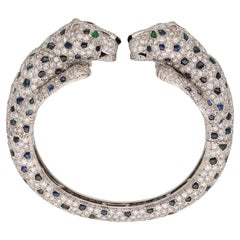
21st Century and Contemporary American Modern Three-Stone Rings
Diamond, Emerald, Platinum
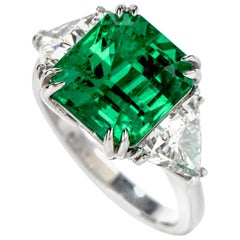
1990s French Fashion Rings
Diamond, 18k Gold, Yellow Gold, Gold
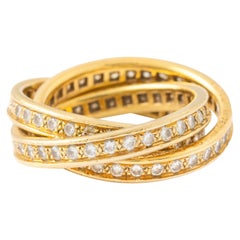
21st Century and Contemporary Three-Stone Rings
Pink Diamond
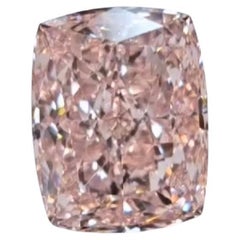
Early 2000s Unknown Art Deco Engagement Rings
Diamond, Sapphire, Platinum
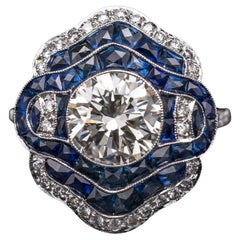
2010s American Contemporary Band Rings
Diamond, White Gold, 14k Gold
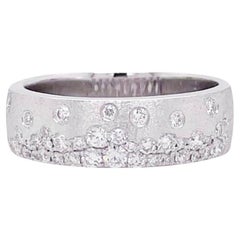
Early 2000s Beaded Necklaces
Diamond, Pearl, Platinum

21st Century and Contemporary Italian Top Handle Bags
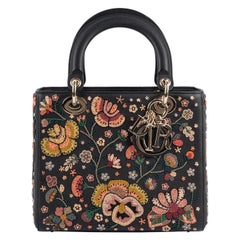
Piaget Platinum For Sale on 1stDibs
How Much is a Piaget Platinum?
Piaget for sale on 1stDibs
In 1874, at age 19, Georges-Édouard Piaget (1855–1931) began manufacturing handmade timepiece components and movements in a workshop on his family farm in La Côte-aux-Fées, Switzerland. The company expanded into luxury wristwatches and pocket watches under the direction of Georges-Édouard’s son, Timothée Piaget. Later, Timothée’s sons, Gérald and Valentin Piaget, would lead a team of talented craftspeople into a new era of innovation for the brand in both watches and luxury jewelry.
The Piaget family name was trademarked in 1943 and a large manufacturing facility was established in La Côte-aux-Fées. There they would perfect one of their signatures: ultra-thin movements. Valentin urged his design team to “do what has never been done before.”
In 1959, the Salon Piaget was opened in Geneva, where Piaget also set up workshops for goldsmithing and gem setting, introducing the company’s inaugural jewelry creations and establishing a creative hub where artisans were encouraged to push the boundaries of their designs. In 1963, Piaget released its first collection of watches with ornamental stones set into their dials (the brand's stone-dial watches are undeniable classics of watchmaking).
These artful creations caught the eye of such storied tastemakers as Jacqueline Kennedy Onassis, Elizabeth Taylor, Andy Warhol and Sophia Loren. In 1967, Yves Piaget collaborated with Salvador Dalí on a collection with pieces featuring the Dalí d’Or gold medals of the artist and his wife, Gala. Gala would also inspire the 1973 Limelight Gala timepiece and the subsequent collection.
Luxury jewelry designed by the company’s artisans has often cleverly reflected Piaget’s watchmaking origins, like the Possession collection, whose swinging pendants and turning rings nod to the movement of its watches. The Rose and Sunlight collections of bracelets, earrings and necklaces, meanwhile, reflect natural themes with a bit of Art Deco style. Piaget’s watches, likewise, have embodied an inventive approach to design, such as the Piaget Polo watch, which was introduced in 1979, popular for its luxurious refinement and widely imitated in the 1980s.
In 2001, the Piaget Haute Horlogerie was opened outside of Geneva, a facility that advanced its work in watchmaking and jewelry. The Swiss luxury watchmaker and jeweler now operates as part of the Richemont Group.
Find Piaget rings, necklaces, watches and other jewelry on 1stDibs.
The Legacy of Diamond in Jewelry Design
Antique diamond rings, diamond tiaras and dazzling vintage diamond earrings are on the wish lists of every lover of fine jewelry. And diamonds and diamond jewelry are primarily associated with storybook engagements and red-carpet grand entrances — indeed, this ultra-cherished gemstone has a dramatic history on its hands.
From “A Diamond Is Forever” to “Diamonds Are a Girl’s Best Friend,” pop culture has ingrained in our minds that diamonds are the most desired, the most lasting and the most valuable gemstone. But what makes the diamond so special? Each stone — whether it’s rubies, sapphires or another stone — is unique and important in its own right. April babies might claim diamonds for themselves, but just about everyone wants this kind of sparkle in their lives!
There are several factors that set diamonds apart from other stones, and these points are important to our gem education.
Diamonds are minerals. They are made up of almost entirely of carbon (carbon comprises 99.95 percent; the remainder consists of various trace elements). Diamonds are the hardest gemstones, ranking number 10 on the Mohs Hardness Scale. Even its name, diamond, is rooted in the Greek adamas, or unconquerable. The only object that can scratch a diamond is another diamond. Diamonds are formed deep within the earth at very high temperatures (1,652–2,372 degrees Fahrenheit at depths between 90 and 120 miles beneath the earth’s surface) and are carried up by volcanic activity. Diamonds are quite rare, according to the Gemological Institute of America, and only 30 percent of all the diamonds mined in the world are gem quality.
In the 1950s, the Gemological Institute of America developed the 4Cs grading system to classify diamonds: clarity, color, cut and carat weight. Not all diamonds are created equal (there are diamonds, and then there are diamonds). The value of the diamond depends on the clarity (flawless diamonds are very rare but a diamond's value decreases if there are many blemishes or inclusions), color (the less color the higher the grade), cut (how the diamond’s facets catch the light, certain cuts of diamonds show off the stone better than others) and carat weight (the bigger, the better).
When you start shopping for a diamond engagement ring, always prioritize the cut, which plays the largest role in the diamond's beauty (taking the time to clean your diamond ring at least every six months or so plays a role in maintaining said beauty). And on 1stDibs, a range of buying guides can be found for those in the market for antique engagement rings, vintage engagement rings or Art Deco engagement rings.
Shop antique and vintage diamond rings, diamond necklaces and other extraordinary diamond jewelry on 1stDibs.
Read More
Unexpected Gems Were All Over the Latest High-Jewelry Collections
Diamonds and sapphires still played a starring role, but less popular stones popped up too.
This Piaget Gold Nugget Watch Is the Embodiment of Delicious ’70s Excess
With a tigereye dial and a most unusual bracelet, this cuff-style piece is a singular style statement.
The 6 Most Popular Watch Brands on 1stDibs
These companies have stood the test of time, making exceptional pieces for generations.